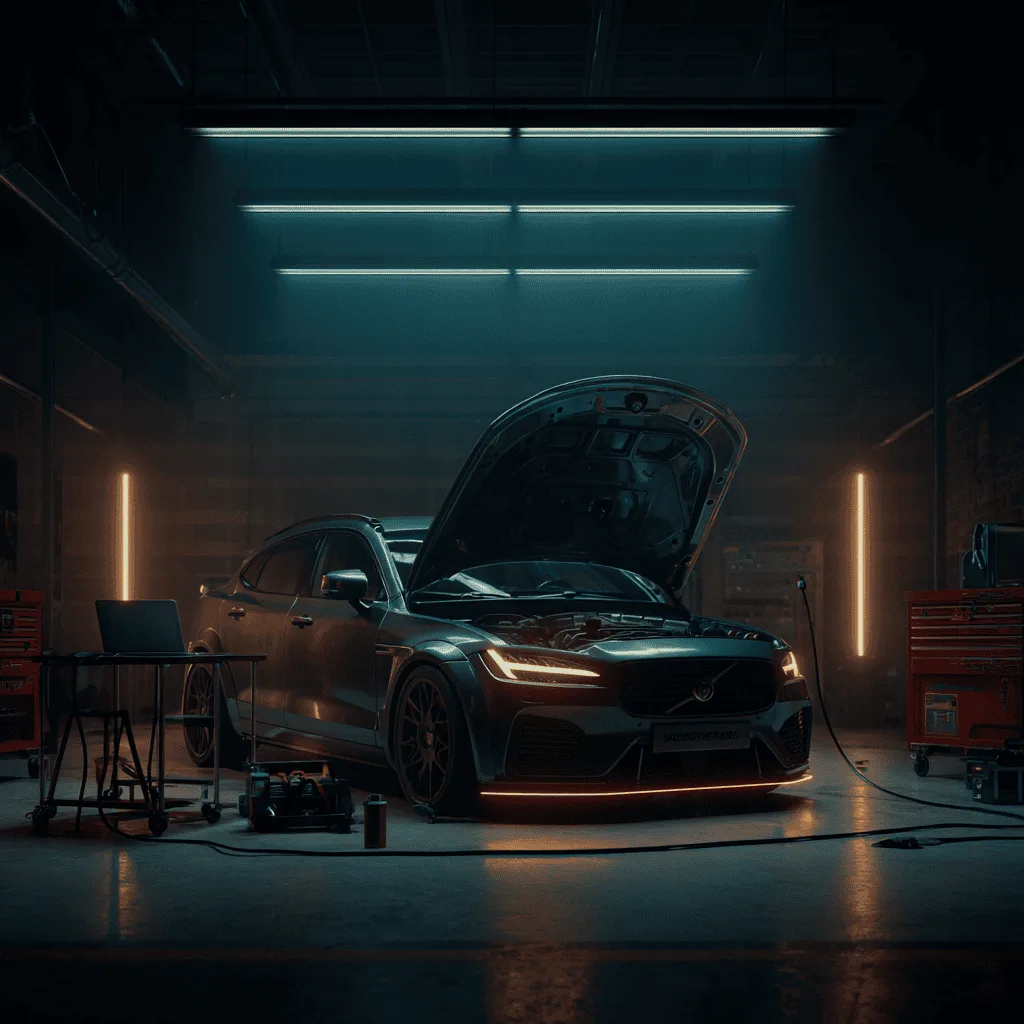
Can You Mod an Electric Vehicle? Exploring the Limits and Possibilities
Can You Mod an Electric Vehicle? Exploring the Limits and Possibilities
The electric vehicle revolution has fundamentally changed how we think about automotive performance, but one question keeps surfacing in enthusiast circles: Can you actually modify and tune an electric car? The short answer is yes—but it's nothing like tuning a traditional combustion engine. Gone are the days of bolt-on turbos and exhaust systems. Instead, we're entering an era of software optimization, thermal management upgrades, and sophisticated battery modifications.
The EV tuning scene is still in its infancy compared to the century-old tradition of hot-rodding gas cars, but the potential for performance gains is surprisingly significant. Tesla owners have unlocked hidden performance through software modifications. Porsche Taycan drivers are pushing the boundaries of electric acceleration. Even DIY enthusiasts are converting classic cars to electric power with mind-bending results. The landscape of electric vehicle modification is evolving rapidly, and understanding what's possible—and what's not—is crucial for anyone looking to enhance their EV's capabilities.
Understanding the Fundamentals of EV Performance
Before diving into modifications, it's essential to understand how electric vehicles generate and deliver power differently from traditional vehicles.
The Electric Powertrain Architecture
Electric Motor Characteristics: Unlike internal combustion engines that build power through RPM ranges, electric motors deliver instant torque from zero RPM. This fundamental difference affects every aspect of performance tuning:
- Instant Torque Delivery: Maximum torque available from standstill
- Linear Power Band: Consistent power delivery across most of the RPM range
- Efficiency Zones: Motors operate most efficiently at certain speeds and loads
- Thermal Limitations: Heat is the primary limiting factor for sustained performance
- No Power Band Tuning: Can't change cam profiles or valve timing like ICE engines
Battery Pack Dynamics: The battery isn't just a fuel tank—it's an active participant in performance:
- Discharge Rates: C-rating determines how quickly energy can be delivered
- Voltage Sag: Performance decreases as battery depletes
- Thermal Management: Temperature directly affects power output
- Cell Balancing: Uneven cells limit overall pack performance
- State of Charge Impact: Peak performance typically occurs between 20-80% charge
Inverter and Controller Systems: The brain of the EV that most tuning efforts target:
- Current Limits: Software-defined maximum amperage
- Voltage Control: Managing motor input for efficiency/performance
- Thermal Protection: Derating strategies when components overheat
- Traction Control: Sophisticated torque vectoring capabilities
- Regenerative Braking: Energy recovery calibration
How Software Controls Everything
In electric vehicles, software is king. Every aspect of performance is governed by lines of code:
Motor Control Parameters:
- Maximum torque output settings
- Power delivery curves and maps
- Acceleration ramp rates
- Top speed limitations
- Efficiency optimization algorithms
Battery Management System (BMS):
- Charge and discharge limits
- Cell balancing strategies
- Thermal management protocols
- Safety cutoffs and protection
- Range estimation algorithms
Vehicle Dynamics Control:
- Traction and stability management
- Torque distribution (dual/tri/quad motor setups)
- Regenerative braking strength
- Driving mode characteristics
- Launch control parameters
This software-centric approach means that significant performance gains can often be achieved without touching a single physical component—but it also means that modifications require deep technical knowledge and specialized tools.
Software Modifications: The Heart of EV Tuning
Software tuning represents the most accessible and impactful modification path for most EV owners.
Over-the-Air (OTA) Performance Updates
Many manufacturers now offer official performance upgrades via software updates:
Tesla's Acceleration Boost:
- Cost: $2,000 (Model 3/Y Long Range)
- Performance gain: 0.5 seconds faster 0-60 mph
- Implementation: Simple app purchase and download
- Reversibility: Can be removed for refund within 48 hours
- No hardware changes required
Polestar Performance Optimization:
- Available for Polestar 2
- Increases power output by 67hp and 15 lb-ft torque
- Improves throttle response
- Adjusts regenerative braking characteristics
- One-time purchase through dealership
Mercedes EQ Power+:
- Temporary performance boost mode
- Available in EQS and EQE models
- Increases power for 10-second bursts
- Activated through drive mode selection
- Subscription-based in some markets
Third-Party Software Tuning
Independent tuners are cracking EV software, though it's more complex than traditional ECU tuning:
Ingenext Ghost Module (Tesla):
- Unlocks additional performance
- Enables features like Drift Mode
- Bypasses certain software restrictions
- Price: $1,500-2,500
- Installation requires moderate technical skill
Mountain Pass Performance (Tesla):
- Custom firmware modifications
- Sport and Track mode calibrations
- Enhanced regenerative braking
- Improved thermal management
- Requires in-person installation
Electrified Garage (Multiple EVs):
- Custom performance tunes
- Battery management optimization
- Remove speed limiters
- Specializes in Tesla and Porsche
- Professional installation recommended
DIY Software Modifications
For the technically inclined, DIY options exist but carry significant risks:
Root Access Methods:
- Gaining administrative control of vehicle systems
- Requires advanced Linux/programming knowledge
- Risk of bricking vehicle systems
- Voids all warranties
- May disable OTA updates permanently
CAN Bus Manipulation:
- Intercepting and modifying vehicle communications
- Requires specialized hardware (CAN interfaces)
- Deep understanding of vehicle protocols needed
- Can unlock hidden features
- Extremely risky without proper knowledge
Open-Source Projects:
- Communities developing custom EV firmware
- Projects like OpenPilot for autonomous features
- Custom BMS solutions for DIY conversions
- Requires significant technical expertise
- Legal gray area in many jurisdictions
Hardware Modifications for Enhanced Performance
While software dominates EV tuning, hardware upgrades can provide substantial improvements.
Battery Upgrades and Optimization
Cell Replacement and Upgrading: Swapping to higher-performance cells can increase both range and power:
- 18650 to 21700 Conversion: Increased energy density
- Higher C-Rate Cells: Better sustained performance
- Improved Chemistry: LFP to NMC for performance
- Cost: $5,000-20,000 depending on pack size
- Requires professional installation and BMS recalibration
Cooling System Enhancements: Better thermal management unlocks sustained performance:
- Upgraded Coolant Pumps: Increased flow rates
- Larger Radiators: Improved heat dissipation
- Additional Cooling Loops: Separate battery/motor cooling
- Chiller Upgrades: More efficient refrigeration
- Thermal Interface Materials: Better heat transfer
Battery Pack Modifications:
- Additional Modules: Increasing total capacity
- Parallel Configurations: Higher discharge rates
- Custom BMS Programming: Optimized charge/discharge curves
- Cell Balancing Improvements: Active balancing systems
- Supercapacitor Integration: Burst power assistance
Motor and Inverter Upgrades
Motor Swaps: Replacing motors with higher-performance units:
- Higher RPM Motors: Extended top speed
- Increased Power Density: More power from same size
- Dual Motor Conversions: Adding motors for AWD
- Custom Wound Motors: Optimized for specific applications
- Costs range from $3,000-15,000 per motor
Inverter Modifications: The inverter controls motor performance:
- Higher Current Controllers: Increased power output
- Silicon Carbide (SiC) Inverters: Better efficiency
- Cooling Upgrades: Sustained high-power operation
- Custom Firmware: Optimized control strategies
- Professional installation essential
Suspension and Chassis Modifications
EVs benefit from traditional chassis upgrades with some unique considerations:
Suspension Tuning:
- Coilover Systems: Adjustable height and damping
- Air Suspension: Variable ride height for efficiency
- Sway Bars: Reduced body roll in corners
- Bushings: Polyurethane for better response
- Must account for battery weight distribution
Brake Upgrades: Despite regenerative braking, performance brakes matter:
- Larger Rotors: Better heat dissipation
- Multi-Piston Calipers: Improved modulation
- Performance Pads: Higher temperature tolerance
- Brake Cooling Ducts: Sustained track performance
- Regenerative Braking Tuning: Software calibration
Wheel and Tire Optimization:
- Lightweight Wheels: Reduced unsprung weight
- Low Rolling Resistance Tires: Improved efficiency
- Performance Tires: Better grip for acceleration
- Aero Wheels: Reduced drag at speed
- Proper Sizing: Balance between efficiency and performance
Aerodynamic Enhancements
Aerodynamics critically affect EV range and high-speed stability:
Active Aerodynamics:
- Adjustable Splitters: Variable downforce
- Active Grille Shutters: Reduced drag when closed
- Deployable Spoilers: Speed-sensitive deployment
- Air Curtains: Managing wheel turbulence
- Underbody Panels: Smooth airflow underneath
Static Modifications:
- Front Splitters: Increased front downforce
- Rear Diffusers: Reduced turbulence
- Side Skirts: Managed airflow along sides
- Wheel Covers: Reduced turbulence (efficiency)
- Mirror Deletes: Camera systems for reduced drag
Real-World EV Tuning Examples and Case Studies
Examining successful EV modifications provides insight into what's possible.
Tesla Model 3 Performance Build
Mountain Pass Performance "Apex" Package:
- Custom suspension geometry
- Upgraded cooling systems
- Performance brake package
- Software optimization
- Result: Consistent track performance without overheating
- Total investment: $15,000-20,000
Porsche Taycan Turbo S Enhancement
Electrified Garage Power Package:
- Software unlock for additional power
- Improved launch control
- Enhanced thermal management
- Track mode optimization
- Result: 0-60 mph in 2.4 seconds (vs 2.6 stock)
- Cost: $3,500-5,000
DIY Classic EV Conversion Hot Rod
1969 Mustang Electric Restomod:
- Tesla Model S drive unit
- Custom battery pack (90 kWh)
- Upgraded suspension and brakes
- Custom BMS and control systems
- Result: 600hp, 0-60 in 3.0 seconds
- Total build cost: $75,000-100,000
Nissan Leaf Track Car
Amateur Racing Build:
- Battery cooling system addition
- Suspension overhaul
- Weight reduction (400 lbs removed)
- Custom inverter programming
- Aerodynamic modifications
- Result: Competitive in electric racing series
- Investment: $25,000 in modifications
The Growing EV Aftermarket Industry
The aftermarket industry is rapidly adapting to serve EV enthusiasts.
Established Tuning Companies Entering EV Space
Traditional Performance Brands:
- Brembo: EV-specific brake systems
- KW Suspension: EV-optimized coilovers
- Michelin: EV-specific performance tires
- APR: Developing EV tuning solutions
- Hennessey: Electric hypercar modifications
EV-Specific Aftermarket Companies
Specialized EV Tuners:
- Unplugged Performance (Tesla specialist)
- Mountain Pass Performance (Tesla focus)
- Ingenext (Software modifications)
- EV West (Conversion specialists)
- Orbis (Wheel motor technology)
Products and Services:
- Performance software upgrades
- Cooling system enhancements
- Suspension packages
- Aerodynamic components
- Battery upgrade services
- Custom motor controllers
DIY EV Modification Resources
Online Communities:
- Tesla Motors Club forums
- DIY Electric Car forums
- Reddit r/EVConversion
- Endless Sphere (e-bike/EV community)
- Regional EV clubs and meetups
Educational Resources:
- EV conversion workshops
- Online courses (Coursera, edX)
- YouTube channels (Rich Rebuilds, EV West)
- Technical documentation wikis
- Open-source hardware/software projects
Legal and Warranty Considerations
Modifying EVs involves unique legal and warranty implications.
Warranty Impact
Manufacturer Warranty:
- Most modifications void powertrain warranty
- Software modifications detectable by manufacturers
- Some companies (Tesla) actively combat modifications
- Battery warranty particularly vulnerable
- Consider warranty value vs modification benefits
Magnuson-Moss Warranty Act:
- Modifications alone can't void entire warranty
- Manufacturer must prove modification caused failure
- Document all modifications carefully
- Keep original parts when possible
- Consider third-party warranties
Safety and Regulatory Compliance
Safety Considerations:
- High-voltage systems require expertise
- Improper modifications can cause fires
- Battery modifications particularly risky
- Professional installation recommended
- Emergency responder considerations
Legal Compliance:
- Emissions regulations still apply (yes, even for EVs)
- Safety inspections may flag modifications
- Insurance implications of modifications
- Speed limiter removal may be illegal
- Track-only modifications for street cars
Insurance Implications
Coverage Considerations:
- Declare all modifications to insurer
- Performance modifications increase premiums
- Some insurers won't cover modified EVs
- Specialized EV insurance emerging
- Document modification value
Future of EV Tuning and Modifications
The EV tuning landscape is rapidly evolving with emerging technologies and opportunities.
Emerging Technologies
Solid-State Batteries:
- Higher energy density
- Faster charging capabilities
- Better thermal stability
- Improved performance potential
- Expected mainstream adoption by 2030
Silicon Carbide Power Electronics:
- Higher efficiency inverters
- Increased power density
- Better thermal management
- Already appearing in high-end EVs
- Aftermarket upgrades becoming available
Wireless Charging Performance:
- Dynamic charging while driving
- Reduced battery size requirements
- Performance optimization opportunities
- Infrastructure dependent
- 5-10 years from mainstream
Software-Defined Vehicles
Subscription Performance:
- Pay-per-use performance boosts
- Track day packages
- Seasonal performance modes
- Remote performance unlocks
- Controversial but likely inevitable
AI-Optimized Performance:
- Machine learning for efficiency
- Predictive performance management
- Personalized driving dynamics
- Cloud-based optimization
- Real-time adaptation
Electric Motorsports Influence
Formula E Technology Transfer:
- Advanced battery management
- Regenerative braking strategies
- Thermal management solutions
- Lightweight materials
- Software optimization techniques
Grassroots Electric Racing:
- Local EV racing series emerging
- Modified production car classes
- DIY electric drag racing
- Time attack competitions
- Autocross and rallycross
Practical Guide to Getting Started with EV Modifications
For those ready to modify their EV, here's a practical roadmap.
Step 1: Research and Planning
Understanding Your Vehicle:
- Study factory specifications
- Join model-specific forums
- Research known modifications
- Understand warranty implications
- Set realistic goals
Defining Objectives:
- Performance improvements
- Efficiency optimization
- Aesthetic enhancements
- Track capability
- Daily driveability balance
Step 2: Start with Reversible Mods
Safe Starting Points:
- Wheel and tire upgrades
- Suspension adjustments
- Cosmetic modifications
- Removable aero additions
- Basic software tweaks
Step 3: Progress to Advanced Modifications
Intermediate Modifications:
- Brake upgrades
- Cooling improvements
- Software tuning
- Weight reduction
- Aerodynamic enhancements
Advanced Modifications:
- Motor upgrades
- Battery modifications
- Inverter replacements
- Custom control systems
- Complete drivetrain swaps
Step 4: Professional vs DIY
When to Go Professional:
- High-voltage work
- Software modifications
- Warranty-sensitive changes
- Safety-critical systems
- Complex installations
DIY-Friendly Modifications:
- Cosmetic changes
- Wheel/tire swaps
- Basic suspension
- Interior modifications
- Simple bolt-ons
Common Mistakes and Misconceptions
Understanding what doesn't work saves time and money.
Modification Myths
"More voltage always means more power": Reality: System must be designed for voltage increases
"EVs don't need cooling upgrades": Reality: Thermal management is critical for performance
"Software mods are always safe": Reality: Can cause permanent damage if done incorrectly
"All EVs can be modified the same way": Reality: Each platform has unique characteristics
Common Failures
Overheating Issues:
- Inadequate cooling for modifications
- Pushing beyond thermal limits
- Ignoring temperature warnings
- Insufficient testing
- Poor installation quality
Battery Damage:
- Excessive discharge rates
- Poor cell balancing
- Inadequate cooling
- Overcharging
- Physical damage during modification
Conclusion: Can You Mod an Electric Vehicle?
The question isn't whether you can modify an EV—it's how far you're willing to push the boundaries of electric performance. The landscape of EV tuning is fundamentally different from traditional automotive modification, requiring new skills, tools, and approaches. Software has replaced carburetors, battery management has superseded fuel mixture tuning, and thermal management has become as critical as any mechanical modification.
While the aftermarket industry is still catching up to the electric revolution, the opportunities for performance enhancement are substantial and growing. From simple software tweaks that unlock hidden performance to complex hardware modifications that transform family EVs into track weapons, the possibilities are expanding rapidly. The key is understanding that EV modification requires a different mindset—one that embraces technology, respects high-voltage safety, and recognizes that electrons flow differently than gasoline.
As electric vehicles become mainstream and motorsports increasingly embrace electrification, the culture and technology of EV tuning will only grow richer. Today's pioneers are establishing the foundation for tomorrow's electric hot rod culture. Whether you're interested in maximizing efficiency, unleashing hidden performance, or building something entirely unique, the world of EV modification offers exciting opportunities for those willing to learn and experiment.
The future of automotive enthusiasm isn't dying with the internal combustion engine—it's being reborn with instant torque, silent acceleration, and the endless possibilities of software-defined performance. The tools and knowledge are increasingly accessible, the community is growing, and the only real limit is imagination. Welcome to the electric tuning revolution.
Additional Resources
- InsideEVs Forum - Active community discussing EV modifications, with model-specific sections and technical guides
- Electric Vehicle Engineering Course - Coursera - Comprehensive understanding of EV systems for better modification planning
- Unplugged Performance - Leading Tesla aftermarket specialist with proven track records and performance packages