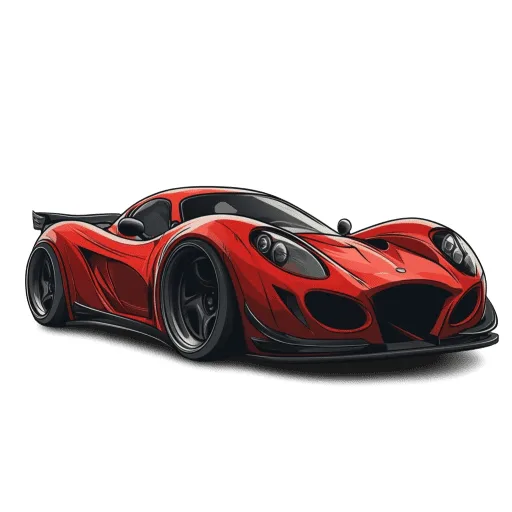
Car Tuning Career Guide: The Complete Path to Professional Success in Automotive Performance
Car Tuning Career Guide: The Complete Path to Professional Success in Automotive Performance
Introduction: Turning Passion into Profession
The roar of a perfectly tuned engine, the satisfaction of extracting hidden performance, and the artistry of transforming ordinary vehicles into extraordinary machines—these are the daily rewards of a career in car tuning. In an automotive industry increasingly focused on electrification and autonomous driving, the demand for skilled professionals who can optimize, customize, and enhance vehicle performance has never been more diverse or exciting.
Car tuning as a career offers a unique blend of technical expertise, creative expression, and entrepreneurial opportunity. Whether you're drawn to the precision of ECU calibration, the physical challenge of engine building, or the business aspects of running a performance shop, this field provides numerous pathways to professional success. From working with weekend warriors at local shops to engineering solutions for professional race teams, car tuning professionals shape how vehicles perform, look, and feel.
This comprehensive guide explores every aspect of building a successful car tuning career, from educational pathways and skill development to business opportunities and industry trends. We'll examine the real-world requirements for entering this field, the various specializations available, earning potential across different roles, and strategies for long-term career growth. Whether you're a mechanically inclined student considering career options or an experienced technician looking to specialize, this guide provides the roadmap to professional success in automotive tuning.
Understanding the Car Tuning Industry
What Modern Car Tuning Really Involves
Professional car tuning has evolved far beyond simple bolt-on modifications and aesthetic upgrades. Today's tuners work at the intersection of mechanical engineering, computer science, and materials technology, requiring a sophisticated understanding of integrated vehicle systems.
Modern car tuning encompasses several key areas:
Performance Optimization: This involves enhancing engine output through hardware modifications (turbochargers, superchargers, internal engine components) and software calibration (ECU tuning, fuel mapping, ignition timing). Professional tuners must understand thermodynamics, fluid dynamics, and combustion theory to safely extract maximum performance.
Chassis and Suspension Tuning: Beyond simple lowering springs, professional chassis tuning involves understanding vehicle dynamics, weight transfer, spring rates, damper characteristics, and alignment geometry. Tuners must balance performance goals with real-world usability and safety requirements.
Aerodynamic Development: From functional splitters and diffusers to complete wide-body conversions, aerodynamic modifications require understanding airflow management, downforce generation, and drag reduction. Professional tuners often work with CFD software and wind tunnel data.
Electronic Systems Integration: Modern vehicles rely on complex networks of sensors, actuators, and control modules. Tuners must understand CAN bus communication, sensor calibration, and how modifications affect interconnected systems like traction control, stability management, and transmission behavior.
Industry Sectors and Specializations
The car tuning industry offers diverse career paths across multiple sectors:
Performance Aftermarket
This sector focuses on developing and installing performance parts for street and track vehicles. Professionals work with brands like APR, Cobb Tuning, and Dinan to create validated performance packages that maintain reliability while enhancing capability.
Key roles include:
- Performance calibration specialists
- Dyno operators and tuners
- Installation technicians
- Product development engineers
- Technical support specialists
Motorsports and Racing
Professional racing demands the highest levels of tuning expertise. From grassroots club racing to professional series, tuners optimize vehicles for specific tracks, conditions, and regulations.
Opportunities exist in:
- Race team engineering
- Data analysis and telemetry
- Trackside support
- Engine building and preparation
- Aerodynamic development
Restoration and Restomod
This growing sector combines classic car restoration with modern performance upgrades. Tuners integrate contemporary drivetrains, suspension systems, and electronics into vintage platforms while maintaining period-correct aesthetics.
Specializations include:
- Engine swap specialists
- Custom fabrication experts
- Electrical system modernization
- Brake and suspension upgrades
- Interior technology integration
Electric Vehicle Performance
As EVs proliferate, a new tuning sector emerges focused on battery management, motor control, and software optimization. Early adopters in this space position themselves for significant future growth.
Emerging opportunities:
- EV powertrain calibration
- Battery thermal management
- Regenerative braking optimization
- Performance software development
- Charging system upgrades
Educational Pathways and Training
Formal Education Options
While formal education isn't always mandatory for car tuning careers, structured learning provides foundational knowledge and credibility:
Automotive Technology Programs
Community colleges and technical schools offer comprehensive programs covering:
- Engine theory and operation: Understanding four-stroke cycles, combustion dynamics, and mechanical systems
- Electrical and electronic systems: Circuit analysis, sensor operation, and control module programming
- Diagnostic procedures: Using scan tools, oscilloscopes, and diagnostic software
- Shop safety and practices: OSHA compliance, tool usage, and professional standards
Program durations typically range from 6-24 months, with costs varying from $3,000-$20,000 depending on institution and location.
Mechanical Engineering Degrees
Four-year engineering programs provide deeper theoretical understanding beneficial for advanced tuning roles:
- Thermodynamics and heat transfer: Critical for turbocharger and intercooler design
- Materials science: Understanding component stress, fatigue, and failure modes
- Computer-aided design (CAD): Creating custom parts and modifications
- Control systems theory: Foundation for ECU calibration and system integration
Engineering graduates often command higher starting salaries and advance more quickly into management or development roles.
Specialized Performance Programs
Select institutions offer focused performance tuning curricula:
- Universal Technical Institute (UTI): Offers manufacturer-specific advanced training programs
- Wyotech: Features high-performance powertrain and chassis fabrication courses
- SAM Tech: Specializes in racing and performance technology
- Online platforms: HP Academy, EFI University provide specialized tuning education
These programs typically cost $15,000-$40,000 but provide direct industry connections and specialized knowledge.
Professional Certifications
Industry certifications validate expertise and enhance employability:
ASE Certifications
The National Institute for Automotive Service Excellence offers several relevant certifications:
- A1-A9 Series: Comprehensive automotive systems knowledge
- L1 Advanced Engine Performance: Diagnostic and drivability expertise
- X1 Exhaust Systems: Emissions and performance exhaust specialization
Maintaining ASE certification requires recertification every five years, ensuring current knowledge.
Manufacturer-Specific Training
OEM programs provide factory-level expertise:
- Ford Performance Technician: Specialization in Ford performance vehicles and modifications
- GM Performance Build Center: Training on LSX and LT platforms
- BMW M Certified Technician: High-performance BMW specialist certification
- Porsche Bronze/Silver/Gold: Tiered certification for Porsche specialists
These certifications often lead to dealership performance department positions with excellent benefits and advancement opportunities.
Tuning Software Certifications
Major tuning platforms offer certification programs:
- HP Tuners University: Comprehensive training on HP Tuners software
- EFI Live: Diesel and gasoline tuning certification
- Cobb Accesstuner: Platform-specific tuning certification
- MoTeC: Professional motorsports ECU training
Software certifications typically cost $500-$2,000 and significantly enhance employment prospects.
Hands-On Experience Development
Practical experience remains invaluable in the tuning industry:
Personal Projects
Building and modifying personal vehicles provides:
- Real-world problem-solving experience
- Portfolio development for future employers
- Understanding of cost-benefit analysis
- Appreciation for customer perspectives
Document all projects thoroughly with photos, data logs, and results for portfolio presentation.
Apprenticeships and Internships
Working under experienced tuners accelerates skill development:
- Shop apprenticeships: 2-4 year programs combining work and education
- Racing team internships: Seasonal positions providing intense experience
- Manufacturer programs: OEM-sponsored technician development programs
- Performance shop assistants: Entry-level positions with advancement potential
Many successful tuners credit apprenticeships as their most valuable education.
Essential Skills for Car Tuning Success
Technical Competencies
Core technical skills form the foundation of tuning expertise:
Diagnostic and Analytical Skills
Professional tuners must quickly identify and resolve complex issues:
- System-level thinking: Understanding how modifications affect integrated systems
- Data interpretation: Reading dyno graphs, data logs, and sensor outputs
- Troubleshooting methodology: Systematic approach to problem identification
- Performance validation: Measuring and verifying improvements objectively
These skills develop through experience but benefit from structured training in diagnostic procedures.
Fabrication and Modification Skills
Physical modification capabilities expand service offerings:
- Welding proficiency: TIG, MIG, and oxy-acetylene for exhaust and structural work
- Machining basics: Lathe and mill operation for custom components
- Composite work: Carbon fiber and fiberglass fabrication
- Metal forming: Creating custom brackets, heat shields, and ducting
Fabrication skills command premium rates and enable unique solutions.
Electronic and Software Skills
Modern tuning increasingly requires digital expertise:
- ECU calibration: Understanding tables, maps, and correction factors
- Data logging analysis: Interpreting multiple channels simultaneously
- Sensor calibration: Scaling and configuring aftermarket sensors
- Network communication: Understanding CAN, LIN, and FlexRay protocols
Continuous learning is essential as vehicle electronics become increasingly sophisticated.
Business and Soft Skills
Professional success requires more than technical ability:
Customer Communication
Effective communication builds trust and repeat business:
- Technical translation: Explaining complex concepts in understandable terms
- Expectation management: Setting realistic performance and timeline goals
- Problem presentation: Discussing issues and solutions professionally
- Progress updates: Keeping customers informed throughout projects
Poor communication skills limit career advancement regardless of technical expertise.
Project Management
Successful tuners juggle multiple projects efficiently:
- Time estimation: Accurately predicting project duration
- Resource allocation: Managing parts, tools, and workspace
- Priority management: Balancing urgent repairs with scheduled work
- Documentation: Maintaining detailed records for warranty and reference
Project management skills become critical when advancing to shop management roles.
Continuous Learning Mindset
Technology evolution demands ongoing education:
- Industry publications: Regular reading of technical journals and forums
- Training seminars: Attending manufacturer and aftermarket training
- Networking events: Learning from peers at shows and meetings
- Online resources: Utilizing webinars, videos, and online courses
The most successful tuners never stop learning and adapting.
Career Paths and Opportunities
Entry-Level Positions
Starting your tuning career typically begins with foundational roles:
Apprentice Technician
Entry-level positions provide broad exposure:
- Responsibilities: Basic installations, vehicle preparation, shop maintenance
- Skills developed: Tool usage, safety procedures, customer interaction
- Typical pay: $15-$20/hour or $30,000-$40,000 annually
- Advancement timeline: 1-2 years to technician role with demonstrated competence
Apprenticeships offer the best combination of education and income for career starters.
Dyno Operator Assistant
Specializing early can accelerate advancement:
- Duties: Preparing vehicles, monitoring gauges, data recording
- Learning opportunities: Understanding power measurement, safety protocols
- Compensation: $18-$25/hour depending on location
- Career path: Progression to lead dyno operator or tuner
Dyno experience provides valuable insights into performance measurement and validation.
Parts Sales and Technical Support
Customer-facing roles develop communication skills:
- Responsibilities: Assisting customers with part selection and technical questions
- Knowledge gained: Product specifications, compatibility, installation procedures
- Salary range: $35,000-$50,000 plus commission potential
- Advancement: Movement into purchasing, management, or technical roles
Parts experience provides broad industry knowledge and networking opportunities.
Mid-Level Careers
Experienced professionals can specialize in higher-paying roles:
Performance Calibration Specialist
ECU tuning specialists command premium wages:
- Core functions: Custom calibration development, problem diagnosis, performance optimization
- Required expertise: Deep understanding of engine management, emissions, and drivability
- Typical earnings: $60,000-$85,000 annually
- Growth potential: Independent consulting or shop ownership
Calibration specialists often work remotely, providing flexibility and independence.
Fabrication Specialist
Custom fabrication work offers creative expression:
- Specializations: Exhaust systems, turbo kits, roll cages, custom bodywork
- Skills required: Advanced welding, design, material selection
- Income range: $55,000-$75,000 or $30-$50/hour
- Opportunities: Custom shop ownership, racing team positions
Fabricators with artistic vision can command premium prices for unique work.
Race Team Technician
Motorsports positions offer excitement and challenge:
- Responsibilities: Car preparation, trackside support, between-session adjustments
- Work environment: High pressure, travel-intensive, seasonal
- Compensation: $50,000-$80,000 plus bonuses
- Advancement: Chief mechanic, engineer, team management
Racing experience opens doors throughout the performance industry.
Advanced Career Opportunities
Senior positions offer leadership and entrepreneurship:
Shop Owner/Manager
Business ownership provides ultimate control:
- Requirements: Business acumen, customer base, capital investment
- Responsibilities: Operations, marketing, hiring, financial management
- Income potential: $75,000-$200,000+ depending on shop success
- Challenges: Economic sensitivity, competition, regulatory compliance
Successful shop owners combine technical expertise with business skills.
Performance Engineering Consultant
Independent consulting offers flexibility and high earnings:
- Services: Development programs, troubleshooting, training, expert witness
- Client base: Manufacturers, race teams, shops, individuals
- Earning potential: $100-$300/hour or project-based pricing
- Requirements: Established reputation, specialized expertise, professional network
Consultants with unique expertise can command premium rates globally.
Product Development Engineer
Creating performance products combines engineering with entrepreneurship:
- Roles: Design, testing, validation, production management
- Employers: Aftermarket manufacturers, OEM performance divisions
- Salary range: $75,000-$120,000 plus bonuses
- Satisfaction: Seeing your designs on thousands of vehicles
Product development offers stable employment with creative expression.
Building Your Career Strategy
Developing Your Specialty
Specialization differentiates you in a competitive market:
Platform Expertise
Becoming the recognized expert on specific platforms:
- German performance: BMW M, Mercedes AMG, Porsche specialization
- American muscle: LS/LT engines, Coyote, Hemi platforms
- JDM tuning: Subaru EJ/FA, Nissan VQ/RB, Honda K-series
- European exotics: Ferrari, Lamborghini, McLaren specialists
Platform specialists can charge premium rates and attract dedicated followings.
Technology Focus
Mastering emerging technologies positions you for future growth:
- Hybrid performance: Optimizing electric assist systems
- Direct injection: Addressing carbon buildup and fuel system limitations
- Variable geometry turbos: Calibration and control strategies
- Active aerodynamics: Programming and integration
Early adopters of new technology often become industry leaders.
Building Your Professional Network
Networking accelerates career advancement:
Industry Events
Regular participation in key gatherings:
- SEMA Show: Annual aftermarket industry showcase
- PRI Show: Performance racing industry exhibition
- Local car shows: Community engagement and customer development
- Track days: Networking with enthusiasts and racers
Events provide learning, networking, and business development opportunities.
Online Presence
Digital visibility enhances career prospects:
- Professional portfolio: Website showcasing projects and capabilities
- Social media: Instagram, YouTube, and Facebook for work demonstration
- Forum participation: Establishing expertise through helpful contributions
- LinkedIn networking: Connecting with industry professionals
Strong online presence attracts customers and employment opportunities.
Professional Associations
Membership provides credibility and resources:
- SEMA: Access to training, legal resources, and industry data
- ASE: Certification and continuing education
- Local automotive associations: Regional networking and support
- Specialty clubs: Make-specific organizations and expertise
Association membership demonstrates professional commitment.
Financial Realities and Earning Potential
Salary Expectations by Role
Compensation varies significantly across positions and regions:
Entry-Level (0-2 years)
- Apprentice technician: $30,000-$40,000
- Parts specialist: $35,000-$45,000
- Junior installer: $35,000-$45,000
- Dyno assistant: $38,000-$48,000
Entry-level positions prioritize learning over earning but provide essential experience.
Experienced (3-7 years)
- Performance technician: $50,000-$70,000
- Calibration specialist: $60,000-$85,000
- Fabrication specialist: $55,000-$75,000
- Service writer: $45,000-$65,000
Experienced professionals see significant salary growth with specialization.
Senior/Specialist (8+ years)
- Master tuner: $75,000-$100,000+
- Shop foreman: $70,000-$90,000
- Engineering consultant: $90,000-$150,000
- Business owner: $60,000-$250,000+ (highly variable)
Senior positions offer highest earning potential but require extensive experience.
Geographic Variations
Location significantly affects compensation and opportunities:
High-Opportunity Markets
- Southern California: Dense car culture, year-round season
- Texas: Strong economy, minimal regulations
- Florida: Active racing scene, favorable weather
- Metro Atlanta: Growing automotive hub
These markets offer more opportunities but also more competition.
Cost-of-Living Considerations
Salary must be evaluated against local costs:
- San Francisco Bay Area: High salaries offset by extreme costs
- Midwest markets: Lower salaries but favorable cost ratios
- Rural areas: Limited opportunities but lower competition
- International options: Growing markets in Middle East, Asia
Consider total compensation package beyond base salary.
Additional Income Streams
Successful tuners diversify revenue sources:
Side Business Opportunities
- Mobile tuning services: $100-$300/hour for convenience
- Remote calibration: $200-$500 per tune via email
- Technical writing: $50-$150/article for magazines
- YouTube/content creation: Ad revenue and sponsorships
Multiple income streams provide financial stability and growth.
Industry Challenges and Solutions
Regulatory Compliance
Environmental regulations increasingly impact tuning:
Emissions Standards
Navigating complex requirements:
- Federal EPA regulations: Modifications must maintain emissions compliance
- State programs: California CARB and similar state requirements
- International standards: Euro 6, China 6 emissions limits
- Enforcement trends: Increasing penalties for violations
Successful tuners stay informed and compliant with evolving regulations.
Safety and Liability
Managing risk in performance modifications:
- Insurance requirements: Shop liability and garage-keepers coverage
- Waivers and documentation: Protecting against liability claims
- Safety standards: Ensuring modifications don't compromise safety
- Warranty considerations: Understanding Magnuson-Moss Act implications
Professional shops prioritize safety and legal protection.
Technology Evolution
Rapid advancement requires continuous adaptation:
Electrification Impact
Preparing for electric future:
- Hybrid tuning opportunities: Software optimization for dual powertrains
- EV performance market: Emerging sector with high growth potential
- Infrastructure requirements: Charging stations and high-voltage safety
- Skill transition planning: Adapting traditional skills to new technology
Forward-thinking tuners embrace rather than resist electrification.
Increasing Complexity
Modern vehicles challenge traditional approaches:
- Encrypted ECUs: Requiring sophisticated tools and knowledge
- Integrated systems: Understanding interdependencies
- Warranty preservation: Working within manufacturer constraints
- Right-to-repair battles: Supporting legislative efforts
Complexity creates opportunities for specialists who master new systems.
Market Competition
Standing out in a crowded market:
Differentiation Strategies
- Specialization: Becoming the recognized expert in specific areas
- Customer experience: Providing exceptional service beyond technical work
- Innovation: Developing unique solutions and products
- Education: Teaching customers enhances value perception
Successful shops offer more than just technical services.
Future of Car Tuning Careers
Emerging Technologies
New technologies create fresh opportunities:
Autonomous Vehicle Performance
Self-driving cars will still need performance optimization:
- Sensor calibration: Ensuring optimal perception system performance
- Dynamics tuning: Optimizing comfort and efficiency
- Simulation validation: Virtual testing and development
- Safety system enhancement: Improving emergency response
Early involvement positions tuners for future relevance.
Alternative Fuels
Expanding beyond gasoline:
- Hydrogen tuning: Optimizing fuel cell and combustion systems
- Biofuel compatibility: Calibrating for alternative fuel properties
- Synthetic fuel development: Creating sustainable performance solutions
- Energy recovery systems: Maximizing regeneration efficiency
Fuel diversity creates specialization opportunities.
Industry Trends
Understanding trends guides career planning:
Consolidation and Corporatization
Industry structure evolution:
- Shop acquisitions: Large groups buying successful independents
- Franchise opportunities: Branded performance centers
- Corporate positions: Stable employment with benefits
- Independent resistance: Maintaining small shop viability
Both corporate and independent paths offer opportunities.
Digital Transformation
Technology changing business models:
- E-commerce integration: Online sales supplementing services
- Virtual diagnostics: Remote troubleshooting and support
- Digital marketing: Social media and content marketing
- Customer relationship management: Data-driven business development
Digital skills become increasingly essential for career success.
Conclusion: Your Path to Professional Success
A career in car tuning offers unique rewards for those passionate about automotive performance. The combination of technical challenge, creative expression, and tangible results provides deep professional satisfaction. Whether your interests lie in cutting-edge ECU calibration, hands-on fabrication, or business ownership, the tuning industry offers diverse pathways to success.
Success in car tuning requires more than just mechanical aptitude or enthusiasm for cars. It demands continuous learning, adaptation to new technologies, business acumen, and professional networking. The most successful tuners combine deep technical expertise with strong communication skills and business sense. They understand that every modified vehicle represents both a technical challenge and a customer relationship.
The industry faces challenges from increasing regulation, vehicle complexity, and electrification, but these challenges create opportunities for prepared professionals. Those who embrace change, maintain high standards, and continuously develop their skills will find rewarding careers with strong earning potential and personal satisfaction.
Your journey in car tuning begins with honest self-assessment of your interests, skills, and goals. Whether starting through formal education, apprenticeship, or self-directed learning, success comes from dedication to craft and commitment to excellence. The road ahead offers excitement, challenge, and the opportunity to transform passion into profession.
The automotive performance industry needs skilled, ethical, and innovative professionals to drive it forward. By following the guidance in this comprehensive guide, developing your expertise systematically, and maintaining professional standards, you can build a successful and rewarding career in car tuning. The engines are waiting—it's time to start your journey.
Additional Resources
To further your car tuning career development:
- SEMA Career Center - Industry job listings and career resources
- HP Academy - Professional tuning education and certification
- Professional networking through LinkedIn automotive groups
- Local automotive technical colleges for hands-on training
- Manufacturer training programs for specialized expertise
- Industry publications for ongoing education and trends
Your career in car tuning starts with the first step. Take action today to begin building the skills, knowledge, and network that will drive your professional success in this exciting and evolving industry.