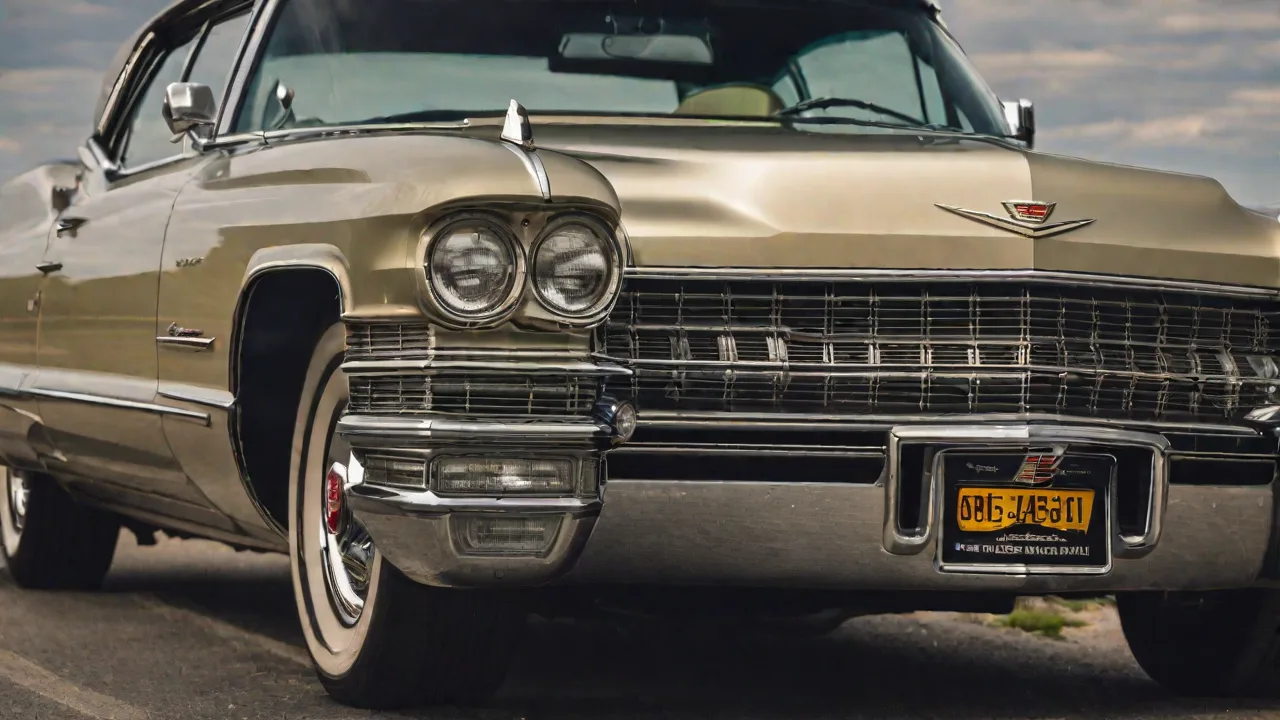
How to Safely Increase Your Cadillac’s Power Output in Nashville
Introduction: Nashville’s Cadillac Culture and Safe Power Gains
Nashville isn’t just Music City—it’s a hotbed for car enthusiasts who want their rides to stand out. For Cadillac owners, that often means seeking more horsepower without sacrificing the luxury or reliability that define the brand. Whether you drive a CTS-V, an Escalade, or a CT5, the path to extra power requires careful planning. Overstressing a stock engine can lead to expensive repairs and downtime. This guide walks you through proven, safe methods to increase your Cadillac’s power output, with insights tailored to Nashville’s tuning scene, emissions rules, and climate. You’ll learn which upgrades deliver real gains, how to choose trustworthy shops, and what supporting mods are needed to keep everything running smoothly.
Know Your Cadillac’s Engine and Its Limits
Every Cadillac model comes with a unique powertrain that responds differently to modification. Understanding your engine’s architecture and stock endurance is the first step toward safe power increases.
Engine Family and Configuration
Cadillac has used a range of engines in recent years:
- LS/LT V8s – Found in the CTS-V, CT5-V, and earlier Escalades. These iron-block or aluminum-block V8s are highly tunable but have different fuel system and cooling demands.
- LGW/LGY Turbo V6 – Used in the CT5 (non-V) and some ATS derivatives. Twin-turbo setups respond well to tuning and exhaust upgrades, but heat management is critical.
- LF3/LF4 Twin-Turbo V6 – The ATS-V and CT4-V engines. These have forged internals and can handle substantial boosts but require precise calibration.
- LC3/L86 – Supercharged V8s in the current Escalade-V and older CTS-V. Additional power is possible, but the supercharger heat exchanger and fuel system become limiting.
Consult your owner’s manual to find your exact engine code. Then search forums like Cadillac Owners Club or CT5V.net for real-world experiences. Knowing your engine’s weak points—such as direct injection carbon buildup, weak timing chains, or fuel pump limitations—helps you target upgrades that work with the powertrain, not against it.
Drivetrain and Transmission Considerations
Power means nothing if the transmission can’t handle it. Early CTS-Vs used a T56 manual that is stout, but the 6L90 automatic in many models needs extra cooling and possibly a torque converter upgrade beyond the 600-650 whp range. The 10-speed in newer models (10L90) is robust but still requires careful tuning to prevent torque converter slip. Rear differentials in AWD Cadillacs also have torque limits. Always research your specific drivetrain’s maximum torque capacity before adding forced induction or aggressive tuning.
Safe Power Enhancement Strategies
Below are the most effective and reliable methods to increase horsepower and torque in your Cadillac, ordered from least invasive to most involved.
ECU Tuning – The Foundation of Almost Every Upgrade
Reprogramming the engine control unit (ECU) is the single most cost-effective power gain. Modern Cadillacs have sophisticated computers that manage air-fuel ratios, ignition timing, boost pressure (if equipped), and transmission shift points. A custom tune from a reputable shop like HP Tuners-certified tuners unlocks power that the factory intentionally left on the table.
- Gains: 30-60 whp on naturally aspirated engines, 60-100+ whp on turbocharged/supercharged engines.
- Risks: Overly aggressive tuning can cause knock, detonation, or transmission failure. Always use a tuner who provides data logs and revises the tune based on real-time feedback.
- Nashville Resources: Look for shops that use chassis dynamometers (dyno) and offer ECM unlock services for GM vehicles. Modern Image Automotive in Nashville has experience with Cadillac performance calibration.
Performance Intake Systems
Increasing airflow into the engine is a simple way to free up horsepower. Factory air intake systems are often restrictive due to sound dampening and emission requirements. A high-flow intake with a properly designed heat shield reduces intake air temperature and allows the engine to breathe better.
- Recommended brands: aFe, K&N, and Injen all make direct-fit units for Cadillacs. For supercharged models, consider an intake that reduces pressure drop before the blower.
- Gains: 10-20 whp on naturally aspirated engines; sometimes less on forced induction but still beneficial.
- Installation: Most are bolt-on with basic tools. Ensure the intake filter is properly oiled (if a wet filter) to avoid MAF contamination.
Exhaust System Upgrades
The exhaust system controls backpressure and flow after combustion. A restrictive exhaust waste fuel economy and power. Upgrading the cat-back section (from catalytic converters to the tailpipe) is a good start. For more gains, consider a full exhaust system that replaces the factory downpipe or headers.
- Cat-back systems: Provide a mild sound improvement and 5-15 whp. Brands like Corsa, Borla, and MagnaFlow offer Cadillac-specific kits with drone-free resonators.
- High-flow catalytic converters: Reduce backpressure but must remain compliant with Tennessee emissions laws (see section below).
- Long-tube headers: Add 20-35 whp on naturally aspirated engines, but require professional installation and may trigger check engine lights without proper tuning.
Forced Induction – Major Power Gains with Major Precision
For naturally aspirated Cadillacs, adding a supercharger or turbocharger is the ultimate power adder. For engines that already have forced induction, upgrading the pulley, intercooler, or adding a methanol injection system yields significant results.
- Supercharger kits: Roots or twin-screw blowers (like those from Magnuson or Whipple) provide instant boost and are popular for V8 Cadillacs. Installation is complex and typically costs $6,000–$10,000 plus labor.
- Turbocharger kits: Offer higher efficiency and potential for larger power peaks, but require custom fabrication and careful heat management. Less common on Cadillacs but available for LS/LT platforms.
- Supporting mods: Fuel injectors, high-flow fuel pump, upgraded intercooler or heat exchanger, and a lower stall torque converter or transmission cooler are often necessary. Lingenfelter Performance Engineering is a trusted resource for Cadillac forced induction components.
Critical Supporting Modifications
Adding power without strengthening supporting systems is a recipe for failure. Here are the upgrades that should accompany any serious power increase.
Cooling System Upgrades
More power generates more heat. In Nashville’s hot summers, the factory cooling system may not keep up. Consider a larger radiator, lower-temperature thermostat (160-170°F), and an aftermarket transmission cooler. For forced induction engines, an auxiliary heat exchanger for the intercooler or supercharger ensures consistent performance.
Fuel System Enhancements
Higher horsepower requires more fuel. On direct-injection Cadillacs (most after 2014), the high-pressure fuel pump and injectors are often the bottleneck. For moderate builds (under 600 whp), a low-pressure fuel pump upgrade and flex-fuel sensor (for E85) can help. For larger builds, port-injection systems or upgraded injectors are needed.
Drive Shaft and Axle Upgrades
High-torque applications can twist half-shafts and damage differentials. Upgraded axles (e.g., DSS or G-Force) and a stronger differential cover with LSD are common recommendations for CTS-V and Escalade-V owners who track their vehicles or do hard launches.
Finding Reliable Cadillac Performance Shops in Nashville
Nashville has a solid network of performance shops, but not all are familiar with Cadillac-specific quirks. Look for businesses that specialize in GM performance, have a dyno, and can provide examples of previous Cadillac builds. Here are some options:
- Modern Image Automotive – Known for LS/LT engine builds, ECU tuning, and forced induction installations. They offer HP Tuners calibration and have worked on many high-horsepower Cadillacs.
- Floyds Auto Service – A long-standing shop in the area that handles performance upgrades and diagnostics across all GM brands.
- Nashville Speed & Performance – Offers custom exhaust fabrication, intake installations, and basic tuning services. They can source parts and provide installation for bolt-on upgrades.
Before committing, ask for a repair order estimate that includes labor hours, parts warranty, and a timeline. Also request a before-and-after dyno sheet to verify gains. Many shops in Nashville also belong to local car clubs like Music City Muscle Cars, where you can get firsthand reviews.
Legal and Emissions Considerations in Nashville and Tennessee
Tennessee does not require annual safety or emissions inspections for passenger vehicles in most counties. However, Davidson County (Nashville) has an emissions testing program for certain model years. As of 2025, the program applies to gasoline vehicles 2-25 years old registered in Davidson County. The test is a standard OBDII check, which means any check engine light or missing catalytic converters will cause a failure.
- Catalytic Converters: Legal to replace with high-flow units that have CARB or EPA compliance. Removing the cats entirely is illegal on road-driven vehicles.
- Tunes and Emissions: A well-crafted tune can turn off secondary catalytic converter monitoring, but if the car must pass OBDII readiness monitors, you need to ensure all monitors are set. Many tuners can provide a “legal” tune that retains emissions functionality.
- Noise Ordinances: Nashville has noise restrictions that apply to aftermarket exhausts. A loud exhaust can result in a ticket if it exceeds 95 decibels measured at 50 feet. Most quality cat-back systems stay within legal limits, but check your setup if you frequently drive downtown or near residential areas.
Cost vs. Benefit – Realistic Expectations
It’s easy to get caught up in horsepower numbers, but consider the total cost of ownership after modifications. A “safe” upgrade path for a typical Cadillac owner in Nashville:
- Stage 1: ECU tune + intake – $1,000-1,500, gain 40-70 whp. High value, low risk.
- Stage 2: Add exhaust (cat-back or full system) – $800-2,000, gain another 10-25 whp.
- Stage 3: Forced induction (if naturally aspirated) or pulley/heat exchanger upgrade (if already boosted) – $3,000-10,000, gain 100-200 whp depending on engine. Requires supporting fuel and cooling mods, adding $1,000-3,000.
While a Stage 3 build can push a Cadillac past 700 whp, daily drivability suffers if not done carefully. Many owners find Stage 2 is the sweet spot: a noticeable power increase that still allows comfortable cruising and highway merges without constant worry about reliability.
Preventive Maintenance and Monitoring
After any power upgrade, the engine’s internal stress increases. To keep your Cadillac reliable for years:
- Oil analysis: Send a sample to a lab every oil change to detect bearing wear or fuel dilution early.
- Wideband air/fuel gauge: Essential for forced induction builds to ensure the engine isn’t running lean under boost. Many tuners include a sensor in the tune package.
- Coolant and transmission fluid temperature: Consider adding a digital display or using a phone app paired with an OBDII Bluetooth adapter (like Torque Pro) to monitor temps in real time.
- Regular compression tests: Perform a compression check every 10,000 miles to catch any cylinder sealing issues before they become major problems.
Community and Events in Nashville
Nashville’s car scene is active year-round. Events like Music City Cars & Coffee (first Saturday of the month at the Nashville Zoo parking area) and Nashville Speedway’s track days give you a chance to show off your modified Cadillac and learn from other enthusiasts. Online groups such as Tennessee Cadillac Enthusiasts on Facebook are great places to ask about local shops, share dyno results, and find group buys for parts.
Final Advice: Know When to Stop
The most reliable power increase is the one that matches your driving habits and budget. If you plan to daily drive your Cadillac in Nashville traffic, a simple tune and intake will transform the driving experience without sacrificing the smooth luxury Cadillac is known for. If you’re building a track weapon or show car, invest in the supporting mods and a professional tune. Always use quality parts from reputable manufacturers and never cut corners on installation. With a thoughtful approach, your Cadillac can become a thrilling performer that still turns heads in Music City for all the right reasons.