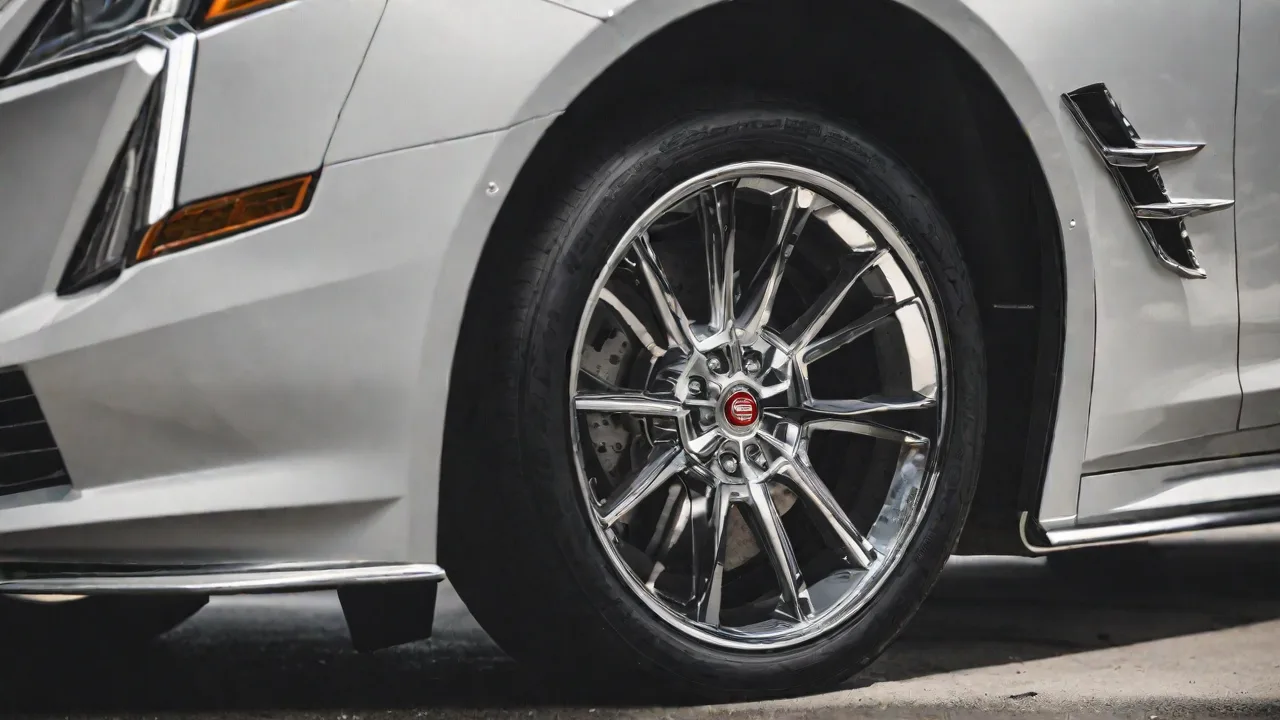
Best Practices for Maintaining High-performance Cadillac Brakes in Nashville
Why High-Performance Brake Maintenance Matters in Nashville
Nashville’s driving conditions put unique demands on a Cadillac’s braking system. From the steep grades of the Harpeth Hills to the stop-and-go crawl on I-440 and the sudden braking required during Music City’s unpredictable weather, high-performance brakes must deliver consistent stopping power. Cadillac models like the CT4-V Blackwing, CT5-V Blackwing, and Escalade-V rely on advanced brake components—often with larger rotors, multi-piston calipers, and specialized friction materials. Without proper care, even these premium systems can suffer from reduced performance, premature wear, or safety-compromising fade. Following a structured maintenance routine not only preserves your brake’s capability but also protects your investment and ensures you stay safe on every Nashville drive.
Routine Inspection and Maintenance
Regular inspections form the backbone of any high-performance brake care plan. In a city where road salt can appear overnight in winter and dust accumulates quickly on dry summer roads, visual checks and professional assessments catch developing issues before they turn into costly repairs. Aim for a thorough inspection every 6,000 miles or at each oil change, and schedule a professional brake system evaluation at least once a year.
What to Check During Inspections
- Brake pad thickness – Replace pads when they reach 3–4 mm of remaining material. For track use or aggressive driving, consider earlier replacement.
- Rotor condition – Look for scoring, cracking, or warp marks. Measure rotor thickness with a micrometer to detect variation beyond manufacturer specs.
- Brake fluid level and quality – Low fluid can indicate worn pads or a leak. Test fluid for moisture content using a tester; replace if it exceeds 3% water.
- Brake lines and hoses – Inspect for cracks, bulges, or rub points. Steel-braided lines are common on high-performance builds and require careful inspection for fraying.
- Calipers and slide pins – Ensure calipers move freely and slide pins are lubricated. Sticking calipers cause uneven pad wear and heat buildup.
- ABS sensors and tone rings – Dirt or damage can trigger warning lights and affect stability control. Clean sensor tips gently during brake service.
High-performance brakes often generate more dust, which can accumulate in caliper crevices and on rotors. Use a dedicated brake dust cleaner and a soft brush to remove debris during inspections. If you’re not comfortable performing these checks yourself, a shop experienced with Cadillac V‑Series or performance brakes can handle the work—Nashville has several specialists that know the nuances of these systems.
Seasonal Inspection Tips for Nashville Drivers
Tennessee’s weather shifts can accelerate wear. After winter months, check for rust on rotor friction surfaces and on any exposed hardware. Road salt can corrode brake lines and caliper pistons, so a spring inspection is especially valuable. In summer, heat and humidity put stress on brake fluid; have its condition tested before any long road trips or track days.
Choosing the Right Brake Components
High-performance brakes demand precision-engineered parts. Using generic or low-quality replacements compromises stopping distance and can introduce noise, vibration, or uneven wear. For your Cadillac, you have two primary paths: OEM components or premium aftermarket upgrades.
OEM vs. Performance Aftermarket Parts
- OEM (Original Equipment Manufacturer) parts – These match the factory specifications exactly. They deliver predictable, balanced braking for daily driving and are ideal if you want to maintain warranty compliance or a stock feel. Cadillac dealers in Nashville stock OEM pads and rotors for all V‑Series models.
- Performance aftermarket parts – Brands like Brembo, Hawk, and StopTech offer pads with higher friction coefficients, rotors with improved heat dissipation (drilled, slotted, or two-piece designs), and fluid that withstands higher temperatures. These upgrades are excellent for spirited driving, track days, or towing heavy loads in and around Nashville.
When mixing components (e.g., aftermarket pads with OEM rotors), verify compatibility with your specific Cadillac model. Improper pairing can lead to noise, reduced performance, or rapid wear.
Selecting Brake Pads
Pad material directly affects stopping power, dust, and noise. For daily-driven Cadillacs in Nashville:
- Ceramic pads – Low dust, quiet operation, and good cold performance. Ideal for stop-and-go traffic and highway cruising. Some high-performance ceramic blends (like Hawk Performance Ceramic) add bite for sporty driving without sacrificing comfort.
- Semi-metallic pads – Higher friction and better heat management, but produce more dust and can be noisier. Best for track use or aggressive street driving. Many V‑Series owners prefer semi-metallic pads for the extra stopping authority.
- Carbon‑metallic or carbon‑ceramic – Found on top-tier supercars; aftermarket options exist for Cadillac V‑models. Extremely high performance but expensive and require proper bedding-in.
For a balanced Nashville driving mix—commuting, some back roads, and the occasional mountain cruise—a high-quality ceramic or hybrid pad from a reputable brand works well.
Brake Rotors
Rotors must be able to shed heat quickly. Drilled or slotted rotors help reduce gas buildup and keep the pad surface clean. Cadillac’s factory performance rotors are often one‑piece cast with drilled holes. Upgrading to a two‑piece rotor (with an aluminum hub) reduces unsprung weight and improves thermal management. Always measure rotor thickness at every pad change, and never machine a rotor below the minimum thickness marking.
Brake Fluid Selection and Maintenance
Brake fluid is a hydraulic fluid that absorbs moisture over time. In a high-performance system, moisture lowers the boiling point, leading to brake fade under hard use—a dangerous situation on Nashville’s hills or during emergency stops.
- DOT 3 and DOT 4 – Standard for most production cars. DOT 4 has a higher dry boiling point (around 230°C) and is recommended for all Cadillac V‑Series models.
- DOT 5.1 – A non‑silicon based fluid with a very high boiling point (typically >260°C). Ideal for track use or if you frequently drive in hilly terrain. It is compatible with DOT 3 and DOT 4 systems.
- DOT 5 – Silicon‑based and purple in color. Do NOT use it in ABS systems; it can cause valve damage and is not recommended for modern Cadillacs.
Change brake fluid every two years or immediately if you suspect moisture contamination. For high-performance driving, some owners flush the system annually and use a fluid with a higher wet boiling point (above 180°C). Reputable brands like Motul, Castrol, or StopTech offer high-performance fluids easy to find through Nashville auto parts retailers or online.
Driving Habits That Preserve Brake Life
Your driving style has a direct impact on how long your high-performance brakes last. Smooth, anticipatory driving reduces heat cycles and mechanical stress.
Practical Tips for Nashville Roads
- Brake early and gently – Look ahead and modulate the pedal rather than stomping at the last second. This is especially helpful in congested areas like downtown Nashville or along the I‑65 corridor.
- Use engine braking – On downhill stretches (e.g., on I‑40 West into the Harpeth River valley), downshift to let engine compression assist slowing. This takes load off the pads and rotors.
- Avoid riding the brakes – Keep your left foot off the pedal except when intentionally braking. Constant light pressure keeps pads lightly contacting the rotor, generating unnecessary heat and wear.
- Let the brakes cool after hard use – After a spirited run or track laps, drive at moderate speed for a few minutes without heavy braking, then park without setting the handbrake immediately. This prevents pad material from transferring unevenly to the rotor.
- Bed in new pads or rotors properly – Follow the manufacturer’s bedding procedure (a series of moderate-to‑heavy stops from medium speed). A proper bed‑in ensures even pad transfer and reduces the chance of noise or vibration later.
Environmental Considerations for Nashville Brakes
Nashville’s climate is humid subtropical, meaning heat, humidity, and occasional winter ice. All three can affect brake performance.
- Corrosion prevention – Road salt used during Nashville’s infrequent snow events can cause rust on rotors and caliper hardware. Wash your Cadillac’s undercarriage after salt exposure. Apply anti‑seize to caliper bolts and slide pins (avoid contact with friction surfaces).
- Moisture absorption – High humidity accelerates moisture uptake in brake fluid. Test fluid frequently in summer; consider annual flushing if you drive daily.
- Debris accumulation – Leaves, mud, and road grit can pack into brake dust shields and around calipers. Clean these areas during routine washes.
- Storage – If your Cadillac sits for extended periods, store it in a dry garage. Rotor surface rust will develop after a few days in humid air, but it usually clears after the first few stops. If rust is deep or flaking, have rotors inspected.
Signs Your Cadillac Brakes Need Service
Recognizing early warning signs prevents minor issues from escalating into expensive rotor or caliper replacements.
- Squealing or squeaking – Often indicates wear indicator contact, but can also be due to pad material or dust. If persistent, have brakes inspected.
- Grinding noise – Metal‑to‑metal contact means pads are completely worn. Stop driving immediately and have the system serviced.
- Pulsation through the pedal – Usually a sign of rotor thickness variation (warping). Resurfacing or replacement is needed.
- Spongy or sinking brake pedal – Could be air in the lines or a fluid leak. Inspect hydraulic system.
- Increased stopping distance – Worn pads, low fluid, or fading brakes. Visit a mechanic promptly.
- Brake warning light on dashboard – May indicate low fluid, worn pads, or a system fault. Use an OBD scanner or visit a shop.
Professional Brake Service in Nashville
While DIY maintenance is possible for many owners, high-performance brakes often require specialized tools (torque wrenches, caliper compression tools, and fluid pressure bleeder). A trained technician can also inspect for hidden issues like seized caliper guide pins or cracked brake lines.
Nashville hosts several dealers and independent shops that know Cadillac V‑Series and performance braking systems. Local resources include authorized Cadillac dealerships for OEM service, and specialty performance shops that handle aftermarket upgrades. When selecting a shop, ask about their experience with Brembo or high‑performance brake systems, and whether they routinely use brake fluid testers and rotor micrometers.
If you track your Cadillac at the Music City Motorplex or enjoy mountain driving on Natchez Trace Parkway, consider a dedicated “track‑prep” inspection before each event. Some Nashville clubs and forums organize group events where you can learn brake inspection tips from experienced owners.
Conclusion
Maintaining high-performance brakes on your Cadillac in Nashville requires a proactive approach: regular inspections, quality OEM or performance aftermarket components, proper fluid selection and changes, and driving habits that respect the system’s limits. By integrating these practices into your vehicle care routine, you ensure reliable, fade‑resistant stopping power whether you’re navigating a downtown rush hour, cruising on the interstate, or exploring Tennessee’s scenic roads. For the best results, combine DIY awareness with professional service from a Cadillac‑knowledgeable shop. Your brakes—and your safety—will thank you.