Table of Contents
Crate Engine Buying Guide: What to Look For When Choosing the Right Engine for Your Vehicle
Thinking about upgrading or swapping out your engine? A crate engine might just be the ticket. These fully assembled powerplants arrive ready to drop in, eliminating months of machine shop work and assembly headaches. But with options ranging from $3,000 economy rebuilds to $50,000 race motors, choosing the right crate engine requires understanding your needs, budget, and vehicle requirements.
The crate engine market has exploded in recent years, with manufacturers offering everything from exact factory replacements to wild 1,000+ horsepower monsters. Whether you’re resurrecting a classic, building a track weapon, or just need reliable daily driver power, this guide will help you navigate the options and avoid expensive mistakes.
Understanding Crate Engines
When you need a new engine, understanding what crate engines offer versus other options helps you make the smartest choice for your project.
What Is a Crate Engine?
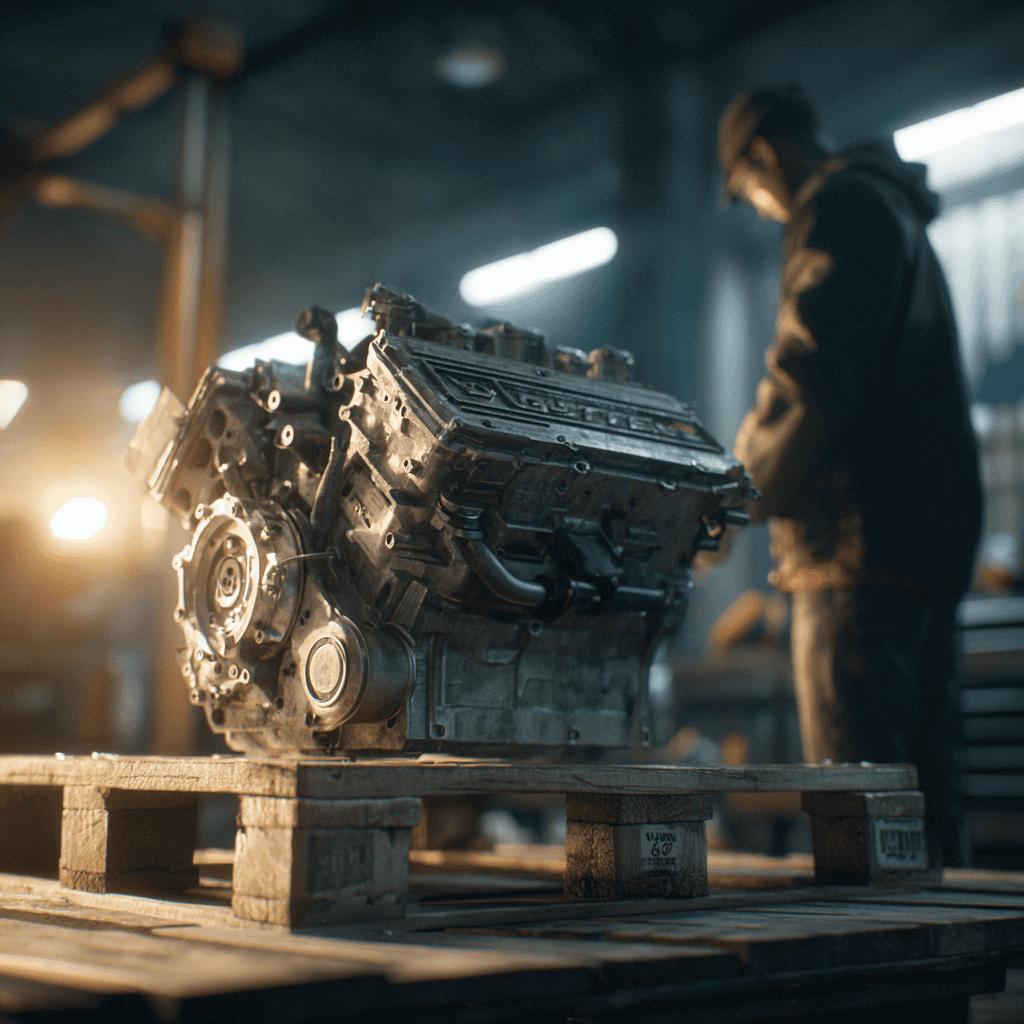
A crate engine is a fully assembled, brand-new engine sold ready to install. It arrives in a wooden crate (hence the name) with all internal components assembled, tested, and protected for shipping. Unlike junkyard pulls or rebuilt motors, every part is new, from bearings to valve springs.
What’s Typically Included:
- Complete rotating assembly (crank, rods, pistons)
- Cylinder heads with valvetrain
- Camshaft and timing components
- Oil pan and pickup
- Valve covers
- Intake manifold (sometimes)
- Ignition system (varies)
- Accessories (rarely)
What You Usually Add:
- Carburetor or fuel injection
- Exhaust manifolds/headers
- Alternator and starter
- Power steering pump
- A/C compressor
- Flywheel/flexplate
- Engine mounts
Evolution of the Crate Engine Market
The crate engine concept started with racers who needed consistent, reliable power without spending weeks building motors. GM legitimized the market in the 1990s with their ZZ-series small blocks, and now every major manufacturer offers crate options.
Modern Market Segments:
- OEM Direct Replacement: Factory-spec engines from manufacturers
- Performance Aftermarket: Blueprint, ATK, Jasper upgraded builds
- Boutique Builders: Custom shops offering personalized options
- Racing Specialists: Purpose-built competition engines
- LS/Modern Swap: Engines designed for transplanting into older vehicles
Types of Crate Engines
Understanding the different categories helps narrow your search immediately.
Stock Replacement Engines
Designed to match original specifications exactly:
- Same power output as factory
- Direct bolt-in replacement
- Emissions compliant for year/model
- Maintains stock driveability
- Warranty-friendly option
- Price range: $2,500-$6,000
Best For: Daily drivers, restorations to original specs, warranty concerns
Mild Performance Engines
Factory architecture with sensible upgrades:
- 20-30% more power than stock
- Better cam profiles
- Improved cylinder heads
- Stronger rotating assembly
- Street-friendly manners
- Price range: $4,000-$8,000
Best For: Street/strip cars, improved daily drivers, mild restorations
High Performance Street Engines
Serious power while maintaining street manners:
- 50-100% over stock power
- Forged internals
- Aluminum heads
- Aggressive cam profiles
- Premium components throughout
- Price range: $7,000-$15,000
Best For: Hot rods, pro-touring builds, serious street cars
Race Engines
Competition-only powerplants:
- Maximum power output
- Exotic materials and coatings
- Tight clearances requiring warm-up
- High-maintenance requirements
- Limited lifespan (rebuild intervals)
- Price range: $15,000-$50,000+
Best For: Dedicated race cars, not street legal or practical
Crate Engine vs. Rebuild vs. Junkyard
Each option has distinct advantages and drawbacks.
Crate Engine Pros and Cons
Advantages:
- All new parts with warranty
- Known quality and specifications
- Quick installation (days vs weeks)
- No machine shop delays
- Consistent, documented performance
- Often dyno tested
Disadvantages:
- Higher upfront cost
- Less customization flexibility
- May include unnecessary upgrades
- Shipping costs and risks
Rebuild Pros and Cons
Advantages:
- Keep numbers-matching block
- Customize to exact needs
- Potentially lower cost
- Learn about your engine
- Use existing external parts
Disadvantages:
- Unknown core condition
- Machine shop delays common
- Hidden damage risks
- Labor intensive if DIY
- Warranty limitations
Junkyard Engine Pros and Cons
Advantages:
- Lowest upfront cost
- Quick availability
- Complete with accessories
- Good for temporary fixes
Disadvantages:
- Unknown history/condition
- No warranty typically
- May need immediate rebuild
- Mileage and wear unknown
- Compatibility questions
Crate Engine Buying Guide: Key Performance Factors to Consider
When picking a crate engine, understanding these specifications determines whether you’ll love or hate your choice.
Power Output Specifications
Understanding Horsepower Types
Not all horsepower ratings are equal:
Gross HP: Tested without accessories, open exhaust Net HP: Tested with all accessories, full exhaust Wheel HP: Actual power at the tires (15-20% less than crank) Corrected HP: Adjusted for temperature/altitude
Most crate engines advertise gross HP, so expect 15-20% less at the wheels in real-world conditions.
Torque Characteristics
Torque determines how the engine feels:
Peak Torque RPM:
- Under 3,000 RPM: Great for towing/trucks
- 3,000-4,500 RPM: Street-friendly
- 4,500-6,000 RPM: Performance street
- Over 6,000 RPM: Race-oriented
Torque Curve Shape:
- Flat curve: Predictable, easy to drive
- Peaky curve: Exciting but demanding
- Early torque: Better for heavy vehicles
- Late torque: Better for light cars
Engine Configurations
Short Block vs. Long Block vs. Turn-Key
Short Block Includes:
- Block
- Rotating assembly (crank, rods, pistons)
- Camshaft (sometimes)
- Timing set (sometimes)
- Price: Base level
- You Add: Heads, valvetrain, intake, everything external
Long Block Includes:
- Everything in short block
- Cylinder heads
- Valvetrain
- Timing cover
- Oil pan
- Valve covers
- Price: 30-50% more than short block
- You Add: Intake, carburetor/injection, accessories
Turn-Key/Complete Includes:
- Everything in long block
- Intake manifold
- Carburetor or injection
- Ignition system
- Sometimes accessories
- Price: 50-100% more than short block
- You Add: Very little, mostly bolt-in
Displacement Decisions
Bigger isn’t always better:
Small Displacement (Under 350ci/5.7L):
- Higher RPM capability
- Better fuel economy
- Lighter weight
- Less low-end torque
- Cheaper to build/buy
Medium Displacement (350-450ci/5.7-7.4L):
- Best all-around choice
- Good torque and RPM range
- Wide parts availability
- Fits most engine bays
- Proven combinations
Large Displacement (Over 450ci/7.4L):
- Maximum torque
- Lower RPM operation
- Requires strong drivetrain
- Fitment challenges
- Higher fuel consumption
Internal Component Quality
The guts determine longevity and power potential.
Rotating Assembly Materials
Cast Components:
- Adequate for stock rebuilds
- Good to 400-450 HP typically
- Lower cost
- Fine for street use
Hypereutectic Pistons:
- Stronger than cast
- Good to 500-550 HP
- Better ring seal
- Moderate price increase
Forged Components:
- Handle 600+ HP reliably
- Better for boost/nitrous
- Lighter options available
- Significant price premium
Billet Components:
- Ultimate strength
- Race-only typically
- Custom specifications
- Highest cost
Cylinder Head Selection
Heads make the power, more than any other component:
Iron Heads:
- Durable and affordable
- Good for moderate builds
- Heavy (affects handling)
- Limited flow potential
Aluminum Heads:
- 40-50 lbs weight savings
- Better heat dissipation
- Higher flow potential
- More expensive
- Can warp if overheated
CNC-Ported Heads:
- Maximum flow rates
- Consistent port volumes
- Professional quality
- Significant cost increase
Camshaft Profiles
The cam determines engine character more than any other component:
Duration Ranges
Stock-style (190-210° @ .050″):
- Smooth idle
- Good vacuum
- Excellent street manners
- Works with stock converter
Mild Performance (210-230° @ .050″):
- Slightly rough idle
- Decent vacuum
- Good street/strip
- May need converter upgrade
Hot Street (230-250° @ .050″):
- Noticeable lope
- Reduced vacuum
- Requires gear/converter
- Not emissions legal usually
Race (250°+ @ .050″):
- Aggressive idle
- Poor vacuum
- High stall converter required
- Race-only application
Evaluating Quality and Compatibility
When shopping for a crate engine, quality and fitment determine success or failure.
Manufacturer Reputation
Tier 1: OEM Manufacturers
General Motors Performance:
- Extensive crate catalog
- Proven combinations
- Excellent warranty
- Higher prices
- Connect & Cruise packages
Ford Performance:
- Coyote and Windsor options
- Racing heritage
- Good documentation
- Limited classic options
Mopar Performance:
- Hellcat crate engines
- Gen III Hemi options
- Limited small block selection
- Premium pricing
Tier 2: Major Aftermarket
Blueprint Engines:
- Great value proposition
- 30-month warranty
- Dyno tested
- Wide selection
- Good customer service
ATK High Performance:
- Remanufactured specialist
- Affordable options
- Good warranty
- Mixed reviews on quality
Edelbrock/Musi:
- E-Force supercharged options
- Quality components
- Performance focused
- Premium pricing
Tier 3: Boutique Builders
Shafiroff Racing:
- Race engine specialist
- Custom options
- Excellent reputation
- Very expensive
Steve Schmidt Racing:
- LS specialists
- Proven combinations
- Race-winning history
- Long wait times
Fitment Considerations
An engine that doesn’t fit is expensive yard art.
Physical Clearances
Measure Everything:
- Hood clearance (including air cleaner)
- Firewall clearance
- Steering box/rack clearance
- Header/manifold room
- Oil pan to crossmember
- Distributor to firewall (if applicable)
Common Interference Points:
- Tall intake manifolds hit hoods
- Wide valve covers hit brake boosters
- Deep oil pans hit crossmembers
- Long blocks hit radiators
System Compatibility
Transmission Matching:
- Bolt pattern compatibility
- Input shaft engagement
- Torque capacity
- Computer control (modern)
- Torque converter stall (automatic)
Cooling System:
- Radiator capacity sufficient?
- Water pump rotation direction
- Hose routing changes
- Fan clearance issues
- Overflow tank placement
Electrical Integration:
- Alternator output adequate?
- Starter engagement proper?
- Computer control requirements
- Sensor compatibility
- Wiring harness needs
Documentation and Support
Good documentation saves countless hours.
What to Expect
Quality Manufacturers Provide:
- Detailed specification sheets
- Dyno test results
- Installation instructions
- Torque specifications
- Break-in procedures
- Warranty terms
- Technical support contact
Red Flags:
- No dyno sheets
- Vague specifications
- No warranty details
- Poor communication
- No technical support
- Hidden fees
Making a Smart Purchase
Knowing what protects your investment and understanding true costs leads to satisfaction, not regret.
Warranty Considerations
Coverage Types
Parts-Only Warranty:
- Covers defective components
- You pay labor
- You handle removal/shipping
- Typical for budget options
Parts and Labor Warranty:
- Covers parts and installation
- Dollar limit usually applies
- Specific shop requirements
- Better protection
Performance Warranty:
- Guarantees power output
- Requires dyno verification
- Premium option
- Rare but valuable
Warranty Duration
Industry Standards:
- Budget engines: 12 months/12,000 miles
- Quality rebuilds: 24 months/24,000 miles
- Premium crates: 24-36 months/unlimited miles
- Race engines: Often no warranty
What Voids Warranties
Common Violations:
- Improper break-in
- Wrong oil type/weight
- Overheating incidents
- Detonation damage
- Nitrous/boost (unless rated)
- Racing/competition use
- Modification of components
True Cost Analysis
The engine price is just the beginning.
Complete Installation Budget
Base Engine Cost: $5,000 (example)
Required Additions:
- Carburetor/EFI: $500-2,000
- Headers/exhaust: $500-1,500
- Accessories: $500-1,000
- Flywheel: $200-500
- Fluids: $150-300
Installation Costs:
- Labor (if not DIY): $1,500-3,000
- Motor mounts: $100-500
- Miscellaneous parts: $500-1,000
- Tuning: $500-1,000
Potential Surprises:
- Transmission upgrade needed: $2,000+
- Cooling system upgrade: $500-1,500
- Fuel system upgrade: $500-2,000
- Electrical upgrades: $500-1,500
Real Total: $12,000-20,000 (not $5,000)
Value Propositions
Best Value Sweet Spots:
$3,000-5,000 Range:
- Stock replacements
- Mild performance upgrades
- Name-brand rebuilds
- Good warranty coverage
$6,000-10,000 Range:
- Serious street performance
- Forged internals
- Aluminum heads
- Proven combinations
$10,000+ Range:
- Diminishing returns for street
- Race-specific features
- Exotic materials
- Custom options
Where to Buy
Different sources offer different advantages.
Direct from Manufacturer
Pros:
- Full warranty
- Latest versions
- Technical support
- Genuine parts
Cons:
- Highest prices
- Limited negotiation
- Shipping costs
- Wait times
Performance Retailers
Summit Racing, Jegs, etc.
Pros:
- Competitive pricing
- Multiple brands
- Fast shipping
- Return policies
- Customer reviews
Cons:
- Limited technical support
- Shipping damage risk
- No local presence
Local Engine Builders
Pros:
- Local support
- Installation available
- Customization options
- Relationship building
Cons:
- Higher prices typically
- Limited selection
- Quality varies
- Warranty concerns
Installation and Break-In
Proper installation and break-in determine engine longevity.
Pre-Installation Checklist
Component Verification
Before Installation:
- Rotate engine by hand
- Check oil pressure (priming)
- Verify timing marks
- Inspect for damage
- Check all plugs/galley plugs
- Verify cam timing
- Document everything
Supporting Systems
Upgrade or Verify:
- Fuel system capacity (pump, lines, regulator)
- Cooling capacity (radiator, fans)
- Exhaust flow (headers, pipes, mufflers)
- Ignition system (coils, wires, plugs)
- Motor mounts condition
- Transmission capacity
Break-In Procedures
First 20 Minutes (Critical for flat-tappet cams):
- Run at 2,000-2,500 RPM
- Vary RPM slightly
- Monitor oil pressure
- Check for leaks
- Watch temperature
First 500 Miles:
- Vary RPM constantly
- No sustained high RPM
- No heavy loads
- Change oil at 500 miles
- Check valve lash (if adjustable)
500-1,500 Miles:
- Gradually increase loads
- Short full-throttle runs OK
- Continue varying RPM
- Second oil change at 1,500
After 1,500 Miles:
- Full power approved
- Normal oil change intervals
- Retorque heads (if specified)
- Enjoy your engine!
Common Crate Engine Mistakes
Learn from others’ expensive errors.
Selection Mistakes
- Overcamming: Too much cam kills street manners
- Mismatched compression: Requires race gas unnecessarily
- Wrong firing order: Some engines differ
- Ignoring altitude: High altitude needs different specs
- Chasing dyno numbers: Peak HP isn’t everything
Installation Mistakes
- Old fuel system: Can’t support new power
- Stock cooling: Overheating guaranteed
- Wrong torque converter: Kills performance
- Weak transmission: Expensive failure coming
- Poor tune: Leaves power on table or causes damage
Support System Mistakes
- Undersized exhaust: Chokes power
- Weak ignition: Misfires under load
- Small radiator: Overheating issues
- Stock fuel pump: Lean condition danger
- Original motor mounts: Can’t handle torque
Future Considerations
Think beyond the initial installation.
Maintenance Requirements
Ongoing Costs:
- Oil changes (quality oil required): $75-150
- Valve adjustments (solid lifters): $200-400
- Tune-ups more frequent
- Premium fuel often required
- Cooling system maintenance critical
Upgrade Path
Plan for Future Mods:
- Will you add boost later?
- Planning nitrous?
- Gear ratio changes coming?
- Transmission upgrade needed?
- Chassis can handle more power?
Buy accordingly:
- Forged internals if boost planned
- Lower compression if nitrous coming
- Stronger bottom end for future
Conclusion: Making the Right Choice
Choosing the right crate engine transforms your project from dream to reality, but success requires more than just picking the highest horsepower number. Consider your real-world usage, complete system requirements, and long-term plans. A mild 400hp engine you can drive anywhere beats a temperamental 600hp monster that’s always broken.
Remember that the advertised price is just the beginning—budget for the complete installation including all supporting modifications. Quality manufacturers with strong warranties cost more upfront but save money and frustration long-term. Don’t let horsepower fever cloud your judgment; choose an engine that matches your skills, budget, and intended use.
Take time to research thoroughly, ask questions, and learn from others’ experiences with similar combinations. The right crate engine, properly installed and maintained, will provide years of reliable performance and enjoyment. The wrong choice becomes an expensive lesson in why preparation matters.
Additional Resources
For detailed engine specifications and comparisons, visit Summit Racing’s Engine Finder. The LS Engine Swap Planning Guide from GM provides excellent technical information for modern engine swaps.
Choose wisely, install correctly, and enjoy the rumble of your new powerplant.