Table of Contents
Converting a gas-powered vehicle to electric represents one of the most ambitious automotive projects you can undertake. The transformation from internal combustion to electric propulsion involves mechanical engineering, electrical systems, software integration, and often, a healthy dose of problem-solving creativity. The timeline for completing an EV conversion varies dramatically—from as little as three months for professional shops to over two years for ambitious DIY builders tackling their first project.
Understanding realistic timelines is crucial for project planning, budget management, and maintaining motivation throughout the conversion process. Too many enthusiasts dive into EV conversions with unrealistic expectations, leading to abandoned projects gathering dust in garages across the country. This comprehensive guide provides honest, detailed timelines for every phase of the conversion process, helping you set achievable goals and complete your electric vehicle transformation successfully.
Understanding EV Conversion Complexity
Before examining specific timelines, it's essential to understand what makes EV conversions time-intensive projects.
The Scope of an EV Conversion
An EV conversion isn't simply swapping an engine for a motor. It's a complete reimagining of the vehicle's propulsion, control, and energy systems. The process involves:
Mechanical Systems:
- Removing entire ICE drivetrain components
- Fabricating motor mounts and adapters
- Modifying or replacing transmission systems
- Reinforcing chassis for battery weight
- Upgrading suspension and brakes
Electrical Systems:
- High-voltage battery integration (400-800V typically)
- Motor controller installation and programming
- DC-DC converter for 12V systems
- Charging system implementation
- Complete vehicle rewiring
Control Systems:
- Throttle position sensor integration
- Regenerative braking calibration
- Battery management system configuration
- Dashboard and gauge modifications
- Safety interlock systems
Regulatory Compliance:
- Meeting safety standards
- Passing inspections
- Registration changes
- Insurance considerations
- Environmental regulations
Each system requires careful planning, precise execution, and thorough testing—all contributing to the overall timeline.
Professional vs. DIY Conversions: Time Investment Reality
The approach you choose dramatically affects completion time:
Professional Conversion Shops:
- Timeline: 3-6 months typical
- Daily work: 8+ hours of focused effort
- Total hours: 500-1,000 labor hours
- Advantages: Experience, tools, parts availability
- Cost: $15,000-100,000+ depending on specifications
Experienced DIY Builder:
- Timeline: 6-12 months typical
- Weekly commitment: 15-20 hours
- Total hours: 800-1,500 labor hours
- Advantages: Cost savings, complete control
- Investment: $8,000-30,000 in parts and tools
First-Time DIY Builder:
- Timeline: 12-24+ months common
- Weekly commitment: 10-15 hours
- Total hours: 1,500-3,000 labor hours
- Challenges: Learning curve, troubleshooting, tool acquisition
- Investment: $10,000-40,000 including mistakes
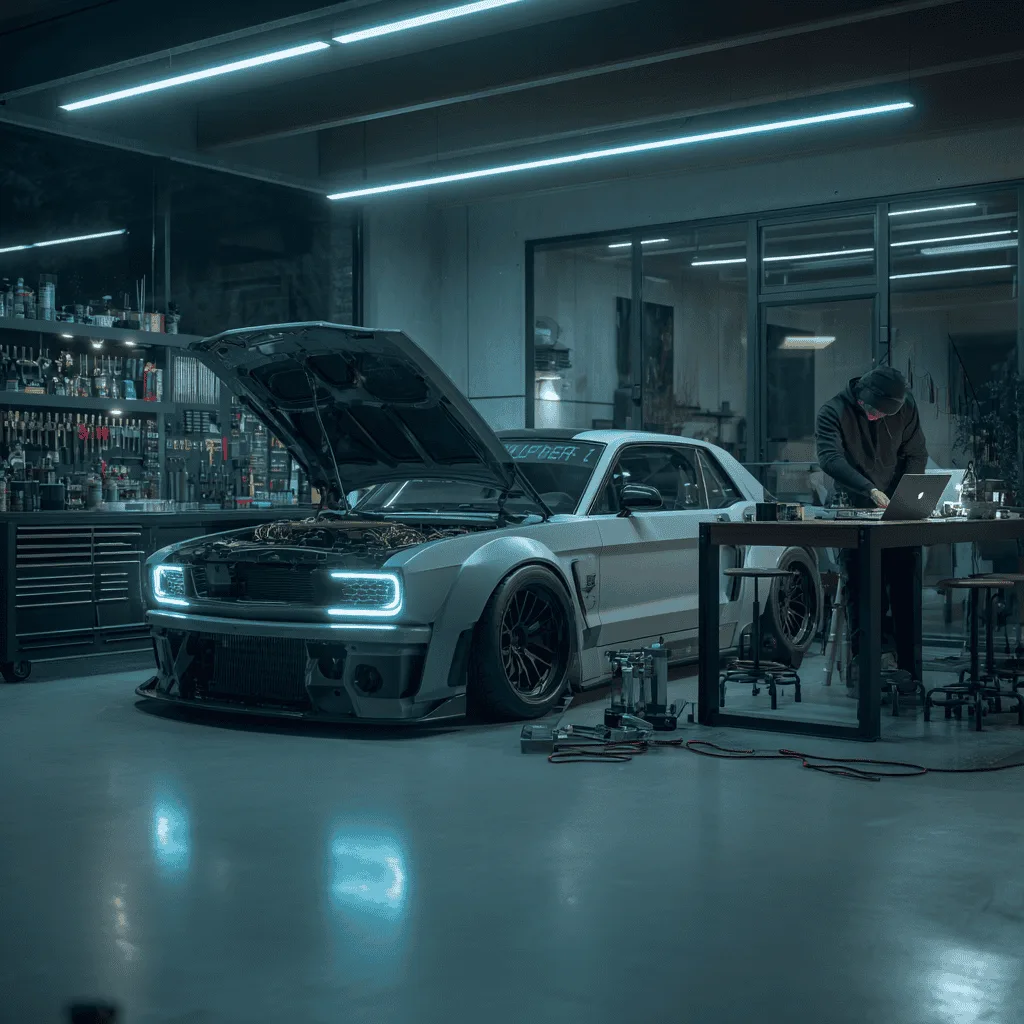
How Long Does an EV Conversion Take? Detailed Phase-by-Phase Timeline Breakdown
Understanding each phase helps set realistic expectations and identify potential bottlenecks.
Phase 1: Research and Planning (1-6 Months)
The foundation of a successful conversion lies in thorough preparation.
Weeks 1-4: Initial Research
- Understanding EV conversion basics
- Joining online forums and communities
- Reading build threads and guides
- Watching tutorial videos
- Attending EV meetups or shows
Weeks 5-8: Vehicle Selection
- Evaluating potential donor vehicles
- Researching conversion difficulty by model
- Checking parts availability
- Considering weight and aerodynamics
- Purchasing donor vehicle
Weeks 9-12: Component Selection
- Motor type and size determination
- Battery chemistry and capacity planning
- Controller and BMS selection
- Charger specification
- Auxiliary component listing
Weeks 13-16: Design and Documentation
- Creating conversion plan
- CAD modeling (if custom fabricating)
- Electrical schematic development
- Weight distribution calculations
- Budget finalization
Weeks 17-24: Parts Sourcing (Optional Extended Phase)
- Comparing suppliers and prices
- Waiting for group buys or sales
- International shipping considerations
- Custom part fabrication quotes
- Building parts inventory
Time-Saving Strategies:
- Use proven combinations: Motor/controller packages tested by others
- Buy complete kits: Reduces research from months to weeks
- Choose popular donor vehicles: More documentation available
- Join group purchases: Save money but add wait time
Phase 2: Vehicle Preparation (2-8 Weeks)
Properly preparing the donor vehicle sets the stage for component installation.
Week 1: Initial Assessment
- Complete vehicle inspection
- Documentation of existing systems
- Photography for reference
- Creating removal checklist
- Workspace organization
Weeks 2-3: ICE Component Removal
- Engine and transmission removal (if applicable)
- Exhaust system extraction
- Fuel system removal
- Radiator and cooling systems
- Air conditioning components (if not retaining)
Weeks 4-5: Deep Cleaning and Inspection
- Engine bay degreasing
- Rust treatment and prevention
- Chassis inspection
- Suspension assessment
- Brake system evaluation
Weeks 6-8: Preliminary Modifications
- Cutting unnecessary brackets
- Welding mounting points
- Reinforcing battery locations
- Running preliminary wiring conduits
- Weight reduction modifications
Variables Affecting Timeline:
- Vehicle complexity: Modern cars take longer than classics
- Rust or damage: Can add weeks for repairs
- Tool availability: Proper lifts and hoists save significant time
- Experience level: First-time removals take 3x longer
Phase 3: Motor and Transmission Installation (4-12 Weeks)
The heart of the conversion requires precision and often custom fabrication.
Weeks 1-2: Motor Mount Fabrication
- Measuring and designing mounts
- Material selection and ordering
- Fabrication or machining
- Test fitting and adjustment
- Final mounting preparation
Weeks 3-4: Motor Installation
- Motor positioning and alignment
- Mount installation and securing
- Coupling to transmission (if retained)
- Driveshaft modifications
- Initial mechanical testing
Weeks 5-6: Controller Mounting
- Location selection for cooling
- Bracket fabrication
- Mounting and securing
- Cooling system integration
- Physical protection measures
Weeks 7-8: Drive System Integration
- Halfshaft or driveshaft verification
- CV joint inspection/replacement
- Differential compatibility check
- Test rotation without power
- Alignment verification
Weeks 9-12: Troubleshooting Buffer
- Addressing alignment issues
- Resolving clearance problems
- Vibration diagnosis
- Custom part refinement
- Professional consultation if needed
Common Delays:
- Custom adapter plates: 2-6 week fabrication time
- Transmission compatibility: May require different unit
- Clearance issues: Demand creative solutions
- Alignment problems: Professional help may be needed
Phase 4: Battery System Installation (4-16 Weeks)
The most complex and safety-critical phase of the conversion.
Weeks 1-4: Battery Box Design and Fabrication
- Structural design and analysis
- Material procurement
- Fabrication or assembly
- Mounting system creation
- Weatherproofing and ventilation
Weeks 5-8: Cell Configuration and Assembly
- Cell testing and matching
- Series/parallel configuration
- Physical assembly and securing
- Connection system installation
- Initial balance charging
Weeks 9-10: BMS Installation
- Sensor wire routing
- Temperature probe placement
- Communication wiring
- Programming and configuration
- Protection circuit testing
Weeks 11-12: Safety Systems
- Contactors and pre-charge circuits
- Emergency disconnect installation
- Fusing and circuit protection
- Ground fault detection
- Isolation monitoring
Weeks 13-16: Integration and Testing
- High-voltage cable routing
- Connector installation
- Insulation testing
- Charging system integration
- Comprehensive safety checks
Critical Considerations:
- Safety cannot be rushed: Every connection must be perfect
- Testing takes time: Each stage requires validation
- BMS programming: Can take weeks to optimize
- Thermal management: Often requires iteration
Phase 5: Electrical System Integration (4-16 Weeks)
The nervous system of your EV requires meticulous attention to detail.
Weeks 1-2: Low-Voltage System
- DC-DC converter installation
- 12V battery placement
- Accessory power distribution
- Lighting system verification
- Stock system integration
Weeks 3-6: Control System Wiring
- Throttle pedal installation
- Position sensor calibration
- Controller signal wiring
- Safety interlock wiring
- Regeneration controls
Weeks 7-10: Charging System
- Onboard charger mounting
- AC input wiring
- Charge port installation
- J1772 or other standard compliance
- Ground fault protection
Weeks 11-14: Instrumentation
- Dashboard modifications
- Gauge installation
- Display system integration
- Warning light configuration
- Data logging setup
Weeks 15-16: System Integration
- CAN bus configuration
- Component communication testing
- Error code resolution
- System optimization
- Documentation creation
Common Challenges:
- Electromagnetic interference: Requires careful shielding
- Ground loops: Can cause mysterious problems
- Software conflicts: Between different components
- Connector reliability: Critical for safety
Phase 6: Testing and Debugging (4-24 Weeks)
The phase that separates functional conversions from reliable daily drivers.
Weeks 1-2: Static Testing
- Continuity checks
- Isolation testing
- Protection circuit verification
- Software configuration
- Initial power-up
Weeks 3-4: Low-Power Testing
- First movement tests
- Low-speed maneuvering
- System monitoring
- Thermal imaging
- Data logging analysis
Weeks 5-8: Progressive Road Testing
- Neighborhood driving
- Gradual distance increases
- Performance envelope expansion
- Efficiency measurement
- Issue documentation
Weeks 9-16: Optimization Phase
- Parameter tuning
- Efficiency improvements
- Thermal management refinement
- Regeneration calibration
- Range verification
Weeks 17-24: Reliability Validation
- Extended range testing
- Weather condition testing
- Performance consistency
- Charging reliability
- Long-term data collection
Testing Milestones:
- First successful movement
- 10-mile continuous operation
- 100-mile total accumulation
- Full performance testing
- 1,000-mile reliability confirmation
Phase 7: Legal Compliance and Registration (2-12 Weeks)
The often-overlooked phase that can cause significant delays.
Weeks 1-2: Documentation Preparation
- Build documentation assembly
- Receipt organization
- Photo documentation
- Specification sheets
- Professional assessments
Weeks 3-4: Initial Inspection
- Safety inspection scheduling
- Pre-inspection preparation
- Inspection completion
- Issue resolution
- Re-inspection if needed
Weeks 5-8: Registration Process
- DMV paperwork submission
- Title modification
- VIN verification
- Tax assessment
- Plate issuance
Weeks 9-12: Insurance and Final Steps
- Insurance company evaluation
- Policy establishment
- Final documentation
- Registration completion
- Road legal confirmation
Regional Variations:
- California: Strict but clear EV regulations
- Texas: Minimal restrictions but limited guidance
- Northeast states: Variable requirements
- International: Vastly different timelines
Factors That Significantly Impact Timeline
Understanding these variables helps set realistic expectations.
Accelerating Factors
Using Conversion Kits:
- Pre-engineered solutions save 30-50% of time
- Proven component compatibility
- Included documentation and support
- Reduced fabrication requirements
- Examples: EV West, Canadian Electric Vehicles
Choosing Simple Donor Vehicles:
- Best choices: VW Beetle, Mazda Miata, Porsche 914
- Advantages: Documented conversions, parts availability
- Time savings: 3-6 months versus complex vehicles
Professional Assistance:
- Hiring for specific tasks (welding, programming)
- Consultation for design phase
- Inspection preparation assistance
- Can save months of trial and error
Proper Tools and Workspace:
- Vehicle lift: Saves hundreds of hours
- Welding equipment: Enables custom fabrication
- Proper electrical tools: Ensures safety and efficiency
- Climate-controlled space: Enables year-round work
Delaying Factors
Custom Everything Approach:
- Designing unique solutions adds months
- Fabrication iterations consume time
- Testing unproven combinations
- Limited community support
Part Availability Issues:
- International shipping: 4-12 weeks
- Custom fabrication: 2-8 weeks
- Out-of-stock components: Indefinite
- Supply chain disruptions: Increasingly common
Scope Creep:
- Adding features mid-project
- Pursuing perfection over function
- Aesthetic modifications
- Performance upgrades beyond plan
Life Circumstances:
- Work obligations
- Family responsibilities
- Seasonal limitations
- Budget constraints
- Health issues
Real-World Case Studies
Learning from others' experiences provides valuable timeline insights.
Case 1: Professional Shop Conversion (4 Months)
Vehicle: 1969 VW Beetle Shop: EV West Timeline: 16 weeks total
- Planning/Design: 2 weeks
- Disassembly: 1 week
- Motor Installation: 2 weeks
- Battery System: 3 weeks
- Electrical: 3 weeks
- Testing: 3 weeks
- Documentation: 2 weeks
Success Factors:
- Experienced team
- Parts in stock
- Proven design
- Efficient workflow
Case 2: Experienced DIY Builder (8 Months)
Vehicle: 1990 Mazda Miata Builder: Third conversion project Timeline: 32 weeks total
- Research/Planning: 4 weeks
- Disassembly: 2 weeks
- Mechanical: 6 weeks
- Battery: 8 weeks
- Electrical: 6 weeks
- Testing: 4 weeks
- Legal: 2 weeks
Success Factors:
- Previous experience
- Good tool collection
- Network for advice
- Realistic timeline
Case 3: First-Time Builder (18 Months)
Vehicle: 2001 BMW 3-Series Builder: Software engineer, no automotive experience Timeline: 78 weeks total
- Research: 12 weeks
- Disassembly: 4 weeks
- Mechanical: 16 weeks
- Battery: 20 weeks
- Electrical: 16 weeks
- Testing/Debug: 8 weeks
- Legal: 2 weeks
Challenges:
- Complex vehicle choice
- Learning curve
- Multiple redesigns
- Troubleshooting delays
Timeline Optimization Strategies
Maximizing efficiency without compromising safety or quality.
Pre-Project Preparation
Skill Development:
- Basic welding course: Saves fabrication time
- Electrical safety training: Prevents dangerous mistakes
- CAD software familiarity: Improves planning
- Community college automotive courses: Builds confidence
Tool Acquisition:
- Buy or rent specialized tools early
- Invest in quality multimeter and safety equipment
- Consider tool sharing with other builders
- Budget for unexpected tool needs
Project Management Techniques
Parallel Processing:
- Order long-lead items immediately
- Work on multiple systems simultaneously
- Prepare next phase while waiting
- Utilize downtime effectively
Milestone Planning:
- Set weekly goals
- Create decision deadlines
- Build in buffer time
- Celebrate achievements
Documentation Discipline:
- Photograph every step
- Maintain detailed notes
- Create wiring diagrams
- Track time and expenses
Common Timeline Mistakes to Avoid
Underestimating Complexity:
- Research phase too short
- Ignoring hidden tasks
- Optimistic time estimates
- No contingency planning
Perfectionism Paralysis:
- Endless design iterations
- Overthinking simple solutions
- Aesthetic over function
- Delaying testing
Supply Chain Assumptions:
- Not confirming availability
- Single source dependency
- No backup plans
- International shipping delays
Realistic Expectations by Builder Type
Setting appropriate expectations based on your situation.
Professional Shop Customer
Timeline: 3-6 months Investment: $30,000-100,000+ Involvement: Minimal to moderate
Expectations:
- Regular progress updates
- Professional quality results
- Warranty coverage
- Proven reliability
- Legal compliance handled
Weekend Warrior
Timeline: 12-18 months Investment: $15,000-40,000 Weekly commitment: 10-15 hours
Expectations:
- Steady but slow progress
- Learning opportunities
- Some frustration
- Pride in accomplishment
- Community support needed
Full-Time DIY Builder
Timeline: 3-6 months Investment: $12,000-30,000 Daily commitment: 6-8 hours
Expectations:
- Rapid progress possible
- Intensive learning curve
- Tool investment required
- Potential burnout risk
- Quick problem resolution
Student/Educational Project
Timeline: 9-24 months Investment: $8,000-20,000 Schedule: Academic calendar dependent
Expectations:
- Semester-based progress
- Team coordination challenges
- Educational value high
- Budget constraints
- Institutional support
Conclusion: Planning Your EV Conversion Timeline
The journey from gasoline to electric represents a significant undertaking that rewards patience, planning, and persistence. While professional shops can complete conversions in as little as three months, DIY builders should expect 6-24 months depending on experience, complexity, and available time. The key to success lies not in rushing but in setting realistic expectations and maintaining steady progress.
Remember that an EV conversion is more than a mechanical project—it's a learning experience that develops skills in mechanical engineering, electrical systems, project management, and problem-solving. Whether your conversion takes six months or two years, the end result is the same: a unique, environmentally friendly vehicle that showcases your dedication and technical capability.
Start with thorough research, choose an appropriate donor vehicle for your skill level, and don't hesitate to seek help when needed. Join online communities, attend local EV meetups, and learn from others' experiences. Most importantly, enjoy the process. The timeline matters less than completing a safe, reliable conversion that brings you satisfaction every time you silently accelerate past gas stations.
Your EV conversion timeline will be unique to your circumstances, but with proper planning and realistic expectations, you'll join the growing community of successful EV converts who've proven that the future of transportation can be built in your own garage—it just takes time.
Additional Resources
- DIY Electric Car Forums - Largest community of EV converters sharing timelines, challenges, and solutions
- EV West Conversion Calculator - Tools for estimating conversion complexity and component selection
- Endless Sphere Forums - Technical discussions on motors, batteries, and controllers with real-world timeline examples