Table of Contents
Understanding Turbocharger Rotor and Bearing Balance Fundamentals
Turbochargers have become essential components in modern engine systems, delivering increased power output while maintaining fuel efficiency. At the heart of every turbocharger lies a complex assembly of rotors and bearings that operate at extraordinarily high speeds, often exceeding 200,000 revolutions per minute. For industries and automotive professionals in Nashville, mastering the art and science of turbocharger balancing is not merely a technical skill—it represents a critical pathway to maximizing engine performance, extending component lifespan, and reducing operational costs.
The process of balancing turbo rotors and bearings demands precision engineering, specialized equipment, and a thorough understanding of rotational dynamics. When these components fall out of balance, even by microscopic amounts, the resulting vibrations can cascade into serious mechanical problems. Nashville's diverse industrial landscape, from automotive repair shops to heavy equipment maintenance facilities, requires reliable turbocharger performance across numerous applications. This comprehensive guide explores the intricate world of turbocharger balancing, providing actionable insights for achieving peak performance in Music City's demanding operational environments.
The Critical Role of Turbo Rotors in Engine Performance
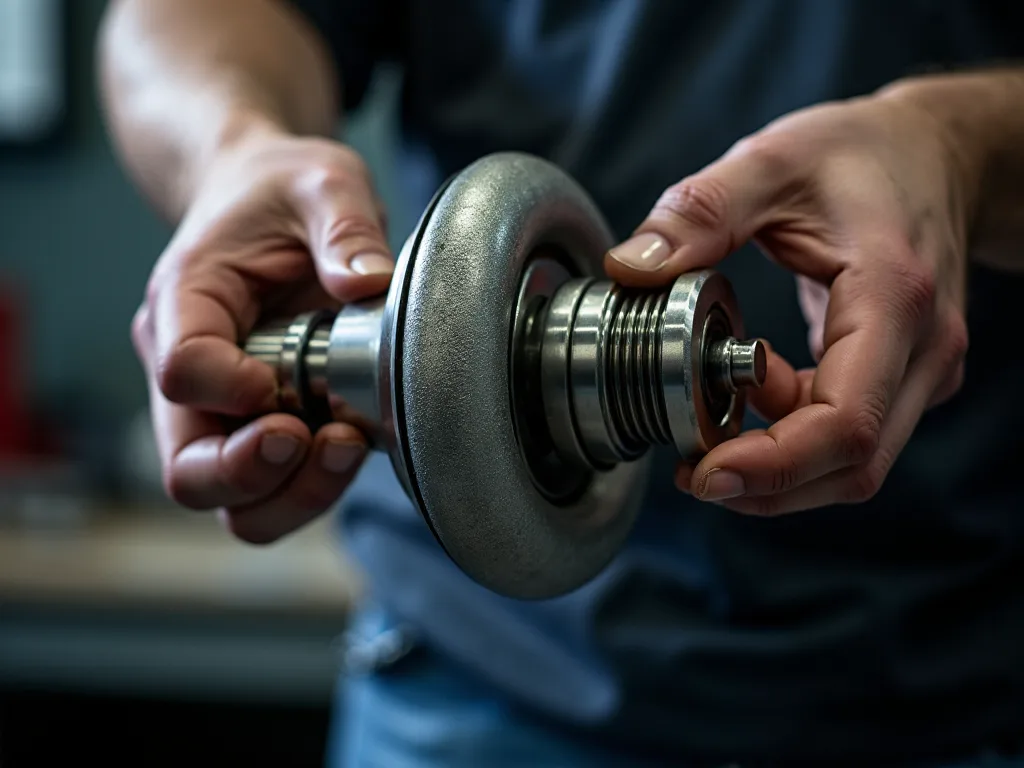
Turbo rotors serve as the powerhouse of forced induction systems, fundamentally transforming how engines generate power. These precision-engineered components consist of two primary elements: the turbine wheel, which harnesses exhaust gas energy, and the compressor wheel, which forces pressurized air into the engine's intake system. The turbine wheel captures the kinetic energy from hot exhaust gases exiting the engine, converting this otherwise wasted energy into rotational motion. This rotation drives the compressor wheel on the opposite end of the shaft, which compresses ambient air before delivering it to the combustion chamber.
The efficiency of this energy conversion process depends entirely on the rotor's ability to spin freely and smoothly at extreme velocities. Modern turbochargers can achieve tip speeds approaching supersonic levels, creating immense centrifugal forces that stress every component. The rotor assembly must maintain perfect balance throughout its operational range, as even minor imperfections become magnified exponentially at high rotational speeds. A rotor imbalance of just a few grams can generate vibration forces equivalent to hundreds of pounds, creating destructive oscillations that propagate throughout the entire turbocharger assembly and connected engine components.
Understanding rotor dynamics requires appreciation for the complex interplay between mass distribution, rotational velocity, and structural integrity. Each rotor possesses a theoretical center of mass that should align perfectly with its axis of rotation. Manufacturing tolerances, material inconsistencies, thermal expansion, and operational wear can all shift this center of mass, creating imbalance conditions. Nashville's climate variations, with hot, humid summers and occasional cold winters, can exacerbate these issues through thermal cycling that affects material properties and dimensional stability.
Bearing Systems: The Foundation of Smooth Rotation
Bearings represent the critical interface between the high-speed rotor assembly and the stationary turbocharger housing. These precision components must simultaneously support radial and axial loads while permitting virtually frictionless rotation at extreme speeds. Most modern turbochargers employ one of two bearing technologies: traditional journal bearings that use pressurized oil films, or advanced ball bearing systems that provide mechanical support through precision-ground spheres.
Journal bearings, also called sleeve bearings or plain bearings, create a thin film of pressurized oil between the rotating shaft and the bearing surface. This oil film, typically only a few thousandths of an inch thick, completely separates the metal surfaces during operation, preventing direct contact and wear. The bearing system relies on precise clearances and continuous oil supply to maintain this protective film. When properly maintained and balanced, journal bearing turbochargers deliver exceptional durability and can operate reliably for hundreds of thousands of miles. However, they require adequate oil pressure and temperature control, making them sensitive to lubrication system health.
Ball bearing turbochargers utilize precision-manufactured spherical elements that roll between inner and outer races, providing mechanical support with minimal friction. These systems offer several advantages, including reduced friction at low speeds, faster spool-up response, and greater tolerance for momentary oil starvation. Ball bearings can better accommodate minor imbalances compared to journal bearings, though they still require proper balancing for optimal longevity. The choice between bearing types affects balancing procedures and tolerance specifications, making it essential for Nashville technicians to understand the specific requirements of each system.
Bearing health directly influences rotor balance and overall turbocharger performance. Worn bearings introduce additional clearance and play, allowing the rotor to orbit within the bearing housing rather than maintaining a stable rotational axis. This orbital motion creates dynamic imbalance conditions that change with speed and load, making diagnosis challenging. Regular bearing inspection and maintenance form an integral part of any comprehensive turbocharger balancing program.
Identifying Imbalance: Symptoms and Diagnostic Approaches
Recognizing the early warning signs of turbocharger imbalance can prevent catastrophic failures and costly repairs. Imbalance manifests through various symptoms, each providing clues about the nature and severity of the problem. Vibration represents the most obvious indicator, often felt through the vehicle chassis or heard as unusual noises emanating from the engine compartment. These vibrations typically increase with engine speed and boost pressure, becoming most pronounced during acceleration or under load.
Audible symptoms include high-pitched whining, grinding, or rattling sounds that differ from the normal turbocharger whistle. A balanced turbocharger produces a smooth, consistent sound across its operating range, while an imbalanced unit generates irregular acoustic signatures. Technicians in Nashville's automotive facilities often develop an ear for these subtle differences, using sound as a preliminary diagnostic tool before proceeding to more sophisticated testing methods.
Performance degradation provides another critical indicator of imbalance issues. Engines may exhibit reduced power output, sluggish throttle response, or decreased boost pressure. Fuel economy often suffers as the engine management system attempts to compensate for inefficient turbocharger operation. In severe cases, the engine may enter a protective "limp mode" that limits power to prevent damage. These performance symptoms frequently accompany physical imbalance but can also result from other turbocharger problems, necessitating thorough diagnostic procedures.
Visual inspection reveals important clues about imbalance conditions and their underlying causes. Oil leaks around the turbocharger seals often indicate excessive vibration that has compromised sealing surfaces. Discoloration or heat damage on the turbine housing suggests abnormal operating temperatures resulting from inefficient operation. When the turbocharger is disassembled, technicians should examine the rotor for signs of contact with the housing, evidenced by rub marks or material transfer. Bearing surfaces should show uniform wear patterns; uneven wear indicates misalignment or imbalance issues.
Advanced diagnostic techniques employ vibration analysis equipment to quantify imbalance severity and location. Accelerometers attached to the turbocharger housing measure vibration amplitude and frequency across the operational speed range. Spectrum analysis software processes these signals to identify specific imbalance frequencies and distinguish them from other vibration sources. This data-driven approach enables Nashville technicians to make informed decisions about whether balancing can resolve the issue or if component replacement is necessary.
Pre-Balance Inspection and Preparation Procedures
Successful turbocharger balancing begins long before the rotor assembly reaches the balancing machine. Thorough pre-balance inspection and preparation ensure that the balancing process addresses the root cause of imbalance rather than merely treating symptoms. This critical phase separates professional turbocharger rebuilders from those who simply go through the motions, and it directly impacts the longevity and performance of the finished product.
The inspection process starts with complete disassembly of the turbocharger unit, carefully documenting the condition of each component. Technicians should photograph the assembly before disassembly, noting the orientation of parts and any obvious damage or wear patterns. This documentation proves invaluable during reassembly and provides a reference for future maintenance. Each component receives individual attention, with particular focus on the rotor assembly, bearing systems, and housing components that affect rotational dynamics.
Rotor inspection demands meticulous attention to detail. The turbine wheel requires examination for blade damage, erosion, or foreign object impact. Even minor blade damage can create significant imbalance, as the turbine wheel operates at the highest temperatures and speeds within the turbocharger. Compressor wheels face different challenges, including damage from ingested debris, oil contamination, or surge-induced stress. Technicians should check for bent or cracked blades, hub damage, and any signs of contact with the compressor housing.
The shaft connecting the turbine and compressor wheels must be perfectly straight; even microscopic bending creates insurmountable imbalance.
Bearing inspection reveals critical information about the turbocharger's operational history and current condition. Journal bearings should show uniform wear patterns across their entire surface, with no scoring, galling, or discoloration. Excessive wear or uneven patterns indicate lubrication problems, misalignment, or previous imbalance conditions. Ball bearing systems require inspection of the races, balls, and cage for pitting, spalling, or wear. Any bearing showing significant wear should be replaced regardless of whether it has reached its theoretical service life, as compromised bearings cannot support proper rotor balance.
The cleaning process removes all contaminants that could affect balancing accuracy or subsequent operation. Oil residue, carbon deposits, and other debris must be completely eliminated from all surfaces. Nashville facilities typically employ multi-stage cleaning processes, beginning with solvent washing to remove oil and grease, followed by ultrasonic cleaning to dislodge stubborn deposits. Some shops use specialized cleaning solutions designed specifically for turbocharger components, which remove carbon without damaging delicate surfaces. After cleaning, components should be dried thoroughly using compressed air or specialized drying equipment to prevent corrosion and ensure accurate measurements.
Dimensional verification ensures that all components meet manufacturer specifications before balancing begins. Critical measurements include shaft diameter and runout, bearing clearances, wheel-to-housing clearances, and thrust bearing play. Precision measuring instruments such as micrometers, dial indicators, and coordinate measuring machines provide the accuracy required for these assessments. Components that fall outside specification ranges must be replaced or machined to correct dimensions, as balancing cannot compensate for dimensional defects.
Dynamic Balancing: The Core of Turbocharger Performance
Dynamic balancing represents the most critical phase of turbocharger restoration, directly determining the unit's performance, longevity, and reliability. Unlike static balancing, which only addresses imbalance in a single plane, dynamic balancing corrects imbalance in multiple planes simultaneously while the rotor spins at operational speeds. This sophisticated process requires specialized equipment, technical expertise, and a thorough understanding of rotational dynamics.
Modern balancing machines used in Nashville's professional facilities employ advanced sensors and computer systems to detect and quantify imbalance with extraordinary precision. The rotor assembly mounts in the balancing machine using fixtures that simulate actual operating conditions while allowing free rotation. High-speed electric motors or compressed air drives spin the rotor to specified test speeds, typically ranging from several thousand to over 100,000 RPM depending on the turbocharger design. Vibration sensors mounted on the machine's support structure detect the amplitude and phase of vibrations generated by any imbalance.
The balancing machine's computer system processes vibration data to calculate the precise location and magnitude of imbalance in multiple correction planes. For turbocharger rotors, correction typically occurs in two planes: one near the turbine wheel and another near the compressor wheel. The system displays this information as vectors, showing both the angular position and the amount of correction required. This data guides the technician in making precise adjustments to restore balance.
Correction methods vary depending on the rotor design and the nature of the imbalance. Material removal represents the most common approach, using precision grinding or milling to remove small amounts of material from the heavy side of the rotor. Turbine wheels often feature specific balance pads or surfaces designed for material removal, allowing correction without affecting aerodynamic performance. Compressor wheels may require more careful material removal to avoid disrupting airflow characteristics. Some designs permit material addition through the attachment of small balance weights, though this approach is less common in modern turbochargers due to concerns about weight retention at extreme speeds.
The balancing process proceeds iteratively, with technicians making corrections, re-spinning the rotor, and measuring the results. Each iteration should bring the rotor closer to perfect balance, with residual imbalance decreasing progressively. Professional standards typically require achieving imbalance levels below 0.5 gram-millimeters per plane, though high-performance applications may demand even tighter tolerances. The process continues until the rotor meets or exceeds these specifications across its entire operational speed range.
Speed variation during balancing provides important insights into rotor behavior. A properly balanced rotor should maintain low vibration levels across all test speeds, while a rotor with resonance issues may show acceptable balance at some speeds but excessive vibration at others. These resonance conditions indicate structural problems or design limitations that balancing alone cannot resolve. Nashville technicians must recognize these situations and recommend appropriate solutions, which may include component replacement or design modifications.
Advanced Balancing Techniques and Technologies
The evolution of turbocharger technology has driven corresponding advances in balancing techniques and equipment. Modern Nashville facilities increasingly adopt sophisticated technologies that enhance balancing precision, reduce process time, and improve quality consistency. These advanced approaches represent significant investments but deliver substantial returns through improved customer satisfaction and reduced warranty claims.
Laser-assisted balancing systems provide unprecedented precision in material removal operations. These systems integrate laser measurement devices with computer-controlled machining equipment, enabling automated correction of imbalance conditions. The laser scanner maps the rotor surface in three dimensions, identifying optimal material removal locations that minimize aerodynamic impact while achieving balance targets. Computer-controlled grinding or milling equipment then executes the corrections with micron-level accuracy, eliminating human error and ensuring repeatable results.
High-speed balancing capabilities allow testing at speeds approaching actual operational conditions. Traditional balancing machines may test rotors at speeds well below their maximum operating RPM due to safety and equipment limitations. However, some imbalance conditions only manifest at high speeds due to centrifugal effects, thermal expansion, or aerodynamic forces. Advanced facilities in Nashville invest in high-speed balancing equipment capable of testing turbocharger rotors at speeds exceeding 150,000 RPM, revealing issues that conventional equipment might miss.
Modal analysis techniques identify structural resonances and vibration modes that affect rotor behavior. These sophisticated diagnostic procedures use impact testing or swept-frequency excitation to map how the rotor responds to vibration across a wide frequency range. The resulting data reveals natural frequencies where the rotor tends to vibrate excessively, even when properly balanced. Understanding these modal characteristics enables technicians to optimize balancing procedures and identify rotors with inherent structural problems that require replacement rather than balancing.
Automated balancing systems streamline the correction process through integrated measurement and machining capabilities. These systems automatically measure imbalance, calculate required corrections, position the rotor for material removal, execute the machining operation, and verify results—all without manual intervention. This automation dramatically reduces balancing time while improving consistency and eliminating operator-induced variations. For high-volume turbocharger rebuilders in Nashville, these systems deliver rapid return on investment through increased throughput and reduced labor costs.
Finite element analysis (FEA) software enables virtual balancing and optimization before physical corrections begin. Engineers can model the rotor assembly in software, simulating various imbalance conditions and correction strategies. This virtual approach identifies optimal correction locations, predicts the effects of material removal on structural integrity and aerodynamics, and validates balancing strategies before committing to irreversible physical modifications. While FEA requires significant expertise and computational resources, it provides invaluable insights for challenging balancing problems or custom turbocharger applications.
Bearing Installation and Clearance Optimization
Proper bearing installation represents a critical factor in maintaining rotor balance and ensuring long-term turbocharger reliability. Even a perfectly balanced rotor will perform poorly if bearings are incorrectly installed, improperly clearanced, or inadequately lubricated. Nashville technicians must master bearing installation procedures to deliver turbochargers that meet performance expectations and provide satisfactory service life.
Bearing clearance specifications vary by turbocharger design, operating conditions, and bearing type. Journal bearings typically require clearances ranging from 0.002 to 0.006 inches, with specific values depending on shaft diameter and expected operating temperatures. Insufficient clearance causes excessive friction, heat generation, and potential seizure, while excessive clearance permits unstable rotor motion that generates vibration and accelerates wear. Technicians must measure clearances precisely using appropriate tools such as plastigage, dial bore gauges, or micrometers, ensuring values fall within manufacturer specifications.
Ball bearing installation demands careful attention to preload, alignment, and retention. Bearing preload—the amount of force compressing the bearing assembly—affects both rotational friction and load capacity. Insufficient preload allows excessive play that compromises rotor stability, while excessive preload increases friction and reduces bearing life. Most turbocharger ball bearings use spring-loaded or wave washer systems to maintain appropriate preload across varying thermal conditions. Technicians must verify that these preload mechanisms function correctly and deliver specified force levels.
Alignment between bearing bores in the turbocharger housing critically affects rotor balance and bearing longevity. Misaligned bearing bores force the rotor to bend slightly during rotation, creating dynamic imbalance and imposing bending loads on the shaft. Professional facilities use precision boring equipment or alignment fixtures to ensure bearing bores maintain perfect coaxial alignment. Some shops employ laser alignment systems that verify bore alignment to within 0.0001 inches, guaranteeing optimal conditions for balanced rotor operation.
Lubrication system integrity directly impacts bearing performance and rotor stability. Oil supply passages must be clean, unrestricted, and properly sized to deliver adequate flow at all operating conditions. Oil drain passages require sufficient size and proper orientation to prevent oil accumulation within the bearing housing, which can cause pressure buildup and seal leakage. Nashville technicians should verify oil passage cleanliness using compressed air or specialized cleaning tools, ensuring unobstructed flow paths before final assembly.
Thrust bearing installation and clearance adjustment control axial rotor position and prevent end-to-end shaft movement. Thrust bearings absorb axial loads generated by pressure differences between the turbine and compressor sides of the turbocharger. Proper thrust clearance, typically ranging from 0.001 to 0.005 inches, allows necessary thermal expansion while preventing excessive axial play. Technicians measure thrust clearance using dial indicators, adjusting shim thickness or bearing position to achieve specified values.
Quality Verification and Post-Balance Testing
Comprehensive quality verification ensures that balanced turbochargers meet performance standards and will deliver reliable service. Post-balance testing procedures validate the effectiveness of balancing operations, identify any remaining issues, and provide documentation for quality assurance purposes. Nashville facilities that implement rigorous testing protocols distinguish themselves through superior product quality and customer satisfaction.
Spin testing represents the primary verification method for balanced turbochargers. The assembled turbocharger mounts on a test stand that supplies pressurized oil and compressed air to drive the rotor. Vibration sensors monitor the turbocharger during operation, detecting any excessive vibration that might indicate residual imbalance or assembly problems. The test typically includes multiple speed points across the operational range, verifying smooth operation from idle to maximum speed. Acoustic monitoring supplements vibration measurements, as trained technicians can often detect subtle issues through sound characteristics.
Flow testing evaluates the turbocharger's aerodynamic performance, confirming that balancing operations have not adversely affected airflow characteristics. Flow benches measure pressure ratio, mass flow rate, and efficiency across various operating points. These measurements should match or exceed original equipment specifications, demonstrating that the balanced turbocharger delivers expected performance. Significant deviations from specification may indicate aerodynamic damage, incorrect assembly, or excessive material removal during balancing.
Leak testing verifies the integrity of all seals and gaskets, ensuring the turbocharger will not leak oil or boost pressure during operation. Pressurized air applied to various ports while the turbocharger is submerged in water reveals even minor leaks through bubble formation. Some facilities use more sophisticated leak detection equipment that quantifies leak rates, providing objective pass/fail criteria. Oil seal integrity receives particular attention, as oil leakage represents a common customer complaint and often indicates assembly or balance problems.
Documentation of balancing results and test data provides traceability and supports warranty claims if issues arise. Professional Nashville facilities maintain detailed records including initial imbalance measurements, correction procedures, final balance readings, and test results. Digital photography documents component condition before and after balancing, providing visual evidence of work performed. This documentation demonstrates professional workmanship, supports quality improvement initiatives, and protects the facility in case of disputes.
Final inspection before packaging and shipment catches any issues that might have been missed during earlier stages. Technicians verify that all fasteners are properly torqued, safety wire is correctly installed, and protective coatings are applied where specified. Visual inspection confirms cleanliness and absence of damage from handling. Packaging materials should protect the turbocharger during shipping while allowing moisture escape to prevent corrosion. Including installation instructions and break-in procedures helps customers achieve optimal results and reduces the likelihood of installation-related problems.
Common Balancing Challenges and Solutions
Even experienced technicians encounter challenging balancing situations that require creative problem-solving and advanced diagnostic skills. Understanding common challenges and their solutions enables Nashville professionals to handle difficult cases efficiently and maintain high success rates. These scenarios often separate competent technicians from true experts in the field of turbocharger balancing.
Persistent imbalance despite repeated correction attempts often indicates structural problems within the rotor assembly. Shaft bending, wheel cracks, or loose wheel-to-shaft connections create imbalance conditions that cannot be corrected through material removal alone. Technicians should use dial indicators to check shaft runout, rotating the assembly slowly while measuring radial movement at multiple points. Runout exceeding 0.001 inches typically indicates shaft damage requiring replacement. Loose wheel connections may be detected through careful visual inspection or by attempting to rotate the wheel relative to the shaft—any movement indicates a failed connection.
Imbalance that varies with temperature suggests thermal distortion or differential expansion between components. Some rotor assemblies balance perfectly at room temperature but develop significant imbalance when heated to operating temperatures. This condition often results from dissimilar materials with different thermal expansion coefficients or asymmetric heating patterns. Addressing thermal imbalance may require balancing at elevated temperatures using specialized heated balancing equipment, or selecting alternative materials with compatible expansion characteristics.
Resonance-induced vibration mimics imbalance symptoms but cannot be corrected through conventional balancing procedures. Resonance occurs when operating speeds coincide with natural frequencies of the rotor or supporting structure, causing excessive vibration even in perfectly balanced assemblies. Modal analysis identifies resonant frequencies, while design modifications such as increased shaft stiffness, altered bearing span, or damping treatments can shift resonances away from operational speed ranges. In some cases, accepting slightly higher residual imbalance at non-resonant speeds provides better overall performance than achieving perfect balance that triggers resonance.
Aerodynamic imbalance results from asymmetric airflow patterns rather than mass distribution problems. Damaged or eroded compressor or turbine blades create uneven aerodynamic forces that generate vibration during operation but may not appear during balancing machine testing. This condition requires careful blade inspection and often necessitates wheel replacement, as repairing aerodynamic damage while maintaining balance proves extremely difficult. Prevention through proper filtration and foreign object damage avoidance represents the best strategy for managing aerodynamic imbalance.
Assembly-induced imbalance occurs when components that were individually balanced create imbalance when assembled together. This situation often results from tolerance stack-up, where small variations in multiple components combine to create significant overall imbalance. Solutions include selective assembly techniques that match components to minimize stack-up, or final balancing of the complete assembly rather than individual components. Some high-performance applications require match-balancing, where specific components are permanently paired and marked to ensure they remain together throughout their service life.
Preventive Maintenance for Sustained Balance
Maintaining turbocharger balance throughout its service life requires proactive maintenance practices that address the root causes of imbalance development. Nashville operators who implement comprehensive preventive maintenance programs enjoy extended turbocharger life, reduced downtime, and lower total ownership costs. These practices complement professional balancing services by preserving balance integrity between rebuilds.
Oil quality and change intervals represent the most critical factors in maintaining bearing health and rotor balance. Contaminated or degraded oil fails to provide adequate lubrication, allowing bearing wear that introduces clearance and instability. Oil analysis programs detect contamination, wear metals, and degradation products before they cause significant damage. Following manufacturer-recommended oil change intervals, using specified oil grades, and ensuring proper oil filtration protect bearings and preserve balance. Nashville's climate variations make oil selection particularly important, as viscosity must remain appropriate across seasonal temperature ranges.
Air filtration system maintenance prevents foreign object damage that destroys balance and damages turbocharger components. Compressor wheel damage from ingested debris represents one of the most common causes of turbocharger imbalance and failure. Regular air filter inspection and replacement according to service intervals or operating conditions ensures clean air supply. Operators should inspect intake ducting for cracks, loose connections, or damage that might allow unfiltered air to bypass the filter element. In dusty Nashville construction or industrial environments, more frequent filter service may be necessary to maintain adequate protection.
Exhaust system integrity affects turbine wheel condition and overall turbocharger health. Exhaust leaks upstream of the turbocharger reduce available energy for turbine operation, while leaks downstream can allow debris to enter the turbine housing. Exhaust system components that fail and break apart can send fragments through the turbine wheel, causing catastrophic damage and severe imbalance. Regular exhaust system inspection identifies deteriorating components before they fail, preventing damage to the turbocharger.
Proper engine tuning maintains appropriate operating conditions that prevent turbocharger stress and damage. Excessive boost pressure, over-fueling, or incorrect ignition timing can create extreme temperatures and pressures that accelerate turbocharger wear. Engine management system faults that cause misfires or rich operation may allow unburned fuel to enter the exhaust system, where it can ignite and create damaging pressure pulses or extreme temperatures. Regular engine performance monitoring and prompt correction of tuning issues protect turbocharger integrity and preserve balance.
Operational practices significantly influence turbocharger longevity and balance retention. Proper warm-up procedures allow oil to reach operating temperature and viscosity before imposing high loads on the turbocharger. Cool-down periods before shutdown permit the turbocharger to decelerate gradually while maintaining oil flow, preventing heat soak and oil coking within the bearing system. Avoiding rapid acceleration from cold starts and excessive idling periods reduces thermal stress and bearing wear. Educating operators about these practices yields substantial benefits in turbocharger reliability and service life.
Industry Standards and Best Practices
Professional turbocharger balancing adheres to established industry standards that define acceptable practices, quality criteria, and safety requirements. Nashville facilities that follow these standards demonstrate commitment to quality and professionalism while protecting themselves from liability. Understanding and implementing industry best practices elevates service quality and builds customer confidence.
The International Organization for Standardization (ISO) publishes standards governing rotating machinery balance, including ISO 1940 and ISO 21940 series documents. These standards define balance quality grades, measurement methods, and acceptance criteria for various types of rotating equipment. Turbocharger rotors typically fall into balance quality grade G2.5 or G1.0, depending on application and performance requirements. These grades specify maximum permissible residual imbalance based on rotor mass and operating speed, providing objective criteria for quality assessment.
Original equipment manufacturer (OEM) specifications supersede general industry standards when available. Turbocharger manufacturers publish detailed specifications covering balance tolerances, bearing clearances, assembly procedures, and testing requirements. Professional rebuilders obtain and follow these specifications to ensure their work meets OEM quality standards. Some manufacturers offer certification programs that train and authorize facilities to perform warranty repairs, providing additional credibility and business opportunities for qualified Nashville shops.
Safety standards protect technicians and facilities from the hazards associated with high-speed rotating equipment. Balancing machines must incorporate protective enclosures that contain rotor fragments in case of catastrophic failure during testing. Safety interlocks prevent operation with enclosures open, while emergency stop systems enable immediate shutdown if problems develop. Personal protective equipment including safety glasses, hearing protection, and appropriate clothing protects technicians from injury. Regular equipment maintenance and calibration ensures safety systems function correctly and measurement accuracy remains within acceptable limits.
Quality management systems such as ISO 9001 provide frameworks for consistent, high-quality turbocharger balancing services. These systems define processes for receiving, inspecting, balancing, testing, and delivering turbochargers while maintaining detailed records and enabling continuous improvement. Documented procedures ensure consistency across different technicians and shifts, while quality metrics identify trends and opportunities for improvement. Nashville facilities pursuing ISO 9001 certification demonstrate commitment to quality that differentiates them from competitors and attracts quality-conscious customers.
Environmental regulations govern disposal of waste materials generated during turbocharger balancing and rebuilding. Used oil, cleaning solvents, and metal shavings require proper handling and disposal according to local, state, and federal regulations. Nashville facilities must maintain appropriate waste storage, labeling, and disposal contracts to ensure compliance. Environmental management systems help facilities minimize waste generation, reduce environmental impact, and maintain regulatory compliance while potentially reducing operating costs through improved efficiency.
Selecting Professional Balancing Services in Nashville
Choosing the right turbocharger balancing service provider significantly impacts results, costs, and overall satisfaction. Nashville's market includes various service providers ranging from general automotive repair shops to specialized turbocharger rebuilders, each offering different capabilities and expertise levels. Understanding how to evaluate and select service providers enables informed decisions that deliver optimal value.
Equipment capabilities represent a fundamental consideration when selecting balancing services. Facilities should possess modern, well-maintained balancing machines capable of handling the specific turbocharger types requiring service. High-speed balancing capability becomes essential for performance applications, while precision measurement systems ensure accurate results. Visiting the facility and observing equipment firsthand provides valuable insights into capabilities and professionalism. Shops that invest in quality equipment typically deliver superior results compared to those using outdated or poorly maintained machinery.
Technician expertise and experience directly influence balancing quality and problem-solving capability. Experienced technicians recognize subtle issues that less experienced personnel might miss, and they possess the knowledge to address challenging situations effectively. Inquiring about technician training, certifications, and years of experience helps assess expertise levels. Facilities that invest in ongoing training and professional development typically maintain higher skill levels and stay current with evolving technology and techniques.
Service scope and capabilities determine whether a facility can handle all aspects of turbocharger service or only specific operations. Comprehensive rebuilders offer complete services including disassembly, cleaning, inspection, balancing, assembly, and testing, providing convenient one-stop service. Specialized balancing shops may offer superior balancing expertise but require customers to handle other aspects of turbocharger service. Understanding service scope helps match provider capabilities to specific needs and preferences.
Turnaround time affects downtime and operational impact, particularly for commercial or industrial applications where extended downtime generates significant costs. Facilities should provide realistic turnaround estimates and communicate promptly if delays occur. Rush services may be available for urgent situations, though typically at premium pricing. Balancing service quality should never be sacrificed for speed, as rushed work often leads to problems that ultimately increase total downtime and costs.
Warranty coverage demonstrates confidence in work quality and provides protection against defects or premature failures. Reputable Nashville facilities offer warranties covering workmanship and, in some cases, parts for specified periods or mileage. Understanding warranty terms, conditions, and exclusions prevents misunderstandings and ensures appropriate coverage. Facilities that stand behind their work with comprehensive warranties typically deliver higher quality than those offering limited or no warranty protection.
Pricing transparency and value assessment require comparing total costs rather than simply selecting the lowest price. Extremely low pricing often indicates shortcuts, inferior parts, or inexperienced technicians that ultimately deliver poor value. Conversely, premium pricing should reflect superior equipment, expertise, or service rather than simply higher profit margins. Requesting detailed quotes that itemize parts, labor, and services enables meaningful comparisons and informed decisions. The best value typically comes from mid-to-upper price range providers who deliver quality work at fair prices.
Performance Applications and Custom Balancing
High-performance and racing applications impose extreme demands on turbochargers that require specialized balancing approaches and tighter tolerances. Nashville's motorsports community and performance enthusiasts seek balancing services that deliver maximum reliability and performance under demanding conditions. Understanding performance balancing requirements enables both service providers and customers to achieve optimal results in these challenging applications.
Performance turbochargers often operate at higher boost pressures, temperatures, and rotational speeds than stock units, magnifying the effects of any imbalance. Tolerances that prove adequate for street applications may be insufficient for racing environments where components operate at their limits. Performance balancing typically targets residual imbalance levels 50% or less than standard specifications, requiring more precise equipment and greater technician skill. Some racing applications demand balance quality approaching that of aerospace turbomachinery, necessitating specialized capabilities available only at premium facilities.
Lightweight rotor components used in performance applications present unique balancing challenges. Titanium turbine wheels, billet aluminum compressor wheels, and hollow shafts reduce rotational inertia for improved throttle response but offer less material for balance corrections. Technicians must carefully plan material removal to achieve balance without compromising structural integrity or aerodynamic performance. Some performance rotors incorporate integral balance features designed specifically to facilitate correction while minimizing negative impacts.
Ball bearing upgrades represent common performance modifications that affect balancing requirements and procedures. Converting journal bearing turbochargers to ball bearing systems reduces friction and improves response but changes the rotor's dynamic characteristics. The reduced damping provided by ball bearings compared to oil film bearings makes these systems more sensitive to imbalance, requiring tighter balance tolerances. Technicians must understand these differences and adjust balancing procedures accordingly to achieve optimal results with ball bearing conversions.
Custom turbocharger builds combining components from different manufacturers require special attention to compatibility and balance. Matching turbine wheels, compressor wheels, and shafts from various sources can create unique challenges in achieving proper balance and ensuring reliable operation. Professional builders carefully select components with compatible dimensions, materials, and design features, then perform comprehensive balancing and testing to verify satisfactory performance. Documentation of component combinations and balancing results proves valuable for future service or troubleshooting.
Extreme duty applications such as tractor pulling, drag racing, or marine racing subject turbochargers to loads and conditions far exceeding normal operation. These applications may require specialized balancing techniques, exotic materials, or custom-designed components to achieve adequate reliability. Nashville facilities serving these markets develop specialized expertise and maintain relationships with component suppliers who understand extreme duty requirements. Success in these applications requires close collaboration between the customer, balancing technician, and component suppliers to develop solutions that meet performance objectives while maintaining acceptable reliability.
Emerging Technologies and Future Trends
The turbocharger industry continues evolving with new technologies that influence balancing requirements and techniques. Nashville professionals who stay informed about emerging trends position themselves to serve evolving customer needs and maintain competitive advantages. Understanding future directions helps facilities make informed investment decisions and prepare for changing market demands.
Electric turbochargers and e-boosting systems represent significant technological developments that alter traditional turbocharger architecture. These systems incorporate electric motors that can drive the compressor independently of exhaust gas flow, eliminating turbo lag and enabling precise boost control. The addition of electric motor components affects rotor balance and introduces new considerations such as electromagnetic forces and electrical system integration. Balancing facilities must develop new capabilities and equipment to service these advanced systems as they become more prevalent in automotive and industrial applications.
Variable geometry turbochargers (VGT) employ movable vanes that adjust exhaust gas flow to optimize performance across varying operating conditions. These complex mechanisms introduce additional components that affect balance and require specialized service procedures. VGT systems demand precise vane positioning and actuation to function correctly, adding complexity to balancing and testing procedures. Facilities serving modern diesel engines and advanced gasoline applications must invest in VGT-specific equipment and training to provide comprehensive service.
Advanced materials including ceramic turbine wheels, carbon fiber compressor wheels, and advanced alloys offer improved performance characteristics but present unique balancing challenges. These materials exhibit different machining characteristics, thermal properties, and structural behaviors compared to traditional materials. Balancing techniques developed for conventional steel and aluminum components may require modification for advanced materials. As these materials become more common in performance and OEM applications, Nashville facilities must develop expertise in their handling and balancing.
Additive manufacturing (3D printing) enables production of complex turbocharger components with geometries impossible to achieve through conventional manufacturing. This technology offers opportunities for custom component design, rapid prototyping, and on-demand parts production. However, additive manufacturing introduces unique challenges including material property variations, surface finish considerations, and potential internal voids that affect balance. Facilities incorporating additive manufacturing capabilities must develop specialized inspection and balancing procedures to ensure component quality and reliability.
Artificial intelligence and machine learning applications promise to revolutionize turbocharger diagnostics and balancing optimization. AI systems can analyze vast amounts of operational data to predict failures, optimize balancing procedures, and identify subtle patterns that human technicians might miss. Machine learning algorithms may eventually automate much of the diagnostic and decision-making process, enabling less experienced technicians to achieve expert-level results. Nashville facilities that embrace these technologies early will gain competitive advantages through improved efficiency and quality consistency.
Economic Considerations and Return on Investment
Understanding the economic aspects of turbocharger balancing helps both service providers and customers make informed decisions about equipment investments, service pricing, and repair versus replacement choices. Nashville's diverse industrial and automotive markets present varied economic considerations that influence balancing service demand and business models.
Equipment investment costs for professional balancing capabilities range from tens of thousands to hundreds of thousands of dollars depending on sophistication and capacity. Entry-level balancing machines suitable for basic automotive turbochargers start around $15,000-$30,000, while high-speed precision systems capable of handling performance and aerospace applications can exceed $200,000. Facilities must carefully assess market demand, service pricing, and expected volume to justify these investments and achieve acceptable payback periods. Financing options, used equipment markets, and equipment leasing provide alternatives to outright purchase that may better suit some business situations.
Service pricing must balance competitive market rates with the need to recover equipment costs, labor expenses, and overhead while generating reasonable profit margins. Nashville market rates for turbocharger balancing typically range from $150 to $500 depending on turbocharger size, complexity, and service scope. Performance applications and rush services command premium pricing reflecting the additional expertise and effort required. Facilities should develop pricing structures that reflect their capabilities and market positioning while remaining competitive with alternative service providers.
Repair versus replacement decisions depend on multiple factors including component condition, repair costs, replacement costs, and expected service life. Balancing and rebuilding a turbocharger typically costs 40-60% of new replacement cost, making repair economically attractive when components are in good condition. However, severely damaged units may require extensive parts replacement that eliminates cost advantages over new units. Technicians should provide honest assessments of repair feasibility and cost-effectiveness, helping customers make informed decisions that serve their best interests.
Downtime costs often exceed direct repair or replacement costs, particularly in commercial and industrial applications. A commercial truck sidelined by turbocharger failure may generate $500-$1,000 per day in lost revenue, making rapid service essential regardless of cost. Industrial equipment downtime can halt entire production lines, creating costs of thousands or tens of thousands of dollars per hour. Nashville facilities that offer rapid turnaround, emergency services, or loaner/exchange programs provide valuable solutions that minimize customer downtime costs and justify premium pricing.
Preventive maintenance programs deliver substantial economic benefits through extended component life and reduced failure rates. Regular oil analysis, filter changes, and inspections cost relatively little but prevent expensive failures and unplanned downtime. Facilities that offer preventive maintenance programs create recurring revenue streams while building customer relationships and loyalty. Customers benefit from improved reliability, reduced total ownership costs, and predictable maintenance budgets that facilitate financial planning.
Environmental Impact and Sustainability
Environmental considerations increasingly influence turbocharger balancing practices and business operations. Nashville facilities that adopt sustainable practices demonstrate corporate responsibility while potentially reducing operating costs and attracting environmentally conscious customers. Understanding environmental impacts and implementing appropriate measures benefits both businesses and the broader community.
Turbocharger rebuilding and balancing inherently supports sustainability by extending component life and reducing waste. Remanufacturing a turbocharger consumes far less energy and raw materials than manufacturing a new unit, while keeping used units out of landfills. The remanufacturing industry represents a significant contributor to circular economy principles, recovering value from used products and reducing environmental impact. Nashville facilities should communicate these environmental benefits to customers who value sustainability, differentiating their services from simple replacement approaches.
Waste management practices significantly affect environmental impact and regulatory compliance. Used oil, cleaning solvents, metal shavings, and damaged components require proper handling, storage, and disposal. Facilities should implement waste minimization strategies including solvent recycling, oil re-refining, and metal scrap recycling. These practices reduce disposal costs while recovering value from waste materials. Partnering with certified waste management companies ensures regulatory compliance and proper environmental stewardship.
Energy consumption in balancing operations contributes to environmental impact and operating costs. Modern balancing equipment typically operates more efficiently than older systems, reducing electricity consumption while improving performance. Facilities can further reduce energy use through efficient lighting, heating and cooling systems, and operational practices that minimize equipment idle time. Some Nashville facilities invest in renewable energy systems such as solar panels that offset grid electricity consumption and demonstrate environmental commitment.
Chemical usage in cleaning and processing operations presents environmental and health concerns that require careful management. Traditional cleaning solvents often contain volatile organic compounds (VOCs) that contribute to air pollution and pose health risks. Alternative cleaning technologies including aqueous cleaners, bio-based solvents, and ultrasonic cleaning systems reduce environmental impact while maintaining cleaning effectiveness. Facilities should evaluate cleaning chemical alternatives and implement systems that minimize environmental and health impacts while meeting performance requirements.
Properly balanced turbochargers contribute to reduced vehicle emissions and improved fuel efficiency, delivering broader environmental benefits beyond the immediate balancing operation. Efficient turbocharger operation enables engines to produce more power from less fuel while reducing harmful emissions. This efficiency improvement multiplies across thousands of vehicles and equipment units serviced by Nashville facilities, creating substantial cumulative environmental benefits. Communicating these downstream environmental advantages helps customers understand the broader value of professional balancing services.
Training and Skill Development for Technicians
Developing and maintaining technician expertise represents a critical success factor for turbocharger balancing facilities. The specialized knowledge and skills required for professional balancing work demand comprehensive training programs and ongoing professional development. Nashville facilities that invest in technician development build competitive advantages through superior service quality and problem-solving capabilities.
Foundational knowledge requirements include understanding of rotational dynamics, vibration analysis, precision measurement, and turbocharger design principles. Technicians must grasp the physics underlying imbalance, how it manifests in rotating machinery, and how various correction methods affect balance. This theoretical foundation enables technicians to understand why procedures work and how to adapt them to unique situations. Technical schools, community colleges, and online courses provide educational resources for building this foundational knowledge.
Hands-on training with actual equipment and components develops the practical skills essential for successful balancing work. New technicians should work alongside experienced personnel, observing procedures and gradually assuming responsibility under supervision. This apprenticeship approach transfers tacit knowledge that cannot be fully captured in written procedures or classroom instruction. Facilities should develop structured training programs that progressively build skills from basic operations to advanced troubleshooting and custom applications.
Manufacturer training programs provide specific knowledge about particular turbocharger designs, balancing equipment, and service procedures. Turbocharger manufacturers including Garrett, BorgWarner, and Holset offer training courses covering their products' unique characteristics and service requirements. Balancing equipment manufacturers provide training on proper equipment operation, maintenance, and calibration. Nashville technicians who complete these programs gain valuable credentials and specialized knowledge that enhance their capabilities and professional credibility.
Industry certifications demonstrate competency and professionalism to customers and employers. Organizations such as the Automotive Service Excellence (ASE) program offer certifications relevant to turbocharger service, though specific turbocharger balancing certifications remain limited. Some equipment manufacturers offer certification programs for their products, while professional organizations may provide credentials recognizing expertise in rotating machinery balancing. Pursuing available certifications demonstrates commitment to professional excellence and provides objective validation of skills.
Continuing education maintains and expands technician capabilities as technology evolves and new techniques emerge. Industry conferences, technical seminars, and online training resources provide opportunities for ongoing learning. Facilities should encourage and support technician participation in continuing education through paid training time, tuition reimbursement, and recognition of completed training. This investment in human capital pays dividends through improved service quality, enhanced problem-solving capabilities, and increased employee satisfaction and retention.
Maximizing Turbocharger Performance Through Proper Balancing
Achieving and maintaining optimal turbocharger balance represents a multifaceted challenge that combines precision engineering, specialized equipment, technical expertise, and attention to detail. For Nashville's automotive, industrial, and performance markets, professional balancing services deliver tangible benefits including enhanced performance, extended component life, reduced maintenance costs, and improved reliability. The investment in proper balancing pays dividends throughout the turbocharger's service life, making it an essential element of comprehensive turbocharger service.
The balancing process extends far beyond simply mounting a rotor on a machine and removing material. It encompasses thorough inspection, meticulous preparation, precise measurement, skilled correction, and comprehensive verification. Each step contributes to the final result, and shortcuts at any stage compromise overall quality. Nashville facilities that embrace comprehensive approaches and refuse to compromise on quality distinguish themselves in competitive markets and build reputations for excellence that attract discerning customers.
Technology continues advancing, bringing new capabilities and challenges to turbocharger balancing. From electric turbochargers to advanced materials and artificial intelligence applications, the future promises exciting developments that will reshape the industry. Facilities and technicians who stay informed about emerging trends and invest in new capabilities position themselves for continued success in evolving markets. However, fundamental principles of precision, attention to detail, and commitment to quality remain timeless regardless of technological changes.
The economic value of professional balancing extends beyond immediate repair costs to encompass reduced downtime, improved efficiency, and extended service life. Customers who understand these broader benefits recognize professional balancing as an investment rather than an expense, making informed decisions that serve their long-term interests. Service providers who effectively communicate value propositions and deliver consistent quality build loyal customer bases and sustainable businesses.
Environmental stewardship and sustainability considerations increasingly influence business practices and customer preferences. Turbocharger remanufacturing and balancing inherently support sustainability goals by extending product life and reducing waste. Facilities that embrace environmental responsibility through waste reduction, energy efficiency, and sustainable practices demonstrate corporate citizenship while potentially reducing costs and attracting environmentally conscious customers.
For those seeking professional turbocharger balancing services in Nashville, careful provider selection ensures optimal results and value. Evaluating equipment capabilities, technician expertise, service scope, and quality assurance practices enables informed decisions. The right service provider becomes a valuable partner in maintaining turbocharger performance and reliability, contributing to operational success across diverse applications from daily transportation to high-performance racing.
Whether you operate a single vehicle or manage a fleet, understanding turbocharger balancing fundamentals empowers better maintenance decisions and more productive conversations with service providers. The knowledge gained through this comprehensive exploration of balancing principles, procedures, and best practices provides a foundation for achieving optimal turbocharger performance and reliability in Nashville's demanding operational environments.
For more information on turbocharger technology and maintenance, visit Garrett Motion's Technical Center or explore resources at BorgWarner Turbo Systems. Additional insights into rotating machinery balancing standards can be found through the International Organization for Standardization.