Table of Contents
Converting an internal combustion engine (ICE) vehicle to electric represents one of the most transformative automotive projects you can undertake. It's a journey that combines environmental consciousness with technical innovation, breathing new life into aging vehicles while eliminating tailpipe emissions. While EV conversions require significant technical knowledge, proper planning, and investment ranging from $8,000 to $50,000+, the result is a unique, sustainable vehicle that often outperforms its original gasoline counterpart.
The conversion process involves completely reimagining your vehicle's propulsion system, replacing fossil fuel combustion with clean electric power. This comprehensive guide walks you through every aspect of converting an ICE car to electric, from initial planning to final road certification, helping you navigate the technical challenges and make informed decisions throughout your conversion journey.
Understanding EV Conversion Fundamentals
Before diving into the conversion process, it's crucial to understand what you're undertaking and whether it aligns with your goals, skills, and resources.
Why Convert Instead of Buying an EV?
Preserving Classic Vehicles: Many enthusiasts convert vintage cars that hold sentimental value or represent automotive history. A 1969 Mustang or 1973 Porsche 911 can gain modern performance while maintaining classic aesthetics.
Cost Considerations: While new EVs are becoming more affordable, converting an existing vehicle can sometimes be cheaper, especially if you already own the donor car and perform the work yourself.
Customization Freedom: Conversions allow complete control over performance characteristics, range, and features. You're not limited to manufacturer specifications.
Environmental Impact: Converting extends vehicle life, preventing manufacturing emissions associated with new car production while eliminating ongoing emissions.
Learning Experience: The conversion process provides invaluable education in electrical engineering, automotive systems, and sustainable technology.
Realistic Expectations and Challenges
Technical Complexity: EV conversions require knowledge of high-voltage electrical systems, automotive mechanics, fabrication, and often programming. Safety is paramount—improper handling of battery systems can result in fire, explosion, or electrocution.
Time Investment: DIY conversions typically take 6-18 months of part-time work. Even with full-time dedication, expect 3-6 months minimum.
Cost Reality: While basic conversions start around $8,000-10,000, quality builds typically cost $15,000-30,000. High-performance conversions can exceed $50,000.
Legal Compliance: Converted vehicles must meet safety standards and pass inspections. Requirements vary significantly by jurisdiction.
Performance Trade-offs: While acceleration often improves, factors like range, charging time, and cold-weather performance require consideration.
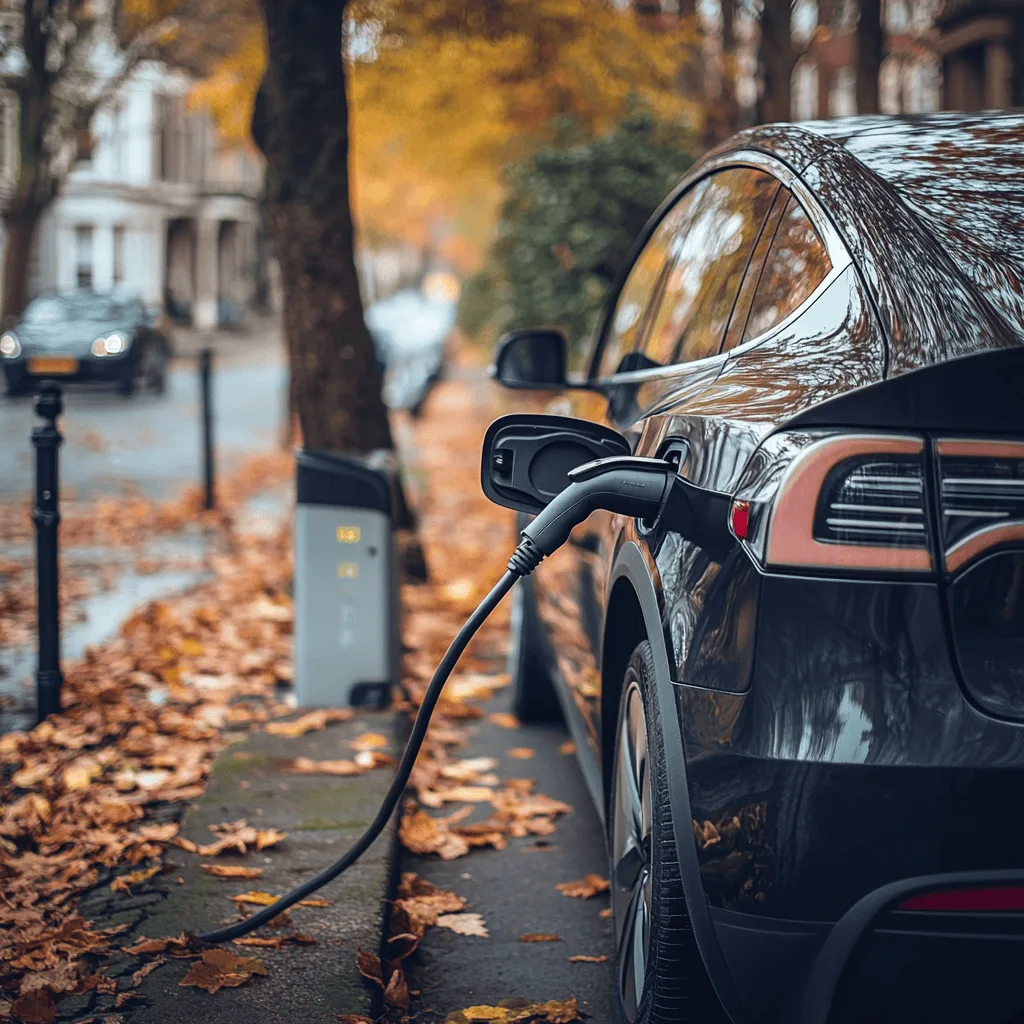
How to Convert an ICE Car to an EV
Step 1: Selecting the Ideal Donor Vehicle
Choosing the right vehicle for conversion dramatically impacts project complexity, cost, and outcome.
Optimal Vehicle Characteristics
Weight Considerations: Lighter vehicles require smaller battery packs for acceptable range:
- Under 2,500 lbs: Ideal for conversion
- 2,500-3,500 lbs: Good candidates with adequate battery
- Over 3,500 lbs: Requires substantial battery investment
- Over 4,500 lbs: Generally not recommended
Space Requirements: Evaluate available space for components:
- Battery location: Floor pans, trunk, engine bay, fuel tank area
- Motor mounting: Engine bay dimensions and accessibility
- Controller placement: Requires ventilation and accessibility
- Charger installation: Onboard location with cooling
Structural Integrity:
- Rust-free chassis essential for safety
- Suspension capable of handling battery weight
- Strong mounting points for motor and batteries
- Good weight distribution potential
Best Vehicles for Conversion
Classic/Simple Vehicles (Easiest):
- Volkswagen Beetle: Abundant conversion kits, simple design
- Volkswagen Bus: Popular for conversions, good battery space
- Porsche 914: Mid-engine layout ideal for batteries
- Mazda Miata: Lightweight, excellent handling
- Geo Metro: Ultra-light, maximum efficiency
Modern Vehicles (Moderate Difficulty):
- BMW 3 Series (E30/E36): Good weight distribution
- Honda Civic: Efficient platform, parts availability
- Nissan 240SX: Rear-wheel drive, sporty handling
- Toyota Pickup: Utility focus, battery bed space
Challenging Conversions:
- Luxury vehicles with complex electronics
- All-wheel drive systems
- Vehicles with extensive driver aids
- Hybrid vehicles (ironically more complex)
Pre-Conversion Vehicle Assessment
Mechanical Inspection:
- Compression test (if keeping transmission)
- Suspension wear assessment
- Brake system condition
- Steering components
- Wheel bearings and CV joints
Electrical Evaluation:
- 12V system health
- Accessories functionality
- Dashboard and gauges
- Lighting systems
- Power accessories
Documentation:
- Clean title verification
- Service history review
- Modification history
- Insurance considerations
- Registration status
Step 2: Planning Your Conversion
Thorough planning prevents costly mistakes and ensures component compatibility.
Determining Performance Goals
Range Requirements:
- Daily commute needs: 40-60 miles typical
- Weekend capability: 100-150 miles
- Long-distance: 200+ miles (significant battery cost)
- Battery capacity calculation: Range (miles) × Wh/mile ÷ 1000 = kWh needed
Performance Targets:
- Economy focus: 50-100hp motor, maximum efficiency
- Daily driver: 100-150hp, balanced performance
- Performance build: 200-300hp+, sport acceleration
- Racing/track: 400hp+, specialized components
Charging Capability:
- Level 1 (120V): 2-5 miles/hour charging
- Level 2 (240V): 10-30 miles/hour charging
- DC Fast Charging: 100+ miles/30 minutes (complex/expensive)
Component Selection Strategy
System Voltage Decision:
- 48-72V: Golf carts, neighborhood vehicles
- 96-144V: Light vehicles, moderate performance
- 200-400V: Modern performance, fast charging capable
- 400-800V: High performance, latest technology
Motor Selection Criteria:
- Power rating: Match to vehicle weight and goals
- Voltage compatibility: Must match battery system
- Cooling requirements: Air vs. liquid cooled
- Mounting compatibility: Physical dimensions
- Controller availability: Matched components crucial
Battery Chemistry Comparison:
- Lithium Iron Phosphate (LiFePO4): Safest, 2000+ cycles, moderate energy density
- Lithium NMC: High energy density, 1000+ cycles, requires careful management
- Lithium Titanate: Ultra-safe, fast charging, expensive, lower energy density
- Lead Acid: Cheapest initial cost, heavy, 300-500 cycles only
Step 3: Removing ICE Components
Systematic removal creates space and reduces weight for EV components.
Safe Removal Procedures
Preparation Phase:
- Disconnect battery (negative first)
- Drain all fluids properly
- Document wire routing and connections
- Photograph everything for reference
- Label components being retained
Engine and Transmission Removal:
- Disconnect electrical connections
- Remove cooling system hoses
- Disconnect exhaust system
- Separate transmission (if removing)
- Support with engine hoist
- Remove motor mounts
- Extract carefully
Fuel System Elimination:
- Safely drain fuel tank
- Remove tank and pumps
- Cap fuel lines properly
- Remove filler neck
- Consider tank space for batteries
Supporting Systems: Remove if unnecessary, modify if needed:
- Radiator and cooling lines
- Air conditioning compressor
- Power steering pump
- Vacuum lines and reservoir
- Emissions equipment
- Catalytic converter
Weight Reduction Opportunities
Non-Essential Components:
- Spare tire (if range adequate)
- Sound deadening (selective)
- Rear seats (if two-seater desired)
- Heavy interior components
- Excessive wiring harnesses
Weight Documentation: Track removed weight for battery planning:
- Engine: 300-600 lbs typically
- Transmission: 100-200 lbs
- Fuel system: 100-150 lbs
- Exhaust: 50-100 lbs
- Cooling: 30-50 lbs
- Total removal: 600-1,200 lbs typical
Step 4: Installing Electric Drive Components
The heart of your conversion requires precision installation.
Electric Motor Installation
Motor Mounting Options:
Direct Drive (No Transmission):
- Simplest configuration
- Motor directly to differential
- Requires motor with adequate torque
- Custom adapter plate needed
- Best for single-speed operation
Retained Transmission:
- Maintains gear multiplication
- Better for AC motors
- Allows manual shifting (fun factor)
- Uses clutch or direct coupling
- More complex but versatile
Motor Mount Fabrication:
- Create cardboard template
- Transfer to steel plate (1/4" minimum)
- Precision machine or laser cut
- Test fit repeatedly
- Final welding and painting
- Vibration dampening consideration
Motor Controller Installation
Location Requirements:
- Adequate ventilation for cooling
- Protection from moisture
- Accessible for programming
- Short high-current wire runs
- Away from sensitive electronics
Mounting Procedure:
- Fabricate mounting bracket
- Ensure solid heat sinking
- Install with vibration isolation
- Connect cooling system (if liquid)
- Verify clearances
Wiring Connections:
- Motor phases (typically 3 for AC)
- DC input from battery
- Low-voltage control signals
- Throttle position input
- Regeneration control
- Temperature sensors
Drive System Integration
Coupling Methods:
- Direct coupling: Lovejoy or similar
- Clutch retention: Allows disconnect
- Torque converter: Automatic applications
- Chain/belt drive: Space-limited applications
Alignment Critical:
- Use dial indicator for precision
- Maximum 0.003" runout typically
- Prevents vibration and wear
- May require professional help
Step 5: Battery System Design and Installation
The most critical and expensive component requires careful planning and execution.
Battery Pack Configuration
Capacity Calculation:
- Voltage = Number of cells in series × Cell voltage
- Capacity (Ah) = Parallel cells × Cell capacity
- Energy (kWh) = Voltage × Capacity ÷ 1000
- Range = Energy × Efficiency (miles/kWh)
Physical Layout Design:
- Centralized: Single location (trunk/bed)
- Distributed: Multiple smaller packs
- Skateboard: Under-floor mounting
- Modular: Removable/swappable sections
Thermal Management:
- Passive air: Simplest, limited power
- Active air: Fans for forced cooling
- Liquid cooling: Best for high performance
- Phase change: Emerging technology
Battery Box Construction
Materials and Methods:
- Steel: Strong, weldable, heavy
- Aluminum: Lighter, corrosion resistant
- Composite: Lightest, expensive
- Requirements: Sealed, ventilated, accessible
Safety Features:
- Emergency disconnect accessible
- Proper ventilation for off-gassing
- Fire suppression consideration
- Isolation monitoring
- Protective covers for terminals
Battery Management System (BMS)
Essential Functions:
- Cell voltage monitoring
- Temperature monitoring
- Balancing during charge
- Over/under voltage protection
- Current limiting
- State of charge calculation
- Communication with controller
BMS Selection:
- Match to battery chemistry
- Adequate current rating
- Number of cells supported
- Features needed
- Reliability reputation
Step 6: Auxiliary Systems Integration
Supporting systems require modification or replacement for EV operation.
12V System Conversion
DC-DC Converter Installation:
- Converts pack voltage to 13.5-14.5V
- Powers lights, radio, accessories
- Typically 500-1500W capacity
- Maintains 12V battery charge
- Consider redundancy for safety
12V Battery Retention:
- Acts as buffer/backup
- Smaller capacity acceptable
- AGM or lithium upgrade
- Powers systems before main pack connects
Power Steering Solutions
Options Available:
- Manual conversion: Remove power assist
- Electric pump: Replace engine-driven pump
- Electric assist: Column-mounted motor
- Full electric: Rack replacement
Brake System Modifications
Vacuum Assist Replacement:
- Electric vacuum pump common
- Maintains power assist feel
- Activated by vacuum switch
- Consider accumulator tank
Regenerative Braking Integration:
- Controller-based implementation
- Adjustable strength
- Brake light activation
- Blended with friction brakes
Heating and Cooling
Cabin Heating Options:
- Ceramic PTC heaters (2-5kW)
- Heat pump systems (efficient)
- Diesel heater (range preservation)
- Seat heaters (most efficient)
Cabin Cooling:
- Electric compressor conversion
- Maintain original system
- Consider efficiency impact
- Variable speed control
Step 7: Electrical System Integration
Proper wiring ensures safety and functionality.
High-Voltage Wiring
Cable Selection:
- Orange jacket (safety standard)
- Appropriate ampacity
- Flexible stranded conductor
- Temperature rating
- Shielding if required
Routing Best Practices:
- Separate from 12V wiring
- Protect from abrasion
- Avoid heat sources
- Secure every 12 inches
- Use appropriate grommets
Connection Methods:
- Proper crimping tools essential
- Heat shrink and insulation
- Torque specifications critical
- Anti-oxidation compound
- Regular inspection points
Safety Systems
Required Components:
- Main contactor/relay
- Pre-charge circuit
- Emergency disconnect
- Inertia switch
- Ground fault detection
- Isolation monitoring
Interlock Systems:
- Prevent driving while charging
- Disable drive in park
- Key-based activation
- Cover/door switches
- Error state handling
Charging System Installation
Onboard Charger Mounting:
- Ventilated location
- Service accessibility
- Weather protection
- Cable routing planning
Charge Port Options:
- J1772 standard (North America)
- Type 2 (Europe)
- CHAdeMO (DC fast)
- CCS (combined charging)
- Tesla connector (with adapter)
Step 8: Testing and Optimization
Systematic testing ensures safety and performance.
Initial Testing Protocol
Bench Testing (Before Installation):
- Component function verification
- Voltage measurements
- Control signal testing
- Protection circuit validation
- Communication verification
Static Vehicle Testing:
- 12V system operation
- High-voltage isolation check
- Contactor operation
- Controller programming
- Throttle calibration
- Display functionality
First Movement:
- Wheels elevated testing
- Direction verification
- Smooth acceleration
- Regeneration function
- Emergency stop test
- Temperature monitoring
Progressive Road Testing
Phase 1: Controlled Environment
- Private property/parking lot
- Low speed only (under 25 mph)
- Basic function verification
- Steering and braking
- No public roads
Phase 2: Neighborhood Testing
- Short distances
- Low traffic areas
- Monitor all parameters
- Check for issues
- Build confidence
Phase 3: Extended Testing
- Gradually increase distance
- Highway speeds (if applicable)
- Range verification
- Charging cycles
- Performance consistency
Performance Optimization
Parameter Tuning:
- Motor controller settings
- Acceleration curves
- Regeneration strength
- Current limits
- Temperature thresholds
Efficiency Improvements:
- Tire pressure optimization
- Alignment verification
- Aerodynamic improvements
- Weight reduction
- Rolling resistance
Step 9: Legal Compliance and Registration
Converting your vehicle legally requires navigating regulations.
Safety Inspections
Common Requirements:
- Electrical system safety
- Battery mounting security
- Emergency disconnect function
- Brake performance
- Lighting and signals
- Structural integrity
Documentation Needed:
- Component specifications
- Professional assessments
- Build photographs
- Electrical diagrams
- Test results
Registration Process
Title Modification:
- Fuel type change
- Power source update
- Weight adjustment
- VIN verification
- Emissions exemption
Insurance Considerations:
- Notify carrier of conversion
- Agreed value coverage
- Modification declarations
- Shop around for EV-friendly insurers
- Document everything
Regional Variations
California: SB100 registration for specially constructed vehicles Texas: Relatively simple process Europe: Type approval may be required Australia: Engineer's certificate needed Canada: Provincial variations
Troubleshooting Common Issues
Understanding typical problems speeds resolution.
Electrical Problems
No Power/Movement:
- Check main contactor
- Verify key switch circuit
- Test throttle signal
- Check emergency stops
- Review error codes
Intermittent Operation:
- Loose connections
- Ground issues
- Controller overheating
- BMS intervention
- Voltage sag
Performance Issues
Poor Acceleration:
- Current limits too low
- Voltage sag
- Controller settings
- Mechanical binding
- Weight distribution
Limited Range:
- Battery capacity degradation
- Efficiency losses
- Auxiliary draw
- Driving style
- Aerodynamic issues
Thermal Problems
Overheating:
- Inadequate cooling
- Excessive current draw
- Ambient temperature
- Blocked ventilation
- Thermal paste degradation
Cost Breakdown and Budgeting
Understanding costs helps realistic planning.
Component Costs (Typical Ranges)
Drive System:
- Motor: $1,500-5,000
- Controller: $1,000-3,000
- Adapter plate: $500-1,500
- Coupling: $200-500
Battery System:
- Cells: $3,000-15,000
- BMS: $500-2,000
- Boxes/mounting: $500-2,000
- Cables/connectors: $500-1,000
Support Systems:
- DC-DC converter: $300-800
- Charger: $500-2,000
- Gauges/display: $200-1,000
- Power steering: $300-800
- Vacuum pump: $150-300
- Heater: $200-800
Professional Services:
- Engineering approval: $1,000-3,000
- Machining: $500-2,000
- Welding: $500-1,500
- Electrical work: $1,000-3,000
Hidden Costs of an EV Conversion
One of the most overlooked aspects of converting an ICE vehicle to electric power is the hidden costs that rarely make it into budget spreadsheets. While most people account for the big-ticket items—motors, controllers, and battery packs—the smaller, unexpected expenses can quickly add thousands to the project.
1. Shipping and Logistics
EV components are heavy, bulky, and often come from specialized suppliers. Freight shipping for batteries or motors can cost anywhere from a few hundred to several thousand dollars, especially if customs fees or international sourcing is involved. Crating, liftgate services, or storage charges may also sneak in.
2. Specialized Tools and Equipment
Basic hand tools won’t be enough. Builders often need torque wrenches rated for high voltages, hydraulic crimpers for heavy-gauge cables, engine hoists, battery lifting rigs, and even welding gear. Purchasing or renting these can add up fast—sometimes $500 to $2,000 extra.
3. Shop Upgrades
Working safely with high-voltage systems may require new infrastructure: upgraded electrical service for Level 2 chargers, better lighting, heat-resistant flooring, or even fire suppression systems. Many DIYers also invest in safety gear such as insulated gloves, arc-flash protection, or dedicated storage cabinets for batteries.
4. Failed Experiments and Replacement Parts
EV conversions involve trial and error. A miscalculated battery layout, undersized wiring, or incompatible controller can mean starting over with new parts. Even small mistakes, like choosing the wrong gauge wire or blowing a contactor, can set you back hundreds of dollars.
5. Extended Timelines
Projects almost always take longer than expected. Extra months in the garage mean additional insurance costs for a non-operational vehicle, plus ongoing registration or storage fees. If you’re renting workspace, these costs can grow quickly.
6. Professional Services
Even skilled DIY builders may need outside help for machining custom adapter plates, programming controllers, or getting engineering approval. Each professional service call—welding, CNC work, or electrical consultation—can add $500 to $2,000 to the budget.
7. Insurance and Legal Fees
Some insurers require specialty coverage during the build process, and modified vehicle inspections may come with application or certification fees. These are easy to overlook until you’re at the finish line.
The takeaway: while your base budget might be $15,000 to $30,000, the hidden costs can easily push a project 10–20% higher. Planning a buffer fund is the best way to keep your EV conversion on track without financial surprises.
Conclusion: Your Path to Electric Conversion Success
Converting an ICE vehicle to electric represents a significant technical challenge that rewards builders with a unique, sustainable vehicle and invaluable experience. Success requires careful planning, respect for high-voltage safety, realistic expectations, and persistence through challenges. Whether motivated by environmental concerns, technical interest, or the desire to preserve a classic car, EV conversion offers a path to zero-emission driving without the limitations of mass-produced electric vehicles.
Start with thorough research, choose an appropriate donor vehicle for your skill level, and don't hesitate to seek professional help for critical aspects like high-voltage wiring or structural modifications. Join online communities, attend EV meetups, and learn from others' experiences. Remember that safety must always be the top priority—the voltages and currents involved in EV conversions can be lethal if mishandled.
Your converted EV will be more than just transportation—it's a statement about innovation, sustainability, and the future of automotive enthusiasm. Every silent acceleration away from a stoplight demonstrates that performance and environmental responsibility can coexist. Whether your conversion takes six months or two years, the journey transforms both your vehicle and your understanding of automotive technology.
The EV conversion community continues growing, with better components, more knowledge sharing, and increasing acceptance of converted vehicles. Your project contributes to this evolution, proving that the transition to electric transportation doesn't require abandoning the vehicles we love—it just requires reimagining how they're powered.
Additional Resources
- EV Album - Database of completed conversions with detailed build information and component choices
- Canadian Electric Vehicles - Conversion kits, components, and technical support for DIY builders
- EVTV Motor Verks - Educational videos, components, and conversion expertise from industry veterans