Table of Contents
Selecting the right coilover kit represents one of the most important decisions you'll make when upgrading your vehicle's suspension system. For drivers in Nashville, Tennessee, where road conditions range from smooth interstate highways to challenging rural backroads, and where weather patterns shift dramatically throughout the year, understanding how to evaluate coilover quality before making a purchase is absolutely essential. This comprehensive guide will walk you through everything you need to know to make an informed decision that enhances your vehicle's performance, safety, and longevity.
What Are Coilover Kits and Why Do They Matter?
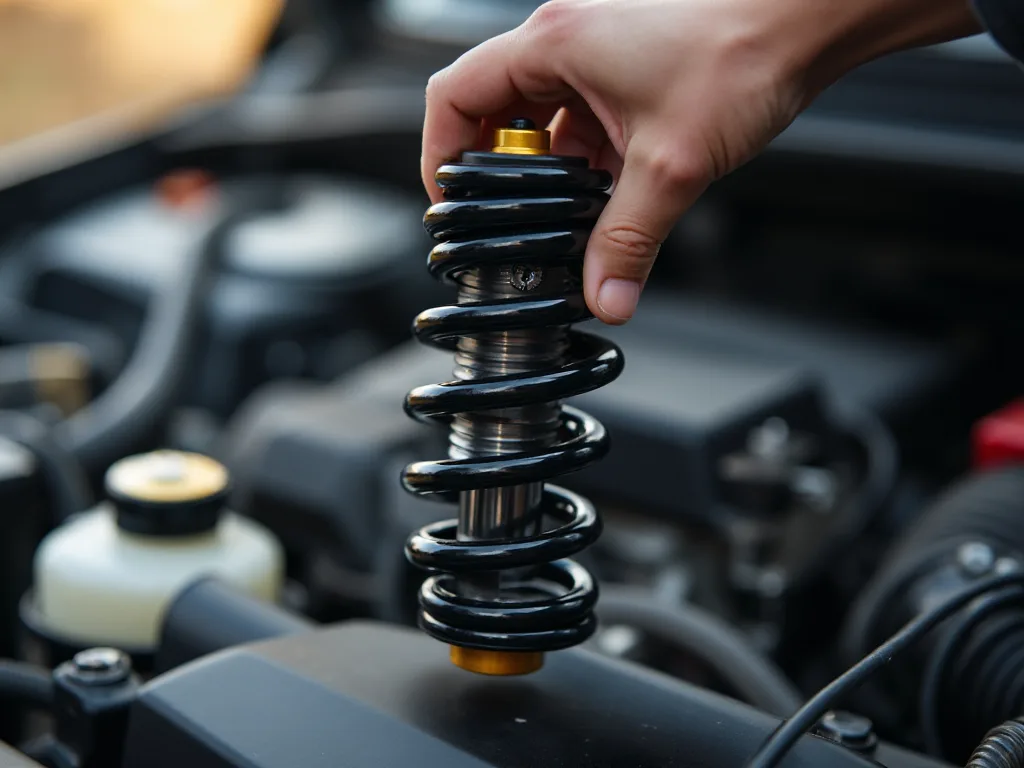
Coilover kits are sophisticated suspension components that integrate a coil spring and shock absorber into a single, unified assembly. The term "coilover" literally means "coil spring over shock," describing the physical configuration where the coil spring wraps around the shock absorber body. Unlike traditional suspension setups where springs and shocks are separate components, coilovers offer a more compact, adjustable, and performance-oriented solution for vehicle suspension needs.
The primary advantage of coilover systems lies in their adjustability. Most quality coilover kits allow you to fine-tune ride height, damping characteristics, and sometimes even spring preload. This level of customization enables drivers to optimize their vehicle's handling characteristics for specific driving conditions, whether that means lowering a sports car for improved aerodynamics and cornering grip, or adjusting damping rates to handle Nashville's occasionally rough road surfaces more comfortably.
For Nashville drivers specifically, coilover kits offer distinct advantages. The city's diverse driving environment includes everything from the smooth pavement of Interstate 40 and Interstate 65 to the winding roads of nearby Percy Warner Park, from the stop-and-go traffic of downtown Broadway to the rural routes leading into surrounding Williamson and Davidson counties. A quality coilover system provides the versatility needed to handle all these conditions effectively while maintaining comfort and control.
Understanding Material Quality and Construction
Shock Body Materials and Corrosion Resistance
The material composition of a coilover kit directly impacts its durability, performance, and lifespan. High-quality coilover kits typically feature shock bodies constructed from either high-grade steel or aluminum alloys. Each material offers distinct advantages that Nashville drivers should understand before making a purchase decision.
Steel shock bodies provide exceptional strength and durability, making them ideal for vehicles that see hard use or carry heavy loads. However, steel is susceptible to corrosion, which is a significant consideration in Nashville's humid subtropical climate. The city experiences average annual humidity levels around 70 percent, with frequent rainfall throughout the year. Quality steel coilovers should feature robust corrosion-resistant coatings such as zinc plating, powder coating, or specialized anti-corrosion treatments to withstand these conditions.
Aluminum shock bodies offer natural corrosion resistance and reduced weight compared to steel alternatives. The lighter weight can contribute to improved handling response and reduced unsprung mass, which enhances suspension performance. Premium aluminum coilovers are typically constructed from aerospace-grade aluminum alloys that provide excellent strength-to-weight ratios. However, aluminum components generally cost more than steel equivalents, so budget-conscious buyers need to weigh the performance benefits against the additional expense.
Spring Materials and Heat Treatment
The coil springs in a coilover kit must withstand constant compression and extension cycles while maintaining their spring rate characteristics over thousands of miles. Premium coilover kits utilize springs manufactured from high-tensile steel that has undergone proper heat treatment processes. This heat treatment is crucial because it relieves internal stresses in the metal and increases the material's fatigue resistance.
Look for coilover kits that specify the use of SAE 9254 steel or similar high-grade spring materials. These materials are specifically engineered for suspension applications and can maintain their performance characteristics even under extreme conditions. Additionally, quality springs should feature protective coatings, typically powder coating in various colors, which serves both aesthetic and protective functions by preventing rust and corrosion.
Seals and Internal Components
The internal components of a coilover shock absorber are just as important as the external materials. High-quality coilovers feature precision-machined pistons, hardened piston rods, and advanced seal designs that prevent oil leakage while minimizing friction. The seals are particularly critical because they must keep the damping fluid contained while allowing the piston rod to move smoothly through thousands of compression and rebound cycles.
Premium coilover manufacturers use multi-lip seal designs with specialized materials that resist degradation from heat, oil, and environmental contaminants. Some high-end kits incorporate dust boots or bellows that provide additional protection for the piston rod, preventing road debris, salt, and moisture from damaging the seals or rod surface. For Nashville drivers who occasionally venture onto gravel roads or encounter winter road treatments, these protective features significantly extend coilover lifespan.
Evaluating Adjustability Features
Ride Height Adjustment Mechanisms
One of the primary benefits of coilover suspension systems is the ability to adjust ride height. However, not all adjustment mechanisms are created equal. Quality coilover kits typically offer ride height adjustment through threaded shock bodies with locking collars that allow you to raise or lower the spring perch position. The best systems feature fine thread pitches that enable precise height adjustments in small increments.
When evaluating ride height adjustability, examine the range of adjustment offered by the kit. A wider adjustment range provides greater flexibility for different applications, whether you want a modest drop for improved aesthetics and handling or a more aggressive stance for track use. For Nashville street driving, a moderate adjustment range of two to three inches typically provides the best balance between improved handling and maintaining adequate ground clearance for speed bumps, parking lot entrances, and occasional rough roads.
Pay attention to whether the coilover design maintains proper suspension geometry throughout its adjustment range. Some lower-quality kits can create suspension geometry problems when lowered significantly, leading to increased tire wear, poor handling, or binding in the suspension components. Reputable manufacturers design their coilovers to maintain optimal geometry across the entire adjustment range, ensuring consistent performance regardless of ride height setting.
Damping Adjustment Capabilities
Damping adjustment allows you to control how quickly the shock absorber compresses and extends, directly affecting ride quality and handling characteristics. Coilover kits range from non-adjustable single-rate dampers to sophisticated multi-way adjustable systems that offer independent control over compression and rebound damping.
Entry-level coilover kits often feature fixed damping rates optimized for a balance between comfort and performance. While these can work well for many applications, they don't offer the flexibility to fine-tune the suspension for specific conditions or preferences. Single-adjustable coilovers provide one adjustment knob that simultaneously affects both compression and rebound damping, offering a reasonable compromise between simplicity and adjustability.
Dual-adjustable coilovers feature separate controls for compression and rebound damping, allowing much more precise tuning of suspension behavior. This level of adjustability is particularly valuable for enthusiast drivers who want to optimize their suspension for different scenarios—softer settings for daily driving comfort on Nashville's occasionally rough roads, and firmer settings for spirited driving on smooth highways or track days at nearby facilities like Nashville Superspeedway.
The most advanced coilover systems offer separate low-speed and high-speed compression damping adjustments in addition to rebound control. These triple or quadruple-adjustable systems provide professional-level tuning capabilities but come at premium prices and require significant knowledge to set up properly. For most street-driven vehicles in Nashville, single or dual-adjustable coilovers offer the best balance of capability and usability.
Adjustment Mechanism Quality
Beyond the type of adjustability offered, evaluate the quality of the adjustment mechanisms themselves. High-quality coilovers feature adjustment knobs or dials with positive detents that click into place, making it easy to count adjustment clicks and return to preferred settings. The adjustment mechanisms should operate smoothly without excessive force, yet feel solid and precise rather than loose or vague.
Check whether the adjustment controls are easily accessible once the coilovers are installed on your vehicle. Some designs place adjustment knobs in locations that require removing wheels or other components to access, which discourages regular adjustment and limits the practical value of the adjustability feature. The best coilover designs position adjustment controls where they can be accessed with basic tools and minimal disassembly.
Researching Brand Reputation and Manufacturer History
Established Manufacturers vs. Budget Brands
The coilover market includes dozens of manufacturers ranging from well-established companies with decades of motorsports heritage to newer budget-oriented brands. While price shouldn't be the only consideration, understanding the differences between established manufacturers and budget alternatives helps set realistic expectations for quality and performance.
Established coilover manufacturers like Bilstein, KW Suspension, Öhlins, TEIN, BC Racing, and Fortune Auto have built their reputations through years of product development, racing success, and customer satisfaction. These companies typically invest heavily in research and development, use premium materials and manufacturing processes, and stand behind their products with comprehensive warranties and customer support. Their coilover kits generally command higher prices but deliver superior performance, durability, and refinement.
Budget-oriented coilover brands often manufacture products overseas using less expensive materials and simpler designs to hit aggressive price points. While some budget coilovers can provide acceptable performance for casual street use, they typically compromise on material quality, adjustment precision, damping consistency, and longevity. For Nashville drivers planning to keep their vehicles long-term or who drive frequently, investing in a reputable brand usually proves more cost-effective over the life of the product.
Motorsports Heritage and Engineering Expertise
Manufacturers with active motorsports programs or racing heritage often produce superior coilover products because they apply lessons learned from competition to their street-oriented offerings. Companies that develop suspension components for professional racing teams understand the extreme demands placed on suspension systems and engineer their products accordingly. This racing-derived expertise translates to better damping characteristics, more durable construction, and more sophisticated adjustment mechanisms in their consumer products.
When researching coilover brands, look for evidence of motorsports involvement, engineering credentials, and technical innovation. Manufacturers that publish detailed technical specifications, damping curves, and installation instructions demonstrate a level of engineering rigor that typically correlates with product quality. Companies that provide minimal technical information or vague specifications may be reselling generic products with minimal quality control or engineering input.
Customer Service and Technical Support
Quality manufacturers back their products with responsive customer service and knowledgeable technical support. Before purchasing a coilover kit, research the manufacturer's reputation for customer service by reading online reviews and forum discussions. Companies that provide detailed installation support, setup guidance, and troubleshooting assistance add significant value beyond the physical product itself.
Consider whether the manufacturer maintains a presence in the United States with domestic customer service and warranty support. International brands that lack U.S. representation may create challenges if you need warranty service or technical assistance. Conversely, manufacturers with established U.S. operations can typically provide faster response times and easier warranty processing.
Analyzing Customer Reviews and Real-World Performance
Where to Find Reliable Reviews
Customer reviews provide invaluable insights into real-world coilover performance, durability, and potential issues that may not be apparent from manufacturer specifications alone. However, not all reviews are equally reliable, so knowing where to find trustworthy information is essential for making an informed purchase decision.
Automotive enthusiast forums dedicated to your specific vehicle make and model often contain the most detailed and honest coilover reviews. Forum members typically share extensive installation experiences, long-term durability reports, and detailed comparisons between different coilover brands. Because forum users have no financial incentive to promote particular products, their reviews tend to be more objective than those found on retailer websites.
YouTube has become an excellent resource for coilover reviews, with many automotive channels providing detailed installation videos, ride quality assessments, and long-term follow-up reviews. Video content allows you to see the actual products, observe installation procedures, and sometimes even hear the difference in ride quality between different coilover setups. Look for channels that focus on your vehicle type and that provide balanced, detailed reviews rather than purely promotional content.
Social media groups focused on your vehicle platform can also provide valuable feedback, though the shorter format of social media posts may limit the depth of information compared to forum threads. Instagram and Facebook groups often feature photos of installed coilovers and brief user impressions that can help you gauge overall satisfaction levels with different brands.
What to Look for in Reviews
When reading coilover reviews, focus on several key aspects that indicate product quality and suitability for your needs. Pay particular attention to comments about ride quality, noting whether reviewers describe the coilovers as comfortable for daily driving or excessively harsh. For Nashville driving conditions, you want coilovers that can handle rough pavement without transmitting excessive harshness to the cabin while still providing controlled handling on smooth roads.
Durability reports are especially valuable, particularly reviews from users who have owned their coilovers for extended periods or high mileage. Look for information about seal failures, oil leaks, corrosion issues, or loss of damping performance over time. Reviews mentioning these problems, especially if they occur within the first year or two of ownership, should raise red flags about product quality.
Installation experiences provide insights into product quality and design thoughtfulness. Reviews describing poor fitment, missing hardware, unclear instructions, or the need for modifications to install the coilovers suggest quality control issues or inadequate product development. Conversely, reviews praising straightforward installation with complete hardware and clear instructions indicate a well-engineered product from a manufacturer that values customer experience.
Pay attention to reviews from users in similar climates or driving conditions. Comments from drivers in the southeastern United States who experience similar humidity, temperature ranges, and road conditions as Nashville provide more relevant insights than reviews from drivers in drastically different environments. Similarly, reviews from users who drive their vehicles similarly to how you plan to use yours—whether daily commuting, weekend spirited driving, or occasional track use—offer more applicable information.
Identifying Fake or Biased Reviews
Unfortunately, not all online reviews are genuine. Some manufacturers or retailers post fake positive reviews to boost their products' reputations, while competitors occasionally post negative reviews to damage rivals. Learning to identify potentially fake or biased reviews helps you focus on legitimate customer feedback.
Fake positive reviews often use generic language that could apply to any product, lack specific details about the installation or performance, and may include suspicious patterns like multiple reviews posted on the same date with similar wording. Genuine reviews typically include specific details about the reviewer's vehicle, installation experience, and nuanced observations about ride quality and handling characteristics.
Be skeptical of extremely negative reviews that focus solely on bashing a product without providing specific details about what went wrong. Legitimate negative reviews usually explain the specific problems encountered and often mention attempts to resolve issues with the manufacturer. Reviews that seem emotionally charged without substantive details may be from competitors or disgruntled individuals with grievances unrelated to product quality.
Ensuring Vehicle Compatibility
Application-Specific Engineering
Quality coilover manufacturers engineer their products specifically for each vehicle application rather than offering generic "universal" kits that supposedly fit multiple vehicles. Application-specific coilovers are designed around your vehicle's weight distribution, suspension geometry, shock mounting points, and intended use, resulting in optimal performance and proper fitment.
When shopping for coilovers, verify that the kit you're considering is specifically designed for your exact vehicle year, make, and model. Some vehicles undergo suspension changes during production runs, so even different model years of the same vehicle may require different coilover kits. Reputable manufacturers provide detailed application guides that specify exactly which vehicles each coilover kit fits, often broken down by chassis code, production date, or specific trim levels.
Be wary of coilover kits advertised as fitting wide ranges of vehicles or multiple generations of a vehicle platform. While some vehicles do share suspension components across model years, truly universal kits often compromise performance because they can't be optimized for any specific application. The best coilover kits are engineered with spring rates, damping curves, and adjustment ranges tailored to each vehicle's unique characteristics.
Checking Compatibility with Existing Modifications
If your vehicle has existing suspension modifications or non-standard components, you need to verify that your chosen coilover kit will work with these modifications. Common compatibility concerns include aftermarket sway bars, strut tower braces, big brake kits, and modified suspension mounting points.
Aftermarket sway bars sometimes use different end link mounting points than stock components, which may or may not be compatible with certain coilover designs. Before purchasing coilovers, check whether the manufacturer specifies compatibility with aftermarket sway bars or whether you'll need to purchase specific end links to make everything work together.
Big brake kits with larger calipers and rotors can create clearance issues with some coilover designs, particularly if the coilover spring or shock body interferes with the larger brake components. If you have or plan to install a big brake kit, verify that your chosen coilovers have been tested for compatibility with that specific brake setup.
Understanding Trim-Level Differences
Many vehicles offer different suspension configurations across trim levels, which can affect coilover compatibility. Sport-oriented trims may have different spring rates, shock valving, or even different suspension geometry compared to base models. Some vehicles offer optional suspension packages that change shock mounting points or use different components.
When ordering coilovers, provide complete information about your vehicle including the trim level and any factory suspension options. If you're unsure about your vehicle's suspension configuration, consult your owner's manual, check the vehicle identification number (VIN) with a dealer, or examine the existing suspension components to identify what you currently have installed.
Warranty Coverage and Terms
Understanding Warranty Length and Coverage
A comprehensive warranty demonstrates a manufacturer's confidence in their product quality and provides important protection for your investment. Quality coilover manufacturers typically offer warranties ranging from one year to limited lifetime coverage, with most reputable brands providing at least a two-year warranty against defects in materials and workmanship.
When evaluating warranty coverage, read the fine print to understand exactly what is and isn't covered. Most warranties cover manufacturing defects such as seal failures, shock body defects, or spring breakage under normal use. However, warranties typically exclude damage from accidents, improper installation, lack of maintenance, or use in competitive motorsports. Some manufacturers void warranties if coilovers are disassembled or modified in any way.
Pay attention to whether the warranty covers just replacement parts or includes labor costs for installation. Parts-only warranties leave you responsible for paying a shop to remove the defective coilovers and install the warranty replacements, which can add several hundred dollars to the cost of a warranty claim. Some premium manufacturers offer warranties that include reasonable labor reimbursement, providing more comprehensive protection.
Warranty Claim Process
Understanding the warranty claim process before you need it helps set realistic expectations and can influence your purchase decision. Research how the manufacturer handles warranty claims by reading customer experiences in forums and reviews. Companies with streamlined warranty processes and responsive customer service make dealing with potential issues much less stressful.
Some manufacturers require you to work through the original retailer for warranty claims, while others allow direct warranty service. Direct warranty service often provides faster resolution, but retailer-mediated warranties can work well if you purchased from a reputable shop with good customer service. Clarify the warranty claim process before purchasing so you know who to contact if problems arise.
Ask whether warranty service requires returning the entire coilover assembly or just the defective component. Shipping complete coilover sets can be expensive due to their size and weight, so manufacturers that allow you to send just the failed shock or component for evaluation and replacement can save you significant shipping costs during warranty claims.
Extended Warranty Options
Some coilover manufacturers or retailers offer extended warranty options for additional cost. These extended warranties can provide peace of mind, especially for expensive coilover kits, but evaluate whether the additional cost is justified based on the manufacturer's reputation for reliability and the standard warranty coverage already included.
If you're considering an extended warranty, read the terms carefully to understand what additional coverage it provides beyond the standard warranty. Some extended warranties simply extend the time period of coverage without changing what's covered, while others may include additional protections or benefits. Calculate whether the extended warranty cost represents good value compared to the potential cost of out-of-warranty repairs or replacement.
Price Considerations and Value Assessment
Understanding Price Ranges
Coilover kits span an enormous price range, from budget options under $800 to premium systems exceeding $4,000 or more. Understanding what drives these price differences helps you evaluate whether a particular kit offers good value for your needs and budget.
Budget coilover kits in the $600-$1,000 range typically feature simpler designs with fixed or single-adjustable damping, basic materials, and manufacturing processes focused on cost reduction. These kits can work acceptably for casual street use on vehicles that won't see hard driving or high mileage, but they generally compromise on ride quality refinement, adjustment precision, and long-term durability.
Mid-range coilover kits priced between $1,000-$2,000 represent the sweet spot for many enthusiast drivers. This price range typically includes products from established manufacturers using quality materials, offering single or dual damping adjustment, and engineered specifically for each vehicle application. These coilovers usually provide good ride quality, reliable performance, and reasonable longevity for street-driven vehicles.
Premium coilover kits above $2,000 offer advanced features like multi-way damping adjustment, remote reservoirs, position-sensitive damping, or exotic materials. These high-end systems deliver the ultimate in performance and adjustability but provide diminishing returns for street-driven vehicles. Unless you're a serious driving enthusiast who regularly participates in track events or demands the absolute best performance, mid-range coilovers often provide better value.
Total Cost of Ownership
When evaluating coilover prices, consider the total cost of ownership rather than just the initial purchase price. This includes installation costs, alignment expenses, potential maintenance needs, and expected lifespan. A more expensive coilover kit that lasts twice as long as a budget alternative may actually cost less per year of service.
Installation costs vary depending on your vehicle and whether you install the coilovers yourself or pay a professional shop. Most coilover installations require two to four hours of labor, which at typical Nashville shop rates of $100-$150 per hour adds $200-$600 to your total cost. If you have mechanical skills and appropriate tools, self-installation can save this expense, though you'll still need a professional alignment afterward.
Every coilover installation requires a professional alignment to ensure proper suspension geometry and tire wear characteristics. Alignment costs in Nashville typically range from $80-$150 depending on the shop and whether your vehicle requires two-wheel or four-wheel alignment. Factor this into your budget as a necessary expense that accompanies any coilover installation.
Some coilover systems require periodic maintenance such as rebuilding or recharging, which adds to long-term ownership costs. High-end coilovers with rebuildable designs can actually reduce long-term costs because you can service them rather than replacing the entire unit when performance degrades. Budget coilovers typically aren't rebuildable, requiring complete replacement when they wear out.
Balancing Budget and Quality
Finding the right balance between budget constraints and quality requirements depends on your specific situation, vehicle, and intended use. For a daily-driven vehicle that you plan to keep for many years, investing in quality coilovers from a reputable manufacturer usually proves worthwhile. The improved ride quality, better handling, and longer lifespan justify the higher initial cost.
If you're modifying a vehicle you don't plan to keep long-term, or if you're experimenting with suspension modifications for the first time, a mid-range coilover kit might make more sense than a premium system. You'll still get decent performance and quality without committing to the highest-priced options.
Avoid the temptation to purchase the cheapest coilovers available simply to save money. Extremely low-priced coilover kits often create more problems than they solve, with harsh ride quality, poor durability, and potential safety concerns. If budget constraints are severe, consider saving longer to afford a quality mid-range kit rather than compromising with a bottom-tier product that may need replacement within a year or two.
Technical Specifications to Examine
Spring Rates and Their Impact
Spring rates, measured in pounds per inch (lb/in) or kilograms per millimeter (kg/mm), determine how much force is required to compress the spring a given distance. Proper spring rates are crucial for achieving the right balance between ride comfort and handling performance. Spring rates that are too soft allow excessive body roll and suspension travel, while rates that are too stiff create a harsh ride and poor traction on rough surfaces.
Quality coilover manufacturers engineer spring rates specifically for each vehicle based on weight distribution, intended use, and suspension geometry. When evaluating coilover kits, check whether the manufacturer publishes spring rate specifications and whether those rates are appropriate for your vehicle and driving style. Some manufacturers offer multiple spring rate options for the same vehicle, allowing you to choose rates optimized for comfort-oriented street driving, aggressive street performance, or track use.
For Nashville street driving, moderate spring rates that balance comfort and control work best. Excessively stiff spring rates that might be appropriate for smooth racetracks create a punishing ride on real-world roads with expansion joints, potholes, and pavement irregularities. If you're unsure which spring rates to choose, consult with experienced users of your vehicle platform or contact the coilover manufacturer's technical support for recommendations.
Damping Specifications
Damping force controls how quickly the suspension compresses and extends, working in conjunction with spring rates to determine overall suspension behavior. While spring rates are usually published specifications, detailed damping curves are often proprietary information that manufacturers don't share publicly. However, some quality manufacturers provide damping force graphs or at least general descriptions of their damping characteristics.
When damping specifications are available, look for progressive damping curves that provide softer damping at low shaft speeds for comfort over small bumps, with firmer damping at higher shaft speeds to control larger suspension movements. This progressive damping characteristic is a hallmark of quality coilover design and contributes significantly to achieving both comfort and control.
For adjustable coilovers, understand the range of adjustment provided. Some coilovers offer a narrow adjustment range that makes minimal difference in real-world performance, while others provide a wide range from very soft to extremely firm. A useful adjustment range should allow you to noticeably change the suspension character without going to extremes that make the vehicle undriveable at either end of the adjustment spectrum.
Shock Stroke and Travel
Shock stroke refers to the total distance the shock piston can travel from full extension to full compression. Adequate shock stroke is essential for preventing the suspension from bottoming out harshly or topping out with excessive force. Quality coilover manufacturers design their products with appropriate stroke lengths for each vehicle application, accounting for the intended ride height range and suspension travel requirements.
When lowering a vehicle with coilovers, you reduce available suspension travel, particularly in the compression direction. Quality coilover designs account for this by positioning the shock stroke appropriately relative to the ride height adjustment range. Poorly designed coilovers may run out of shock travel when lowered significantly, causing harsh bottoming or limiting suspension movement.
If you plan to lower your vehicle substantially, verify that the coilover kit maintains adequate suspension travel at your desired ride height. Some manufacturers specify minimum recommended ride heights to ensure proper suspension function. Lowering beyond these recommendations can create handling problems, excessive tire wear, and potential damage to suspension components.
Special Considerations for Nashville Driving Conditions
Climate and Weather Factors
Nashville's humid subtropical climate presents specific challenges for suspension components. The city experiences hot, humid summers with temperatures regularly exceeding 90°F, combined with high humidity levels that promote corrosion. Winters are generally mild but can include occasional freezing temperatures, ice, and road salt application on bridges and overpasses.
When selecting coilovers for Nashville use, prioritize models with robust corrosion protection. Look for shock bodies with quality protective coatings, stainless steel or zinc-plated hardware, and sealed adjustment mechanisms that prevent moisture intrusion. Aluminum components offer natural corrosion resistance but verify that any steel components feature appropriate protective treatments.
The temperature extremes experienced in Nashville can affect shock absorber performance. Quality coilovers use damping fluids and seal materials that maintain consistent performance across a wide temperature range. Budget coilovers may use inferior fluids that become too thick in cold weather or too thin in hot weather, leading to inconsistent damping performance throughout the year.
Road Surface Conditions
Nashville's road conditions vary significantly depending on location. Major highways like I-40, I-65, and I-24 generally feature smooth pavement that allows firmer suspension settings without comfort penalties. However, many urban streets, particularly in older neighborhoods and downtown areas, have rougher surfaces with potholes, patched pavement, and uneven surfaces that demand more compliant suspension settings.
For Nashville drivers who encounter diverse road conditions, coilovers with damping adjustability provide significant advantages. You can run firmer settings on smooth highways for improved handling and control, then soften the damping for rough urban streets to maintain comfort and prevent harsh impacts that could damage suspension components or wheels.
If your driving includes rural roads in surrounding counties, consider that these roads often feature rougher surfaces, gravel sections, and more dramatic elevation changes than urban Nashville streets. Coilovers with adequate suspension travel and progressive damping characteristics handle these varied conditions better than ultra-stiff track-oriented setups designed for smooth pavement only.
Local Terrain and Elevation Changes
While Nashville isn't mountainous, the city features rolling terrain with moderate elevation changes, particularly in areas west of downtown and in surrounding counties. Roads through areas like Percy Warner Park and Edwin Warner Park include curves, hills, and elevation changes that benefit from well-tuned suspension systems.
Quality coilovers enhance your vehicle's ability to handle these elevation changes and curves by maintaining better tire contact with the road surface and controlling body roll during cornering. The improved handling becomes particularly noticeable on roads like Old Hickory Boulevard, Natchez Trace Parkway, and the various scenic routes through surrounding counties.
Installation Considerations
Professional Installation vs. DIY
Deciding whether to install coilovers yourself or hire a professional shop depends on your mechanical skills, available tools, and comfort level working on suspension components. Coilover installation isn't extremely difficult for someone with moderate mechanical experience, but it does require specific tools and knowledge to complete safely and correctly.
Professional installation at a reputable Nashville performance shop ensures the job is done correctly and typically includes a post-installation alignment. Shops experienced with your vehicle platform can often complete the installation more quickly than a DIY attempt and may identify potential issues or needed additional parts before they become problems. The peace of mind from professional installation is worth the cost for many vehicle owners, particularly those without extensive mechanical experience.
DIY installation can save several hundred dollars in labor costs if you have the necessary skills and tools. You'll need a quality floor jack, jack stands rated for your vehicle's weight, spring compressors (for some applications), various hand tools, and a torque wrench. More importantly, you need to understand suspension geometry, proper torque specifications, and safety procedures for working under a raised vehicle. If you're uncertain about any aspect of the installation, professional installation is the safer choice.
Finding Qualified Installers in Nashville
If you choose professional installation, selecting a qualified shop is crucial for ensuring proper installation and optimal performance. Look for shops that specialize in performance modifications and have specific experience with your vehicle make and model. General repair shops may be able to install coilovers, but specialists typically have more experience with the nuances of different coilover systems and can provide better setup advice.
Ask potential installers about their experience with your specific coilover brand and vehicle platform. Shops that have installed the same coilover kit on similar vehicles multiple times can work more efficiently and are more likely to identify potential fitment issues or needed modifications. Request references or look for online reviews from customers who had similar work performed.
Verify that the shop has proper alignment equipment and can perform a complete alignment after coilover installation. Some shops may install coilovers but lack alignment capabilities, requiring you to visit a separate facility for alignment. Using a shop that can handle both installation and alignment streamlines the process and ensures the installer can verify proper suspension geometry before you drive away.
Post-Installation Setup and Break-In
After coilover installation, proper setup and break-in procedures ensure optimal performance and longevity. Most coilover manufacturers recommend a break-in period of several hundred miles during which you should avoid aggressive driving or extreme suspension adjustments. This break-in period allows seals to seat properly and internal components to wear in gradually.
Initial ride height and damping settings may require adjustment after installation as the suspension settles and you evaluate real-world performance. Many installers set coilovers to conservative initial settings, expecting that you'll fine-tune them based on your preferences. Keep notes about your adjustment settings and how they affect ride quality and handling so you can systematically dial in your ideal setup.
Plan to have your alignment checked again after the first few hundred miles of driving. Suspension components can settle slightly during initial use, potentially affecting alignment settings. A follow-up alignment ensures optimal tire wear and handling characteristics once everything has stabilized.
Maintenance and Long-Term Care
Regular Inspection Procedures
Proper maintenance extends coilover lifespan and ensures consistent performance over thousands of miles. Establish a regular inspection routine to identify potential issues before they become serious problems. Every few months, visually inspect your coilovers for signs of oil leakage, which appears as wet spots or oil residue on the shock body. Small amounts of oil mist are normal on some coilovers, but significant leakage indicates seal failure requiring attention.
Check for physical damage to shock bodies, springs, and adjustment mechanisms. Road debris can sometimes impact suspension components, causing dents or damage that affects performance. Inspect spring seats and locking collars to ensure they remain tight and properly positioned. Loose components can create noise, affect ride height, and potentially lead to more serious problems if not addressed.
Examine mounting hardware and bushings for wear or deterioration. The rubber or polyurethane bushings that isolate coilovers from the chassis can degrade over time, particularly in hot climates like Nashville's summers. Worn bushings create noise, reduce handling precision, and should be replaced when they show signs of cracking, tearing, or excessive softness.
Cleaning and Corrosion Prevention
Regular cleaning helps prevent corrosion and maintains coilover appearance and function. After driving in rain or through areas where road salt has been applied, rinse your coilovers with clean water to remove corrosive contaminants. Pay particular attention to adjustment mechanisms, threaded sections, and areas where dirt and salt can accumulate.
For coilovers with exposed threads on the shock body, periodic application of anti-seize compound or specialized thread lubricant prevents corrosion and ensures adjustment mechanisms continue operating smoothly. Clean the threads thoroughly before applying lubricant, and wipe away excess to prevent dirt accumulation. This simple maintenance step can prevent seized adjustment collars that become impossible to move after years of exposure to the elements.
If your coilovers include dust boots or bellows that protect the shock shaft, inspect these regularly for tears or damage. Damaged boots allow dirt and moisture to contact the shock shaft and seals, accelerating wear and potentially causing premature seal failure. Replace damaged boots promptly to maintain protection for critical components.
When to Consider Rebuilding or Replacement
Even quality coilovers eventually require rebuilding or replacement as internal components wear and damping performance degrades. Signs that your coilovers need attention include decreased damping effectiveness (the suspension feels softer or less controlled than when new), visible oil leakage, unusual noises like clunking or squeaking, or uneven ride height despite proper adjustment.
High-end coilovers with rebuildable designs can be serviced by the manufacturer or specialized suspension shops, replacing seals, damping fluid, and worn internal components. Rebuilding typically costs 30-50% of new coilover prices but restores like-new performance. If your coilovers are rebuildable and otherwise in good condition, rebuilding is usually more cost-effective than replacement.
Budget coilovers typically aren't designed for rebuilding, requiring complete replacement when performance degrades. Factor this into your initial purchase decision—rebuildable coilovers may cost more initially but can be more economical over a long ownership period if you plan to keep your vehicle for many years.
Common Mistakes to Avoid
Choosing Based on Price Alone
The most common mistake when purchasing coilovers is selecting a kit based primarily on low price without adequately evaluating quality, features, and suitability for your needs. While budget constraints are real considerations, choosing the cheapest available coilovers often leads to disappointment with ride quality, premature failure, and ultimately spending more money to replace them with better products.
Instead of focusing solely on finding the lowest price, establish a realistic budget that allows you to purchase quality coilovers from a reputable manufacturer. If necessary, save longer to afford a mid-range kit rather than compromising with a bottom-tier product. The difference in performance, durability, and satisfaction easily justifies the additional investment.
Ignoring Vehicle-Specific Requirements
Every vehicle has unique suspension characteristics, weight distribution, and geometry that influence which coilover setup works best. Purchasing coilovers that worked well on someone else's vehicle doesn't guarantee they'll be appropriate for yours, even if you have the same make and model. Differences in engine options, trim levels, or intended use can all affect which coilover specifications are optimal.
Take time to research which coilover options are most popular and successful among owners of your specific vehicle. Join online communities dedicated to your vehicle platform and ask for recommendations from experienced members. Their collective knowledge can help you avoid coilover kits that have known fitment issues or performance problems with your particular vehicle.
Overlooking Installation and Setup Costs
Many first-time coilover buyers focus exclusively on the kit price without accounting for installation, alignment, and potential additional parts needed to complete the installation. These additional costs can add $400-$800 or more to your total investment, significantly affecting which coilover kit fits within your actual budget.
Before committing to a coilover purchase, get installation quotes from local shops and factor alignment costs into your budget. Ask whether any additional parts like camber plates, end links, or mounting hardware are needed for your vehicle. Understanding the complete cost picture prevents unpleasant surprises and helps you make a more informed decision about which coilover kit you can realistically afford.
Expecting Miracles from Suspension Alone
While quality coilovers significantly improve handling and ride quality, they can't overcome fundamental limitations in other areas of your vehicle. If your tires are worn or low-quality, if your alignment is severely out of specification, or if other suspension components like bushings and sway bars are worn out, new coilovers won't deliver their full potential performance.
View coilover installation as part of a comprehensive approach to vehicle performance rather than a magic solution that fixes all handling issues. Ensure your tires are in good condition with adequate tread depth, replace worn suspension bushings and components, and maintain proper alignment. This holistic approach allows your new coilovers to perform as designed and delivers the best overall results.
Making Your Final Decision
Creating a Comparison Checklist
With so many factors to consider, creating a structured comparison checklist helps you evaluate different coilover options objectively. List the coilover kits you're seriously considering, then rate each one across key criteria including material quality, adjustability features, brand reputation, customer reviews, warranty coverage, price, and overall value. This systematic approach prevents you from being swayed by a single impressive feature while overlooking important weaknesses.
Weight different criteria based on your priorities. If you plan to keep your vehicle long-term and drive it daily, durability and ride quality might be more important than having the widest possible adjustment range. If you're an enthusiast who regularly attends track events, advanced adjustability and performance might justify higher prices and some comfort compromises. Your personal priorities should guide which factors carry the most weight in your decision.
Consulting with Experts
Before making your final purchase decision, consider consulting with suspension specialists who have extensive experience with your vehicle platform. Many performance shops in Nashville employ technicians who have installed and set up hundreds of coilover kits across various vehicles and can provide valuable insights based on real-world experience.
Reach out to coilover manufacturers' technical support teams with specific questions about their products. Quality manufacturers employ knowledgeable staff who can explain technical details, recommend appropriate spring rates and damping settings for your application, and help you understand how their products differ from competitors. The quality and helpfulness of pre-sale technical support often reflects the level of support you'll receive after purchase.
Trusting Your Research
After thoroughly researching coilover options, reading reviews, comparing specifications, and consulting with experts, trust the conclusions you've reached. Second-guessing your decision based on a single contradictory opinion or an attractive sale price on a different product can lead to purchasing something that doesn't truly meet your needs.
Remember that no coilover kit is perfect for every application or satisfies every driver. Some reviewers may criticize aspects that don't matter for your intended use, while others may praise features you don't need. Focus on whether a particular coilover kit meets your specific requirements for your vehicle, driving style, and budget rather than trying to find a universally acclaimed option.
Where to Purchase Coilovers in Nashville
Local Performance Shops
Purchasing coilovers from a local Nashville performance shop offers several advantages including the ability to see products in person, receive expert advice from knowledgeable staff, and often bundle purchase with professional installation. Local shops can typically order any major coilover brand and may stock popular applications for immediate availability.
Building a relationship with a local performance shop provides ongoing benefits beyond the initial purchase. The shop can assist with setup adjustments, answer questions as you learn to optimize your coilover settings, and provide maintenance or warranty service if needed. Supporting local businesses also strengthens the Nashville automotive enthusiast community.
Online Retailers
Online retailers often offer lower prices than local shops due to reduced overhead costs and the ability to ship directly from distributors. Major online automotive parts retailers carry extensive coilover selections and provide detailed product information, customer reviews, and comparison tools. However, online purchases lack the personal service and expert advice available from local shops.
If you purchase coilovers online, verify the retailer's reputation, return policy, and warranty support procedures before ordering. Ensure they're authorized dealers for the brand you're purchasing, as some manufacturers void warranties on products purchased from unauthorized sellers. Factor shipping costs and potential return shipping expenses into your price comparison with local options.
Direct from Manufacturers
Some coilover manufacturers sell directly to consumers through their websites, eliminating retailer markups and sometimes offering better prices than third-party sellers. Direct purchase ensures you're getting genuine products with full manufacturer warranty support. However, you'll need to arrange installation separately and won't have a local retailer to assist with questions or issues.
Manufacturer direct purchase works well if you're confident in your product selection and have a trusted local shop lined up for installation. The cost savings can be significant, particularly on premium coilover brands, potentially offsetting the lack of retailer support and convenience.
Additional Resources and Further Reading
Expanding your knowledge about suspension systems and coilover technology helps you make better decisions and get more from your investment. Numerous online resources provide detailed technical information about suspension design, setup procedures, and optimization techniques.
For comprehensive technical information about suspension systems and how they work, Car and Driver's suspension guide offers excellent explanations of fundamental concepts. Understanding these basics helps you evaluate coilover specifications and features more effectively.
Vehicle-specific forums and online communities provide invaluable real-world information from owners who have installed and used various coilover kits on your exact vehicle. These communities often maintain detailed threads comparing different coilover options, documenting installation procedures, and sharing setup recommendations. Spending time reading through these resources before purchasing can prevent costly mistakes and help you achieve better results.
Many coilover manufacturers maintain technical blogs or knowledge bases on their websites with detailed information about suspension theory, setup procedures, and maintenance. These manufacturer resources often include application-specific setup guides that provide starting point recommendations for spring rates, damping settings, and ride heights based on your vehicle and intended use.
For those interested in deeper technical knowledge, Society of Automotive Engineers publications include professional-level resources about suspension design and vehicle dynamics. While these resources are more technical than most enthusiasts need, they provide authoritative information for those who want to truly understand suspension systems at an engineering level.
Conclusion
Evaluating coilover quality before purchase requires careful consideration of numerous factors including material quality, adjustability features, brand reputation, customer reviews, warranty coverage, and price. For Nashville drivers, additional considerations like climate resistance, suitability for varied road conditions, and compatibility with local driving environments further influence which coilover kit represents the best choice.
By systematically evaluating these factors and conducting thorough research before making a purchase decision, you can select a coilover kit that enhances your vehicle's performance, provides years of reliable service, and delivers genuine value for your investment. Quality coilovers transform your driving experience by improving handling precision, allowing customization for different conditions, and providing the adjustability to optimize your suspension setup as your needs evolve.
Remember that purchasing coilovers is just the beginning of the journey. Proper installation, careful setup, and regular maintenance ensure your coilovers deliver their full performance potential throughout their service life. Take time to learn about your specific coilover system, experiment with different settings to find what works best for your driving style, and don't hesitate to seek advice from experienced enthusiasts or professional suspension specialists.
The investment in quality coilovers pays dividends every time you drive, whether you're navigating Nashville's urban streets, enjoying spirited drives on surrounding rural roads, or simply appreciating the improved ride quality and control that well-engineered suspension components provide. By following the guidance in this comprehensive evaluation guide, you'll be well-equipped to make an informed decision that enhances your vehicle and your driving experience for years to come.