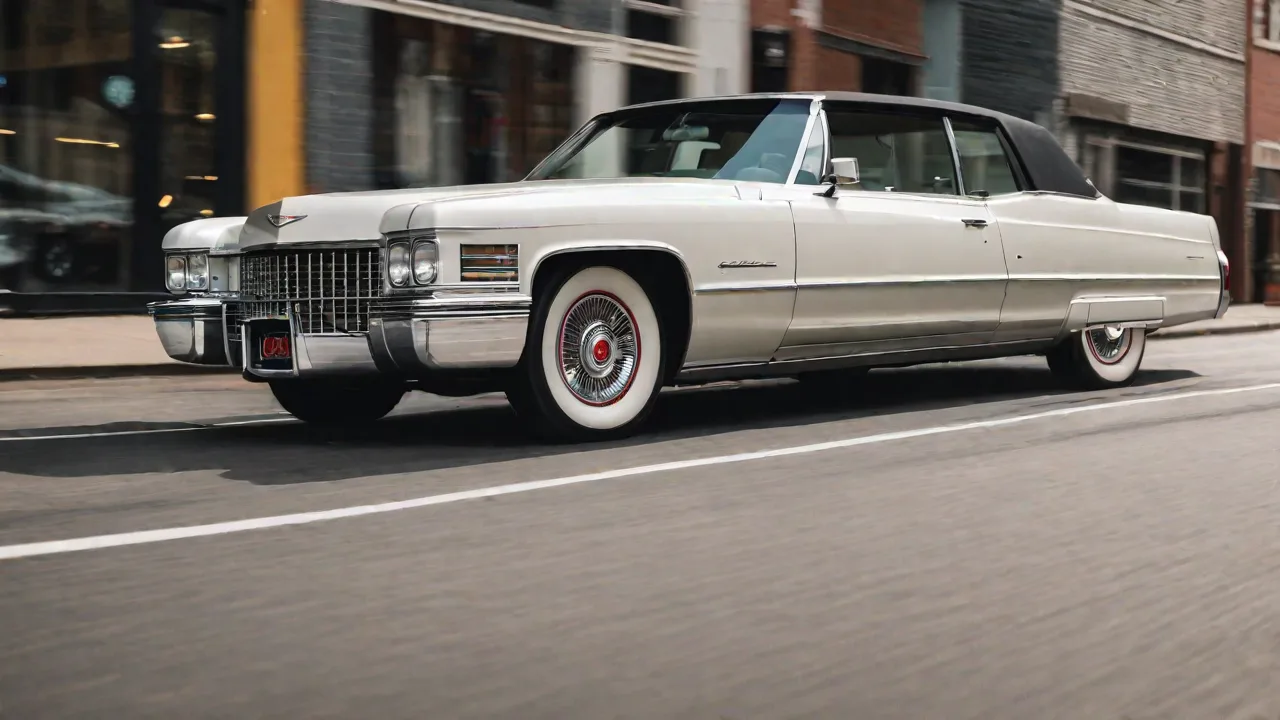
How to Improve Your Cadillac’s Cornering Stability in Nashville
Why Cornering Stability Matters for Your Cadillac in Nashville
Nashville’s road network presents a unique mix of urban sprawl, interstate connectors, and scenic two-lane routes that snake through rolling hills. For fleet operators and private owners alike, a Cadillac that handles predictably through corners is not just about driving enjoyment—it’s about safety, tire longevity, and passenger comfort. When a vehicle understeers or leans excessively in a turn, the driver must correct more often, increasing fatigue and wear on steering components. By focusing on cornering stability, you reduce risk and keep your Cadillac performing at its best across Music City’s varied terrain.
Optimize Tire Selection and Pressure
Tires are the single most influential component for cornering grip. Nashville’s mix of concrete interstates and asphalt side streets means your tires face changing surface temperatures and textures. For maximum cornering stability:
- Choose performance all-season or summer tires with a stiffer sidewall. A tire like the Michelin Pilot Sport All Season 4 or Continental ExtremeContact DWS 06 Plus offers the lateral grip needed for confident turns without sacrificing ride comfort.
- Maintain manufacturer-recommended pressure but check it monthly—Nashville’s temperature swings can cause pressure to drop by 1–2 PSI overnight. Underinflated tires cause excessive sidewall flex, increasing body roll and reducing steering response.
- Rotate every 5,000 to 7,000 miles to keep tread depth even across all four corners. Uneven wear leads to unpredictable breakaway in mid-corner.
For a deeper dive into tire performance data, consult resources like Tire Rack’s guide on performance tires to match your driving needs to Nashville’s conditions.
Upgrade Suspension Components
Shocks and Struts
Factory shocks are tuned for ride comfort, not aggressive cornering. Replacing them with performance-oriented units such as Bilstein B6 or Koni Special Active dampers reduces body roll during turns by controlling compression and rebound more aggressively. The result is a flatter cornering attitude and faster steering response after initial turn-in.
Anti-Roll Bars (Sway Bars)
An upgraded anti-roll bar, sometimes called a sway bar, directly counteracts body lean. A thicker bar increases torsional stiffness, transferring load from the inside wheel to the outside wheel during a turn. For rear-wheel-drive Cadillacs—common in CTS, ATS, and CT5 models—a rear bar upgrade can reduce understeer and allow the driver to rotate the car more easily through tight Nashville corners.
Bushings and Control Arms
Worn suspension bushings introduce slop in the alignment geometry. Polyurethane bushings replace the factory rubber units and provide a direct feel without the deflection that causes vague steering. If your Cadillac has higher mileage, consider replacing front lower control arm bushings first—they degrade faster due to steering and braking loads.
Lowering Your Cadillac for a Lower Center of Gravity
Reducing ride height is one of the most effective modifications for cornering stability. Lowering the chassis by 1 to 1.5 inches drops the center of gravity, reducing weight transfer during cornering. This keeps the inside tire planted and delays the onset of understeer.
Two common approaches:
- Lowering springs offer a fixed drop and are a direct replacement for factory springs. Brands like Eibach or H&R provide sportier rates that work with factory struts for a few thousand miles before an upgrade is recommended.
- Coilover kits allow adjustable ride height and damping. Options from KW or BC Racing let you fine-tune corner balance and adjust for different loads—useful if your Cadillac carries passengers or cargo regularly.
Be mindful of Nashville’s speed bumps and parking lot dips. A drop beyond 1.5 inches may require a front lip scraper or altered driving lines to avoid scraping.
Wheel Alignment and Camber Settings
Even with upgraded hardware, an improper alignment will undermine cornering stability. For street-driven Cadillacs in Nashville, target these alignment specs:
- Camber: -1.0 to -1.5 degrees negative camber up front. This tilts the top of the tire inward, increasing the contact patch during cornering. Zero or slightly negative camber in the rear prevents instability under braking while turning.
- Toe: Zero or slight toe-in (1/16-inch total) at the front gives a straight-line stability while allowing the car to respond to steering inputs. Rear toe should be zero to avoid tire scrub.
- Caster: Maximize positive caster within factory adjustment range; this improves steering self-centering and straight-line tracking.
Visit a shop with a modern hunter alignment rack and specify “performance street” settings. For reference, Hunter Engineering’s alignment technology is widely used by shops across Nashville for precise measurements.
Leverage Factory Electronic Aids
Many modern Cadillacs come with electronic stability control (ESC), traction control, and selectable drive modes. These systems use yaw sensors, steering angle sensors, and brake modulation to maintain stability during aggressive cornering.
- Sport mode in models like the CT4-V or CT5-V relaxes ESC intervention slightly, allowing more driver input before the system cuts power or applies individual brakes.
- Performance Traction Management (PTM), available on V-Series models, adjusts torque distribution and brake bias for corner exit. Activating PTM in wet or dry conditions gives you precise control over how much slip the rear axle allows.
If your Cadillac has magnetic ride control (MRC), ensure the sensors and wiring are in good condition. MRC adjusts damping in real time and can compensate for moderate suspension wear, but a failing sensor will default to a stiff “fail-safe” mode that degrades ride and cornering balance.
Brake Upgrades for Corner Entry
Cornering stability begins before you turn the wheel. A brake system that can shed speed smoothly and consistently allows the driver to set entry speed precisely. For stock or lightly modified Cadillacs:
- High-performance brake pads like Hawk HPS or Power Stop Z23 improve friction coefficient without excessive dust or noise.
- Slotted rotors help evacuate gas and dust between the pad and rotor face, reducing fade during repeated braking on downhill Nashville roads like those near Percy Warner Park.
- Braided stainless steel brake lines eliminate the spongy pedal feel that factory rubber lines develop with age, giving more confidence when trail-braking into a corner.
Driving Technique Adjustments for Local Roads
Hardware alone won’t maximize cornering stability—driver input matters. Nashville’s topography includes steep climbs, blind crests, and off-camber turns, especially along Old Hickory Boulevard and portions of I-440.
- Look ahead: Scan at least two turns ahead to plan your entry speed and line. Fixing your eyes on the apex too early causes abrupt steering corrections.
- Brake in a straight line: Complete your braking before beginning the turn. Turning while braking transfers weight forward and can overload the front tires, causing understeer.
- Smooth inputs: Apply steering gradually. Jerking the wheel unsettles the suspension and reduces rear tire grip. The same applies to throttle application—squeeze rather than stomp on corner exit.
- Trail braking: Once comfortable, practice carrying light brake pressure into the turn entry. This transfers weight to the front tires for more grip and helps rotate the car, a technique that works well in mid-size Cadillacs with near 50/50 weight distribution.
Consider Weight Distribution and Passenger Load
Fleet vehicles often carry inconsistent loads of equipment or passengers. An uneven weight distribution alters cornering balance. If the rear is heavier than normal, the car will tend to oversteer on corner entry. When the front carries excess weight (from toolboxes or audio equipment), understeer increases.
- Balance the load: Place heavier items near the center of the vehicle and as low as possible. Avoid loading the trunk past the rear seat line for a long trip.
- Adjust tire pressure for load: Add 2–4 PSI to the rear tires when carrying a heavy load to prevent sidewall rollover during turns.
When to Seek Professional Inspection
If your Cadillac still exhibits excessive body roll, wandering, or vibration through corners after addressing the items above, deeper issues may exist:
- Worn steering rack or tie rod ends
- Damaged strut mounts or top bearings
- Subframe bushing degradation
- Bent suspension components from potholes
A professional alignment and suspension check in Nashville, where roads can be rough in winter, should be part of your annual maintenance. Many independent shops with experience in American luxury vehicles can diagnose these issues quickly. You can find resources and shop listings through SEMA’s member directory if you prefer to work with performance-oriented shops.
Final Recommendations for Nashville Drivers
Improving cornering stability in your Cadillac is a layered process: tires and alignment form the foundation, suspension upgrades add capability, and driver skill ties everything together. For the specific demands of Nashville’s roads—hills, curves, and variable weather—prioritize upgrades that offer the most tangible benefit for your driving style. Start with fresh performance tires and a precision alignment, then evaluate whether stiffer anti-roll bars or adjustable damping suits your daily route. A well-sorted Cadillac not only corners with confidence but rewards the driver with a connection to the road that makes every Nashville commute more engaging and safer.