Table of Contents
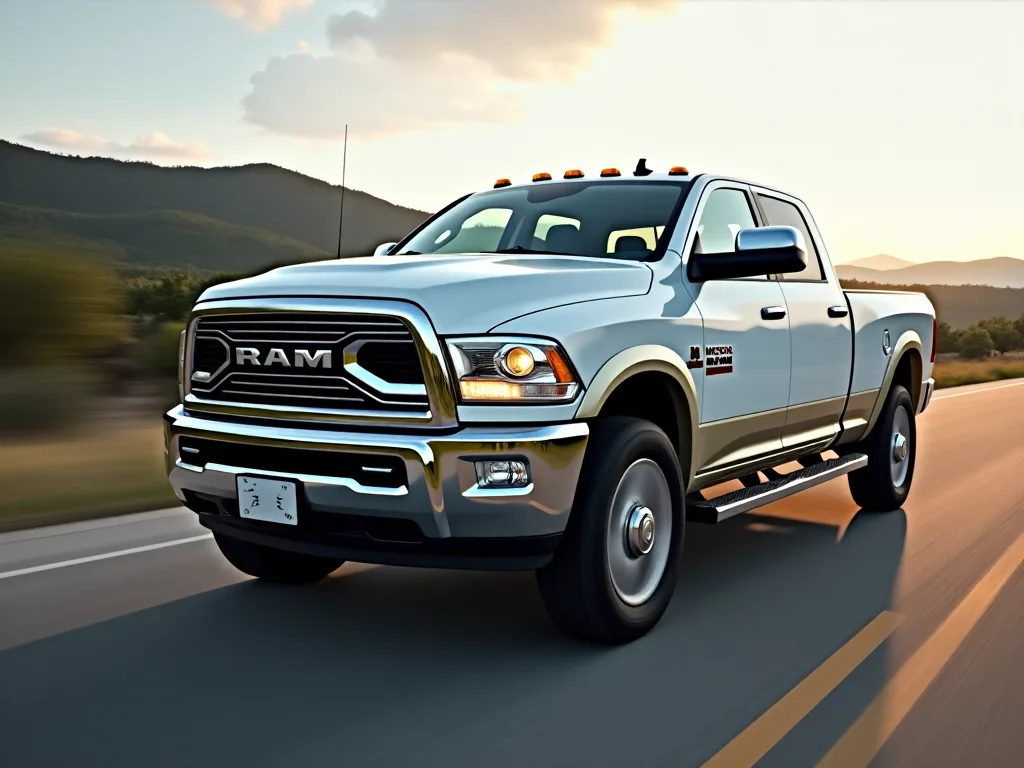
For truck owners in Nashville who frequently tow heavy loads, ensuring your Ram truck is optimized for safety and performance is absolutely essential. Whether you're hauling construction equipment, livestock trailers, recreational vehicles, or heavy cargo for work, your Ram truck needs to be properly equipped to handle the demands of serious towing. Upgrading your vehicle can dramatically improve towing capacity, handling, and reliability, making your hauling experience smoother, safer, and more efficient on Nashville's highways and rural roads.
The Ram truck lineup has long been recognized for its impressive towing capabilities, but even the most capable factory configuration can benefit from strategic performance upgrades. Nashville's unique geography, with its rolling hills, interstate corridors, and varying weather conditions, presents specific challenges for those who tow regularly. Understanding which upgrades will provide the most significant safety and performance benefits is crucial for anyone who depends on their Ram truck for heavy-duty hauling.
Understanding Your Ram Truck's Towing Capacity and Limitations
Before investing in any performance upgrades, it's critical to understand your specific Ram truck's factory towing capacity and current limitations. Every Ram model, from the 1500 to the 3500, comes with manufacturer-specified towing ratings that are determined by factors including engine size, transmission type, axle ratio, wheelbase, and cab configuration. These ratings represent the maximum weight your truck can safely tow under ideal conditions, but real-world towing often requires additional considerations.
Your truck's Gross Combined Weight Rating (GCWR) represents the maximum allowable weight of your fully loaded truck plus the fully loaded trailer. The Gross Vehicle Weight Rating (GVWR) indicates the maximum weight of your truck when fully loaded with passengers and cargo. Understanding these specifications helps you determine which upgrades will provide the most benefit for your specific towing needs. Many Nashville truck owners find that while their Ram can technically tow their target weight, the experience becomes much safer and more comfortable with proper upgrades.
It's also important to consider that towing capacity isn't just about raw power. Factors like braking ability, suspension stability, transmission cooling, and overall vehicle control all play crucial roles in safe towing. A truck that can pull a heavy load but can't stop it safely or maintain stability on Nashville's hilly terrain represents a serious safety hazard. This is why a comprehensive approach to towing upgrades is so important.
Essential Suspension Enhancements for Heavy Towing
One of the most noticeable issues when towing heavy loads is rear-end sag, which occurs when the weight of the trailer tongue pushes down on your truck's rear suspension. This not only looks problematic but creates serious safety concerns by altering your truck's geometry, reducing steering control, limiting headlight effectiveness, and increasing stopping distances. Suspension upgrades are often the first and most impactful modification Nashville Ram owners should consider.
Heavy-Duty Shock Absorbers
Upgrading to heavy-duty shock absorbers specifically designed for towing applications can dramatically improve your truck's stability and ride quality when hauling heavy loads. Premium shock absorbers like Bilstein 5100 series, Fox 2.0 Performance Series, or Rancho RS9000XL adjustable shocks provide superior damping characteristics that help control body roll, reduce bounce, and maintain better tire contact with the road surface. These shocks are engineered with larger pistons, increased oil capacity, and more robust valving compared to standard shocks.
Many Nashville truck owners appreciate adjustable shocks that allow them to fine-tune their suspension settings based on load conditions. When towing heavy, you can increase damping for better control, and when running empty, you can adjust for a more comfortable daily driving experience. Quality shock absorbers also help reduce trailer sway by minimizing the transfer of motion between your truck and trailer.
Air Suspension Systems and Helper Springs
Air suspension systems represent one of the most versatile upgrades for Ram trucks used for towing. Systems like Air Lift LoadLifter 5000 or Firestone Ride-Rite allow you to adjust your truck's rear suspension height and load capacity using air pressure. These systems install between your existing suspension and frame, providing additional support that can be adjusted based on your current load. When you're not towing, you can reduce air pressure for a comfortable ride, and when hooking up a heavy trailer, you can increase pressure to level your truck and provide maximum support.
For those seeking a more budget-friendly option, progressive-rate helper springs like Timbren SES or SuperSprings can provide excellent load support without the complexity of air systems. These solid rubber or steel spring helpers engage progressively as load increases, providing support exactly when needed without affecting your unloaded ride quality. Many Nashville Ram owners find these systems ideal for occasional heavy towing while maintaining excellent daily drivability.
Complete Suspension Lift Kits
For Ram owners who need maximum capability and ground clearance, complete suspension lift kits designed for towing applications can provide comprehensive improvements. Unlike cosmetic lift kits, towing-focused suspension systems from manufacturers like Carli Suspension, BDS Suspension, or ReadyLIFT maintain proper suspension geometry while providing increased load capacity and improved articulation. These systems typically include upgraded springs, shocks, control arms, and other components engineered to work together as a complete system.
When selecting a suspension lift for towing purposes, it's crucial to choose systems specifically designed for heavy loads rather than off-road-focused lifts that may compromise towing stability. Professional installation is highly recommended for complete suspension systems to ensure proper alignment, torque specifications, and safety.
Engine Performance Tuning for Increased Towing Power
While Ram trucks come with powerful engines from the factory, engine tuning modifications can unlock additional horsepower and torque that make towing heavy loads significantly easier and safer. More power means better acceleration when merging onto Nashville's busy interstates, improved ability to maintain speed on hills, and reduced engine strain during extended towing sessions.
ECU Tuning and Performance Programmers
Electronic Control Unit (ECU) tuning involves modifying the software that controls your engine's operation, adjusting parameters like fuel delivery, ignition timing, boost pressure (for turbocharged engines), and transmission shift points. Quality tuning devices from manufacturers like Banks Power, Superchips, or Bully Dog can provide substantial power gains while maintaining reliability and fuel efficiency. Many modern tuners offer specific towing modes that optimize power delivery for hauling heavy loads.
For Ram trucks equipped with the 6.7L Cummins diesel engine, ECU tuning can provide particularly impressive results, with gains of 100+ horsepower and 200+ lb-ft of torque being common. Gas-powered Ram trucks with the 5.7L HEMI or 6.4L HEMI engines also respond well to tuning, though gains are typically more modest. It's important to choose tuning that's appropriate for your specific towing needs and to work with reputable companies that provide tunes developed through extensive testing.
When selecting a tuner, look for devices that offer on-the-fly adjustability, allowing you to switch between different power levels or driving modes without stopping. This flexibility lets you run conservative settings for daily driving and switch to towing-optimized tunes when hauling heavy loads. Many modern tuners also provide valuable diagnostic information and can read and clear trouble codes, making them useful tools beyond just performance enhancement.
Cold Air Intake Systems
Installing a high-quality cold air intake system allows your Ram's engine to breathe more freely by reducing intake restriction and providing cooler, denser air to the combustion chamber. Cooler air contains more oxygen molecules, which supports more complete combustion and increased power output. Systems from manufacturers like S&B Filters, K&N, or aFe Power replace the restrictive factory airbox and intake tube with larger-diameter, smoother-flowing components.
While cold air intakes alone typically provide modest power gains of 5-15 horsepower, they work synergistically with other modifications like tuning and exhaust upgrades to provide more substantial improvements. Additionally, many Nashville Ram owners report improved throttle response and engine sound with quality intake systems. When selecting an intake, choose systems with high-quality filtration to protect your engine from Nashville's dust and pollen, especially if you frequently travel on rural roads.
Turbocharger Upgrades for Diesel Rams
For Ram trucks equipped with the Cummins diesel engine, turbocharger upgrades represent one of the most effective ways to increase towing power. Upgraded turbochargers from companies like BD Diesel, Fleece Performance, or Industrial Injection can provide significantly improved airflow, faster spool-up, and higher boost pressure compared to factory units. This translates to substantial increases in both horsepower and torque, making heavy towing much more manageable.
Turbo upgrades range from simple drop-in replacements that bolt into factory locations to complete compound turbo systems that use multiple turbochargers for maximum performance. For most Nashville towing applications, a quality single turbo upgrade provides an excellent balance of performance, reliability, and cost. It's crucial to ensure your fuel system, transmission, and other components can handle the increased power output when upgrading turbochargers.
Transmission Cooling and Protection Upgrades
Your Ram truck's transmission is one of the most critical components for safe towing, and it's also one of the most vulnerable to damage from heat and stress. Transmission fluid serves multiple purposes including lubrication, hydraulic pressure, and cooling, but when towing heavy loads, especially in Nashville's summer heat or on extended highway runs, transmission temperatures can quickly exceed safe operating ranges. Overheating is the leading cause of transmission failure, making cooling upgrades essential for serious towing applications.
Auxiliary Transmission Coolers
Installing a large auxiliary transmission cooler is one of the most important upgrades for any Ram truck used for regular towing. While many Ram trucks come with factory tow packages that include transmission coolers, aftermarket units from manufacturers like B&M, Mishimoto, or Tru-Cool offer significantly greater cooling capacity. These coolers use larger cores with more surface area and improved fin designs to dissipate heat more effectively.
The ideal installation places the auxiliary cooler in-line with the factory cooler, allowing transmission fluid to flow through both units for maximum heat dissipation. Proper mounting location is crucial—the cooler should be positioned where it receives good airflow but is protected from road debris. Many Nashville truck owners mount auxiliary coolers in front of the air conditioning condenser or in the lower grille area. Quality installation includes secure mounting, proper fluid line routing with protection from heat and abrasion, and careful attention to avoiding leaks.
Monitoring transmission temperature is equally important as cooling capacity. Installing a transmission temperature gauge allows you to track fluid temperatures in real-time and adjust your driving accordingly. Ideal transmission operating temperature is typically between 175-200°F, with 225°F being the upper limit for safe operation. Temperatures above 240°F can cause rapid fluid degradation and internal damage. A quality gauge helps you identify cooling issues before they cause expensive transmission damage.
Transmission Fluid and Filter Upgrades
Using premium synthetic transmission fluid specifically formulated for heavy-duty towing applications can significantly improve your transmission's ability to handle heat and stress. Synthetic fluids like Amsoil Signature Series, Royal Purple Max ATF, or Mobil 1 Synthetic ATF offer superior thermal stability, better lubrication properties, and longer service life compared to conventional fluids. These fluids maintain their protective properties at higher temperatures and resist breakdown even under severe towing conditions.
Regular transmission fluid and filter changes are even more critical for trucks used for towing. While manufacturers may recommend extended service intervals for normal driving, heavy towing subjects your transmission to much greater stress. Many Nashville transmission specialists recommend servicing intervals of 30,000-40,000 miles for trucks regularly used for heavy towing, compared to the 60,000+ mile intervals often specified for normal use. Fresh fluid and clean filters ensure optimal transmission performance and longevity.
Deep Transmission Pans
Aftermarket deep transmission pans increase your transmission's fluid capacity, which provides several benefits for towing applications. More fluid means greater thermal mass, which helps stabilize temperatures and reduces the rate of heat buildup. Deep pans from manufacturers like PPE, BD Diesel, or Mag-Hytec typically add 2-4 quarts of additional fluid capacity while also incorporating cooling fins that increase surface area for heat dissipation.
Many deep pans also include magnetic drain plugs that capture metallic particles, helping keep your transmission fluid cleaner. Some models feature temperature sensor ports, making it easy to add transmission temperature monitoring. The cast aluminum construction of quality deep pans also provides better heat dissipation than factory stamped steel pans. Installation is typically straightforward, making this a popular upgrade among Nashville Ram owners who do their own maintenance.
Brake System Improvements for Safe Stopping Power
When towing heavy loads, your truck's braking system faces dramatically increased demands. The additional weight of a loaded trailer significantly increases the kinetic energy that must be dissipated during braking, which translates to longer stopping distances, increased brake temperatures, and accelerated wear on brake components. Upgrading your Ram's brake system is not just about performance—it's a critical safety modification that can prevent accidents and save lives.
High-Performance Brake Pads and Rotors
Upgrading to high-performance brake pads specifically designed for towing applications provides improved stopping power and better fade resistance under heavy use. Premium brake pads from manufacturers like EBC Brakes, Power Stop, or Hawk Performance use advanced friction materials that maintain consistent performance even at elevated temperatures. Towing-specific pads are formulated to provide strong initial bite, progressive pedal feel, and minimal fade during extended braking.
Pairing upgraded pads with high-quality rotors maximizes braking performance. Slotted or drilled rotors improve heat dissipation and help prevent brake fade by allowing hot gases to escape from between the pad and rotor surface. Slotted rotors are generally preferred for towing applications as they provide excellent performance without the potential cracking issues that can affect drilled rotors under extreme stress. Two-piece rotors with aluminum hats offer even better heat management by reducing the transfer of heat from the rotor friction surface to the wheel hub and bearings.
For Nashville Ram owners who frequently tow in mountainous areas or make extended highway runs, upgrading to larger brake rotors can provide substantial benefits. Big brake kits from companies like Wilwood or Baer increase rotor diameter and thickness, which increases thermal mass and provides more leverage for the brake calipers. While these kits represent a significant investment, they offer the ultimate in stopping power and fade resistance for serious towing applications.
Brake Fluid Upgrades
High-performance brake fluid with a higher boiling point is an often-overlooked upgrade that can significantly improve braking safety when towing. Standard DOT 3 brake fluid has a dry boiling point around 400°F, which can be exceeded during heavy towing with repeated braking. When brake fluid boils, it creates vapor bubbles that compress under pressure, resulting in a soft, spongy brake pedal and dramatically reduced stopping power—a dangerous situation when towing heavy loads.
Upgrading to DOT 4 or DOT 5.1 synthetic brake fluid with dry boiling points of 500°F or higher provides a crucial safety margin. Premium fluids like Motul RBF 600, Castrol SRF, or ATE Type 200 offer even higher boiling points and superior performance under extreme conditions. Regular brake fluid changes are also important, as brake fluid is hygroscopic and absorbs moisture over time, which lowers its boiling point and reduces its effectiveness.
Trailer Brake Controllers
A quality electronic trailer brake controller is essential for safe towing with any trailer equipped with electric brakes. The brake controller allows you to adjust how aggressively your trailer's brakes engage and provides manual override capability for situations where you need to activate the trailer brakes independently. Modern proportional brake controllers like those from Tekonsha, CURT, or Reese automatically adjust trailer braking force based on your truck's deceleration rate, providing smooth, coordinated braking between truck and trailer.
Proper brake controller setup is crucial for safe towing. The gain setting should be adjusted so that trailer brakes engage firmly without locking up the wheels, and the sync or sensitivity setting should be calibrated to match your truck's braking characteristics. Many Nashville Ram owners find that brake controller settings need adjustment based on load weight, road conditions, and weather. Taking time to properly set up and test your brake controller before each towing trip is an important safety practice.
Exhaust System Upgrades for Improved Efficiency
Upgrading your Ram truck's exhaust system can provide multiple benefits for towing applications, including increased horsepower and torque, improved fuel efficiency, better engine sound, and reduced exhaust gas temperatures. Factory exhaust systems are designed to meet cost targets, noise regulations, and emissions requirements, but they often restrict exhaust flow more than necessary, which limits engine performance and efficiency.
Cat-Back Exhaust Systems
A cat-back exhaust system replaces all exhaust components from the catalytic converter to the tailpipe, including mufflers, resonators, and exhaust pipes. Quality cat-back systems from manufacturers like MBRP, Magnaflow, or Borla use larger-diameter piping (typically 4-5 inches for diesel Rams) and high-flow mufflers that reduce backpressure while maintaining acceptable sound levels. Reduced backpressure allows exhaust gases to exit more freely, which improves engine breathing and increases power output.
For towing applications, the power gains from a cat-back exhaust are most noticeable in the mid-range RPM where you spend most of your time when hauling heavy loads. Improved exhaust flow also helps reduce exhaust gas temperatures (EGTs), which is particularly important for diesel engines where excessive EGTs can cause engine damage. Many Nashville Ram owners report improved fuel economy of 1-2 MPG when towing with upgraded exhaust systems, which can provide significant savings over time.
When selecting an exhaust system, consider sound level carefully. While a more aggressive exhaust note can be appealing, excessively loud systems can become tiresome on long highway drives and may not be legal in all areas. Many manufacturers offer multiple muffler options ranging from quiet to aggressive, allowing you to choose the sound level that best fits your preferences and needs.
Downpipe and DPF Delete Considerations
For diesel Ram trucks, the downpipe (the exhaust section between the turbocharger and catalytic converter) represents a significant restriction point in the exhaust system. Aftermarket downpipes with larger diameter and smoother bends can significantly improve exhaust flow and turbo performance. However, it's crucial to understand that removing or modifying emissions equipment like diesel particulate filters (DPF) or catalytic converters is illegal for on-road vehicles under federal law and can result in significant fines.
While some performance shops may offer DPF delete services, these modifications violate the Clean Air Act and can void your vehicle warranty. Additionally, many states including Tennessee have emissions testing requirements that vehicles with deleted emissions equipment will fail. For Nashville Ram owners seeking maximum performance while remaining legal, focus on upgrades that work with factory emissions equipment, such as high-flow catalytic converters and optimized tuning that maintains emissions compliance.
Differential and Axle Upgrades
Your Ram truck's differential and axles are critical components that transfer power from the transmission to the wheels while allowing them to rotate at different speeds during turns. When towing heavy loads, these components face increased stress and heat, making upgrades and proper maintenance essential for reliability and longevity.
Gear Ratio Optimization
Your truck's axle gear ratio has a significant impact on towing performance and fuel efficiency. Lower numerical ratios (like 3.21:1) provide better fuel economy when running empty but struggle with heavy loads. Higher numerical ratios (like 3.92:1 or 4.10:1) provide better acceleration and towing performance but may reduce highway fuel economy. Many Ram trucks offer multiple gear ratio options from the factory, and selecting the right ratio for your towing needs is important.
For Nashville Ram owners who frequently tow heavy loads, a numerically higher gear ratio is generally preferable. The improved low-end pulling power and reduced transmission strain more than offset any minor fuel economy penalty. If your truck came with a lower gear ratio and you find it struggles with your towing needs, re-gearing your differential is possible, though it represents a significant investment requiring professional installation and setup.
Differential Covers and Cooling
Upgrading to a heavy-duty differential cover can improve cooling and protection for your truck's differential. Aftermarket covers from manufacturers like Mag-Hytec, BD Diesel, or PPE feature cast aluminum construction with cooling fins that increase surface area for heat dissipation. These covers also typically increase fluid capacity, which helps manage temperatures during extended towing sessions.
Many heavy-duty differential covers include magnetic drain plugs that capture metallic wear particles, helping keep your differential fluid cleaner. Some models also feature temperature sensor ports and sight glasses for easy fluid level checking. The increased strength of cast aluminum covers also provides better protection against impact damage from rocks or road debris, which is valuable for Nashville Ram owners who travel on rural or unpaved roads.
Limited-Slip and Locking Differentials
For Ram owners who tow in challenging conditions like boat ramps, muddy construction sites, or snowy Nashville winters, upgrading to a limited-slip or locking differential can provide significant traction benefits. Factory open differentials send power to the wheel with the least resistance, which means if one wheel loses traction, you lose forward motion. Limited-slip differentials use clutch packs or gear mechanisms to transfer power to both wheels, improving traction in slippery conditions.
Electronic locking differentials like those available from ARB or Eaton provide even more capability by mechanically locking both wheels together for maximum traction. These systems can be engaged when needed and disengaged for normal driving, providing the best of both worlds. For serious towing in difficult conditions, a locking differential can mean the difference between getting stuck and getting the job done.
Tire Selection and Upgrades for Towing
Your Ram truck's tires are the only contact point between your vehicle and the road, making them critical for towing safety and performance. The right tires can improve traction, handling, braking, and load capacity, while the wrong tires can compromise safety and accelerate wear. When selecting tires for towing applications, several factors must be considered beyond just size and price.
Load Range and Weight Capacity
Tire load range (indicated by letters like C, D, E, or F) determines how much weight each tire can safely carry at a given inflation pressure. For heavy towing applications, Load Range E tires are typically the minimum recommendation, with Load Range F or G being preferable for maximum-capacity towing. These heavy-duty tires feature reinforced sidewalls and higher ply ratings that allow them to safely support heavier loads without excessive flexing or overheating.
It's crucial to ensure your tires' combined weight capacity exceeds your truck's GVWR with a comfortable safety margin. Overloading tires can lead to excessive heat buildup, tread separation, and catastrophic failure—especially dangerous when towing heavy loads at highway speeds. Always check the load and inflation tables provided by tire manufacturers to ensure you're operating within safe parameters for your specific application.
Tire Types for Towing
All-terrain tires represent a popular choice for Nashville Ram owners who need versatility for both highway towing and occasional off-road use. Quality all-terrain tires from manufacturers like BFGoodrich, Goodyear, or Nitto provide good traction in varied conditions while maintaining reasonable road manners and tread life. However, their aggressive tread patterns can increase road noise and reduce fuel economy compared to highway-oriented tires.
Highway terrain or commercial traction tires are often the better choice for Ram trucks primarily used for highway towing. These tires feature tread patterns optimized for on-road use, providing excellent wet and dry traction, lower rolling resistance for better fuel economy, and typically longer tread life. Tires like the Michelin Defender LTX, Bridgestone Dueler H/T, or Continental TerrainContact H/T are excellent choices for towing-focused applications.
For maximum towing capability and durability, commercial-grade tires designed for work trucks and fleet applications offer the ultimate in load capacity and longevity. Tires like the Goodyear Wrangler Workhorse or Firestone Transforce are built to handle the demands of daily heavy-duty use and provide excellent value for Nashville truck owners who tow regularly.
Tire Pressure Monitoring and Maintenance
Maintaining proper tire pressure is critical for safe towing, as underinflated tires generate excessive heat and are prone to failure under heavy loads. While modern Ram trucks include tire pressure monitoring systems (TPMS), these systems typically only alert you when pressure drops significantly below recommended levels. For serious towing applications, consider upgrading to an aftermarket TPMS that provides real-time pressure and temperature readings for all tires including trailer tires.
Check tire pressures before every towing trip, adjusting them according to your current load and the tire manufacturer's recommendations. Many Nashville Ram owners increase tire pressure when towing heavy loads to maintain proper tire shape and reduce flexing. However, never exceed the maximum pressure rating molded into the tire sidewall. Regular tire inspections for wear, damage, and proper tread depth are also essential for towing safety.
Electrical System Upgrades for Towing
Modern trailers require substantial electrical power for lights, brakes, and accessories, which can strain your Ram truck's electrical system. Ensuring your truck's electrical system can reliably power your trailer while maintaining sufficient power for the truck's own systems is important for both safety and convenience.
Heavy-Duty Alternator Upgrades
If you tow trailers with significant electrical demands—such as RVs with multiple appliances, enclosed trailers with interior lighting, or work trailers with power tools—upgrading to a higher-output alternator ensures your electrical system can meet these demands without draining your battery. High-output alternators from manufacturers like Nations, Mechman, or DC Power Engineering can provide 200-300+ amps of output compared to factory alternators that typically produce 130-180 amps.
Increased alternator output ensures your truck's battery stays charged even with heavy electrical loads, prevents voltage drops that can affect sensitive electronics, and provides power for auxiliary equipment like inverters or air compressors. When upgrading your alternator, ensure your truck's wiring and battery can handle the increased output, and consider upgrading the battery cables to heavier gauge wire for improved current flow.
Auxiliary Battery Systems
Adding a second battery or upgrading to higher-capacity batteries can provide additional electrical reserve for demanding towing applications. Dual battery systems are particularly valuable for diesel Ram trucks, which require substantial cranking power, especially in cold Nashville winters. A second battery also provides backup capacity if your primary battery fails and can power accessories when the engine isn't running without risking your ability to start the truck.
When installing dual batteries, proper isolation is important to prevent both batteries from draining if you're running accessories with the engine off. Battery isolators or smart battery management systems ensure your starting battery remains charged while allowing your auxiliary battery to power accessories. AGM (Absorbed Glass Mat) batteries are excellent choices for towing applications due to their superior vibration resistance, faster recharging, and better performance in extreme temperatures compared to conventional flooded batteries.
Trailer Wiring and Connector Upgrades
Ensuring your trailer wiring and connectors are in excellent condition is crucial for safe towing. Corroded or damaged connectors can cause intermittent lighting or brake function, creating serious safety hazards. Upgrading to heavy-duty 7-way connectors with gold-plated contacts provides better corrosion resistance and more reliable connections. Many Nashville Ram owners also install quick-disconnect wiring harnesses that make connecting and disconnecting trailers faster and easier while reducing wear on the truck's factory wiring.
For maximum reliability, consider installing a trailer wiring junction box that provides circuit protection and makes troubleshooting easier. These boxes typically include fuses or circuit breakers for each trailer lighting circuit, LED indicators that show which circuits are active, and weatherproof construction that protects connections from moisture and corrosion. Proper wire routing with secure mounting and protection from heat and abrasion ensures your trailer wiring remains reliable for years of service.
Cooling System Enhancements
When towing heavy loads, your Ram truck's engine works harder and generates more heat, placing increased demands on the cooling system. Ensuring your cooling system can effectively manage these elevated temperatures is essential for preventing overheating and maintaining engine reliability.
High-Capacity Radiators
Upgrading to a high-capacity radiator with increased core thickness and improved fin design can significantly enhance your truck's cooling capability. Aftermarket radiators from manufacturers like Mishimoto, CSF, or Griffin use advanced core designs with more efficient heat transfer characteristics than factory radiators. Many performance radiators also feature all-aluminum construction that provides better heat dissipation than the plastic-tank radiators commonly used in factory applications.
For Nashville Ram owners who tow in hot summer weather or make extended highway runs with heavy loads, a high-capacity radiator provides crucial additional cooling capacity that helps prevent overheating. These radiators are particularly beneficial for trucks with modified engines producing more power than stock, as increased power output typically generates proportionally more heat.
Coolant Upgrades and Maintenance
Using premium coolant specifically formulated for heavy-duty applications can improve your cooling system's performance and longevity. Extended-life coolants with advanced additive packages provide better corrosion protection, higher boiling points, and longer service intervals compared to conventional coolants. Products like Fleetguard ES Compleat, Shell Rotella ELC, or Zerex G-05 are excellent choices for Ram trucks used for towing.
Regular cooling system maintenance is even more important for trucks used for heavy towing. Coolant should be tested annually and replaced according to manufacturer recommendations or sooner if testing indicates degraded protection. Flushing the cooling system removes accumulated scale and debris that can reduce cooling efficiency. Inspecting hoses, clamps, and the water pump for wear or leaks should be part of your regular maintenance routine, as cooling system failures when towing can lead to expensive engine damage.
Auxiliary Cooling Fans
For extreme towing applications or situations where you frequently operate at low speeds with heavy loads (such as towing through Nashville traffic or on construction sites), auxiliary electric cooling fans can provide additional airflow to help manage temperatures. These fans can be mounted in front of the radiator or in other strategic locations to improve cooling when vehicle speed isn't sufficient to provide adequate natural airflow.
Thermostatically-controlled auxiliary fans activate automatically when coolant temperature reaches a preset threshold, providing extra cooling exactly when needed. Some systems also allow manual activation, giving you the ability to increase cooling capacity in anticipation of demanding conditions. Proper installation with adequate electrical supply and secure mounting is essential for reliable operation.
Hitch and Towing Accessory Upgrades
The connection between your Ram truck and trailer is critical for safe towing, making quality hitches and towing accessories essential investments. While your truck may have come with a factory hitch, upgrading to heavy-duty components designed for your specific towing needs can improve safety, stability, and convenience.
Heavy-Duty Receiver Hitches
Aftermarket receiver hitches from manufacturers like Curt, Reese, or Draw-Tite often provide higher weight ratings and more robust construction than factory hitches. Class IV and Class V hitches are designed for heavy towing applications, with weight capacities ranging from 10,000 to 20,000+ pounds depending on the specific model and your truck's capabilities. These hitches feature reinforced mounting points and heavier steel construction that provides greater strength and durability.
When selecting a receiver hitch, ensure it's specifically designed for your Ram truck's year, model, and configuration. Proper installation is critical—all mounting bolts should be torqued to specification, and the hitch should be inspected regularly for cracks, corrosion, or loose fasteners. Many Nashville Ram owners who tow different types of trailers appreciate the versatility of receiver hitches, which allow quick changes between ball mounts, pintle hooks, or other towing attachments.
Fifth-Wheel and Gooseneck Hitches
For Ram owners who tow large RVs, livestock trailers, or heavy equipment trailers, fifth-wheel or gooseneck hitches provide superior stability and weight capacity compared to conventional receiver hitches. These hitches mount in the truck bed and position the trailer's pivot point over the rear axle, which improves weight distribution, reduces sway, and allows for tighter turning radius.
Fifth-wheel hitches from manufacturers like B&W, Reese, or Andersen use a kingpin connection similar to semi-trucks and are popular for RV towing. Gooseneck hitches use a ball connection mounted in the truck bed and are common for agricultural and commercial applications. Many modern systems feature removable heads that allow you to restore full use of your truck bed when not towing. Proper installation of these hitches is critical and typically requires professional installation to ensure the mounting system is properly reinforced and secured to the truck's frame.
Weight Distribution and Sway Control
Weight distribution hitches are essential for conventional trailer towing when tongue weight exceeds 10-15% of your truck's rear axle capacity. These systems use spring bars to transfer some of the trailer's tongue weight forward to the truck's front axle and back to the trailer's axles, improving weight distribution and maintaining proper truck geometry. Better weight distribution improves steering control, braking performance, and overall stability.
Integrated sway control systems help prevent trailer sway caused by wind, passing vehicles, or road irregularities. Modern friction-based or cam-based sway control systems from manufacturers like Equal-i-zer, Blue Ox, or Fastway provide progressive resistance to trailer movement while still allowing normal turning. For maximum safety when towing in Nashville's sometimes windy conditions or on busy interstates with heavy truck traffic, a quality weight distribution hitch with integrated sway control is an excellent investment.
Towing Mirrors
Proper visibility is crucial for safe towing, and extended towing mirrors provide the wider field of view necessary to see past your trailer. While many Ram trucks come with factory towing mirrors, aftermarket options from companies like CIPA or K-Source offer additional features like larger mirror surfaces, improved adjustability, and integrated turn signals or puddle lights.
For Ram owners whose trucks didn't come with towing mirrors, clip-on or strap-on mirror extensions provide an affordable solution for occasional towing. However, for regular towing use, permanently-mounted extended mirrors provide better stability, adjustability, and appearance. Many modern towing mirrors also include blind spot monitoring indicators and power folding capability for easier parking and garage storage.
Safety and Monitoring Equipment
Beyond mechanical upgrades, installing proper monitoring and safety equipment helps you stay informed about your truck and trailer's condition while towing, allowing you to identify and address potential issues before they become serious problems.
Comprehensive Gauge Systems
Installing aftermarket gauges that monitor critical parameters like transmission temperature, exhaust gas temperature, boost pressure (for turbocharged engines), and coolant temperature provides valuable real-time information about your truck's operating conditions. Multi-gauge systems from manufacturers like Edge Products, Banks Power, or AEM Electronics can display multiple parameters simultaneously, allowing you to monitor your truck's vital signs at a glance.
Modern digital gauge systems often include data logging capability, which records operating parameters over time. This information can be invaluable for diagnosing problems, optimizing performance, or providing evidence of proper operation if warranty issues arise. Many systems also include programmable alarms that alert you if any monitored parameter exceeds safe limits, giving you early warning of potential problems.
Backup Camera Systems
While newer Ram trucks come with factory backup cameras, upgrading to a multi-camera system specifically designed for towing provides significantly better visibility. Systems that include cameras mounted on the rear of your trailer, on the truck's side mirrors, and at the hitch connection point give you complete visibility around your entire rig. This makes backing up, parking, and navigating tight spaces much easier and safer.
Wireless camera systems eliminate the need to run video cables the length of your trailer, making installation easier and allowing you to quickly switch cameras between different trailers. Quality systems from manufacturers like Furrion, Rear View Safety, or Haloview provide clear images even in low light conditions and include weatherproof construction that withstands the harsh environment at the rear of a trailer.
Trailer Breakaway Systems
A trailer breakaway system is a critical safety device that automatically applies your trailer's brakes if the trailer becomes disconnected from your truck while towing. These systems use a cable connected to your truck that pulls a pin if separation occurs, activating a battery-powered brake controller that applies the trailer brakes. This can prevent a runaway trailer from causing a serious accident.
Ensuring your breakaway system is properly installed, the battery is charged, and the cable is correctly routed is essential. The breakaway cable should be long enough to allow full articulation during turns but short enough to activate before the safety chains become taut. Regular testing of the breakaway system should be part of your pre-towing inspection routine.
Professional Installation vs. DIY Upgrades
When considering performance upgrades for your Ram truck, deciding which modifications you can safely install yourself and which require professional installation is important. While some upgrades are straightforward and well within the capabilities of mechanically-inclined truck owners, others require specialized tools, knowledge, and experience to install correctly.
DIY-Friendly Upgrades
Several towing-related upgrades can be successfully completed by Nashville Ram owners with basic mechanical skills and tools. Installing a cold air intake typically requires only basic hand tools and can be completed in an hour or two. Plug-and-play tuning devices that connect to your truck's OBD-II port require no mechanical work at all. Auxiliary transmission coolers can be installed with moderate mechanical skills, though proper fluid line routing and leak-free connections are critical.
Upgrading brake pads and rotors is within the capabilities of many DIY mechanics, though proper torque specifications must be followed and the brake system must be properly bled. Installing helper springs or air suspension systems typically involves straightforward bolt-on installation, though following manufacturer instructions precisely is important for safety. Electrical upgrades like installing gauges, backup cameras, or auxiliary lighting can be completed by those comfortable with automotive electrical work.
Upgrades Requiring Professional Installation
Some modifications should be left to professional installers due to their complexity, safety implications, or need for specialized equipment. Complete suspension lift kits require precise alignment and proper torque specifications that are best handled by experienced suspension shops. Turbocharger upgrades involve complex disassembly and require proper tuning to ensure reliability. Transmission modifications or internal upgrades should only be performed by qualified transmission specialists.
Fifth-wheel and gooseneck hitch installations require proper frame reinforcement and precise mounting to ensure safety, making professional installation highly recommended. Differential gear changes require specialized tools and precise setup procedures that are beyond most DIY capabilities. High-output alternator installations may require modifications to mounting brackets or wiring that are best handled by automotive electrical specialists.
Finding Quality Installers in Nashville
When selecting a shop for professional installation, look for businesses with specific experience working on Ram trucks and towing applications. Ask about their experience with the specific upgrade you're considering and request examples of previous work. Quality shops should be willing to explain their installation process, provide warranties on their work, and use proper parts and procedures.
Reading online reviews and asking for recommendations from other Nashville truck owners can help you identify reputable shops. Specialty shops that focus on diesel performance, suspension work, or towing applications often provide better results than general repair shops for complex modifications. Don't hesitate to get quotes from multiple shops and ask questions about their approach—quality installers will appreciate informed customers who care about proper installation.
Maintenance Considerations for Modified Trucks
Once you've invested in performance upgrades for your Ram truck, proper maintenance becomes even more important to ensure reliability and longevity. Modified trucks often require more frequent service intervals and closer attention to certain components compared to stock vehicles.
Fluid Change Intervals
Trucks used for regular heavy towing should follow more aggressive fluid change schedules than those specified for normal use. Engine oil should be changed every 5,000-7,500 miles when towing frequently, even if using synthetic oil with longer factory-recommended intervals. Transmission fluid and filter changes should occur every 30,000-40,000 miles for heavy towing use. Differential fluid should be changed every 40,000-50,000 miles, or more frequently if you notice any unusual noises or performance issues.
Using premium synthetic fluids in all systems provides better protection under the increased stress of towing. While synthetic fluids cost more than conventional options, they provide superior protection, better performance in temperature extremes, and often longer service life. For Nashville Ram owners who depend on their trucks for work or frequent towing, the added cost of premium fluids is a worthwhile investment in reliability and longevity.
Inspection and Preventive Maintenance
Regular inspections of critical towing components help identify wear or damage before it leads to failures. Before each towing trip, inspect your hitch, safety chains, trailer wiring, and brake controller for proper operation. Check tire pressures and condition on both truck and trailer. Verify that all trailer lights and brakes are functioning correctly. Look for any fluid leaks, unusual noises, or other signs of potential problems.
More comprehensive inspections should be performed regularly based on your towing frequency. Suspension components including shocks, springs, bushings, and ball joints should be inspected for wear. Brake pads, rotors, and fluid should be checked and serviced as needed. Steering components should be inspected for play or wear. U-joints and driveshafts should be checked for proper lubrication and condition.
Catching wear items before they fail prevents breakdowns and more expensive repairs.
Documentation and Records
Maintaining detailed records of all modifications, maintenance, and repairs is valuable for several reasons. Documentation helps you track service intervals and ensure nothing is overlooked. If you sell your truck, records of proper maintenance and quality upgrades can increase resale value. If warranty issues arise, documentation of proper maintenance can support your claim. Records also help you identify patterns or recurring issues that may indicate underlying problems.
Keep receipts for all parts and services, noting dates and mileage. Take photos of major installations or modifications. Maintain a log of towing activities including distances, loads, and any issues encountered. This information creates a valuable history of your truck that can inform future maintenance decisions and provide peace of mind that your vehicle is being properly cared for.
Legal and Warranty Considerations
Before modifying your Ram truck, understanding the potential impact on your vehicle warranty and legal compliance is important. While most performance upgrades are legal and won't void your warranty if properly installed, some modifications can create issues that Nashville truck owners should be aware of.
Warranty Implications
The Magnuson-Moss Warranty Act protects consumers from having their entire vehicle warranty voided due to aftermarket parts or modifications. However, manufacturers can deny warranty claims for specific components if they can demonstrate that an aftermarket part or modification caused the failure. For example, if you install a performance tuner that increases power output and subsequently experience transmission failure, the manufacturer might deny warranty coverage for the transmission repair if they can show the tuner contributed to the failure.
To protect your warranty rights, keep detailed records of all modifications including parts used and who performed the installation. Use quality parts from reputable manufacturers. Avoid extreme modifications that significantly exceed factory specifications. If you're concerned about warranty implications, discuss planned modifications with your dealer before installation. Some dealers are more modification-friendly than others, and establishing a relationship with a supportive dealer can be valuable.
Emissions Compliance
Federal law prohibits tampering with emissions control systems on vehicles used on public roads. This includes removing or modifying catalytic converters, diesel particulate filters, EGR systems, or other emissions equipment. Violations can result in significant fines for both vehicle owners and shops that perform illegal modifications. Additionally, vehicles with modified emissions systems will fail emissions testing in areas where testing is required.
While some performance shops may offer emissions equipment removal or "delete" services, Nashville Ram owners should understand that these modifications are illegal for on-road vehicles regardless of local testing requirements. Focus on legal performance upgrades that work with factory emissions equipment. Many manufacturers offer EPA-compliant performance parts that provide substantial gains while maintaining emissions compliance.
Insurance Considerations
Significant modifications to your truck may affect your insurance coverage. Some insurance companies require notification of major modifications and may adjust premiums accordingly. In the event of a claim, undisclosed modifications could potentially provide grounds for claim denial. Contact your insurance agent to discuss any major modifications you're planning and ensure your coverage remains adequate.
Some modifications may actually reduce insurance costs by improving safety. Upgrades like enhanced braking systems, stability control improvements, or advanced monitoring systems could potentially qualify for safety discounts. Discuss your modifications with your insurance provider to understand any implications for your coverage and premiums.
Cost Considerations and Budgeting for Upgrades
Performance upgrades for towing can range from a few hundred dollars for basic improvements to tens of thousands for comprehensive modifications. Understanding the costs involved and prioritizing upgrades based on your specific needs and budget helps ensure you get the most value from your investment.
Budget-Friendly Upgrades
Several effective upgrades can be completed on modest budgets. A quality transmission temperature gauge costs $50-150 and provides valuable monitoring capability. Helper springs or load-leveling systems range from $200-500 and dramatically improve towing stability. A good brake controller costs $100-300 and is essential for safe trailer braking. Premium brake pads and rotors cost $300-600 for a complete set and significantly improve stopping power.
For Nashville Ram owners on tight budgets, focusing on safety-critical upgrades first makes sense. Proper trailer braking, adequate tire capacity, and basic monitoring equipment should take priority over power-adding modifications. Once safety basics are covered, you can gradually add performance upgrades as budget allows.
Mid-Range Upgrades
Mid-range modifications typically cost $500-2,000 per upgrade and provide substantial performance or safety improvements. Air suspension systems cost $800-1,500 installed. Auxiliary transmission coolers with installation run $400-800. Cold air intakes cost $300-600. Cat-back exhaust systems range from $600-1,500.
Performance tuners cost $400-800. Quality weight distribution hitches with sway control cost $500-1,000.
These upgrades provide noticeable improvements in towing capability, safety, or convenience. Most Nashville Ram owners find that investing in several mid-range upgrades provides better overall results than spending the same amount on a single high-end modification. Prioritize upgrades based on your specific towing challenges—if you struggle with hills, focus on power upgrades; if stability is your concern, prioritize suspension and sway control.
Premium Upgrades
High-end modifications for serious towing applications can cost $2,000-10,000+ per upgrade. Complete suspension systems cost $3,000-8,000 installed. Turbocharger upgrades for diesel Rams run $3,000-7,000. Big brake kits cost $2,000-5,000. Fifth-wheel hitch systems with installation cost $1,500-3,500.
High-output alternators with supporting electrical upgrades cost $1,000-2,500. Complete transmission builds for maximum towing capability can exceed $10,000.
These premium upgrades are typically most appropriate for Nashville Ram owners who tow at or near maximum capacity regularly, use their trucks commercially, or have specific performance requirements that can't be met with more modest modifications. The substantial investment in premium upgrades is justified by the improved capability, reliability, and safety they provide for demanding applications.
Return on Investment
When evaluating upgrades, consider both immediate benefits and long-term value. Some modifications like transmission coolers or suspension upgrades can actually save money over time by reducing wear and preventing expensive failures. Improved fuel efficiency from exhaust or tuning upgrades can provide ongoing savings that partially offset their cost. Enhanced safety from brake or stability upgrades has value that's difficult to quantify but is nonetheless real and important.
Quality upgrades can also increase your truck's resale value, particularly if you're selling to buyers who need towing capability. Well-documented modifications from reputable manufacturers, professionally installed and properly maintained, can be selling points that justify higher asking prices. Conversely, poorly-executed modifications or extreme changes can reduce resale value and limit your potential buyer pool.
Real-World Towing Tips for Nashville Conditions
Beyond mechanical upgrades, developing good towing practices and understanding how to handle Nashville's specific driving conditions contributes significantly to safe and successful towing experiences.
Pre-Trip Inspections
Developing a comprehensive pre-trip inspection routine helps identify potential problems before they strand you on the road. Check all fluid levels including engine oil, coolant, transmission fluid, brake fluid, and power steering fluid. Inspect tires on both truck and trailer for proper pressure, adequate tread depth, and any damage. Verify that all trailer lights, turn signals, and brake lights function correctly. Test your trailer brakes using the manual override on your brake controller.
Inspect your hitch connection, safety chains, and breakaway cable for proper attachment and condition. Ensure your trailer is properly loaded with weight distributed correctly and cargo secured. Check that your towing mirrors are properly adjusted for good visibility. Verify that you have necessary emergency equipment including spare tires, jack, lug wrench, wheel chocks, and basic tools. Taking fifteen minutes for a thorough pre-trip inspection can prevent hours of roadside trouble.
Driving Techniques for Safe Towing
Towing requires adjustments to your normal driving habits. Increase your following distance to at least four to six seconds to allow adequate stopping distance for your increased weight. Accelerate gradually and smoothly to avoid excessive strain on your drivetrain. Anticipate stops well in advance and begin braking earlier than you would without a trailer. Use lower gears when descending hills to take advantage of engine braking and reduce brake wear and heat buildup.
When driving on Nashville's interstates, stay in the right lane except when passing, and be particularly cautious in windy conditions or when being passed by large trucks. The air turbulence from passing vehicles can cause trailer sway, so maintain a firm grip on the steering wheel and be prepared to make small corrections. If you experience trailer sway, avoid hitting the brakes hard, which can make sway worse. Instead, manually activate your trailer brakes using the brake controller while gradually reducing speed.
Navigating Nashville's Terrain
Nashville's rolling hills present specific challenges for towing. When climbing grades, downshift to maintain engine RPM in the power band and prevent excessive transmission heat buildup. Don't be afraid to use lower gears—that's what they're designed for. Monitor your transmission and coolant temperatures, and if they begin climbing excessively, reduce speed or pull over to let things cool down.
When descending hills, use engine braking by selecting a lower gear rather than riding your brakes. This prevents brake overheating and fade, which can be dangerous with heavy loads. If you must use your brakes on long descents, apply them firmly in short intervals rather than riding them continuously. This allows brakes to cool between applications and prevents heat buildup that leads to fade.
Weather Considerations
Nashville's weather varies significantly throughout the year, requiring different towing strategies for different conditions. In summer heat, pay extra attention to temperature gauges and be prepared to reduce speed or take breaks if temperatures climb excessively. Ensure your cooling system is in top condition before summer towing season. In winter, allow extra time for your truck to warm up before towing, and be especially cautious on bridges and overpasses where ice forms first.
Rain reduces traction and increases stopping distances, so reduce speed and increase following distance in wet conditions. Be particularly cautious during the first rain after a dry spell, when oil and debris on the road surface create especially slippery conditions. In severe weather, consider postponing your trip if possible—no load is worth risking your safety or that of other drivers.
Resources for Nashville Ram Owners
Nashville offers numerous resources for Ram truck owners seeking to optimize their vehicles for towing. Local specialty shops provide expertise in diesel performance, suspension upgrades, and towing equipment installation. Online forums and social media groups connect Nashville Ram owners who share experiences, recommendations, and advice about towing and modifications.
Several Nashville-area shops specialize in truck accessories and towing equipment, offering everything from hitches and brake controllers to complete suspension systems and performance upgrades. Building relationships with knowledgeable local shops provides access to expert advice and quality installation services. Many shops also offer maintenance services specifically tailored to modified trucks and heavy towing applications.
For those interested in learning more about towing safety and techniques, organizations like the National Highway Traffic Safety Administration provide educational resources and guidelines. Trailer manufacturers often offer towing guides specific to their products. Taking time to educate yourself about proper towing practices complements your mechanical upgrades and contributes to safer, more confident towing experiences.
Online retailers like Summit Racing and 4 Wheel Parts offer extensive selections of performance and towing upgrades with detailed product information and customer reviews. These resources help you research options and compare products before making purchasing decisions. Many manufacturers also maintain detailed websites with product specifications, installation instructions, and technical support.
Conclusion: Building Your Ideal Towing Setup
Optimizing your Ram truck for safe and effective heavy towing requires a thoughtful approach that considers your specific needs, budget, and towing applications. Rather than pursuing modifications randomly, successful Nashville Ram owners develop comprehensive plans that address their trucks' limitations and enhance their strengths. Starting with safety-critical upgrades like proper braking, adequate cooling, and stable suspension provides a solid foundation for more advanced performance modifications.
The most effective towing setups result from balanced approaches that address multiple aspects of vehicle performance rather than focusing exclusively on one area. A truck with massive power but inadequate brakes or cooling is neither safe nor reliable. Similarly, excellent suspension and brakes can't compensate for insufficient power when facing steep grades with heavy loads. Consider how different upgrades work together as a system to provide comprehensive improvements in capability, safety, and reliability.
Remember that even the most extensively modified truck requires proper maintenance, careful operation, and respect for its limits. Upgrades increase capability, but they don't eliminate the laws of physics or the need for good judgment. Understanding your truck's capabilities, monitoring its condition, and adjusting your driving to match conditions ensures that your investment in upgrades translates to years of safe, successful towing.
For Nashville Ram owners who depend on their trucks for work, recreation, or both, investing in proper towing upgrades provides peace of mind, improved capability, and enhanced safety. Whether you're hauling construction equipment to job sites, towing your RV to weekend destinations, or transporting livestock and agricultural equipment, a properly equipped Ram truck makes every trip smoother, safer, and more confident. By combining quality upgrades with proper maintenance and good towing practices, you can maximize your truck's potential while ensuring reliability and longevity for years to come.
The journey to building your ideal towing setup is ongoing, with opportunities to refine and improve your truck as your needs evolve and new technologies become available. Stay informed about new products and techniques, learn from the experiences of other Nashville Ram owners, and don't hesitate to seek expert advice when planning modifications. With the right combination of upgrades, maintenance, and driving skills, your Ram truck can safely and reliably handle whatever towing challenges you encounter on Nashville's roads and beyond.