Table of Contents
The Advantages of Upgrading to a Performance Clutch with Higher Torque Capacity in Nashville
Nashville's automotive culture is thriving like never before. From the rumble of muscle cars cruising down Broadway to the precision-tuned imports carving through the curves of Natchez Trace Parkway, Music City has become a hub for automotive enthusiasts who demand more from their vehicles. Whether you're a weekend warrior hitting the track at Nashville Superspeedway, a daily driver navigating the congested corridors of I-440, or a professional mechanic serving the city's growing car community, one upgrade consistently delivers transformative results: installing a performance clutch with higher torque capacity.
The clutch system is one of the most critical yet often overlooked components in manual transmission vehicles. It serves as the vital link between your engine's power and your vehicle's drivetrain, controlling how that power is transferred to the wheels. When you push your vehicle beyond factory specifications—whether through engine modifications, aggressive driving, or heavy-duty applications—the stock clutch quickly becomes the weakest link in your powertrain. Understanding the advantages of upgrading to a performance clutch with higher torque capacity can help Nashville drivers make informed decisions about maximizing their vehicle's potential while ensuring reliability and longevity.
Understanding Performance Clutches and Torque Capacity
What Defines a Performance Clutch?
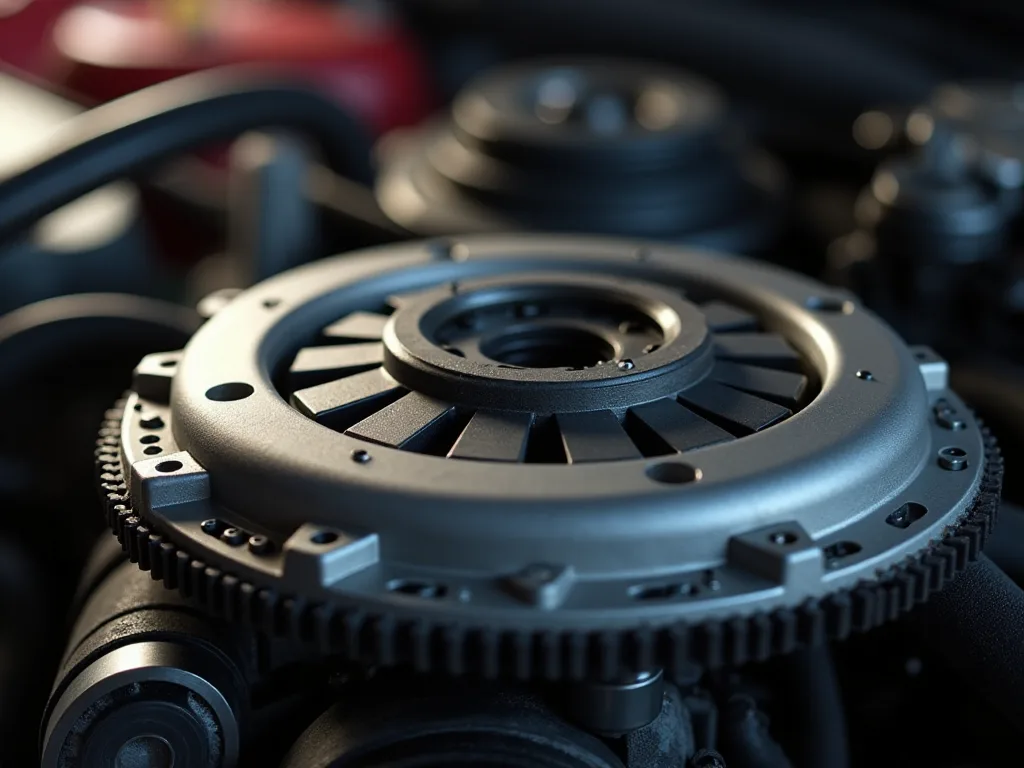
A performance clutch is an engineered upgrade from factory-installed clutch systems, specifically designed to handle significantly greater power output and torque loads. Unlike standard original equipment manufacturer (OEM) clutches that prioritize comfort, quiet operation, and longevity under normal driving conditions, performance clutches are built with enhanced materials and advanced engineering to withstand the extreme forces generated by modified engines, aggressive driving styles, and demanding applications.
These specialized clutch systems typically feature friction materials with higher coefficients of friction, stronger pressure plate springs that apply greater clamping force, and more robust construction throughout. The clutch disc itself may incorporate materials like Kevlar, carbon fiber, ceramic, or sintered metallic compounds—each offering distinct characteristics in terms of engagement feel, heat resistance, and durability. The pressure plate assembly is reinforced to maintain consistent clamping pressure even under extreme temperatures, while the flywheel may be lightened or strengthened depending on the application.
The Science Behind Torque Capacity
Torque capacity refers to the maximum amount of rotational force a clutch can reliably transmit from the engine to the transmission without slipping. This measurement is typically expressed in pound-feet (lb-ft) or Newton-meters (Nm). When your engine produces torque through combustion, the clutch must clamp the flywheel and clutch disc together with sufficient force to transfer that power without allowing the surfaces to slip against each other.
Stock clutches are engineered with a specific torque capacity that matches the factory engine output with a modest safety margin. For example, if your vehicle produces 250 lb-ft of torque from the factory, the OEM clutch might be rated for 300-350 lb-ft to provide a buffer for normal wear and occasional spirited driving. However, when you add a turbocharger, supercharger, nitrous oxide system, or perform significant engine modifications, your torque output can easily exceed this capacity by 50%, 100%, or even more. When torque exceeds clutch capacity, the clutch begins to slip—generating excessive heat, accelerating wear, and ultimately failing to transfer power effectively.
Performance clutches address this limitation by increasing clamping force through stronger pressure plate springs and utilizing friction materials with superior grip characteristics. A quality performance clutch might offer torque capacity ranging from 400 lb-ft for mildly modified street vehicles to over 1,000 lb-ft for serious racing applications. This increased capacity ensures that even under maximum load—such as launching from a stoplight, accelerating hard through gears, or pulling heavy loads—the clutch maintains positive engagement without slipping.
Comprehensive Benefits of Performance Clutch Upgrades for Nashville Drivers
Superior Torque Handling and Elimination of Clutch Slip
The primary advantage of upgrading to a performance clutch with higher torque capacity is the ability to handle substantially increased engine output without experiencing clutch slip. Clutch slip occurs when the friction surfaces cannot maintain adequate grip under load, causing the engine to rev without corresponding acceleration. This not only robs your vehicle of performance but also generates destructive heat that rapidly degrades clutch components.
For Nashville drivers who have invested in engine modifications—whether a simple cold air intake and tune or a comprehensive forced induction system—a performance clutch ensures that every bit of that hard-earned horsepower and torque reaches the wheels. This is particularly important for turbocharged and supercharged applications where torque can spike dramatically across the powerband. A stock clutch might hold up under steady-state conditions but fail catastrophically during aggressive launches or high-load situations like climbing the hills around Percy Priest Lake or accelerating onto highway on-ramps.
The increased clamping force provided by performance clutch pressure plates creates a more secure connection between engine and transmission. This means you can confidently exploit your vehicle's full potential without the anxiety of clutch failure during critical moments. Whether you're competing in autocross events, enjoying spirited drives through the scenic backroads of Williamson County, or simply want the peace of mind that your clutch can handle whatever you throw at it, the superior torque capacity of a performance clutch delivers tangible benefits.
Enhanced Acceleration and Power Transfer Efficiency
Beyond simply preventing slip, performance clutches often improve the efficiency and character of power transfer from engine to wheels. The enhanced friction materials and optimized pressure plate designs allow for more direct engagement, reducing energy losses that occur in stock clutches. This translates to improved acceleration times and more responsive throttle input, particularly noticeable during hard launches and aggressive gear changes.
Many performance clutches feature lighter flywheels or are designed to work with aftermarket lightweight flywheel assemblies. Reducing rotational mass in the drivetrain allows the engine to rev more freely, improving throttle response and making the vehicle feel more eager and connected to driver inputs. This is especially beneficial for Nashville's varied driving environment—from the quick reactions needed in downtown traffic to the sustained acceleration required for highway merging and passing.
The improved power transfer characteristics also benefit fuel economy in certain scenarios. When a clutch maintains positive engagement without slip, the engine operates more efficiently because all the combustion energy is being converted to forward motion rather than being wasted as heat through slipping friction surfaces. While performance clutches are rarely installed primarily for fuel economy, this secondary benefit is a welcome addition for daily drivers who want performance without completely sacrificing efficiency.
Exceptional Durability and Extended Service Life
Performance clutches are constructed from premium materials specifically selected for their durability under extreme conditions. The friction materials used in performance clutch discs are engineered to withstand higher temperatures without glazing, fading, or deteriorating. Materials like organic compounds reinforced with Kevlar fibers, ceramic composites, and sintered metallic materials offer substantially greater heat resistance and wear characteristics compared to the organic materials used in most stock clutches.
The pressure plate assemblies in performance clutches feature heavier-duty diaphragm springs or coil spring designs that maintain consistent clamping force throughout their service life. Stock pressure plates can lose clamping force as they heat cycle and age, leading to premature clutch slip even when the friction material still has life remaining. Performance pressure plates are built to resist this degradation, ensuring reliable operation for tens of thousands of miles even under demanding use.
For Nashville drivers who use their vehicles for both daily transportation and weekend performance driving, this durability advantage is particularly valuable. The clutch must endure the heat and wear of stop-and-go traffic on West End Avenue during rush hour, then perform flawlessly during a spirited drive through the Natchez Trace or a track day at Nashville Superspeedway. A quality performance clutch handles this diverse duty cycle far better than a stock clutch, which may excel in one scenario but struggle in the other.
The extended service life of performance clutches also represents significant long-term value. While the initial investment is higher than a stock replacement, the increased durability means fewer replacements over the vehicle's lifetime. When you factor in labor costs for clutch installation—which can be substantial given the complexity of the job—the total cost of ownership often favors the performance clutch, especially for vehicles that will be kept long-term or subjected to demanding use.
Improved Driver Control and Engagement Characteristics
One of the most immediately noticeable benefits of upgrading to a performance clutch is the improvement in pedal feel and engagement characteristics. Performance clutches typically offer a more defined engagement point—the specific position in the pedal travel where the clutch begins to transmit power. This precision allows skilled drivers to modulate power delivery with greater accuracy, which is essential for techniques like heel-toe downshifting, rev-matching, and launching with optimal wheel slip.
The increased pedal effort required by many performance clutches, while initially requiring an adjustment period, provides better feedback about clutch engagement. This tactile information helps drivers develop smoother shifting techniques and better understand what's happening in the drivetrain. For enthusiasts who view driving as an engaging, interactive experience rather than merely transportation, this enhanced connection between driver and machine is highly valued.
Different performance clutch designs offer varying engagement characteristics to suit different driving styles and applications. Street-oriented performance clutches prioritize relatively smooth engagement with moderate pedal effort, making them suitable for daily driving while still offering substantial performance improvements. Stage 2 and Stage 3 clutches provide more aggressive engagement with higher clamping forces, ideal for modified vehicles with significant power increases. Competition clutches may feature very aggressive, on-off engagement characteristics that are challenging for street use but perfect for drag racing or road racing where smooth modulation is less important than maximum holding power.
Heat Management and Fade Resistance
Heat is the enemy of clutch performance and longevity. Every time the clutch engages while there's a speed difference between the engine and transmission—such as during launches or gear changes—friction generates heat. Under normal driving conditions, stock clutches can dissipate this heat adequately. However, aggressive driving, repeated hard launches, or extended periods of clutch slip (such as creeping in traffic or holding the vehicle on a hill) can cause temperatures to soar.
When clutch temperatures exceed design limits, several problems occur. The friction material can glaze, creating a smooth, glassy surface that dramatically reduces grip. Organic materials can outgas, releasing compounds that contaminate the friction surfaces and cause shudder or chatter. Pressure plate springs can lose temper, reducing clamping force. In extreme cases, the clutch disc can warp or the friction material can separate from its backing plate, leading to catastrophic failure.
Performance clutches address heat management through multiple strategies. The friction materials are formulated to maintain consistent coefficients of friction across a wide temperature range, resisting fade even when temperatures climb. Many performance clutch discs feature enhanced cooling designs, such as marcel springs that create air gaps for better heat dissipation, or segmented friction surfaces that allow heat to escape more effectively. Some high-performance applications use multi-disc clutch designs that spread the heat load across multiple friction surfaces, dramatically improving thermal capacity.
For Nashville drivers who encounter diverse conditions—from the heat-soaked traffic jams of summer afternoons to the demanding thermal loads of performance driving—this fade resistance ensures consistent clutch performance regardless of conditions. You won't experience the gradual loss of grip that can occur with overheated stock clutches, maintaining confidence in your vehicle's performance even during extended demanding use.
Customization Options for Specific Applications
The performance clutch market offers an extensive range of options tailored to specific vehicle applications, power levels, and driving styles. This customization capability allows Nashville drivers to select a clutch system that perfectly matches their needs rather than settling for a one-size-fits-all solution.
For street-driven vehicles with mild to moderate modifications, street performance clutches offer increased torque capacity (typically 20-50% over stock) while maintaining relatively comfortable engagement and pedal effort. These clutches use organic friction materials, often reinforced with Kevlar or other high-strength fibers, providing excellent durability and smooth operation suitable for daily driving. They're ideal for vehicles with bolt-on modifications like exhaust systems, intakes, and mild tunes that increase power without dramatically altering the vehicle's character.
Street/strip clutches represent the middle ground, offering substantial torque capacity increases (50-100% or more over stock) while remaining streetable with some compromises. These often feature ceramic or ceramic-metallic friction materials that provide excellent grip and heat resistance. The engagement may be more abrupt than stock, and pedal effort is typically higher, but they remain manageable for regular street use while delivering the holding power needed for serious performance applications. These are popular choices for turbocharged vehicles, drag racing applications, and heavily modified street cars.
Competition clutches are designed for maximum performance with minimal concern for street manners. These may feature full metallic or sintered iron friction materials, multi-disc designs, or aggressive pressure plate configurations that deliver extreme torque capacity and durability under racing conditions. The engagement is typically very aggressive—almost on-off in character—and pedal effort can be quite heavy. While technically street-legal, these clutches are best suited for dedicated race vehicles or street cars that see primarily track use.
Beyond friction material selection, performance clutches offer options in disc design (solid, sprung, or rigid hub), flywheel weight (stock, lightened, or ultra-lightweight), and pressure plate configuration (diaphragm or coil spring). Working with knowledgeable Nashville automotive specialists helps ensure you select the optimal combination for your specific vehicle, modifications, and intended use.
Performance Clutches for Different Vehicle Types and Applications
Sports Cars and Performance Vehicles
Sports cars and performance-oriented vehicles are natural candidates for performance clutch upgrades. Whether you're driving a Mustang GT, Camaro SS, Corvette, Subaru WRX, or any of the numerous performance vehicles popular in Nashville's enthusiast community, a performance clutch unlocks the full potential of engine modifications while improving the driving experience.
These vehicles often come from the factory with clutches that are adequate for stock power levels but quickly become overwhelmed when owners add performance modifications. A simple ECU tune can increase torque output by 15-20%, while more substantial modifications like turbocharger upgrades, supercharger installations, or engine builds can double or triple factory torque figures. A performance clutch ensures that this increased output translates to improved acceleration rather than clutch slip and premature failure.
For track-focused sports cars, the benefits extend beyond simple torque capacity. The improved heat management and fade resistance of performance clutches maintain consistent performance during track sessions where repeated hard launches and aggressive downshifts generate tremendous thermal loads. The precise engagement characteristics allow for advanced driving techniques that can shave seconds off lap times. Many Nashville-area drivers who participate in track days at Nashville Superspeedway or travel to nearby facilities like Barber Motorsports Park find that a performance clutch is one of the most impactful upgrades for both performance and reliability.
Trucks and Heavy-Duty Applications
Pickup trucks and heavy-duty vehicles present unique challenges for clutch systems. These vehicles often tow trailers, haul heavy loads, or serve as work vehicles subjected to demanding duty cycles. When you add the weight of a loaded trailer or bed to the equation, the torque demands on the clutch multiply significantly, especially during launches and hill starts.
Many truck owners also modify their diesel engines for increased power and torque. Diesel performance modifications can produce dramatic torque increases—a tuned diesel truck might generate 500-700 lb-ft of torque or more, far exceeding the capacity of stock clutches. Performance clutches designed for diesel applications feature robust construction and friction materials specifically formulated for the high-torque, low-RPM characteristics of diesel engines.
For Nashville truck owners who regularly tow boats to Percy Priest Lake or Old Hickory Lake, haul equipment for work, or use their trucks for recreational activities, a performance clutch provides the confidence that the clutch won't slip when pulling away with a heavy load. The improved durability also means fewer replacements despite the demanding use, reducing downtime and maintenance costs over the vehicle's lifetime.
Import Tuners and Modified Vehicles
The import tuner scene in Nashville is vibrant and growing, with enthusiasts building everything from turbocharged Hondas and Acuras to modified Subarus, Mitsubishis, and Nissans. These vehicles are often extensively modified with turbocharger upgrades, engine management systems, fuel system enhancements, and supporting modifications that can double or triple factory power output.
For these applications, a performance clutch isn't just beneficial—it's absolutely essential. The stock clutches in most import vehicles are designed for efficient, economical transportation and simply cannot handle the power levels achieved through serious modifications. A slipping clutch not only prevents you from enjoying the fruits of your modification investment but can also cause dangerous situations if the clutch fails to hold during critical moments like highway merging or passing.
The import performance market offers an exceptional range of clutch options from specialized manufacturers who understand the unique requirements of these platforms. Companies like ACT, Clutch Masters, Competition Clutch, and Exedy offer application-specific clutches engineered for popular import platforms, with options ranging from mild street upgrades to extreme competition clutches capable of handling 1,000+ horsepower.
Classic and Muscle Cars
Nashville's classic car community is passionate about preserving and enhancing vintage American muscle and classic vehicles. Whether you're restoring a numbers-matching classic or building a pro-touring restomod, the clutch system deserves careful consideration. Many classic vehicles came from the factory with clutches that were adequate for their era but don't meet modern performance or durability standards.
Modern performance clutches offer dramatic improvements over vintage clutch technology. Contemporary friction materials provide better grip, heat resistance, and longevity than the organic materials used in classic clutches. Modern pressure plate designs deliver more consistent clamping force with less pedal effort. For classic car owners who want to enjoy their vehicles rather than constantly maintaining them, a modern performance clutch is a worthwhile upgrade that improves both performance and reliability.
Restomod builds—classic vehicles updated with modern powertrains and performance components—particularly benefit from performance clutches. When you install a modern LS engine, Coyote motor, or other contemporary powertrain in a classic chassis, you need a clutch system that can handle the power and torque characteristics of these modern engines. Performance clutch manufacturers offer solutions specifically designed for these swaps, ensuring proper fitment and optimal performance.
Understanding Clutch Stages and Selecting the Right Performance Level
Stage 1: Street Performance Clutches
Stage 1 performance clutches represent the entry point into performance clutch upgrades, offering modest improvements over stock while maintaining excellent street manners. These clutches typically feature organic friction materials, often reinforced with Kevlar or other high-strength fibers, providing torque capacity increases of approximately 20-40% over stock. The engagement characteristics remain smooth and progressive, similar to stock clutches, making them comfortable for daily driving in Nashville's varied traffic conditions.
Stage 1 clutches are ideal for vehicles with mild modifications such as exhaust systems, cold air intakes, and conservative ECU tunes that increase power by 10-25%. They're also excellent choices for stock vehicles where the owner wants improved durability and longevity over OEM replacement clutches. The pedal effort is typically similar to or only slightly heavier than stock, requiring no adjustment period for most drivers.
For Nashville drivers who primarily use their vehicles for daily transportation but occasionally enjoy spirited driving or participate in casual automotive events, Stage 1 clutches offer the best balance of performance improvement and everyday usability. They provide peace of mind that the clutch can handle occasional aggressive driving without the compromises in comfort and engagement smoothness that come with more aggressive clutch designs.
Stage 2: Street/Performance Clutches
Stage 2 clutches step up the performance significantly, offering torque capacity increases of 40-70% over stock while remaining suitable for street use with some compromises. These clutches often feature Kevlar-ceramic or full ceramic friction materials that provide excellent grip and heat resistance. The engagement is more aggressive than Stage 1 clutches—less progressive and more direct—which some drivers find engaging and sporty while others may find challenging in stop-and-go traffic.
Pedal effort increases noticeably with Stage 2 clutches, typically requiring 20-40% more force than stock. While this isn't problematic for most drivers, those with physical limitations or who spend extensive time in heavy traffic may find the increased effort fatiguing. The trade-off is substantially improved performance and durability, making Stage 2 clutches popular choices for modified vehicles with turbocharger upgrades, significant engine tuning, or other modifications that increase power by 25-60%.
Stage 2 clutches are well-suited for Nashville enthusiasts who use their vehicles as daily drivers but also participate in performance driving events, drag racing, or autocross. They provide the holding power needed for serious performance applications while remaining manageable for regular street use. The more aggressive engagement can actually improve launch consistency for drag racing, as the reduced modulation range makes it easier to achieve repeatable launches.
Stage 3: Competition/Street Clutches
Stage 3 clutches are designed for heavily modified vehicles and represent the upper limit of what most drivers would consider streetable. These clutches offer torque capacity increases of 70-120% or more over stock, utilizing ceramic or ceramic-metallic friction materials and aggressive pressure plate designs. The engagement is very direct—almost on-off in character—with minimal modulation range. This makes smooth engagement in traffic challenging and requires significant driver skill and attention.
Pedal effort with Stage 3 clutches is substantially higher than stock, often requiring 50-80% more force. Extended periods in stop-and-go traffic can be genuinely fatiguing, and drivers with physical limitations may find these clutches unsuitable. However, for vehicles with serious modifications—big turbo upgrades, supercharger systems, built engines, or other modifications producing 60-100%+ power increases—Stage 3 clutches provide the holding power necessary to reliably transmit that power to the wheels.
Stage 3 clutches are best suited for vehicles that see regular track use, drag racing, or other competition applications while still being driven on the street occasionally. They're popular in the Nashville street racing and track day communities where maximum performance takes priority over comfort. The aggressive engagement and high clamping force ensure that even under the most demanding conditions—hard launches, aggressive downshifts, sustained high-load operation—the clutch maintains positive engagement without slip.
Stage 4 and Beyond: Competition-Only Clutches
Stage 4 and higher clutches, along with specialized competition clutches, are designed primarily for racing applications with minimal concern for street manners. These may feature full metallic or sintered iron friction materials, multi-disc designs, or exotic configurations that deliver extreme torque capacity for high-horsepower racing applications. The engagement is typically very aggressive, pedal effort can be extremely heavy, and the clutch may chatter or grab harshly at low speeds.
While these clutches are technically street-legal in most jurisdictions, they're genuinely challenging to use on the street and are best reserved for dedicated race vehicles or street/strip cars that see minimal street use. For Nashville drivers building serious race cars or extreme performance vehicles, these clutches provide the ultimate in holding power and durability under racing conditions, but they require significant driver skill and tolerance for compromised street manners.
The Installation Process and What Nashville Drivers Should Expect
Complexity and Labor Requirements
Clutch installation is a labor-intensive process that requires significant mechanical expertise and specialized tools. The transmission must be completely removed from the vehicle to access the clutch assembly, which involves disconnecting the driveshaft, shifter linkage, electrical connections, hydraulic lines, and numerous mounting bolts. In some vehicles, additional components like exhaust systems or crossmembers must be removed to provide clearance for transmission removal.
The labor time for clutch installation varies significantly depending on vehicle design. Front-wheel-drive vehicles often require more extensive disassembly, as the transmission is integrated with the differential and may require removal of axles, suspension components, and subframe elements. Rear-wheel-drive vehicles are generally more straightforward, though some modern vehicles with complex packaging can still present challenges. Labor times typically range from 4-8 hours for straightforward installations to 10-15 hours or more for complex vehicles.
Given the complexity and labor requirements, clutch installation is not typically a DIY project for most enthusiasts unless they have significant mechanical experience, proper tools, and adequate workspace. Professional installation by experienced Nashville automotive technicians ensures proper installation, appropriate torque specifications, and correct adjustment of hydraulic or cable clutch actuation systems.
Associated Components and Recommended Replacements
When installing a performance clutch, several associated components should be inspected and often replaced to ensure optimal performance and longevity. The flywheel is the most critical associated component—it provides the friction surface that the clutch disc clamps against and must be in excellent condition for proper clutch operation. Flywheels can be resurfaced if they're within specifications, but many performance clutch installations include a new or upgraded flywheel.
Lightweight flywheels are popular upgrades that reduce rotational mass in the drivetrain, improving throttle response and allowing the engine to rev more freely. However, they also reduce the flywheel's ability to smooth out engine pulses, which can result in increased gear rattle at idle and slightly more challenging low-speed driving. For street-driven vehicles, a moderately lightened flywheel (10-20% weight reduction) offers improved response without excessive compromise, while race vehicles may benefit from more aggressive weight reduction.
The pilot bearing or bushing, which supports the input shaft of the transmission, should always be replaced during clutch installation. This inexpensive component is difficult to access once the transmission is installed, and failure can cause noise, vibration, and difficulty shifting. The throwout bearing (also called release bearing) should also be replaced, as it experiences significant wear and is inexpensive compared to the labor required to access it later.
Hydraulic clutch systems should have the slave cylinder inspected and often replaced, especially on higher-mileage vehicles. The increased clamping force of performance clutches can accelerate wear on hydraulic components, and replacing the slave cylinder during clutch installation prevents future failures. The clutch master cylinder should also be inspected, and the entire hydraulic system should be bled with fresh fluid to ensure proper operation.
Break-In Procedures and Initial Operation
Performance clutches require proper break-in procedures to achieve optimal performance and longevity. The friction surfaces must mate properly through a process of controlled heat cycling and bedding. Most manufacturers recommend a break-in period of 500-1,000 miles during which aggressive driving, hard launches, and extended clutch slip should be avoided.
During the break-in period, drivers should focus on smooth, progressive engagement and avoid holding the vehicle on hills using clutch slip. Normal driving with gentle acceleration and deceleration allows the friction surfaces to mate properly without generating excessive heat that could glaze the surfaces or cause premature wear. After the initial break-in period, the clutch can be used more aggressively, though proper driving techniques—minimizing unnecessary slip and avoiding riding the clutch—remain important for maximizing longevity.
Some performance clutches, particularly those with ceramic or metallic friction materials, may exhibit chatter or grabby engagement when cold, especially during the break-in period. This is normal and typically improves as the clutch beds in and reaches operating temperature. However, excessive chatter or vibration may indicate installation issues and should be evaluated by a professional technician.
Cost Considerations and Value Analysis for Nashville Vehicle Owners
Initial Investment and Pricing Factors
The cost of upgrading to a performance clutch varies significantly based on several factors including the specific vehicle application, the performance level selected, and whether additional components like flywheels are included. Entry-level Stage 1 performance clutches typically range from $300-600 for the clutch kit alone, while Stage 2 and Stage 3 clutches range from $500-1,200 or more. High-end competition clutches and multi-disc systems can exceed $2,000-3,000 for extreme applications.
Installation labor represents a significant portion of the total cost, typically ranging from $500-1,500 depending on vehicle complexity and local labor rates in the Nashville area. When you factor in associated components like flywheels ($200-800), pilot bearings ($15-50), throwout bearings ($30-100), and hydraulic components ($50-300), the total investment for a complete performance clutch upgrade typically ranges from $1,200-3,000 for most street applications, with extreme performance or competition applications potentially exceeding $4,000-5,000.
While this represents a substantial investment, it's important to consider the value proposition in context. For modified vehicles where the stock clutch is inadequate, a performance clutch isn't optional—it's necessary to safely and reliably use the vehicle's power. The alternative is repeated stock clutch failures, each requiring similar labor costs for replacement while providing inadequate performance and durability.
Long-Term Value and Total Cost of Ownership
When evaluating the cost of a performance clutch upgrade, considering the total cost of ownership over the vehicle's lifetime provides important perspective. A quality performance clutch typically lasts 50,000-100,000 miles or more in street-driven vehicles, compared to 30,000-60,000 miles for stock clutches in similar applications. For modified vehicles subjected to aggressive driving, the difference is even more pronounced—a stock clutch might last only 10,000-20,000 miles before slipping or failing, while a properly selected performance clutch can endure 50,000+ miles of hard use.
Given that labor costs are similar regardless of which clutch is installed, the longer service life of performance clutches means fewer replacements over the vehicle's lifetime. If you keep your vehicle for 150,000 miles, you might need 3-5 stock clutch replacements compared to 1-2 performance clutch replacements. When you factor in the labor costs for each replacement, the total cost of ownership often favors the performance clutch despite the higher initial investment.
Additionally, the improved performance and driving experience provided by a quality performance clutch adds value that's difficult to quantify financially. The confidence of knowing your clutch can handle your vehicle's power, the improved acceleration and responsiveness, and the enhanced driving engagement all contribute to ownership satisfaction and enjoyment—factors that are particularly important for enthusiasts who view their vehicles as more than mere transportation.
Protecting Your Investment Through Proper Use and Maintenance
Maximizing the value of your performance clutch investment requires proper driving techniques and maintenance practices. While performance clutches are designed to handle aggressive use, they're not indestructible, and improper operation can dramatically shorten their service life. Avoiding common clutch-damaging behaviors helps ensure you get the full service life from your investment.
Riding the clutch—resting your foot on the clutch pedal while driving—is one of the most common clutch-damaging habits. Even light pressure on the pedal can partially disengage the clutch, causing slip and generating heat that accelerates wear. Always rest your foot on the dead pedal or floor when not actively shifting. Similarly, avoid holding the vehicle on hills using clutch slip; use the brake pedal instead, then smoothly engage the clutch when ready to proceed.
Proper shifting technique minimizes clutch wear and improves driving smoothness. Fully depress the clutch pedal when shifting, allow the transmission to fully engage each gear before releasing the clutch, and avoid rushing shifts. Rev-matching during downshifts—blipping the throttle to match engine speed to the lower gear—reduces the load on the clutch and synchronizers, improving smoothness and reducing wear.
Regular inspection and maintenance of the clutch hydraulic system (for hydraulically actuated clutches) or cable system (for cable-actuated clutches) ensures proper operation and prevents premature wear. Hydraulic fluid should be changed periodically according to manufacturer recommendations, and the system should be inspected for leaks. Cable systems should be lubricated and adjusted to maintain proper free play. These simple maintenance tasks help ensure optimal clutch operation and longevity.
Why Choose Local Nashville Automotive Specialists for Performance Clutch Installation
Local Expertise and Understanding of Regional Driving Conditions
Nashville's automotive specialists bring valuable local knowledge and expertise to performance clutch selection and installation. They understand the unique driving conditions in Middle Tennessee—from the stop-and-go traffic on I-24 and I-65 during rush hour to the scenic driving roads through the surrounding hills and countryside. This regional expertise helps them recommend clutch solutions that balance performance with the practical realities of daily driving in the Nashville area.
Local specialists are also familiar with the popular vehicle platforms and modification trends in Nashville's automotive community. They know which clutch brands and models have proven reliable in local applications and can share insights from their experience with similar builds. This practical, real-world knowledge complements technical specifications and manufacturer claims, helping ensure you select a clutch that delivers the promised performance and reliability.
The Nashville automotive community is tight-knit, with enthusiasts sharing information and recommendations through car clubs, social media groups, and automotive events. Local specialists who have built strong reputations within this community have done so by consistently delivering quality work and standing behind their installations. Choosing a well-regarded local shop provides confidence that your performance clutch upgrade will be executed properly and that support will be available if any issues arise.
Access to Quality Parts and Manufacturer Relationships
Established Nashville performance shops maintain relationships with leading clutch manufacturers and distributors, providing access to quality parts and often preferential pricing. These relationships also provide technical support channels when unusual applications or installation challenges arise. If a specific clutch requires custom modifications or special installation procedures, shops with strong manufacturer relationships can access engineering support to ensure proper installation.
Quality shops also stand behind the parts they install, offering warranties on both parts and labor. If a clutch develops issues during the warranty period, a reputable local shop will work with the manufacturer to resolve the problem and ensure customer satisfaction. This support and accountability is valuable protection for your investment and provides peace of mind that you're not on your own if problems arise.
Comprehensive Service and Supporting Modifications
Performance clutch installation often reveals opportunities for additional upgrades or maintenance that improve overall vehicle performance and reliability. Experienced Nashville technicians can identify worn or marginal components during the installation process and recommend appropriate replacements or upgrades. This might include transmission mounts, shifter bushings, hydraulic lines, or other components that affect clutch operation and driving feel.
Many performance shops offer comprehensive services beyond clutch installation, including engine tuning, suspension upgrades, brake improvements, and other modifications. Working with a shop that can handle multiple aspects of your build creates synergy and ensures that all modifications work together harmoniously. A clutch upgrade might be one component of a larger performance build, and having a single trusted shop coordinate the entire project simplifies the process and often produces better results than piecing together services from multiple providers.
Ongoing Support and Community Connection
Building a relationship with a local Nashville performance shop provides ongoing value beyond the initial installation. As you continue to modify and develop your vehicle, having a trusted advisor who understands your build and goals helps ensure that future modifications are compatible and complementary. They can provide guidance on upgrade paths, warn against problematic combinations, and help you avoid costly mistakes.
Many Nashville performance shops serve as community hubs for local enthusiasts, hosting events, facilitating connections between like-minded owners, and fostering the local automotive culture. Becoming part of this community provides access to collective knowledge, opportunities to participate in group drives and events, and the camaraderie that makes automotive enthusiasm rewarding beyond the mechanical aspects.
Common Misconceptions About Performance Clutches
Myth: Performance Clutches Are Only for Race Cars
One of the most persistent misconceptions is that performance clutches are only appropriate for dedicated race vehicles and are too aggressive for street use. While it's true that extreme competition clutches sacrifice street manners for maximum performance, the performance clutch market offers a wide spectrum of options, many of which are entirely suitable for daily driving while providing substantial benefits over stock clutches.
Stage 1 and many Stage 2 performance clutches maintain comfortable engagement characteristics and reasonable pedal effort while offering improved torque capacity, durability, and heat resistance. These clutches are designed specifically for street use and provide tangible benefits for daily drivers without the compromises associated with competition clutches. Nashville drivers who want improved reliability and longevity from their clutch system can benefit from performance clutch upgrades even if they never visit a racetrack.
Myth: Performance Clutches Require Constant Maintenance
Another common misconception is that performance clutches require extensive maintenance and frequent adjustment. In reality, modern performance clutches are designed for reliable, low-maintenance operation. Once properly installed and broken in, they require no more maintenance than stock clutches—just periodic inspection of hydraulic or cable actuation systems and proper driving technique to maximize longevity.
The confusion may stem from older clutch designs or extreme competition clutches that did require frequent adjustment and maintenance. Contemporary street performance clutches use self-adjusting hydraulic actuation systems or properly adjusted cable systems that maintain correct operation throughout their service life without intervention. The improved durability of performance clutches actually means less frequent replacement compared to stock clutches, reducing long-term maintenance requirements.
Myth: All Performance Clutches Have Heavy, Difficult Pedals
While it's true that many performance clutches require increased pedal effort compared to stock, the degree of increase varies significantly depending on the clutch design and performance level. Stage 1 clutches often have pedal effort very similar to stock, while Stage 2 clutches typically require moderately increased effort that most drivers adapt to quickly. Only aggressive Stage 3 and competition clutches have truly heavy pedal effort that might be challenging for some drivers.
Additionally, clutch manufacturers have made significant advances in pressure plate design that maximize clamping force while minimizing pedal effort. Modern diaphragm spring designs and leverage ratios allow performance clutches to achieve high torque capacity without proportionally increasing pedal effort. For Nashville drivers concerned about pedal effort, discussing this concern with knowledgeable specialists helps identify clutch options that provide the needed performance without excessive pedal weight.
Myth: Performance Clutches Wear Out Faster Than Stock
Some people assume that because performance clutches are designed for aggressive use, they must wear out faster than stock clutches. The opposite is typically true—performance clutches are built with more durable materials and robust construction specifically to provide longer service life under demanding conditions. The premium friction materials, stronger pressure plates, and superior heat resistance of performance clutches contribute to extended longevity compared to stock clutches, especially in modified or aggressively driven vehicles.
The key factor in clutch longevity is proper application selection and driving technique, not whether the clutch is stock or performance. A properly selected performance clutch used with good driving technique will typically outlast a stock clutch in the same application. The confusion may arise from situations where an inappropriate clutch was selected (such as a competition clutch used for daily driving in heavy traffic) or where poor driving technique accelerates wear regardless of clutch type.
The Future of Performance Clutch Technology
Advanced Materials and Manufacturing Techniques
The performance clutch industry continues to evolve with advances in materials science and manufacturing technology. New friction material formulations incorporate advanced compounds that provide improved grip, heat resistance, and longevity while maintaining smooth engagement characteristics. Carbon-carbon composites, originally developed for aerospace and racing applications, are becoming more accessible for high-performance street applications, offering exceptional thermal stability and wear resistance.
Manufacturing advances like computer-controlled machining and precision balancing ensure tighter tolerances and more consistent performance across production runs. Finite element analysis and computer simulation allow engineers to optimize pressure plate designs for maximum clamping force with minimal pedal effort, creating clutches that outperform previous generations while being easier to use. These technological advances benefit Nashville drivers by providing access to clutch systems that deliver better performance, durability, and usability than ever before.
Integration with Modern Vehicle Systems
As vehicles become increasingly sophisticated with advanced electronic systems, performance clutch manufacturers are developing products that integrate seamlessly with these technologies. Some modern vehicles feature electronic clutch management systems that monitor clutch operation and adjust parameters for optimal performance. Performance clutches designed for these applications must work within these electronic frameworks while still delivering enhanced capability.
The growing popularity of dual-clutch transmissions and automated manual transmissions presents new opportunities and challenges for performance clutch development. While these systems use different clutch designs than traditional manual transmissions, the fundamental principles of torque capacity, heat management, and durability remain relevant. Performance clutch manufacturers are developing upgraded clutch packs and components for these systems, allowing enthusiasts to enhance the performance of vehicles with automated transmissions.
Sustainability and Environmental Considerations
The automotive industry's increasing focus on sustainability is influencing performance clutch development. Manufacturers are exploring friction materials that reduce environmental impact while maintaining performance characteristics. This includes developing materials that produce less dust during wear, using more sustainable manufacturing processes, and designing clutches for easier recycling at end of life.
The extended service life of quality performance clutches already contributes to sustainability by reducing the frequency of replacements and associated resource consumption. As environmental awareness grows within the automotive enthusiast community, these considerations are becoming more important to Nashville drivers who want to enjoy performance vehicles while minimizing environmental impact.
Real-World Performance Gains: What Nashville Drivers Can Expect
Measurable Performance Improvements
While performance clutches don't directly increase engine power, they enable more effective power delivery that translates to measurable performance improvements. Vehicles with slipping stock clutches that upgrade to appropriate performance clutches often see dramatic improvements in acceleration times—sometimes reducing quarter-mile times by half a second or more simply by eliminating clutch slip and improving power transfer efficiency.
Even vehicles with stock power levels can benefit from the improved power transfer characteristics of performance clutches. The more direct engagement and reduced energy losses result in slightly improved acceleration and throttle response. While these improvements might not be dramatic enough to measure on a stopwatch, they're noticeable to attentive drivers and contribute to a more engaging driving experience.
For modified vehicles, the performance gains are more substantial. A turbocharged vehicle that was experiencing clutch slip under boost will see dramatic improvements once a proper performance clutch is installed. The ability to use full throttle without clutch slip means the vehicle can finally deliver the performance that the engine modifications promised. Nashville drivers who have invested in engine upgrades often report that the performance clutch installation was the modification that finally allowed them to fully enjoy their build.
Subjective Improvements in Driving Experience
Beyond measurable performance metrics, performance clutches often deliver subjective improvements in driving experience that enthusiasts value highly. The more precise engagement point and improved pedal feel provide better connection between driver and machine, making shifting more engaging and rewarding. For drivers who view operating a manual transmission as an integral part of the driving experience rather than a chore, these improvements significantly enhance enjoyment.
The confidence that comes from knowing your clutch can handle whatever you demand of it is psychologically valuable. Rather than worrying about clutch slip during aggressive driving or being cautious about using full throttle, drivers with proper performance clutches can focus on driving and enjoying their vehicles. This peace of mind is particularly valuable during track days, spirited drives, or competitive events where mental focus should be on driving rather than equipment concerns.
The improved durability and reliability of performance clutches also enhance the ownership experience by reducing unexpected failures and maintenance interruptions. Few things are more frustrating than having a clutch fail during a road trip or important drive. The robust construction and superior materials in performance clutches make such failures far less likely, allowing Nashville drivers to enjoy their vehicles with confidence.
Making the Decision: Is a Performance Clutch Right for Your Nashville Vehicle?
Evaluating Your Needs and Driving Style
Deciding whether to upgrade to a performance clutch requires honest assessment of your vehicle, modifications, and driving style. If your vehicle is stock or mildly modified and you drive primarily for transportation with occasional spirited driving, a Stage 1 performance clutch or even a quality OEM replacement might be sufficient. However, if you've made significant engine modifications, regularly drive aggressively, or participate in performance driving events, a performance clutch becomes increasingly necessary rather than optional.
Consider your future plans for the vehicle. If you're planning additional modifications that will increase power output, selecting a performance clutch with adequate torque capacity for your future build prevents the need for another clutch replacement down the road. Given the labor costs involved in clutch installation, it's often more economical to install a clutch with higher capacity than currently needed rather than upgrading again later.
Your tolerance for compromises in daily driving comfort also factors into the decision. If you spend significant time in heavy traffic and value smooth, effortless clutch operation, a Stage 1 or mild Stage 2 clutch provides performance benefits without substantial compromises. If you're willing to accept heavier pedal effort and more aggressive engagement in exchange for maximum performance, more aggressive clutch options become viable.
Consulting with Professionals
Given the complexity of clutch selection and the significant investment involved, consulting with experienced Nashville automotive professionals is highly recommended. They can evaluate your specific vehicle, modifications, and intended use to recommend appropriate clutch options. Their experience with similar applications provides valuable insight that complements manufacturer specifications and online research.
Quality shops will ask detailed questions about your vehicle, modifications, driving style, and goals to ensure they recommend appropriate solutions. They should be able to explain the trade-offs between different clutch options and help you understand what to expect in terms of engagement characteristics, pedal effort, and performance. If a shop simply recommends the most expensive option without discussing your specific needs, that's a red flag suggesting you should seek advice elsewhere.
Don't hesitate to seek multiple opinions and quotes from different Nashville shops. While you shouldn't necessarily choose based solely on price, comparing recommendations from multiple knowledgeable sources helps ensure you're getting appropriate advice. Consistency across multiple recommendations provides confidence, while significant disagreements might warrant additional research to understand the reasoning behind different approaches.
Conclusion: Maximizing Your Vehicle's Potential in Nashville
Upgrading to a performance clutch with higher torque capacity represents one of the most impactful modifications Nashville drivers can make to improve vehicle performance, reliability, and driving experience. Whether you're building a dedicated track car, enhancing a daily driver, or creating a street/strip machine, the right performance clutch ensures that your vehicle can reliably transmit power from engine to wheels while providing the durability to withstand demanding use.
The benefits extend beyond simple torque capacity. Improved heat management prevents fade during extended performance driving. Enhanced materials and construction provide longevity that reduces long-term maintenance costs. More precise engagement characteristics improve driver control and connection with the vehicle. The confidence that comes from knowing your clutch can handle whatever you demand allows you to fully exploit your vehicle's capabilities without reservation.
Nashville's vibrant automotive community and diverse driving environment—from urban traffic to scenic backroads to nearby racing facilities—demands clutch systems that can handle varied conditions while delivering reliable performance. Local automotive specialists understand these unique requirements and can guide you toward clutch solutions that balance performance with practicality for your specific application.
The investment in a quality performance clutch pays dividends in improved performance, enhanced driving experience, and reduced long-term maintenance costs. For enthusiasts who are passionate about their vehicles and demand more than basic transportation, a performance clutch upgrade is not merely an option—it's an essential component of building a capable, reliable, and enjoyable performance vehicle.
Whether you're just beginning to explore performance modifications or you're a seasoned enthusiast with extensive build experience, taking the time to properly select and install a performance clutch appropriate for your vehicle and driving style ensures that this critical component supports rather than limits your automotive ambitions. Consult with trusted Nashville automotive professionals, research your options thoroughly, and invest in quality components that will serve you reliably for years to come.
For more information on performance clutch options and professional installation services in the Nashville area, consider reaching out to established local performance shops or visiting resources like Clutch Masters or Advanced Clutch Technology to explore available options for your specific vehicle. The right performance clutch transforms your driving experience and unlocks your vehicle's full potential—making it an investment that delivers returns every time you drive.