Table of Contents
Understanding Lightweight Drive Shafts: A Game-Changer for Mazda Performance
In the competitive world of automotive performance enhancement, Mazda enthusiasts across Nashville and beyond are discovering the transformative power of lightweight drive shafts. These precision-engineered components represent one of the most effective upgrades available for drivers seeking to unlock their vehicle's full potential. Whether you're navigating the bustling streets of downtown Nashville, cruising along the scenic Natchez Trace Parkway, or pushing your Mazda to its limits on a track day, lightweight drive shafts deliver measurable improvements in performance, efficiency, and driving dynamics that can fundamentally change your relationship with your vehicle.
The drive shaft serves as a critical link in your vehicle's powertrain system, transferring the rotational force generated by your engine through the transmission to the differential and ultimately to the wheels. While this component might seem like a simple mechanical element, its weight, material composition, and engineering directly impact every aspect of your vehicle's performance. Traditional steel drive shafts, while robust and cost-effective, carry significant weight penalties that affect acceleration, fuel economy, and overall responsiveness. By contrast, modern lightweight alternatives leverage advanced materials and manufacturing techniques to deliver the same strength and reliability while dramatically reducing mass.
For Mazda owners who embrace the brand's "Jinba Ittai" philosophy—the concept of horse and rider as one—lightweight drive shafts represent a natural evolution in the pursuit of driving perfection. These components align perfectly with Mazda's engineering ethos of reducing weight to enhance performance, a principle evident in everything from the MX-5 Miata's minimalist design to the Mazda3's SKYACTIV technology. Understanding how lightweight drive shafts work and the benefits they provide can help you make informed decisions about upgrading your vehicle and achieving the driving experience you've always wanted.
What Are Lightweight Drive Shafts and How Do They Work?
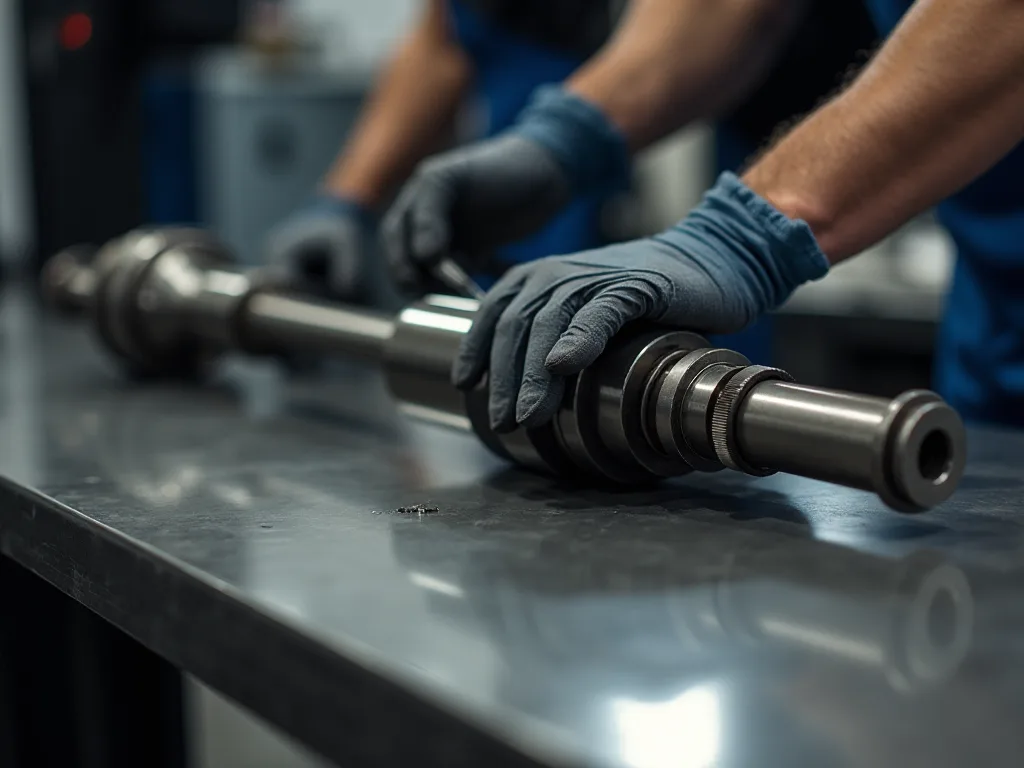
Lightweight drive shafts are precision-engineered drivetrain components designed to transmit power from your vehicle's transmission to the differential with minimal weight and maximum efficiency. Unlike conventional steel drive shafts that have been the industry standard for decades, these advanced alternatives utilize cutting-edge materials such as carbon fiber, aluminum alloys, or chromoly steel to achieve dramatic weight reductions while maintaining or even exceeding the strength characteristics of their heavier counterparts.
The engineering behind lightweight drive shafts involves careful consideration of multiple factors including torsional rigidity, critical speed, balance, and durability. Carbon fiber drive shafts, for example, are constructed using high-modulus carbon fiber filaments wrapped around a mandrel in specific orientations to optimize strength in the directions where stress is greatest. The result is a component that can weigh 50-70% less than a comparable steel shaft while offering superior torsional stiffness and the ability to handle high torque loads without flexing or failing.
Aluminum drive shafts represent another popular option, particularly for street-driven Mazdas where cost considerations play a role. These shafts typically utilize 6061-T6 or 7075-T6 aluminum alloys, which offer excellent strength-to-weight ratios and can reduce drive shaft weight by 30-50% compared to steel. While not as light as carbon fiber alternatives, aluminum shafts provide significant performance benefits at a more accessible price point, making them an attractive option for enthusiasts who want meaningful improvements without breaking the bank.
The manufacturing process for lightweight drive shafts involves sophisticated techniques including computer-aided design, finite element analysis, and precision machining to ensure perfect balance and concentricity. Every shaft must be dynamically balanced to eliminate vibrations that could cause premature wear on universal joints, center bearings, and transmission output shaft bearings. High-quality lightweight drive shafts undergo rigorous testing to verify they can withstand the torsional loads, bending moments, and critical speeds encountered during aggressive driving without failure.
Material Science Behind Performance Drive Shafts
The selection of materials for lightweight drive shafts represents a careful balance between weight reduction, strength, stiffness, and cost. Carbon fiber composites have emerged as the premium choice for serious performance applications due to their exceptional properties. With a tensile strength that can exceed steel while weighing approximately one-fifth as much, carbon fiber allows engineers to create drive shafts that are both incredibly light and remarkably strong. The material's high modulus of elasticity means carbon fiber shafts resist twisting under load, ensuring efficient power transfer even under hard acceleration.
Aluminum alloys offer a different set of advantages that make them ideal for many street performance applications. The 6061-T6 alloy commonly used in drive shaft construction provides good corrosion resistance, excellent machinability, and a favorable strength-to-weight ratio. For applications requiring even greater strength, 7075-T6 aluminum—the same alloy used in aircraft structures—delivers higher tensile strength at the cost of slightly reduced corrosion resistance. Both alloys can be heat-treated and aged to optimize their mechanical properties for specific applications.
Chromoly steel represents a middle ground between traditional steel and exotic lightweight materials. This alloy steel, containing chromium and molybdenum, offers significantly higher strength than mild steel, allowing manufacturers to use thinner wall sections and achieve weight savings of 15-25% while maintaining excellent durability. Chromoly shafts are particularly popular in drag racing applications where extreme torque loads demand maximum strength, but weight reduction remains important for optimal performance.
Comprehensive Benefits of Lightweight Drive Shafts for Mazda Vehicles
The advantages of upgrading to a lightweight drive shaft extend far beyond simple weight reduction. These components deliver a cascade of performance improvements that affect virtually every aspect of your Mazda's driving dynamics, from throttle response and acceleration to handling balance and fuel efficiency. Understanding these benefits in detail can help you appreciate why so many performance-oriented drivers consider lightweight drive shafts among the most effective upgrades available.
Dramatic Reduction in Rotational Mass
One of the most significant advantages of lightweight drive shafts is the reduction in rotational mass, also known as rotational inertia. When you press the accelerator, your engine must not only accelerate the vehicle's total mass but also spin up all the rotating components in the drivetrain including the flywheel, clutch, transmission gears, drive shaft, differential gears, axles, and wheels. Each of these components resists changes in rotational speed due to its moment of inertia, which increases with both mass and the square of the distance from the axis of rotation.
The drive shaft, spinning at transmission output speed, represents a substantial portion of the drivetrain's rotational inertia. By reducing the drive shaft's weight by 50% or more, you effectively decrease the energy required to change its rotational speed. This translates directly into improved throttle response—your engine can rev more freely and quickly because it's not working as hard to spin up the drivetrain. The effect is particularly noticeable during gear changes, where the engine must match speeds with the transmission input shaft. With less rotational mass to accelerate or decelerate, shifts become crisper and more responsive.
The benefits of reduced rotational mass compound throughout the rev range. In lower gears where the drive shaft spins faster relative to vehicle speed, the weight savings have an even more pronounced effect on acceleration. This is why many drivers report that lightweight drive shafts make their Mazda feel more eager and responsive, particularly in the lower gears where spirited driving happens most often. The engine seems to rev more willingly, and the entire powertrain feels more connected and immediate in its responses to throttle inputs.
Enhanced Acceleration and Performance
Improved acceleration represents one of the most tangible and immediately noticeable benefits of installing a lightweight drive shaft in your Mazda. The physics are straightforward: reducing the mass that your engine must accelerate allows more of the engine's power to be directed toward accelerating the vehicle itself. While the absolute weight savings might seem modest—typically 10-30 pounds depending on the vehicle and shaft type—the impact on performance is disproportionately large due to the rotational nature of the mass being reduced.
Automotive engineers often use a multiplier effect when calculating the performance impact of rotational weight reduction. While the exact multiplier varies depending on gear ratios and other factors, a commonly cited rule of thumb suggests that one pound of rotational weight reduction in the drivetrain equals approximately 3-5 pounds of static weight reduction in terms of acceleration performance. This means a 20-pound drive shaft weight savings could have an acceleration benefit equivalent to removing 60-100 pounds of static weight from your vehicle—a significant improvement that would be difficult and expensive to achieve through other means.
Real-world testing consistently demonstrates measurable improvements in acceleration times following lightweight drive shaft installation. Depending on the vehicle, power level, and specific shaft chosen, drivers typically report improvements of 0.1-0.3 seconds in quarter-mile times and similar gains in 0-60 mph acceleration. While these numbers might seem modest, they represent meaningful performance gains that can be achieved without increasing engine power, modifying the engine management system, or making other changes that might affect reliability or drivability.
For Mazda owners who participate in autocross, track days, or other competitive driving events, these acceleration improvements translate directly into better lap times and more competitive performance. The enhanced throttle response and quicker acceleration out of corners allow drivers to carry more momentum through technical sections and achieve higher speeds on straights. Even for daily driving, the improved acceleration makes merging onto highways, passing slower traffic, and navigating urban traffic patterns more confident and enjoyable.
Improved Fuel Efficiency and Economy
While performance enthusiasts often focus on acceleration and power gains, lightweight drive shafts also deliver meaningful improvements in fuel efficiency—a benefit that provides ongoing value throughout your ownership experience. The same reduction in rotational mass that improves acceleration also means your engine requires less energy to maintain cruising speed and overcome drivetrain losses. This translates into reduced fuel consumption, particularly in driving conditions that involve frequent acceleration and deceleration.
Urban driving in Nashville, with its mix of traffic lights, stop signs, and varying traffic flow, represents an ideal scenario for realizing fuel economy benefits from lightweight drive shafts. Every time you accelerate from a stop or slow speed, your engine must expend energy to spin up the drivetrain components. With a lighter drive shaft, less fuel is required for each acceleration event. Over the course of thousands of acceleration cycles throughout a year of driving, these small savings accumulate into measurable improvements in overall fuel economy.
Highway driving also benefits from reduced drivetrain weight, though to a lesser extent than city driving. At steady cruising speeds, the primary energy consumption comes from overcoming aerodynamic drag and rolling resistance rather than accelerating mass. However, the reduced parasitic losses in a lighter drivetrain still contribute to improved efficiency. Additionally, when passing or climbing hills requires acceleration at highway speeds, the lighter drive shaft allows the engine to respond more efficiently without downshifting or working as hard.
Real-world fuel economy improvements from lightweight drive shafts typically range from 1-3% depending on driving conditions, vehicle weight, and driving style. While this might not seem dramatic, it represents genuine savings over time. For a vehicle averaging 30 mpg and driven 15,000 miles annually, a 2% improvement would save approximately 10 gallons of fuel per year. Beyond the financial savings, reduced fuel consumption also means fewer emissions and a smaller environmental footprint—considerations that matter to many environmentally conscious Mazda owners.
Superior Handling and Vehicle Dynamics
The handling benefits of lightweight drive shafts extend beyond simple weight reduction to encompass improvements in weight distribution, suspension performance, and overall vehicle balance. Removing 10-30 pounds from the center of the vehicle, positioned low and near the vehicle's center of gravity, has a favorable effect on weight distribution and polar moment of inertia—the resistance to rotation around the vertical axis that affects how quickly a vehicle can change direction.
For rear-wheel-drive Mazdas like the MX-5 Miata, RX-7, and RX-8, the drive shaft runs the length of the vehicle from the transmission to the rear differential. Reducing weight in this central location helps optimize the front-to-rear weight balance that is crucial for neutral handling characteristics. The lighter drive shaft also reduces the unsprung and semi-sprung mass that the suspension must control, allowing the suspension components to respond more quickly to road irregularities and maintain better tire contact with the road surface.
The improved suspension response translates into more precise handling and better feedback through the steering wheel. Drivers often report that their Mazda feels more agile and responsive after installing a lightweight drive shaft, with quicker turn-in and more predictable behavior at the limit of adhesion. The vehicle seems to pivot more readily around its center of gravity, making it easier to place precisely on your intended line through corners. This enhanced agility is particularly valuable on twisty back roads, autocross courses, and road racing circuits where rapid direction changes are constant.
The reduction in rotating mass also benefits handling during dynamic maneuvers by reducing gyroscopic effects. A heavy drive shaft spinning at high speed creates gyroscopic forces that resist changes in the vehicle's orientation. While these effects are subtle, they can influence how the vehicle responds to steering inputs and weight transfer during aggressive cornering. A lighter drive shaft minimizes these gyroscopic effects, allowing the vehicle to respond more naturally and predictably to driver inputs.
Increased Durability and Reliability
Contrary to what some might assume, high-quality lightweight drive shafts often prove more durable and reliable than the factory steel components they replace. Modern carbon fiber and aluminum shafts are engineered using advanced materials science and manufacturing techniques that result in components capable of handling significantly higher torque loads than stock shafts. This makes them ideal not only for stock-power vehicles but also for modified Mazdas producing substantially more power than the factory specifications.
Carbon fiber drive shafts, in particular, offer exceptional durability characteristics. Unlike steel, which can fatigue over time due to repeated stress cycles, carbon fiber composites are highly resistant to fatigue failure. The material doesn't corrode, eliminating concerns about rust that can weaken steel shafts over time, especially in regions where road salt is used during winter months. Carbon fiber's high strength-to-weight ratio means manufacturers can design shafts with substantial safety margins, ensuring they can handle power levels far exceeding stock without risk of failure.
Aluminum drive shafts also demonstrate excellent durability when properly engineered and manufactured. High-grade aluminum alloys resist corrosion naturally and can be anodized for additional protection. While aluminum has a lower ultimate strength than steel, the larger diameter tubes used in aluminum shaft construction provide excellent torsional rigidity and strength. Quality aluminum shafts are designed with appropriate safety factors to ensure they can reliably handle the torque loads encountered in performance driving without yielding or failing.
The reduced weight of lightweight drive shafts also contributes to improved longevity of related drivetrain components. Lighter rotating mass means less stress on transmission output shaft bearings, center support bearings (in two-piece shaft applications), universal joints, and differential input bearings. These components experience reduced loads during acceleration and deceleration, potentially extending their service life and reducing the likelihood of premature wear or failure. This secondary benefit can result in lower long-term maintenance costs and improved overall drivetrain reliability.
Reduced Noise, Vibration, and Harshness
High-quality lightweight drive shafts can actually improve the refinement of your Mazda by reducing unwanted noise, vibration, and harshness (NVH) transmitted through the drivetrain. This might seem counterintuitive, as aftermarket performance parts are sometimes associated with increased noise and reduced comfort. However, the engineering that goes into premium lightweight drive shafts often results in components that are more precisely balanced and manufactured to tighter tolerances than factory parts.
Carbon fiber drive shafts possess inherent damping characteristics that help absorb vibrations rather than transmitting them through the drivetrain and into the chassis. The composite material structure naturally dissipates vibrational energy, resulting in smoother operation across the rev range. Many drivers report that their vehicle feels smoother and more refined after installing a carbon fiber drive shaft, with less vibration felt through the shifter, floor, and seats during acceleration.
The precision manufacturing and dynamic balancing performed on quality lightweight drive shafts ensures they run true without wobble or imbalance. Factory drive shafts are balanced to acceptable tolerances for mass production, but aftermarket performance shafts are typically balanced to much tighter specifications. This precision balancing eliminates vibrations that can occur at specific speeds, often referred to as "critical speeds," where resonance in the drive shaft can cause noticeable vibration. A properly balanced lightweight drive shaft should operate smoothly throughout the entire speed range without any perceptible vibration.
For Mazdas used as daily drivers, the NVH improvements contribute significantly to driving comfort and enjoyment. Long highway drives become more relaxing when drivetrain vibrations are minimized, and the overall refinement of the vehicle improves. This demonstrates that performance upgrades don't necessarily require sacrifices in comfort or livability—when properly engineered and installed, lightweight drive shafts can enhance both performance and refinement simultaneously.
Why Nashville Mazda Enthusiasts Are Embracing Lightweight Drive Shafts
Nashville's unique combination of urban driving, scenic rural roads, and proximity to excellent driving destinations makes it an ideal location for Mazda enthusiasts to appreciate the benefits of lightweight drive shafts. The city's diverse driving environment allows owners to experience the full range of performance improvements these components provide, from improved fuel economy during the daily commute to enhanced acceleration and handling on weekend drives through Tennessee's beautiful countryside.
The Nashville metropolitan area's growing population and increasing traffic density make fuel efficiency and responsive acceleration particularly valuable for daily driving. Lightweight drive shafts help Mazda owners navigate stop-and-go traffic more efficiently while reducing fuel consumption—benefits that provide tangible value every day. The improved throttle response makes merging onto Interstate 40, Interstate 65, or Interstate 24 more confident, while the enhanced acceleration helps drivers navigate the city's busy intersections and traffic patterns with greater ease.
Beyond the urban environment, Nashville's location provides easy access to some of the Southeast's best driving roads. The Natchez Trace Parkway, stretching from Nashville to Natchez, Mississippi, offers 444 miles of scenic, winding roads perfect for enjoying a Mazda's handling capabilities. The improved agility and responsiveness provided by lightweight drive shafts make these drives even more engaging and enjoyable. Similarly, the roads through the nearby Cumberland Plateau and the approaches to the Great Smoky Mountains offer challenging curves and elevation changes where the handling benefits of reduced rotational mass become immediately apparent.
Nashville's vibrant automotive enthusiast community has embraced lightweight drive shafts as a proven performance upgrade. Local car meets, Cars and Coffee events, and track days at nearby facilities like Nashville Superspeedway provide opportunities for Mazda owners to share experiences and discuss modifications. The growing recognition of lightweight drive shafts as an effective, reliable upgrade has led to increased adoption among local enthusiasts who value measurable performance improvements backed by solid engineering principles.
The region's climate also factors into the appeal of lightweight drive shafts, particularly carbon fiber variants. Nashville experiences hot, humid summers and mild winters with occasional cold snaps. Carbon fiber's resistance to corrosion and temperature-related expansion and contraction makes it ideal for this climate. Unlike steel, which can rust when exposed to moisture and road salt, carbon fiber maintains its properties and appearance regardless of weather conditions. This durability ensures that the performance benefits of a lightweight drive shaft persist throughout years of ownership without degradation.
Selecting the Right Lightweight Drive Shaft for Your Mazda
Choosing the appropriate lightweight drive shaft for your specific Mazda requires careful consideration of several factors including your vehicle model, power level, intended use, and budget. Not all lightweight drive shafts are created equal, and selecting a component that matches your requirements ensures you'll achieve the desired performance improvements while maintaining reliability and durability.
Vehicle-Specific Considerations
Different Mazda models have different drive shaft configurations, lengths, and torque requirements that influence which lightweight options are available and appropriate. The MX-5 Miata, for example, uses a relatively short drive shaft due to its compact dimensions and front-mid engine layout. This makes it an excellent candidate for carbon fiber drive shafts, which can be manufactured in one piece without concerns about critical speed limitations that affect longer shafts. The Miata's moderate power output in stock form also means virtually any quality lightweight drive shaft will have more than adequate strength for reliability.
Rear-wheel-drive Mazda sedans and the RX-series sports cars typically use longer drive shafts that may require two-piece construction with a center support bearing to avoid critical speed issues. When selecting a lightweight drive shaft for these vehicles, it's essential to choose a component designed specifically for your model that maintains appropriate critical speed margins. Reputable manufacturers engineer their shafts to operate well above the maximum speed your vehicle can achieve, ensuring smooth, vibration-free operation throughout the speed range.
For modified Mazdas producing significantly more power than stock, torque capacity becomes a critical consideration. Turbocharged or supercharged engines, engine swaps, or heavily modified naturally aspirated engines can generate torque levels that exceed the design limits of some lightweight drive shafts. When selecting a shaft for a high-power application, verify that the manufacturer rates it for your power level with an appropriate safety margin. Most reputable manufacturers provide torque capacity specifications that help you determine whether a particular shaft is suitable for your application.
Material Selection: Carbon Fiber vs. Aluminum vs. Chromoly
The choice between carbon fiber, aluminum, and chromoly drive shafts involves balancing performance, cost, and specific application requirements. Carbon fiber represents the premium option, offering the greatest weight savings, excellent vibration damping, superior corrosion resistance, and the highest strength-to-weight ratio. For serious performance applications, track-focused builds, or owners who simply want the best available technology, carbon fiber is the clear choice despite its higher cost. Prices for carbon fiber drive shafts typically range from $800 to $2,000 depending on the vehicle and manufacturer.
Aluminum drive shafts provide an excellent middle ground for street-driven Mazdas where cost considerations are important but meaningful performance improvements are still desired. With weight savings of 30-50% compared to steel and prices typically ranging from $400 to $800, aluminum shafts deliver strong value for performance-oriented daily drivers. They offer good durability for street use and moderate track duty, though they may not be ideal for extremely high-power applications or vehicles that see frequent drag racing launches with sticky tires.
Chromoly steel drive shafts occupy a niche position, offering modest weight savings compared to mild steel while providing exceptional strength for high-torque applications. These shafts are particularly popular in drag racing where extreme torque loads during hard launches demand maximum strength. For street-driven Mazdas, chromoly typically doesn't offer compelling advantages over aluminum or carbon fiber, but for dedicated race cars or vehicles with extremely high power levels, the additional strength can provide peace of mind and prevent catastrophic failures.
Manufacturer Reputation and Quality
The quality and reputation of the drive shaft manufacturer should weigh heavily in your selection process. A drive shaft failure at high speed can result in serious damage to your vehicle and potentially dangerous situations. Choosing products from established manufacturers with proven track records ensures you're getting a component that has been properly engineered, tested, and manufactured to appropriate standards.
Look for manufacturers that specialize in performance drivetrain components and have extensive experience with your specific vehicle platform. Companies that actively participate in motorsports and use their products in racing applications demonstrate confidence in their engineering and manufacturing quality. Reading reviews from other Mazda owners, consulting with local performance shops, and researching manufacturer reputations through enthusiast forums can help you identify reliable suppliers.
Quality indicators include precision balancing specifications, torque capacity ratings, warranty coverage, and the availability of technical support. Reputable manufacturers typically balance their drive shafts to very tight tolerances—often less than one gram-inch of imbalance—and provide documentation of the balancing process. They should also clearly specify the torque capacity of their products and offer warranties that demonstrate confidence in their durability. Avoid suspiciously cheap options from unknown manufacturers, as the potential consequences of a drive shaft failure far outweigh any initial cost savings.
Installation Considerations and Professional Service
While lightweight drive shaft installation is straightforward in principle—remove the old shaft and install the new one—proper installation requires attention to detail and appropriate tools to ensure optimal performance and reliability. Many Mazda enthusiasts with mechanical aptitude can successfully install a drive shaft themselves, but professional installation offers advantages that may justify the additional cost, particularly for those less experienced with drivetrain work.
The Installation Process
Drive shaft installation typically begins with safely raising and supporting the vehicle on jack stands or a lift to provide access to the underside. The exhaust system may need to be loosened or removed to provide adequate clearance for drive shaft removal, depending on the vehicle model. Before removing the old drive shaft, it's important to mark the orientation of the shaft relative to the differential flange to maintain proper phasing if the original shaft is ever reinstalled.
The drive shaft is secured to the transmission output flange and differential input flange with bolts or U-bolts, depending on the design. These fasteners must be removed carefully, and the drive shaft should be supported during removal to prevent it from falling or binding. For vehicles with two-piece drive shafts, the center support bearing must also be unbolted from its mounting location on the chassis or subframe.
Installing the new lightweight drive shaft involves reversing the removal process while paying careful attention to proper alignment and torque specifications. The universal joints or CV joints must be properly seated in their yokes, and all fasteners should be torqued to the manufacturer's specifications using a calibrated torque wrench. Many lightweight drive shafts come with new hardware that should be used instead of reusing the old bolts. If the new shaft uses a different attachment method than the original, adapter flanges or conversion hardware may be required.
After installation, it's crucial to verify that the drive shaft has adequate clearance from the exhaust system, chassis components, and suspension throughout the full range of suspension travel. The vehicle should be test-driven at various speeds to confirm smooth operation without vibration. Any unusual vibrations, noises, or handling changes should be investigated immediately, as they may indicate installation issues that require correction.
Benefits of Professional Installation
Professional installation by an experienced technician or performance shop offers several advantages that can justify the additional cost. Experienced installers have the proper tools, equipment, and knowledge to ensure the job is done correctly the first time. They can quickly identify any issues with fitment, clearance, or compatibility that might not be obvious to someone less familiar with the specific vehicle platform.
Professional shops also have the ability to verify proper drive shaft balance and alignment using specialized equipment. While quality lightweight drive shafts come pre-balanced from the manufacturer, verifying balance after installation ensures there are no issues that could cause vibration. Shops can also check and adjust differential pinion angle if necessary, ensuring optimal universal joint or CV joint operating angles that maximize longevity and minimize vibration.
Many performance shops in the Nashville area have extensive experience with Mazda vehicles and can provide valuable insights about which lightweight drive shaft options work best for your specific model and application. They can also identify any other drivetrain components that may need attention, such as worn universal joints, transmission mounts, or differential bushings that could affect performance or cause issues after the new drive shaft is installed.
Maintenance and Long-Term Care
One of the appealing aspects of lightweight drive shafts is their minimal maintenance requirements compared to factory steel shafts. Carbon fiber shafts, in particular, require virtually no maintenance beyond periodic visual inspection. The material doesn't corrode, doesn't require lubrication, and maintains its properties indefinitely under normal operating conditions. This makes carbon fiber an excellent choice for owners who want a "install and forget" upgrade that will provide reliable performance for the life of the vehicle.
Aluminum drive shafts also require minimal maintenance, though periodic inspection for signs of wear or damage is recommended. Check the universal joints or CV joints for play or roughness during routine maintenance intervals, and inspect the shaft itself for any signs of impact damage, dents, or cracks. While aluminum is naturally corrosion-resistant, the anodized finish can be damaged by road debris or impacts, so visual inspection helps identify any issues before they become serious problems.
Universal joints or CV joints used with lightweight drive shafts should be maintained according to the manufacturer's recommendations. Some joints are sealed and require no maintenance, while others may have grease fittings that should be serviced periodically. Worn or damaged joints should be replaced promptly, as a failed joint can cause the drive shaft to separate from the drivetrain, potentially causing extensive damage and creating a dangerous situation.
If you track your Mazda or engage in other high-performance driving activities, more frequent inspection of the drive shaft and related components is prudent. The increased loads and stresses of track driving can accelerate wear on universal joints, center support bearings, and mounting hardware. Catching wear early and addressing it proactively prevents failures that could end a track day prematurely or cause damage to other drivetrain components.
Cost-Benefit Analysis: Is a Lightweight Drive Shaft Worth the Investment?
Evaluating whether a lightweight drive shaft represents a worthwhile investment for your Mazda requires considering both the tangible performance benefits and the subjective improvements in driving experience. From a purely financial perspective, lightweight drive shafts occupy a favorable position in the hierarchy of performance modifications, offering measurable improvements at a cost that is reasonable compared to many other upgrades.
When compared to engine modifications that increase power, lightweight drive shafts offer several advantages. They require no tuning, don't affect emissions compliance, don't increase stress on engine internals, and don't compromise reliability or fuel economy. In fact, they improve fuel economy while enhancing performance—a rare combination in the world of performance modifications. The installation is reversible without permanent modifications to the vehicle, and the component should last indefinitely with minimal maintenance.
The cost of a quality lightweight drive shaft—typically $400 to $2,000 depending on material and vehicle—compares favorably to other common performance upgrades. A turbocharger or supercharger system might cost $3,000 to $8,000 or more including installation and tuning, while delivering power gains that may stress other drivetrain components and require supporting modifications. A lightweight drive shaft delivers immediate, noticeable improvements without these complications or additional costs.
For Mazda owners who participate in competitive motorsports, the performance benefits of a lightweight drive shaft can translate directly into improved results. Faster acceleration, better throttle response, and improved handling can mean the difference between winning and losing in autocross or road racing where margins of victory are often measured in tenths of seconds. In this context, a lightweight drive shaft represents one of the most cost-effective performance improvements available.
The subjective improvements in driving experience also factor into the value equation. Many owners report that a lightweight drive shaft makes their Mazda feel more responsive, more connected, and more enjoyable to drive. These qualitative improvements are difficult to quantify but contribute significantly to ownership satisfaction. If an upgrade makes you enjoy driving your vehicle more and look forward to every opportunity to get behind the wheel, it has delivered value regardless of whether it shows up on a stopwatch.
Complementary Modifications for Maximum Performance
While a lightweight drive shaft delivers meaningful improvements on its own, combining it with other complementary modifications can create synergistic effects that maximize your Mazda's performance potential. Understanding which modifications work well together helps you develop a comprehensive upgrade plan that delivers the driving experience you're seeking.
Lightweight Wheels and Tires
Lightweight wheels represent another area where reducing rotational mass delivers substantial performance benefits. Like the drive shaft, wheels rotate with the vehicle's motion, and their weight affects both acceleration and handling. Upgrading to lightweight forged or flow-formed wheels can reduce unsprung weight by 5-10 pounds per corner, delivering improvements in acceleration, braking, handling response, and ride quality. Combined with a lightweight drive shaft, the cumulative reduction in rotational mass creates a noticeably more responsive and agile vehicle.
Tire selection also plays a crucial role in performance. High-performance tires with improved grip allow you to fully exploit the enhanced acceleration and handling provided by your lightweight drive shaft. The improved throttle response becomes even more valuable when you have the traction to put the power down effectively. For track-focused builds, dedicated performance tires or even competition tires can transform your Mazda's capabilities, though they may compromise ride comfort and tread life for street driving.
Suspension Upgrades
Suspension modifications complement the handling improvements provided by a lightweight drive shaft by giving you better control over weight transfer, body motion, and tire contact patch. Performance-oriented shocks and springs, adjustable coilovers, or upgraded sway bars allow you to fine-tune your Mazda's handling balance to suit your driving style and intended use. The improved agility from reduced rotational mass becomes even more apparent when paired with a suspension setup that maximizes tire grip and minimizes unwanted body motion.
For street-driven vehicles, a well-chosen suspension upgrade can improve handling without excessively compromising ride comfort. Modern performance shocks and springs are engineered to provide better control than stock components while maintaining acceptable ride quality for daily driving. This allows you to enjoy the benefits of your lightweight drive shaft on both your daily commute and weekend drives on challenging roads.
Drivetrain Components
Other drivetrain modifications can work synergistically with a lightweight drive shaft to further improve performance and responsiveness. A lightweight flywheel reduces rotational mass at the engine, allowing even quicker throttle response and faster rev changes. Combined with a lightweight drive shaft, the cumulative reduction in drivetrain inertia creates a powertrain that feels incredibly responsive and connected to your inputs.
For manual transmission Mazdas, a performance clutch can help you take full advantage of the improved acceleration potential. A clutch with higher clamping force and better friction characteristics ensures you can put power down effectively without slippage, particularly important for modified vehicles with increased power output. Short-throw shifters and upgraded shift bushings improve the precision and speed of gear changes, complementing the enhanced responsiveness of your lightweight drivetrain.
Differential upgrades such as limited-slip differentials or upgraded gear ratios can also enhance the benefits of a lightweight drive shaft. A limited-slip differential improves traction during hard acceleration and cornering by distributing power more effectively between the rear wheels. Shorter final drive ratios can improve acceleration at the expense of top speed and highway cruising efficiency, while taller ratios can improve fuel economy and reduce engine RPM at highway speeds.
Common Myths and Misconceptions About Lightweight Drive Shafts
Despite the proven benefits of lightweight drive shafts, several myths and misconceptions persist in automotive enthusiast communities. Understanding the facts helps you make informed decisions and set appropriate expectations for this modification.
Myth: Lightweight drive shafts are fragile and unreliable. This misconception likely stems from early aftermarket drive shafts that may have had quality issues or were improperly applied to high-power vehicles. Modern lightweight drive shafts from reputable manufacturers are engineered to exceed the strength of factory steel shafts and can reliably handle significantly higher torque loads. Carbon fiber and aluminum shafts undergo rigorous testing and are designed with appropriate safety factors to ensure reliability even under demanding conditions.
Myth: The weight savings are too small to make a noticeable difference. While the absolute weight reduction might seem modest, the rotational nature of the mass being reduced amplifies its impact on performance. The multiplier effect of rotational weight reduction means that a 20-pound drive shaft weight savings can have an acceleration benefit equivalent to removing 60-100 pounds of static weight. Drivers consistently report noticeable improvements in throttle response and acceleration after installing lightweight drive shafts, confirming that the benefits are real and perceptible.
Myth: Lightweight drive shafts cause vibration problems. Quality lightweight drive shafts are precision-balanced to tighter tolerances than factory shafts and should not cause vibration when properly installed. If vibration occurs after installation, it's typically due to installation errors, improper universal joint angles, or pre-existing issues with other drivetrain components rather than the drive shaft itself. Reputable manufacturers stand behind their products and will work with customers to resolve any vibration issues that arise.
Myth: Carbon fiber drive shafts can't handle high power levels. Carbon fiber's exceptional strength-to-weight ratio makes it ideal for high-power applications. Many carbon fiber drive shafts are rated for torque levels exceeding 1,000 lb-ft, far more than most street-driven Mazdas will ever produce. Carbon fiber's resistance to fatigue and ability to handle repeated stress cycles actually makes it more suitable for high-power applications than steel in many cases.
Myth: Lightweight drive shafts are only beneficial for racing. While lightweight drive shafts certainly benefit track-focused vehicles, they deliver meaningful improvements for street-driven cars as well. The enhanced throttle response, improved fuel economy, and better handling characteristics enhance the daily driving experience, making every trip more enjoyable. You don't need to participate in motorsports to appreciate the benefits of reduced rotational mass and improved drivetrain efficiency.
Real-World Experiences from Nashville Mazda Owners
The Nashville Mazda community includes numerous owners who have installed lightweight drive shafts and can speak to the real-world benefits and experiences. While individual results vary depending on the specific vehicle, driving style, and other modifications, common themes emerge from owner testimonials that reinforce the measurable and subjective improvements these components provide.
MX-5 Miata owners frequently report that lightweight drive shafts transform the character of their cars, making them feel more eager and responsive throughout the rev range. The already-nimble Miata becomes even more agile, with quicker turn-in and more immediate throttle response. Many owners describe the improvement as making the car feel "lighter on its feet" and more connected to driver inputs. For a platform that emphasizes driving engagement and the joy of driving, these improvements align perfectly with the Miata's core mission.
Owners of turbocharged Mazdas, including MazdaSpeed3 and MazdaSpeed6 models, appreciate how lightweight drive shafts help manage the increased power output while improving responsiveness. The reduced rotational inertia allows the engine to spool the turbocharger more quickly, reducing lag and improving throttle response. The enhanced acceleration is particularly noticeable in the lower gears where these vehicles spend most of their time during spirited driving.
RX-7 and RX-8 owners with rotary engines find that lightweight drive shafts complement the high-revving nature of their powerplants. The reduced rotational mass allows the engine to rev even more freely, emphasizing the rotary's characteristic willingness to spin to high RPM. The improved throttle response makes heel-toe downshifting easier and more satisfying, enhancing the driving experience during spirited driving on twisty roads or track days.
Track day participants consistently report measurable improvements in lap times after installing lightweight drive shafts, with gains typically ranging from a few tenths to over a second per lap depending on the track layout and vehicle. The improved acceleration out of corners and enhanced throttle response allow drivers to carry more momentum through technical sections and achieve higher speeds on straights. These improvements often come without any increase in power output, demonstrating the effectiveness of reducing rotational mass as a performance strategy.
Environmental Considerations and Sustainability
In an era of increasing environmental awareness, the sustainability aspects of lightweight drive shafts deserve consideration. The improved fuel efficiency provided by reduced rotational mass translates directly into reduced fuel consumption and lower emissions over the life of the vehicle. While the improvement might be modest on a per-mile basis, the cumulative effect over thousands of miles of driving represents meaningful environmental benefits.
Carbon fiber drive shafts offer additional environmental advantages through their exceptional durability and longevity. A carbon fiber shaft should last the lifetime of the vehicle without degradation, eliminating the need for replacement and the associated environmental costs of manufacturing and disposing of multiple steel shafts. The material's resistance to corrosion means it won't rust and require replacement due to environmental exposure, further extending its service life.
The manufacturing processes for lightweight drive shafts have also evolved to become more environmentally responsible. Many manufacturers have implemented sustainable practices including recycling of materials, reduction of waste, and use of renewable energy in their facilities. While the production of carbon fiber does have environmental costs, the long service life and fuel efficiency benefits can offset these impacts over the component's lifetime.
For environmentally conscious Mazda owners, lightweight drive shafts represent a way to improve performance while also reducing environmental impact—a rare combination in the world of automotive modifications. The ability to enhance your vehicle's capabilities while simultaneously improving fuel efficiency aligns with the growing desire among enthusiasts to enjoy performance driving in a more sustainable manner.
The Future of Lightweight Drive Shaft Technology
The technology behind lightweight drive shafts continues to evolve as materials science advances and manufacturing techniques improve. Emerging materials and construction methods promise even greater performance benefits, lighter weight, and improved affordability in the coming years. Understanding these trends helps enthusiasts anticipate future developments and make informed decisions about when to upgrade their vehicles.
Advanced carbon fiber composites incorporating graphene and other nanomaterials show promise for creating drive shafts that are even lighter and stronger than current designs. These next-generation materials could push the boundaries of what's possible in terms of weight reduction while maintaining or improving strength characteristics. As these materials become more commercially viable and manufacturing costs decrease, they may become available for automotive applications at more accessible price points.
Manufacturing innovations including automated fiber placement, advanced resin systems, and improved quality control processes are making carbon fiber components more consistent and affordable. As production volumes increase and manufacturing efficiency improves, the cost premium for carbon fiber drive shafts should continue to decrease, making this premium technology accessible to a broader range of enthusiasts.
The growing adoption of electric vehicles presents interesting questions about the future relevance of drive shafts. While many EVs use direct-drive systems without traditional drive shafts, some performance-oriented electric vehicles and hybrid systems still employ drive shafts to transfer power to the wheels. The principles of reducing rotational mass remain relevant even in electric powertrains, suggesting that lightweight drive shaft technology will continue to evolve and find applications in the vehicles of the future.
Finding Quality Lightweight Drive Shafts in Nashville
Nashville-area Mazda owners have several options for sourcing quality lightweight drive shafts, from local performance shops to online retailers specializing in Mazda performance parts. Working with knowledgeable suppliers who understand your specific vehicle and application ensures you select the right component and receive proper support throughout the purchase and installation process.
Local performance shops that specialize in Japanese vehicles or Mazda specifically can provide valuable expertise and hands-on support. These shops often have experience with multiple lightweight drive shaft brands and can recommend options based on their real-world experience with similar vehicles. They can also provide professional installation services and address any issues that arise during or after installation. Building a relationship with a trusted local shop provides ongoing support for your performance modification journey.
Online retailers offer access to a wide range of lightweight drive shaft options, often at competitive prices. Reputable online suppliers provide detailed product information, fitment guides, and customer support to help you select the appropriate shaft for your vehicle. When purchasing online, verify that the retailer is an authorized dealer for the brands they carry and that they offer appropriate warranty coverage and return policies. Reading customer reviews and researching the retailer's reputation helps ensure a positive purchasing experience.
Mazda enthusiast forums and local car clubs can be valuable resources for recommendations and advice about lightweight drive shaft selection and installation. Experienced owners who have already navigated the upgrade process can share insights about which products work well, which suppliers provide good service, and which installation shops do quality work. The collective knowledge of the enthusiast community can help you avoid common pitfalls and make informed decisions.
When evaluating suppliers and products, prioritize quality and reputation over price alone. A lightweight drive shaft is a critical drivetrain component, and choosing a well-engineered product from a reputable manufacturer ensures reliability and performance. The modest cost difference between budget and premium options is insignificant compared to the potential consequences of a drive shaft failure or the disappointment of a product that doesn't deliver the expected benefits.
Conclusion: Elevating Your Mazda's Performance with Lightweight Drive Shafts
Lightweight drive shafts represent one of the most effective and well-rounded performance upgrades available for Mazda vehicles. The combination of improved acceleration, enhanced throttle response, better fuel efficiency, superior handling, and increased durability makes this modification appealing to a wide range of enthusiasts, from daily drivers seeking better performance to dedicated track enthusiasts chasing lap times. The relatively straightforward installation, minimal maintenance requirements, and lack of negative side effects further enhance the appeal of this upgrade.
For Nashville-area Mazda owners, the diverse driving environment provides ample opportunity to appreciate the full range of benefits that lightweight drive shafts deliver. Whether navigating urban traffic, cruising scenic highways, or attacking twisty back roads, the improved responsiveness and efficiency enhance every driving experience. The growing local enthusiast community and availability of quality products and installation services make this an ideal time to explore this proven performance upgrade.
The decision to upgrade to a lightweight drive shaft should be based on your specific goals, budget, and intended use for your vehicle. For most Mazda owners seeking meaningful performance improvements without compromising reliability or daily drivability, a quality lightweight drive shaft from a reputable manufacturer represents an excellent investment. The immediate and lasting improvements in how your vehicle feels and performs justify the cost and make every drive more engaging and enjoyable.
As you consider modifications to enhance your Mazda's performance, lightweight drive shafts deserve serious consideration as a foundational upgrade that complements virtually any other performance modifications you might pursue. The reduction in rotational mass benefits every aspect of vehicle dynamics and creates a more responsive, efficient, and enjoyable driving experience. Whether you're building a dedicated track car, upgrading your daily driver, or simply seeking to maximize your Mazda's potential, a lightweight drive shaft can help you achieve your performance goals while maintaining the reliability and character that make Mazda vehicles so rewarding to own and drive.
For more information about performance upgrades and automotive technology, visit Car and Driver for comprehensive reviews and technical insights. To explore the latest developments in materials science and engineering, Engineering.com offers detailed articles and analysis. The official Mazda website provides information about current models and technology, while Miata.net serves as an excellent resource for Mazda enthusiasts seeking community knowledge and technical information. Finally, Road & Track offers expert perspectives on automotive performance and driving dynamics that can help inform your modification decisions.