Table of Contents
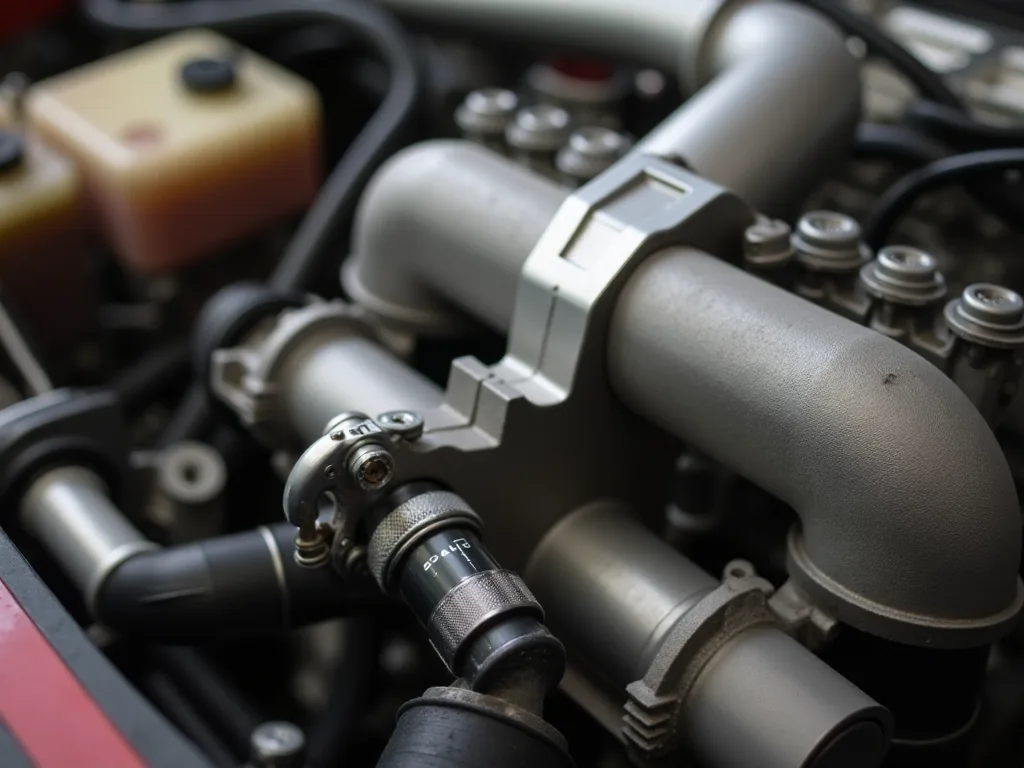
Building a short runner intake manifold represents one of the most technically demanding yet rewarding projects an automotive enthusiast or professional fabricator can undertake. The process requires not only mechanical knowledge and fabrication skills but also access to the right tools and equipment. Whether you're crafting a custom manifold for a high-performance racing application or optimizing airflow for a street performance build, having the proper tools ensures precision, safety, and efficiency throughout every stage of the fabrication process. This comprehensive guide explores the essential tools, specialized equipment, and best practices needed to successfully build a short runner intake manifold that delivers optimal performance.
Understanding Short Runner Intake Manifolds
Before diving into the tools required, it's important to understand what makes short runner intake manifolds unique and why they require such precise fabrication. Short runner manifolds feature reduced runner length compared to stock or long runner designs, which optimizes airflow characteristics for high-RPM performance. The shorter path from the plenum to the intake valve reduces air travel time and takes advantage of pressure wave dynamics that enhance volumetric efficiency at higher engine speeds. This design philosophy makes them popular in racing applications, track-focused builds, and performance engines that operate primarily in the upper RPM range.
The fabrication of these manifolds demands exceptional attention to detail because even minor imperfections in runner length, diameter, or surface finish can significantly impact performance. Each runner must be precisely matched in length and volume to ensure equal air distribution across all cylinders. Surface irregularities can create turbulence that disrupts airflow, while improper angles or transitions can cause flow separation and reduce efficiency. This is why having the right tools isn't just convenient—it's absolutely essential for achieving the level of precision required for a properly functioning short runner intake manifold.
Essential Hand Tools for Manifold Fabrication
Hand tools form the foundation of any fabrication project, and building intake manifolds is no exception. While power tools handle the heavy cutting and shaping, hand tools provide the control and precision needed for assembly, adjustment, and finishing work. A well-equipped workshop should include a comprehensive selection of hand tools specifically chosen for metalworking and engine component fabrication.
Screwdrivers and Hex Keys
A complete set of screwdrivers in both flathead and Phillips configurations is essential for assembly work and making adjustments throughout the build process. Invest in quality screwdrivers with comfortable grips and hardened tips that won't strip fasteners. Magnetic tips can be particularly helpful when working in tight spaces or positioning small hardware components. Allen wrenches or hex keys in both metric and SAE sizes are equally important, as many modern fasteners and set screws use hex socket heads. Consider purchasing a set of ball-end hex keys, which allow you to approach fasteners at an angle—a feature that proves invaluable when working around the complex geometry of intake manifolds.
Socket Sets and Wrenches
A comprehensive socket set is absolutely critical for intake manifold fabrication and installation. You'll need both deep and shallow sockets in a full range of sizes to accommodate various bolt heads and nuts. A quality ratchet with a fine tooth count provides better control in tight spaces, while a breaker bar helps with stubborn fasteners. Don't overlook the importance of torque wrenches—proper torque specifications are crucial when assembling manifold components and installing the finished product on an engine. Both click-type and beam-style torque wrenches have their place, with click-type models offering easier use and beam-style providing reliable accuracy without calibration concerns.
Combination wrenches in both metric and SAE sizes complement your socket set by providing access where ratchets won't fit. Adjustable wrenches serve as backup tools, though they should never be your first choice for precision work. Flare nut wrenches are particularly useful if your manifold design incorporates fuel rails or other fittings with line connections.
Hammers, Mallets, and Striking Tools
Various hammers and mallets serve different purposes during manifold fabrication. A standard ball-peen hammer in the 12 to 16-ounce range handles general metalworking tasks, while rubber or plastic mallets allow you to fit and align components without damaging surfaces. Dead blow hammers, filled with sand or shot, deliver impact without bounce-back, making them ideal for seating parts firmly without repeated strikes. Brass hammers provide a middle ground—harder than rubber but softer than steel—useful for persuading stubborn parts into position without leaving marks.
For more delicate work, consider adding a set of drift punches and pin punches to your collection. These tools help align bolt holes, drive out pins, and position components precisely before final assembly. Center punches mark drilling locations accurately, ensuring your drill bit starts exactly where intended.
Files, Rasps, and Deburring Tools
Files and rasps are indispensable for smoothing edges, refining port shapes, and removing material with control and precision. A set of files should include flat, half-round, round, and triangular profiles in various cuts from coarse to fine. Bastard-cut files remove material quickly for initial shaping, while smooth-cut files provide the fine finish needed for final surface preparation. Needle files, with their small profiles and fine cuts, excel at detailed work in tight spaces and intricate port geometries.
Deburring tools deserve special mention in intake manifold work. Any burrs, sharp edges, or rough spots inside runners can disrupt airflow and create turbulence. Hand deburring tools with replaceable blades quickly clean up drilled holes and cut edges. Abrasive stones and carbide burrs mounted on handles provide additional options for smoothing internal passages. The goal is to create surfaces as smooth as possible to minimize flow disruption—every imperfection represents a potential loss in performance.
Measuring and Layout Tools
Precision measurement is absolutely critical in intake manifold fabrication. Runner lengths must match within millimeters, port volumes need to be equalized, and mounting surfaces must be perfectly flat and properly located. A quality measuring tape provides basic dimensional information, but serious fabrication work demands more precise instruments.
Digital calipers offer accuracy to within thousandths of an inch and can measure outside dimensions, inside dimensions, depths, and step heights. Models with data output capabilities can even transfer measurements directly to CAD software. Vernier calipers provide similar functionality without batteries, though they require more skill to read accurately. For the ultimate in precision, micrometers measure to ten-thousandths of an inch, essential when matching critical dimensions or verifying machined surfaces.
Dial indicators and magnetic bases help check surface flatness, alignment, and runout. When mounting a manifold to an engine, the mounting surface must be perfectly flat to ensure proper sealing—a dial indicator can verify this critical dimension. Angle finders and protractors ensure runner angles match your design specifications, while straightedges and squares verify that surfaces are true and perpendicular where required.
Don't overlook simple layout tools like scribes, marking pens, and layout fluid. Accurate marking of cut lines, drill locations, and reference points prevents costly mistakes and ensures components fit together as designed. Dividers and trammel points help transfer measurements and scribe arcs or circles for port layouts.
Power Tools for Cutting and Shaping
While hand tools provide precision and control, power tools bring the muscle needed to cut, shape, and modify materials efficiently. Building an intake manifold involves removing significant amounts of material, whether you're starting with a cast blank, modifying an existing manifold, or fabricating from sheet metal and tubing. The right power tools make these tasks manageable and ensure consistent results.
Drill Press and Drilling Equipment
A drill press stands as one of the most important power tools for manifold fabrication. Unlike handheld drills, a drill press provides perfectly perpendicular holes with consistent depth control—critical when drilling mounting holes, injector bungs, or sensor ports. A quality drill press should offer variable speed control, as different materials and drill bit sizes require different speeds for optimal results. A sturdy table with T-slots allows you to clamp workpieces securely, preventing movement during drilling that could ruin precision.
Your drill bit collection should include standard twist bits in fractional, metric, and number sizes, along with step bits for enlarging holes in sheet metal, and carbide-tipped bits for drilling cast iron or aluminum. Spot drills or center drills create precise starting points that prevent drill bits from wandering. For larger holes, hole saws and annular cutters remove material more efficiently than standard bits. Don't forget cutting fluid or lubricant—proper lubrication extends tool life dramatically and produces cleaner holes with better surface finish.
A quality handheld drill still has its place for situations where the workpiece is too large or awkwardly shaped for the drill press. A corded drill provides consistent power, while cordless models offer convenience and portability. For manifold work, a drill with at least 1/2-inch chuck capacity and variable speed control serves most needs well.
Angle Grinders and Cut-Off Tools
Angle grinders are versatile workhorses that handle cutting, grinding, and surface preparation tasks. A 4.5-inch grinder works well for most manifold fabrication tasks, offering a good balance between power and maneuverability. Larger 7-inch or 9-inch grinders provide more aggressive material removal but can be unwieldy for detailed work. Variable speed control adds versatility, allowing you to match the tool's speed to the task and material.
The real versatility of angle grinders comes from the variety of available wheels and attachments. Cut-off wheels slice through metal tubing and plate quickly and cleanly. Grinding wheels remove material aggressively for shaping and beveling. Flap discs combine cutting and finishing in one operation, available in various grits for different levels of surface finish. Wire wheels clean rust, paint, and oxidation from surfaces.
Sanding discs with backing pads provide controlled material removal and surface smoothing.
Safety is paramount when using angle grinders. Always wear safety glasses or a face shield, as these tools generate sparks and can throw debris at high velocity. Ensure the workpiece is securely clamped—never hold small parts by hand while grinding. Check that wheels are rated for speeds exceeding your grinder's maximum RPM, and inspect wheels for cracks or damage before installation.
Rotary Tools and Die Grinders
Rotary tools like the Dremel and similar brands excel at detailed grinding, polishing, and port work where larger tools can't reach. These high-speed tools accept a vast array of bits, burrs, and attachments that make them incredibly versatile for manifold fabrication. Carbide burrs in various shapes—cylindrical, ball, cone, and tree—allow you to shape ports, blend transitions, and remove material with precision. Mounted stones smooth and polish internal passages. Sanding drums with replaceable sleeves handle larger surface areas.
For more aggressive material removal in port work, pneumatic die grinders offer higher power than electric rotary tools. These air-powered tools spin at extremely high speeds and accept 1/4-inch shank burrs and bits. The combination of high speed and rigid construction makes die grinders ideal for porting work, where you need to remove significant material from cast aluminum or iron while maintaining control over the final shape. Straight die grinders work well in open areas, while right-angle models access tight spaces and work around curves more easily.
When using rotary tools for port work, work slowly and methodically. Remove material in stages, frequently checking your progress against your target dimensions. It's easy to remove too much material, but impossible to put it back. Use light pressure and let the tool do the work—forcing the tool generates heat, loads the abrasive, and reduces control. For the smoothest finish, progress through increasingly fine abrasives, just as you would with hand sanding.
Bench Vise and Work Holding
A sturdy bench vise is essential for holding workpieces securely during fabrication. For manifold work, a vise with at least 4-inch jaws provides adequate capacity for most components. The vise should be bolted solidly to a heavy workbench—any flex or movement in the mounting compromises your ability to work precisely. Swivel base vises allow you to rotate the workpiece for better access, though fixed-base models offer greater rigidity.
Protect finished surfaces from vise jaw marks by using soft jaw covers made from aluminum, copper, or wood. For irregularly shaped parts, custom-fitted wooden blocks distribute clamping pressure and prevent distortion. Magnetic vise jaws provide another option for holding ferrous materials without marring surfaces.
Beyond the bench vise, consider other work-holding solutions. C-clamps and bar clamps secure parts during welding or assembly. Locking pliers in various sizes provide quick, portable clamping. Welding magnets hold parts at precise angles during tack welding. A surface plate with clamping kit allows you to fixture complex assemblies with multiple components, ensuring everything aligns properly before final welding or fastening.
Air Compressor and Pneumatic Tools
An air compressor powers pneumatic tools and provides compressed air for cleaning parts and blowing out passages. For a home workshop focused on manifold fabrication, a compressor with a 20 to 30-gallon tank and 5 to 6 CFM output at 90 PSI handles most tasks adequately. This capacity runs die grinders, blow guns, and other pneumatic tools without constantly cycling the compressor. Larger professional shops may require higher capacity, especially if running multiple tools simultaneously or operating equipment like sandblasters or powder coating systems.
Choose between single-stage and two-stage compressors based on your needs and budget. Single-stage compressors work well for intermittent use and lighter-duty applications. Two-stage compressors deliver higher pressures more efficiently and run cooler, making them better suited for continuous operation or demanding tools. Oil-lubricated compressors require more maintenance but generally last longer and run quieter than oil-free models.
Proper air system accessories improve tool performance and longevity. An air dryer or water separator removes moisture from compressed air, preventing rust in tools and contamination of paint or coatings. A regulator with gauge allows you to adjust pressure for different tools and applications. Quick-disconnect fittings make tool changes fast and convenient. Coiled air hoses provide reach without tangling, while retractable hose reels keep the workspace organized.
Pneumatic tools worth considering for manifold work include air ratchets for assembly work, air hammers with chisel attachments for breaking loose stubborn parts, and blow guns with various nozzles for cleaning. An air-powered cut-off tool provides an alternative to electric angle grinders, often with better power-to-weight ratio and no motor to burn out.
Specialized Equipment for Professional Results
While basic hand and power tools can build a functional intake manifold, specialized equipment elevates the quality and performance of the finished product. These tools allow you to design more precisely, test more thoroughly, and achieve results that approach or match professional-level fabrication. Some of these tools represent significant investments, but for serious enthusiasts or professional fabricators, they're essential for producing top-tier results.
Flow Bench Testing Equipment
A flow bench represents perhaps the most valuable specialized tool for intake manifold development. This equipment measures airflow through ports and runners, providing objective data about how design changes affect performance. Flow benches work by drawing air through the component being tested at a controlled pressure differential, typically 28 inches of water, while measuring the volume of air flowing through. The results, expressed in cubic feet per minute (CFM), allow you to compare different port designs, evaluate modifications, and optimize your manifold for maximum airflow.
Professional flow benches from manufacturers like SuperFlow or Performance Trends offer high accuracy, computerized data logging, and sophisticated analysis capabilities. These systems can cost tens of thousands of dollars, putting them out of reach for many hobbyists. However, several companies offer more affordable benches designed for home use, and some enthusiasts even build their own using plans available online. While these budget options may not match the precision of professional equipment, they still provide valuable comparative data for evaluating modifications.
Using a flow bench effectively requires understanding what the numbers mean and how they relate to engine performance. Higher flow numbers generally indicate better performance potential, but the relationship isn't always linear. Flow velocity, distribution between cylinders, and the shape of the flow curve across different valve lifts all matter. A manifold that flows 250 CFM evenly across all cylinders will outperform one that flows 260 CFM on some cylinders but only 240 CFM on others. The flow bench helps you identify and correct these imbalances.
Beyond measuring total flow, advanced flow bench work includes using flow visualization techniques. Smoke generators or tufts of yarn show how air moves through ports, revealing areas of separation, turbulence, or stagnation that hurt performance. This visual feedback guides porting work more effectively than numbers alone, showing exactly where to remove material or modify shapes for improved flow.
CAD Software and Design Tools
Computer-aided design (CAD) software has revolutionized custom manifold fabrication by allowing builders to design, visualize, and optimize their creations before cutting any material. Modern CAD programs create three-dimensional models that can be rotated, sectioned, and analyzed from any angle. You can verify that runners are the correct length, check clearances around engine components, and ensure mounting holes align properly—all on screen before committing to physical fabrication.
Professional CAD packages like SolidWorks, CATIA, or Siemens NX offer incredible capabilities but come with steep learning curves and substantial costs. For manifold design, more accessible options like Fusion 360, which offers free licenses for hobbyists, or FreeCAD, an open-source alternative, provide sufficient functionality for most projects. These programs include parametric modeling, which allows you to define relationships between features so that changing one dimension automatically updates related features throughout the design.
Advanced CAD work includes computational fluid dynamics (CFD) analysis, which simulates airflow through your design. CFD software solves complex equations describing fluid motion, predicting how air will behave in your manifold design. This analysis identifies problem areas like flow separation, uneven distribution, or excessive turbulence before you build anything. While professional CFD software requires significant computing power and expertise, simplified versions integrated into CAD programs provide useful insights for manifold designers.
CAD models also enable modern manufacturing techniques. If you have access to CNC machining equipment or 3D printing, CAD files can be converted directly to machine code. This allows you to create complex shapes and precise features that would be difficult or impossible to produce manually. Even if you're fabricating by hand, having detailed drawings and dimensions from your CAD model ensures accuracy and consistency throughout the build.
Welding Equipment and Techniques
Many custom intake manifold projects require welding to join components, attach flanges, or fabricate runners from tubing. The type of welding equipment you need depends on the materials you're working with and the quality of joints required. Aluminum manifolds, popular for their light weight and excellent thermal properties, typically require TIG (tungsten inert gas) welding for strong, clean joints. Steel manifolds can be welded with TIG, MIG (metal inert gas), or even stick welding, though TIG produces the cleanest results with least distortion.
TIG welding equipment represents a significant investment but offers unmatched control and quality for manifold fabrication. A quality TIG welder with AC/DC capability can weld both aluminum and steel. AC current works best for aluminum, while DC handles steel, stainless steel, and other ferrous metals. Look for a machine with adjustable amperage, pulse capability for better heat control, and a high-frequency start that doesn't contaminate the weld. A foot pedal control allows you to adjust heat on the fly, essential for welding thin materials or managing heat input on complex joints.
MIG welding offers faster deposition rates and easier learning curve than TIG, making it attractive for steel manifold fabrication. A quality MIG welder with adjustable wire speed and voltage settings handles various material thicknesses. For best results on thin materials common in manifold work, look for a machine capable of running smaller diameter wire (0.023 or 0.030 inch) and offering true spray transfer at lower amperages.
Regardless of welding process, proper setup and technique are crucial. Thoroughly clean all surfaces before welding—contaminants cause porosity and weak joints. Use proper filler rod matched to your base material. Maintain consistent travel speed and heat input to avoid warping thin sections. Practice on scrap material before welding your actual manifold components.
Consider building fixtures that hold parts in proper alignment during welding, as even small amounts of distortion can throw off critical dimensions.
Post-weld treatment matters too. Aluminum welds benefit from heat treatment to restore strength lost during welding. Grinding and smoothing weld beads inside runners eliminates flow disruptions. Pressure testing welded manifolds before installation ensures there are no leaks that could cause lean conditions or performance problems.
Heat Guns and Forming Equipment
Heat guns serve multiple purposes in manifold fabrication, particularly when working with composite materials or heat-shrink components. Industrial heat guns produce temperatures up to 1000°F or higher, sufficient to soften plastics for forming, activate adhesives, or shrink heat-shrink tubing used for protecting wiring or sealing connections. Variable temperature control and multiple airflow settings provide versatility for different applications.
For fabricators working with composite materials like carbon fiber or fiberglass, heat guns help cure resins and remove air bubbles during layup. Some advanced manifold designs incorporate composite plenums or runners for weight savings and thermal insulation properties. These materials require careful temperature control during fabrication—too little heat and resins don't cure properly, too much and you can damage fibers or cause excessive resin flow.
Tube bending equipment becomes necessary when fabricating runners from straight tubing. Manual tube benders work for simple bends in smaller diameter tubing, but hydraulic or electric benders provide better control and can handle larger diameters without collapsing or kinking the tube. Mandrel benders insert a flexible support inside the tube during bending, maintaining consistent inside diameter through the bend—critical for maintaining smooth airflow. For complex bends or production work, CNC tube benders offer repeatability and precision, though their cost limits them to professional shops.
Machining Equipment
Access to machining equipment dramatically expands your manifold fabrication capabilities. A metal lathe allows you to create custom flanges, machine injector bungs to precise dimensions, and turn down or bore out components as needed. Even a small benchtop lathe handles most manifold-related machining tasks. Key features include a tailstock for supporting long workpieces, a four-jaw chuck for holding irregular shapes, and a quick-change tool post for efficient tool changes.
A milling machine or mill-drill provides capabilities that complement the lathe. Mills cut flat surfaces, machine pockets, drill precisely located holes, and create complex shapes through coordinated movement of the cutting tool and workpiece. For manifold work, a mill allows you to machine mounting flanges perfectly flat, cut precise bolt patterns, and create features like injector pockets or sensor ports with exact dimensions and locations.
CNC (computer numerical control) versions of these machines offer even greater capabilities. CNC mills and lathes execute programs created from CAD models, producing complex parts with minimal operator intervention. While professional CNC equipment costs hundreds of thousands of dollars, hobby-grade CNC machines have become increasingly affordable and capable. Desktop CNC mills can machine aluminum manifold components with precision approaching professional equipment. CNC routers, while less rigid than mills, can cut patterns in sheet materials and machine softer materials like plastic or composite.
For fabricators without space or budget for traditional machining equipment, consider outsourcing machining work to local machine shops or online services. Many shops welcome small custom jobs, and having critical components professionally machined ensures accuracy where it matters most. Provide detailed drawings with dimensions and tolerances, and discuss material selection and finish requirements upfront to avoid misunderstandings.
3D Printing and Rapid Prototyping
3D printing technology has opened new possibilities for manifold development and testing. While printed plastic parts can't withstand the heat and pressure of actual engine operation, they serve valuable purposes during the design phase. Print prototype manifolds to check fitment on the engine, verify clearances around other components, and evaluate the overall design before committing to expensive materials and fabrication time. Physical prototypes reveal issues that aren't obvious in CAD models, like interference with wiring harnesses, hoses, or accessories.
Some advanced applications use 3D printing for actual manifold components. Metal 3D printing, using technologies like direct metal laser sintering (DMLS) or selective laser melting (SLM), can produce aluminum or stainless steel parts with complex internal geometries impossible to create through traditional manufacturing. These technologies remain expensive and typically require outsourcing to specialized service bureaus, but costs continue to decrease as the technology matures. Several racing teams and high-end automotive manufacturers already use metal 3D printing for custom intake manifolds and other engine components.
For home fabricators, desktop FDM (fused deposition modeling) printers offer an affordable entry into 3D printing. These machines build parts by extruding melted plastic filament layer by layer. While the resulting parts lack the strength and heat resistance for engine use, they're perfect for prototyping, creating templates, or making fixtures and jigs for fabrication work. More advanced resin printers using SLA (stereolithography) or DLP (digital light processing) technology produce parts with finer detail and smoother surfaces, useful for creating patterns for casting or highly detailed prototypes.
Safety Equipment and Protective Gear
Safety must be the top priority in any fabrication environment. The tools and processes involved in building intake manifolds present numerous hazards, from flying debris and sparks to toxic fumes and loud noise. Proper safety equipment protects you from injury and ensures you can continue enjoying your hobby or profession for years to come. Never compromise on safety gear—your health and wellbeing are worth far more than any cost savings.
Eye and Face Protection
Eye protection is absolutely non-negotiable when working with power tools, grinding, or welding. Safety glasses with side shields provide basic protection from flying debris and should be worn at all times in the workshop. For operations that generate significant debris or sparks, like angle grinding or cut-off work, upgrade to a full face shield that protects your entire face. Face shields should be used in addition to safety glasses, not instead of them, as they don't seal around your eyes and small particles can still reach them.
Welding requires specialized eye protection to shield against intense ultraviolet and infrared radiation. Auto-darkening welding helmets have largely replaced traditional fixed-shade helmets, offering the convenience of seeing your work clearly until the arc strikes, at which point the lens instantly darkens to protect your eyes. Quality auto-darkening helmets offer adjustable shade levels, sensitivity controls, and fast reaction times. Don't skimp on welding helmet quality—arc flash can cause painful eye damage, and repeated exposure may lead to permanent vision problems.
Respiratory Protection
Many manifold fabrication processes generate harmful airborne contaminants. Grinding aluminum or steel produces fine metal dust that can damage lungs with repeated exposure. Welding fumes contain metal oxides and other compounds that pose serious health risks. Solvents and cleaners release vapors that can cause respiratory irritation or worse. Proper respiratory protection is essential for protecting your long-term health.
For basic dust protection during grinding or sanding, disposable N95 or N99 respirators filter out particulates effectively. These masks are inexpensive and comfortable for short-term use. For extended work or higher levels of protection, invest in a half-face or full-face respirator with replaceable cartridges. Choose cartridges appropriate for the contaminants you're exposed to—particulate filters for dust, organic vapor cartridges for solvents, or combination cartridges that handle multiple hazards. Replace cartridges according to manufacturer recommendations, as their effectiveness decreases with use.
Welding fumes require special consideration. While a standard respirator helps, proper ventilation is equally important. Position a fume extractor near your welding area to capture fumes at their source. For professional shops or frequent welding, consider a powered air-purifying respirator (PAPR) that actively filters air and delivers it to your breathing zone, providing both superior protection and greater comfort during extended use.
Hearing Protection
Power tools generate noise levels that can cause permanent hearing damage with repeated exposure. Angle grinders, air compressors, and pneumatic tools are particularly loud. Hearing damage accumulates over time and is irreversible, making protection essential from the start. Disposable foam earplugs provide basic protection and work well for occasional use. For better protection and comfort, invest in reusable earplugs or earmuff-style hearing protectors.
Electronic earmuffs offer the best of both worlds—they block harmful noise levels while amplifying quiet sounds, allowing you to hear conversations and warning signals while protecting your hearing during loud operations.
Hand and Body Protection
Protect your hands with appropriate gloves for different tasks. Leather work gloves provide good general protection for handling sharp metal and rough materials. Welding gloves, made from thicker leather, protect against heat and sparks. Nitrile or latex gloves protect your skin when working with solvents, cleaners, or other chemicals. However, never wear gloves when operating rotating machinery like drill presses or lathes—gloves can catch on rotating parts and pull your hand into the machine.
Wear appropriate clothing for shop work. Long pants and closed-toe shoes protect against dropped tools and hot metal. Avoid loose clothing, jewelry, or anything that could catch on tools or machinery. A shop apron or welding jacket protects your clothing and provides an additional layer of protection against sparks and hot metal. For welding, wear natural fiber clothing like cotton or wool—synthetic fabrics can melt and cause severe burns if exposed to sparks or spatter.
Steel-toed boots provide crucial protection in any shop environment. Dropped tools or parts can cause serious foot injuries, and steel toes prevent or minimize damage. Modern safety boots are comfortable enough for all-day wear and come in styles ranging from traditional work boots to athletic-shoe designs.
Workshop Setup and Organization
Having the right tools is only part of the equation—organizing them effectively and setting up your workspace properly makes fabrication work safer, more efficient, and more enjoyable. A well-organized workshop saves time, reduces frustration, and helps prevent accidents. Whether you're working in a dedicated shop building or a corner of your garage, thoughtful organization maximizes your available space and capabilities.
Workbench and Storage Solutions
A sturdy workbench forms the foundation of any fabrication workspace. Build or buy a bench with a solid top at least 1.5 inches thick—thinner tops flex and vibrate during work, compromising precision. Height matters too; the bench should allow you to work comfortably without excessive bending or reaching. Standard bench height is around 36 inches, but adjust based on your height and the type of work you do most often.
Tool storage keeps your workspace organized and tools protected. A rolling tool chest provides secure storage for hand tools while keeping them mobile. Wall-mounted pegboard or slat-wall systems display frequently used tools within easy reach. Magnetic tool holders keep metal tools organized and visible. Drawer organizers prevent tools from shifting and getting damaged.
Label storage locations so tools always return to the same spot—this habit saves countless hours of searching for misplaced tools.
Store power tools in a way that protects them from dust and damage while keeping them accessible. Wall-mounted brackets or shelves work well for frequently used tools. Less-used equipment can go in cabinets or on higher shelves. Keep instruction manuals and spare parts with their respective tools so you can find them when needed.
Organize consumables like drill bits, grinding wheels, and sandpaper in labeled containers or drawer dividers. Group similar items together and arrange them logically—for example, organize drill bits by size or type. This organization speeds up work and helps you track inventory so you can reorder supplies before running out.
Lighting and Ventilation
Proper lighting is essential for precision work and safety. Overhead fluorescent or LED fixtures provide general illumination, but add task lighting at your workbench and machine locations. Adjustable LED work lights let you direct bright, shadow-free light exactly where you need it. Good lighting reduces eye strain and helps you see fine details critical for quality work.
Adequate ventilation protects your health and makes the workshop more comfortable. At minimum, ensure your shop has good natural ventilation through windows or doors. For better control, install an exhaust fan to remove contaminated air. Position the fan to create airflow across your work area, pulling fresh air in from one side and exhausting it from the other. For welding areas, a dedicated fume extraction system captures contaminants at their source before they spread through the shop.
Climate control improves comfort and can affect work quality. Extreme temperatures make work unpleasant and can impact materials and finishes. Heating in winter and cooling or at least air circulation in summer make the shop usable year-round. Control humidity if possible, as excessive moisture promotes rust on tools and materials.
Power Distribution and Electrical Safety
Ensure your workshop has adequate electrical capacity for your tools. Large power tools like compressors, welders, and some stationary equipment require 240-volt circuits. Smaller tools run on standard 120-volt outlets, but verify your circuits can handle the combined load of multiple tools. Overloaded circuits trip breakers at best and create fire hazards at worst.
Install plenty of outlets around your workspace so you're never stretching extension cords across walkways. Use heavy-duty extension cords rated for the tools you're powering—undersized cords cause voltage drop that reduces tool performance and creates heat. Cord reels keep extension cords organized and prevent tripping hazards. Ground fault circuit interrupter (GFCI) protection on outlets near water sources or in damp areas prevents electrical shock.
Keep your workspace clean and organized to prevent accidents. Sweep up metal shavings and dust regularly—accumulated debris creates slip hazards and fire risks. Store flammable materials like solvents and paints in approved safety cabinets away from heat sources. Keep a fire extinguisher rated for metal and electrical fires readily accessible and ensure you know how to use it. Maintain clear pathways through your shop so you can move safely even when carrying awkward or heavy items.
Material Selection and Sourcing
Beyond tools and equipment, successful manifold fabrication requires access to appropriate materials. The materials you choose affect performance, durability, weight, and fabrication difficulty. Understanding material properties and knowing where to source them ensures your project succeeds.
Aluminum Alloys
Aluminum is the most popular material for custom intake manifolds due to its excellent strength-to-weight ratio, good thermal properties, and relative ease of fabrication. Different aluminum alloys offer varying characteristics. 6061 aluminum, one of the most common alloys, provides good strength, excellent corrosion resistance, and easy welding. It's available in sheet, plate, bar, and tube forms from metal suppliers. 6063 aluminum, often used for extrusions, offers slightly lower strength but excellent surface finish and formability.
For cast manifolds or components, A356 or A357 aluminum casting alloys provide good strength and castability. These alloys can be heat-treated after casting to improve mechanical properties. If you're modifying an existing cast manifold, it's likely made from one of these alloys. Cast aluminum machines and welds well, though porosity in the casting can sometimes cause issues during welding.
Source aluminum from local metal suppliers, online retailers like OnlineMetals.com, or industrial suppliers. Many suppliers will cut material to size, saving you time and ensuring you get the dimensions you need. Buy slightly more material than your calculations indicate—mistakes happen, and having extra material prevents project delays.
Steel and Stainless Steel
Steel manifolds are less common than aluminum but offer advantages in certain applications. Mild steel is inexpensive, easy to weld, and very strong. However, it's heavy and prone to rust unless properly coated. Stainless steel, particularly 304 or 316 grades, resists corrosion while maintaining good strength. Stainless is more difficult to machine and weld than mild steel but produces manifolds that can withstand harsh environments without protective coatings.
Steel tubing in various diameters and wall thicknesses works well for fabricating runners. DOM (drawn over mandrel) tubing offers consistent wall thickness and good surface finish. Stainless steel tubing is available in both welded and seamless varieties—seamless costs more but offers superior strength and appearance for visible applications.
Composite Materials
Advanced manifold builders sometimes incorporate composite materials like carbon fiber or fiberglass for weight savings and thermal insulation. These materials require different fabrication techniques than metals, involving layup of fabric and resin, curing, and finishing. Composite manifolds can achieve extremely low weight while maintaining adequate strength for intake applications where pressures are relatively low.
Working with composites requires additional materials and supplies: fabric (carbon fiber, fiberglass, or Kevlar), epoxy resin and hardener, release agents, and finishing materials. Source these from composite suppliers or online retailers specializing in composite materials. Start with small test pieces to develop your technique before attempting a full manifold.
Fasteners and Hardware
Don't overlook the importance of quality fasteners and hardware. Intake manifolds experience vibration, thermal cycling, and mechanical stress that can loosen or fail inferior fasteners. Use grade 8 or better bolts for critical applications, and consider aerospace-grade fasteners for maximum reliability. Stainless steel fasteners resist corrosion and look good in visible locations. Lock washers, thread-locking compound, or safety wire prevent fasteners from loosening due to vibration.
Source fasteners from industrial suppliers, specialty automotive fastener companies, or online retailers like McMaster-Carr that offer extensive selections with detailed specifications. Buy extras of common sizes so you always have what you need on hand.
Testing and Validation
Building the manifold is only part of the process—thorough testing ensures it performs as intended and operates safely. Multiple types of testing validate different aspects of your design and fabrication quality.
Pressure Testing
Pressure testing verifies that your manifold has no leaks that could cause lean conditions or performance problems. Block off all ports and openings except one, then pressurize the manifold with compressed air or inert gas to 15-20 PSI. Spray soapy water on all joints, welds, and seams—bubbles indicate leaks that must be repaired. Some fabricators submerge the entire manifold in water to make even tiny leaks visible. Don't skip this step—undetected leaks can cause engine damage or poor performance.
Flow Testing and Optimization
If you have access to a flow bench, test your completed manifold to verify it meets your flow targets. Test each runner individually to ensure even distribution, then test the complete assembly. Compare results to your design predictions and to baseline data from stock or other manifolds. If flow falls short of targets or shows significant imbalance between cylinders, additional porting or modification may be necessary.
Flow testing should happen iteratively during fabrication, not just at the end. Test components as you build them, making adjustments before final assembly. This approach catches problems early when they're easier to fix.
Fitment Verification
Before final installation, verify that your manifold fits properly on the engine. Check that mounting holes align, gasket surfaces seal properly, and there's adequate clearance around all other components. Verify that fuel rails, injectors, throttle body, and any sensors or accessories mount correctly. It's far easier to address fitment issues on the bench than after the manifold is installed on the engine.
Dyno Testing
The ultimate validation comes from dyno testing or track performance. A chassis or engine dynamometer measures actual power and torque output, showing whether your manifold delivers the expected performance gains. Compare results to baseline runs with the stock manifold to quantify improvement. Analyze the power curve to verify that gains occur in the expected RPM range—short runner manifolds should show their advantage at high RPM.
Beyond peak numbers, evaluate drivability and the overall power curve. A manifold that adds 20 horsepower at redline but loses 30 horsepower at mid-range may not be suitable for street use. The best manifolds optimize performance in the RPM range where the engine actually operates.
Maintenance and Troubleshooting
Even well-built manifolds require occasional maintenance and may develop issues over time. Understanding common problems and their solutions helps keep your manifold performing optimally.
Leak Detection and Repair
Vacuum leaks are the most common manifold problem. Symptoms include rough idle, poor fuel economy, and check engine lights. Use a smoke machine or propane torch (carefully) to locate leaks while the engine runs. Check gasket surfaces, welded joints, and any threaded ports. Small leaks can sometimes be sealed with appropriate sealants, but significant leaks require disassembly and proper repair.
Cleaning and Carbon Removal
Over time, intake manifolds accumulate oil residue, carbon deposits, and other contaminants that restrict airflow. Periodic cleaning maintains performance. Remove the manifold and clean it with appropriate solvents and brushes. Avoid harsh chemicals that might damage aluminum or coatings. Ultrasonic cleaners work well for thorough cleaning of complex internal passages.
Gasket Replacement
Intake gaskets eventually fail due to heat cycling and compression. Replace gaskets whenever you remove the manifold. Use quality gaskets appropriate for your application—some engines require specific gasket materials or designs. Follow proper torque specifications and tightening sequences to ensure even clamping force and prevent leaks or warping.
Advanced Techniques and Considerations
As your skills develop, you may want to explore advanced techniques that can further improve manifold performance or expand your capabilities.
Port Matching and Blending
Port matching ensures smooth transitions between manifold runners and cylinder head ports. Any mismatch creates a step that disrupts airflow. Use the cylinder head as a template to mark the manifold ports, then carefully grind the manifold to match. Blend the transition with progressively finer abrasives for the smoothest possible flow path. The same principle applies at the throttle body connection—smooth transitions maximize flow and minimize turbulence.
Thermal Management
Intake air temperature significantly affects performance—cooler air is denser and contains more oxygen. Design manifolds to minimize heat absorption from the engine. Use thermal barrier coatings on surfaces facing heat sources. Consider incorporating water or air-to-air intercoolers for forced induction applications. Some builders use phenolic spacers between the manifold and cylinder head to reduce heat transfer.
Variable Runner Length Systems
Advanced manifolds sometimes incorporate variable runner length mechanisms that optimize performance across a wider RPM range. These systems use valves or sliding sleeves to effectively change runner length based on engine speed. While complex to design and fabricate, variable systems can deliver both the low-end torque of long runners and the high-RPM power of short runners. Study OEM variable intake systems for inspiration and design principles.
Learning Resources and Community
Building intake manifolds is a complex skill that improves with practice and learning from others. Take advantage of available resources to accelerate your learning and avoid common mistakes.
Books on engine performance, intake system design, and fabrication techniques provide foundational knowledge. Titles covering airflow theory, engine dynamics, and metalworking skills are particularly valuable. Online forums and communities dedicated to engine building and performance offer opportunities to ask questions, share experiences, and learn from others' successes and failures. YouTube channels focused on fabrication and engine building demonstrate techniques visually, making complex processes easier to understand.
Consider taking classes or workshops on welding, machining, or CAD design. Community colleges, technical schools, and makerspaces often offer courses that teach valuable skills. Hands-on instruction accelerates learning and helps you develop proper techniques from the start. Some performance shops or experienced builders offer mentorship or consulting services—their expertise can save you time and prevent costly mistakes.
Don't hesitate to start with simpler projects before tackling a complete custom manifold. Modify an existing manifold, build a simple plenum, or practice welding and porting techniques on scrap materials. Each project builds skills and confidence that prepare you for more ambitious work.
Cost Considerations and Budget Planning
Building a custom intake manifold requires significant investment in tools, materials, and time. Understanding costs helps you plan appropriately and make informed decisions about which tools to buy versus rent or outsource.
Basic hand tools represent a modest investment that serves you across many projects. Expect to spend several hundred dollars on a quality tool set if starting from scratch. Power tools add another thousand or more, depending on which tools you choose and whether you buy new or used. Specialized equipment like flow benches, welding equipment, or machining tools can cost thousands to tens of thousands of dollars.
Consider your project scope and frequency when deciding which tools to buy. If you're building one manifold for your personal vehicle, renting expensive specialized equipment or outsourcing certain operations makes more sense than buying. If you plan to build manifolds regularly or professionally, investing in quality tools pays off over time. Used tools from reputable brands often provide excellent value—they cost less than new but deliver similar performance and reliability.
Material costs vary widely based on your design. A simple fabricated aluminum manifold might require $200-500 in materials, while complex designs with exotic materials cost significantly more. Factor in consumables like grinding wheels, drill bits, welding gas, and abrasives—these add up quickly during fabrication.
Budget time as well as money. Building a quality custom manifold takes dozens or even hundreds of hours, depending on complexity and your skill level. Be realistic about the time commitment and plan accordingly. Rushing fabrication leads to mistakes and compromised quality.
Conclusion
Building a short runner intake manifold represents a significant undertaking that demands proper tools, careful planning, and meticulous execution. From basic hand tools that provide precision and control to specialized equipment that enables professional-level results, each tool serves a specific purpose in the fabrication process. Success requires not just having the right equipment but understanding how to use it effectively and safely.
The investment in quality tools pays dividends across many projects, building your capabilities and enabling increasingly ambitious builds. Start with essential tools and expand your collection as your skills and projects demand. Prioritize safety equipment—protecting yourself ensures you can continue enjoying fabrication work for years to come. Organize your workspace thoughtfully to maximize efficiency and maintain a safe working environment.
Remember that tools are only part of the equation. Knowledge, skill, patience, and attention to detail matter just as much as the equipment you use. Take time to learn proper techniques, practice on scrap materials, and don't rush the process. Test thoroughly at each stage to catch problems early when they're easier to fix. The result of this careful, methodical approach is a custom intake manifold that delivers the performance you envisioned and the satisfaction of having built it yourself.
Whether you're a professional fabricator or a dedicated enthusiast, the right tools and equipment make the difference between a frustrating struggle and an enjoyable, successful project. Invest wisely, work safely, and take pride in developing the skills to create high-performance components that push the boundaries of what's possible. For more information on intake manifold design principles and performance optimization, visit resources like Engine Basics or Hot Rod Magazine for additional technical articles and community insights.