Table of Contents
Installing billet pistons represents one of the most critical and precision-demanding tasks in engine building and performance modification. For Nashville garage professionals, automotive enthusiasts, and engine builders, having the right tools and equipment isn't just a convenience—it's an absolute necessity for ensuring a successful installation that delivers optimal performance and longevity. This comprehensive guide explores everything you need to know about the tools, equipment, and techniques required for installing billet pistons in Nashville garages, from essential hand tools to specialized measuring instruments and safety equipment.
Understanding Billet Pistons and Why Proper Installation Matters
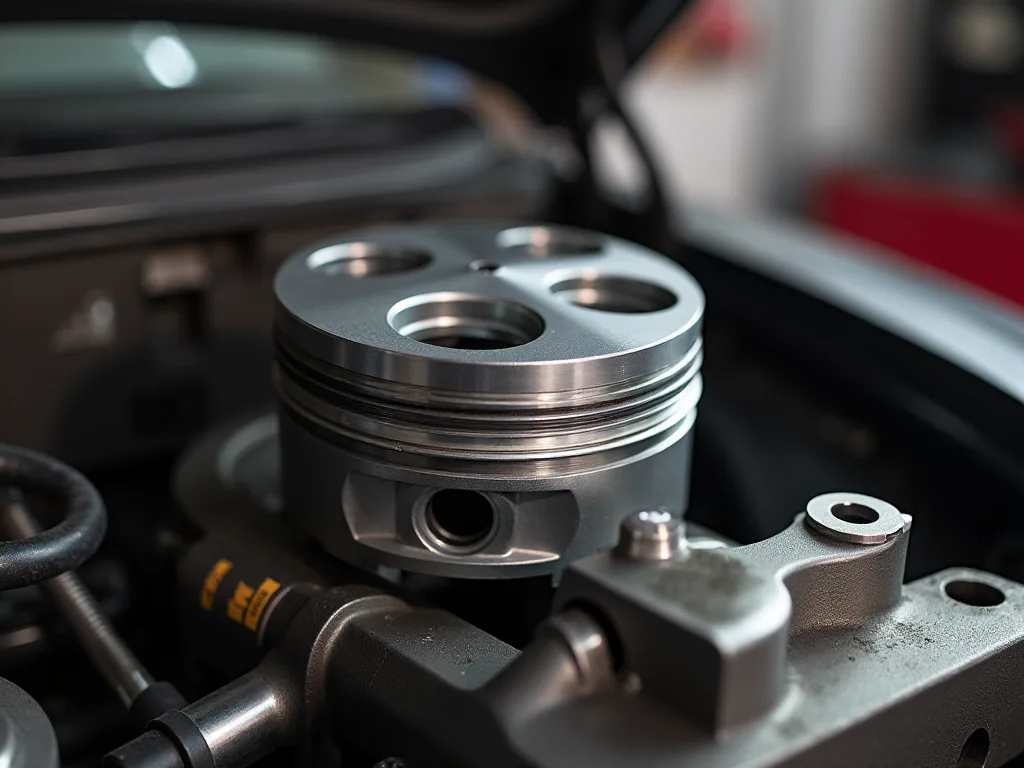
Before diving into the specific tools required, it's important to understand what makes billet pistons unique and why proper installation is so critical. Billet pistons are machined from a solid block of aluminum alloy, typically 2618 or 4032 aluminum, rather than being cast like standard pistons. This manufacturing process creates a denser, stronger piston with superior material properties that can withstand extreme cylinder pressures, higher temperatures, and more aggressive tuning than cast or hypereutectic pistons.
The precision machining of billet pistons means they're manufactured to extremely tight tolerances, often within thousandths of an inch. This precision requires equally precise installation techniques and measurement tools. A single mistake during installation—whether it's incorrect ring gap spacing, improper torque specifications, or damage to the piston skirt—can result in catastrophic engine failure, potentially costing thousands of dollars in repairs and lost time.
Nashville's automotive performance scene has grown significantly in recent years, with numerous garages specializing in high-performance engine builds for street cars, race vehicles, and custom projects. Whether you're building a turbocharged import, a supercharged muscle car, or a naturally aspirated track weapon, the quality of your piston installation directly impacts engine reliability, power output, and longevity.
Essential Hand Tools for Billet Piston Installation
Comprehensive Socket Sets and Ratchets
A high-quality socket set forms the foundation of any engine building toolkit. For billet piston installation, you'll need both metric and SAE (standard) sockets in various sizes, typically ranging from 8mm to 19mm and 1/4-inch to 3/4-inch. Look for six-point sockets rather than twelve-point versions, as they provide better grip on fasteners and reduce the risk of rounding off bolt heads in tight engine compartments.
Your socket set should include multiple drive sizes: 1/4-inch drive for smaller fasteners and tight spaces, 3/8-inch drive for general work, and 1/2-inch drive for larger fasteners that require more torque. Quality ratchets with fine tooth counts (72 teeth or more) allow you to work in confined spaces where you have limited swing arc. Flex-head ratchets are particularly valuable when accessing bolts at awkward angles around the engine block.
Deep sockets are essential for reaching recessed bolts, particularly when working with connecting rod bolts and main cap fasteners. Invest in impact-rated sockets if you plan to use air or electric impact tools for initial loosening or final tightening operations. Nashville garage professionals often recommend brands like Snap-on, Mac Tools, or Matco for professional use, while Tekton, GearWrench, and Sunex offer excellent quality for enthusiast budgets.
Torque Wrenches: The Non-Negotiable Tool
If there's one tool you absolutely cannot skip when installing billet pistons, it's a quality torque wrench. Connecting rod bolts, main cap bolts, and head bolts all require precise torque specifications to ensure proper clamping force without overstressing the fasteners or components. Under-torquing can lead to fasteners loosening during operation, while over-torquing can stretch or break bolts and damage threads.
For engine work, you'll ideally want two torque wrenches: a 1/4-inch or 3/8-inch drive wrench for smaller fasteners (typically 10-80 ft-lbs range) and a 1/2-inch drive wrench for larger fasteners (typically 30-250 ft-lbs range). Click-type torque wrenches are the most common and reliable for general use, providing an audible and tactile click when the preset torque value is reached. Beam-type torque wrenches offer excellent accuracy and never need calibration, though they require you to watch a gauge while tightening.
Digital torque wrenches have become increasingly popular in professional Nashville garages, offering precise readouts, multiple unit options, and often including angle measurement capabilities for torque-to-yield fasteners. Regardless of which type you choose, have your torque wrenches calibrated annually to maintain accuracy. Store them at their lowest setting to preserve the internal spring mechanism.
Piston Ring Compressor Tools
Installing pistons into cylinders without a proper ring compressor is nearly impossible and will almost certainly result in broken rings. Piston ring compressors come in several styles, each with advantages for different applications. Traditional band-style compressors use a flexible metal band with a screw mechanism to tighten around the piston, compressing all rings simultaneously. These work well for standard bore sizes and are affordable, but can be challenging to use with larger bore engines or when working alone.
Tapered sleeve-style ring compressors have become the preferred choice for professional engine builders. These rigid sleeves feature a tapered internal bore that guides the piston and compressed rings smoothly into the cylinder. They're available in specific bore sizes and provide more consistent results with less risk of ring damage. The investment in a quality tapered ring compressor pays dividends in installation speed and reduced risk of costly mistakes.
Some engine builders prefer pliers-style ring compressors for individual ring installation, particularly when pre-installing rings on pistons. These allow you to compress one ring at a time as you slide it onto the piston, reducing the risk of ring damage during the initial fitting process.
Piston Installation Tools and Ring Installation Tools
Dedicated piston installation tools help guide pistons into cylinders while protecting the piston skirts and ring lands from damage. These tools typically consist of a padded or plastic sleeve that fits over the piston, allowing you to tap it gently into the bore without risking damage to the precision-machined surfaces. Some designs incorporate handles that give you better control during installation.
Ring installation tools, also called ring expanders, are essential for installing piston rings without overstressing or breaking them. These pliers-like tools feature curved tips that fit into the ring ends, allowing you to expand the ring just enough to slide it over the piston diameter and into its groove. Using your fingers or screwdrivers to install rings is a recipe for broken rings and potential injury. Quality ring installation tools typically cost between twenty and fifty dollars and will last a lifetime with proper care.
Feeler Gauges for Precision Measurement
Feeler gauges are thin metal strips of precise thickness used to measure gaps and clearances. When installing billet pistons, you'll use feeler gauges primarily to check piston ring end gaps—the space between the ends of the ring when installed in the cylinder bore. Proper ring gap is critical for engine performance and longevity. Too little gap and the ring ends can butt together when the engine reaches operating temperature, causing ring breakage and cylinder scoring. Too much gap allows excessive blow-by, reducing compression and power while increasing oil consumption.
A quality feeler gauge set should include blades ranging from 0.001 inches to at least 0.040 inches. Look for sets with both straight and angled blades, as the angled versions make it easier to check gaps in assembled engines. Stainless steel feeler gauges resist corrosion and maintain their accuracy longer than standard steel versions. Keep your feeler gauges clean and free from burrs or damage, as any imperfection will affect measurement accuracy.
Additional Essential Hand Tools
Beyond the primary tools mentioned above, several other hand tools are essential for billet piston installation. A complete set of combination wrenches (both metric and SAE) provides backup when sockets won't fit or when you need to hold one fastener while turning another. Needle-nose pliers and standard pliers help with clip installation, hose removal, and various small tasks throughout the installation process.
A quality set of screwdrivers in various sizes and types (flathead and Phillips) is necessary for removing covers, adjusting components, and general disassembly work. Magnetic pick-up tools and flexible claw-style retrievers save countless hours when you inevitably drop small parts into the engine bay or oil pan. A good flashlight or work light is essential for inspecting cylinder bores, checking ring installation, and verifying proper component seating.
Brass or plastic hammers allow you to tap components into place without damaging machined surfaces. Never use a steel hammer directly on pistons, rings, or other precision engine components. Pry bars and gasket scrapers help with disassembly and cleaning, though be careful not to gouge sealing surfaces when removing old gaskets.
Precision Measuring Instruments
Micrometers for Accurate Dimensional Measurement
Micrometers are precision measuring instruments capable of measuring dimensions to within 0.0001 inches (one ten-thousandth of an inch). When installing billet pistons, you'll use micrometers to measure piston diameters, ring thickness, connecting rod journal diameters, and various other critical dimensions. Outside micrometers measure external dimensions like piston diameter, while inside micrometers measure internal dimensions like cylinder bore diameter.
For engine building, you'll need outside micrometers in several size ranges, typically 0-1 inch, 1-2 inches, 2-3 inches, and 3-4 inches to cover most engine component measurements. Digital micrometers offer easy-to-read displays and can switch between metric and imperial units, making them popular in modern Nashville garages. However, traditional analog micrometers are equally accurate when properly calibrated and don't require batteries.
Learning to properly use a micrometer takes practice. The instrument must be held correctly, and the thimble should be turned using the ratchet mechanism to ensure consistent measuring pressure. Too much pressure will compress the measuring faces and give false readings, while too little pressure won't make proper contact with the part being measured. Always verify your micrometer's accuracy using gauge blocks before beginning critical measurements.
Dial Bore Gauges and Telescoping Gauges
Measuring cylinder bore diameter accurately is essential for determining proper piston-to-wall clearance. Dial bore gauges provide the most accurate method for measuring bore diameter and checking for taper or out-of-round conditions. These instruments consist of a dial indicator mounted on a fixture with measuring anvils that contact the cylinder wall. The gauge is set to a specific dimension using a micrometer or setting ring, then inserted into the bore to measure variations.
Telescoping gauges offer a more affordable alternative for bore measurement. These T-shaped tools have spring-loaded plungers that extend to contact the cylinder walls. Once positioned in the bore, you lock the plungers in place, remove the gauge, and measure the distance between the plunger ends using an outside micrometer. While less convenient than dial bore gauges, telescoping gauges provide adequate accuracy for most engine building applications when used carefully.
When measuring cylinder bores, always take measurements at multiple points: near the top of the bore (below the ridge), at the middle, and near the bottom. Also measure in two perpendicular directions at each height to check for out-of-round conditions. Cylinder taper and out-of-round conditions beyond manufacturer specifications require boring or honing before installing new pistons.
Calipers for General Measurement Tasks
While not as precise as micrometers, calipers are incredibly versatile measuring tools that handle a wide range of measurement tasks. Digital calipers can measure outside dimensions, inside dimensions, depth, and step measurements, making them invaluable for general engine work. They're particularly useful for quick measurements where extreme precision isn't critical, such as checking gasket thickness, measuring bolt lengths, or verifying parts against specifications.
Quality digital calipers typically measure to 0.001-inch resolution, which is sufficient for many engine building tasks. Look for calipers with at least a six-inch measuring range, though eight-inch or twelve-inch models provide additional versatility. Stainless steel construction resists corrosion from coolant and oil exposure. Keep your calipers clean and store them in their protective case when not in use to maintain accuracy and prevent damage.
Dial Indicators and Magnetic Bases
Dial indicators measure small variations in height or position, making them essential for checking deck height, piston protrusion, connecting rod side clearance, and crankshaft end play. A dial indicator consists of a precision gauge with a movable plunger that drives a needle on a graduated dial face. Most engine building applications require indicators with 0.001-inch resolution and at least one inch of travel.
Magnetic bases hold dial indicators in position while you take measurements. Quality magnetic bases feature flexible arms with multiple joints, allowing you to position the indicator precisely where needed. The magnetic base attaches to any ferrous metal surface on the engine block or stand. Some advanced bases include fine adjustment mechanisms for precise indicator positioning.
When checking piston deck height (how far the piston sits above or below the block deck surface at top dead center), you'll mount a dial indicator on a magnetic base positioned on the block deck, zero the indicator on the deck surface, then rotate the crankshaft to bring the piston to top dead center and read the indicator. This measurement is critical for determining proper head gasket thickness and compression ratio.
Specialized Equipment for Professional Installations
Engine Hoists and Load Levelers
For complete engine rebuilds involving billet piston installation, an engine hoist (also called a cherry picker or engine crane) is essential for safely removing and installing engines. These hydraulic or pneumatic lifting devices typically have a two-ton capacity, sufficient for most automotive engines. Folding models are popular in home garages as they can be stored compactly when not in use, while fixed-base models offer greater stability for professional shops.
Load levelers attach between the engine hoist and the engine, allowing you to adjust the engine's angle during removal and installation. This is particularly important when extracting engines from tight engine bays or when you need to tilt the engine to clear frame rails or other obstacles. Quality load levelers feature multiple chain positions and can handle 1,000 to 2,000 pounds safely.
When using an engine hoist, always ensure the hoist is on level ground and the legs are fully extended for maximum stability. Use proper lifting chains or straps rated for the engine's weight, and attach them to substantial engine mounting points. Never work under a suspended engine without additional support, and always move slowly and deliberately when maneuvering heavy engines.
Engine Stands for Stable Work Platforms
Once the engine is removed from the vehicle, an engine stand provides a stable, rotating platform for disassembly, inspection, and reassembly. Engine stands mount to the engine's bellhousing bolt pattern, supporting the engine securely while allowing you to rotate it to any angle for easy access to all sides. This rotation capability is invaluable when installing pistons, as you can position the engine with the cylinders facing upward for easy piston insertion.
Engine stands are rated by weight capacity, typically ranging from 750 pounds to 2,000 pounds. For most automotive applications, a 1,000-pound capacity stand is sufficient, though larger engines like big-block V8s or diesel engines may require heavier-duty stands. Look for stands with wide, stable bases and quality rotating mechanisms with secure locking positions.
When mounting an engine on a stand, use all available bolt holes and ensure the mounting plate is appropriate for your engine's bolt pattern. Some engines require adapter plates to mate with standard engine stand mounting plates. Always verify the engine is securely mounted and balanced before rotating the stand, and never leave an engine in an unstable position.
Cylinder Honing Equipment
Even when installing billet pistons in a recently machined block, a final honing operation is often necessary to achieve the proper surface finish and crosshatch pattern for ring sealing. Cylinder hones come in several types, from simple ball hones (also called flex hones or bottle brush hones) to professional rigid honing machines.
Ball hones attach to an electric drill and use spring-loaded abrasive balls to create a crosshatch pattern on cylinder walls. They're affordable and effective for final finishing operations or refreshing cylinder walls during ring replacement. The key to proper ball honing is maintaining the correct stroke speed and rotation speed to create a 45-degree crosshatch pattern. Use plenty of honing oil to flush away abrasive particles and prevent glazing.
Professional rigid hones provide more precise control over material removal and surface finish. These machines use adjustable stones mounted on a rigid mandrel, allowing you to remove specific amounts of material while maintaining precise bore geometry. While expensive, rigid hones are essential for professional engine building shops that regularly perform cylinder boring and honing operations.
Parts Cleaning Equipment
Cleanliness is absolutely critical when installing billet pistons. Any dirt, metal particles, or debris left in the engine can cause accelerated wear or catastrophic failure. Professional Nashville garages invest in quality parts cleaning equipment to ensure components are spotless before assembly.
Parts washer tanks use solvent or water-based cleaning solutions to remove oil, grease, and grime from engine components. Traditional solvent-based parts washers are effective but require proper ventilation and disposal of hazardous waste. Modern aqueous parts washers use heated water-based solutions that are more environmentally friendly while providing excellent cleaning performance.
Ultrasonic cleaners use high-frequency sound waves to create microscopic bubbles in a cleaning solution, providing deep cleaning of intricate passages and hard-to-reach areas. These are particularly valuable for cleaning piston ring grooves, oil passages in connecting rods, and other detailed components. While more expensive than traditional parts washers, ultrasonic cleaners provide superior cleaning results for precision engine components.
After cleaning, components should be thoroughly dried using compressed air and lint-free towels. Immediately coat machined surfaces with assembly lubricant or oil to prevent rust formation. Never leave cleaned engine components exposed to air for extended periods, especially in humid climates.
Air Compressor and Pneumatic Tools
A quality air compressor powers pneumatic tools and provides compressed air for cleaning operations. For professional engine building work, a two-stage compressor with at least a 60-gallon tank and 5-7 CFM (cubic feet per minute) output at 90 PSI is recommended. This capacity ensures consistent air pressure for impact wrenches, air ratchets, and blow guns without constant cycling.
Pneumatic impact wrenches speed up disassembly and reassembly operations, though final torquing should always be done with a torque wrench. Air ratchets provide faster operation than hand ratchets in tight spaces. Blow guns with rubber tips allow you to blast debris from cylinder bores, oil passages, and other areas without damaging machined surfaces.
Install a quality air filtration and moisture removal system between your compressor and tools. Water and oil contamination in compressed air can damage pneumatic tools and contaminate engine components during cleaning operations. Inline filters and desiccant dryers ensure clean, dry air reaches your tools and work area.
Lubrication and Assembly Supplies
Assembly Lubricants and Their Applications
Proper lubrication during assembly is critical for preventing damage during initial engine startup. Assembly lubricants provide a protective film on metal surfaces that prevents metal-to-metal contact before the engine's oil system becomes fully pressurized. Different components require different types of assembly lubricants based on their operating conditions and materials.
Moly-based assembly lubes contain molybdenum disulfide, which provides excellent boundary lubrication under high loads. These are ideal for cam lobes, lifters, and other high-pressure contact points. However, moly lubes should not be used on piston skirts or cylinder walls, as they can interfere with ring seating and break-in.
For piston installation, use a light coating of conventional motor oil on piston skirts and cylinder walls. This provides adequate lubrication without interfering with the ring seating process. Piston ring grooves and the rings themselves should be lightly oiled before installation. Connecting rod bearings require a thin, even coating of assembly lube or motor oil on both the bearing surface and the journal.
Thread lubricants or anti-seize compounds should be applied to connecting rod bolts and main cap bolts unless the fastener manufacturer specifies otherwise. Some modern fasteners come with factory-applied coatings and should be installed dry. Always follow the engine or fastener manufacturer's specifications for thread lubrication, as this affects the torque-to-clamping force relationship.
Engine Oil Selection for Break-In
The oil you use during initial break-in affects ring seating and long-term engine performance. Conventional mineral-based oils are generally recommended for break-in rather than synthetic oils. The slightly higher friction of conventional oils helps rings seat properly against cylinder walls during the critical first hours of operation.
Break-in oils are specially formulated with higher levels of zinc dialkyldithiophosphate (ZDDP) to protect cam lobes and lifters during the high-wear break-in period. These oils typically have lower detergent levels to allow ring seating while still providing adequate protection. Plan to change the break-in oil after the first 500-1,000 miles or 20-30 minutes of dyno time, as it will contain significant amounts of wear metals and debris from the seating process.
After break-in, you can switch to your preferred oil type and viscosity. High-performance engines with billet pistons often benefit from synthetic oils that provide superior protection at high temperatures and under extreme loads. Consult your piston manufacturer's recommendations for specific oil requirements, as some coatings or materials may have special lubrication needs.
Safety Equipment and Shop Setup
Personal Protective Equipment
Engine building involves numerous safety hazards, from heavy components to chemical exposure. Proper personal protective equipment (PPE) is essential for preventing injuries. Safety glasses with side shields protect your eyes from metal particles, chemical splashes, and debris. Keep multiple pairs available so you always have clean, scratch-free lenses for clear vision.
Nitrile gloves protect your hands from solvents, oils, and sharp edges while maintaining dexterity for precision work. Unlike latex gloves, nitrile is resistant to petroleum products and won't degrade when exposed to solvents. Keep a box of disposable gloves handy for quick tasks, and invest in heavier-duty mechanics gloves for handling heavy or sharp components.
Steel-toed boots protect your feet from dropped tools or engine components. A dropped piston or connecting rod can cause serious foot injuries, and engines or cylinder heads can cause crushing injuries if they fall. Hearing protection is necessary when using air tools, grinders, or other loud equipment. Respirators or dust masks should be worn when cleaning parts with solvents or when working in areas with poor ventilation.
Proper Lighting and Work Area Setup
Adequate lighting is essential for precision engine work. Overhead shop lights should provide at least 50-100 foot-candles of illumination at work surface height. LED shop lights offer excellent light quality, energy efficiency, and long life compared to fluorescent fixtures. Supplement overhead lighting with adjustable task lights or LED work lights that you can position for close inspection of components.
Your work area should be clean, organized, and spacious enough to work comfortably around the engine. A sturdy workbench at comfortable working height reduces fatigue and improves precision. Keep tools organized in toolboxes or on tool boards where you can quickly find what you need. Use parts organizers or labeled containers to keep track of fasteners and small components during disassembly.
Climate control is important for both comfort and precision. Temperature fluctuations affect metal dimensions and can impact measurement accuracy. Nashville's climate varies significantly throughout the year, with hot, humid summers and cool winters. Maintain a consistent shop temperature between 65-75°F when performing precision measurements or assembly work. Control humidity to prevent rust formation on machined surfaces and tools.
Step-by-Step Billet Piston Installation Process
Pre-Installation Preparation and Inspection
Before beginning piston installation, thoroughly inspect all components. Examine cylinder bores for scoring, scratches, or excessive wear. Use a dial bore gauge or telescoping gauge to measure bore diameter at multiple points, checking for taper and out-of-round conditions. Any irregularities beyond manufacturer specifications require machining before proceeding.
Inspect billet pistons for any damage from shipping or handling. Check for scratches on piston skirts, damage to ring lands, or any other defects. Verify that you have the correct pistons for your application by checking part numbers against your order and measuring piston diameter with a micrometer. Measure at the specified point on the piston skirt, typically 90 degrees from the wrist pin bore at a specified distance from the bottom of the skirt.
Calculate piston-to-wall clearance by subtracting the piston diameter from the cylinder bore diameter. This clearance is critical for proper piston operation. Too little clearance can cause piston seizure, while excessive clearance leads to piston slap, noise, and reduced ring seal. Billet pistons typically require more clearance than cast pistons due to their higher expansion rates. Follow the piston manufacturer's specifications exactly, as these are engineered for the specific alloy and design of your pistons.
Piston Ring Preparation and Gap Setting
Proper ring gap is essential for engine performance and longevity. To check ring gap, insert the ring into the cylinder bore and use a piston (inverted) to push it down about one inch into the bore, ensuring the ring is square to the bore. Use feeler gauges to measure the gap between the ring ends. Compare this measurement to the piston manufacturer's specifications, which vary based on bore size, intended use, and power level.
If ring gap is too tight, you'll need to file the ring ends to increase the gap. Use a dedicated ring filing tool that holds the ring securely and guides the file perpendicular to the ring ends. File carefully, checking gap frequently to avoid removing too much material. After filing, deburr the ring ends with a fine stone to remove any sharp edges that could damage the cylinder wall.
Most piston ring sets include three rings per piston: two compression rings (top and second) and one oil control ring assembly. The oil control ring typically consists of three pieces: two thin rails and an expander. Each ring type has specific gap requirements. Top rings usually require the largest gap as they experience the highest temperatures. Second rings need slightly less gap, and oil ring rails require minimal gap.
After setting gaps, install rings on pistons using a ring installation tool. Start with the oil control ring assembly, installing the expander first, then the lower rail, then the upper rail. Be careful not to overlap the expander ends. Next, install the second compression ring, ensuring any markings face upward. Finally, install the top compression ring, again with markings facing up.
Rotate the ring gaps to the positions specified by the piston manufacturer, typically staggered around the piston to prevent blow-by paths.
Connecting Rod and Piston Assembly
If you're installing pistons on connecting rods, ensure the rods are properly prepared. Connecting rods should be inspected for cracks using magnetic particle inspection or other non-destructive testing methods. Measure rod big end and small end bores to verify they're within specifications. Rod bolts should be new or carefully inspected if reusing, as these are critical fasteners that experience extreme loads.
Install the wrist pin through the piston and connecting rod small end. Billet pistons typically use either pressed pins or full-floating pins retained by circlips. Pressed pins require a pin press or hydraulic press to install and remove, while full-floating pins slide in by hand when the piston is heated slightly. If using circlip-retained pins, ensure the circlips are fully seated in their grooves and positioned with the gap away from the circlip groove gap.
Verify that the piston and rod are oriented correctly relative to each other. Most pistons have a directional marking (arrow or "F") that must face the front of the engine. Connecting rods also have specific orientation requirements, with rod and cap numbers matching and facing the correct direction. Installing pistons backward or mixing up rod caps can cause interference with the crankshaft or other components.
Installing Pistons into Cylinders
With the engine block positioned on an engine stand with cylinders facing upward, you're ready to install pistons. Apply a light coat of motor oil to the cylinder walls and piston skirts. Ensure the cylinder bore is absolutely clean—any debris can cause scoring during installation or operation.
Position the piston ring compressor around the piston, ensuring all rings are compressed evenly. If using a tapered sleeve-style compressor, slide it over the piston from the bottom, compressing the rings as it moves upward. The compressor should sit flush against the block deck surface with the piston positioned just inside the cylinder bore.
Using a piston installation tool or the wooden handle of a hammer, gently tap the piston into the cylinder. Apply steady, even pressure rather than hard blows. The piston should slide smoothly into the bore once the rings enter the cylinder. If you feel significant resistance, stop and check that all rings are properly compressed and the compressor is correctly positioned. Forcing a piston can break rings or damage the piston.
As the piston enters the cylinder, guide the connecting rod to prevent it from striking the crankshaft or cylinder wall. Once the piston is fully inserted, remove the ring compressor and verify that the piston moves freely in the bore. Install the rod bearing and cap, ensuring proper orientation and lubrication. Torque the rod bolts to specification using your torque wrench, following the manufacturer's torque sequence if specified.
Repeat this process for all remaining pistons, taking care to install each piston in its correct cylinder if they've been previously fitted. After all pistons are installed, rotate the crankshaft by hand to verify smooth operation with no binding or interference. Check connecting rod side clearance using feeler gauges—there should be slight clearance between the rod and crankshaft cheek.
Post-Installation Procedures and Break-In
Final Assembly and Pre-Start Checks
After installing pistons, complete the engine assembly following proper procedures. Install the oil pump and pickup, ensuring the pickup is at the correct height above the oil pan floor. Install the oil pan with a new gasket, torquing bolts in the proper sequence to prevent leaks. Install the cylinder head(s) with new head gaskets, following the manufacturer's torque specifications and sequence carefully.
Before installing the engine in the vehicle or starting it on a stand, perform several critical checks. Rotate the crankshaft by hand through several complete rotations, feeling for any binding, unusual resistance, or interference. The crankshaft should turn smoothly with consistent resistance. Any hard spots or binding indicate a problem that must be corrected before starting the engine.
Prime the oil system before starting the engine. This can be done using a pre-luber tool that pressurizes the oil system through the oil pressure sender port, or by using a drill-driven oil pump primer that spins the oil pump without starting the engine. Continue priming until oil reaches all components, indicated by oil flowing from rocker arms or other top-end components. This prevents dry starts that can damage bearings and other components.
Initial Start-Up Procedures
The initial start-up is a critical moment for any engine build. Have a fire extinguisher nearby and ensure adequate ventilation. Check that all fluids are filled to proper levels and that there are no tools or parts left in the engine bay. Verify that all electrical connections are secure and that the fuel system is properly connected and primed.
Start the engine and immediately check for oil pressure. Oil pressure should register within seconds of starting. If oil pressure doesn't appear within 10-15 seconds, shut down the engine immediately and investigate. Once oil pressure is confirmed, check for any leaks, unusual noises, or other problems. Let the engine run at 2,000-2,500 RPM for 20-30 minutes to seat the rings and break in the camshaft if you've installed a new one.
Monitor engine temperature closely during break-in. The engine should reach normal operating temperature, allowing the pistons and rings to expand to their operating dimensions. Vary the RPM slightly during break-in rather than holding constant RPM, as this helps rings seat properly. Avoid extended idling, as this doesn't generate enough cylinder pressure for proper ring seating.
Break-In Period and Monitoring
After the initial break-in session, change the oil and filter. This removes wear metals and debris generated during the seating process. Inspect the old oil for any unusual metal particles or other contaminants that might indicate problems. Cut open the oil filter and inspect the filter media for excessive metal particles.
During the first 500-1,000 miles of street driving, avoid extended high-RPM operation or heavy loads, but do use varying loads and RPM ranges to properly seat the rings. Short highway acceleration runs help generate the cylinder pressure needed for ring seating. Avoid extended highway cruising at constant RPM during break-in.
Monitor oil consumption during break-in. Some oil consumption is normal as rings seat, but excessive consumption may indicate improper ring gap, incorrect piston-to-wall clearance, or other problems. Check spark plugs periodically during break-in to verify proper combustion and ring sealing. Oil-fouled plugs indicate excessive oil consumption or blow-by.
After the break-in period, change the oil again and switch to your preferred oil type and viscosity. At this point, the engine is ready for normal operation. For high-performance applications, consider having the engine dyno-tuned to optimize fuel and ignition settings for your specific combination.
Common Mistakes and How to Avoid Them
Measurement and Clearance Errors
One of the most common mistakes in piston installation is failing to properly measure and verify clearances. Assuming that parts will fit correctly without measurement can lead to catastrophic failures. Always measure piston-to-wall clearance, ring gaps, and bearing clearances rather than trusting that parts are correct as delivered. Manufacturing tolerances and machining variations mean that verification is essential.
Another frequent error is measuring at incorrect locations or temperatures. Pistons should be measured at the specified point on the skirt, not at the top or bottom. Measurements should be taken at room temperature (68-70°F) for consistency. Temperature variations of just 10-15 degrees can affect measurements by several thousandths of an inch, enough to cause incorrect clearance calculations.
Ring Installation Problems
Installing rings incorrectly is another common mistake that can cause immediate engine failure. Rings must be installed with the correct side facing up—most rings have a dot, mark, or text that must face the top of the piston. Installing rings upside down prevents proper sealing and can cause ring breakage. Similarly, ring gaps must be properly staggered around the piston to prevent blow-by paths that reduce compression and increase oil consumption.
Insufficient ring gap is particularly dangerous. If ring ends contact when the engine reaches operating temperature, the ring can break or cause cylinder scoring. Always verify ring gaps in the actual cylinder bore where the piston will be installed, as bore dimensions can vary between cylinders. When in doubt, err on the side of slightly larger gaps rather than too tight.
Cleanliness and Contamination Issues
Inadequate cleaning is a major cause of premature engine failure. Metal particles, dirt, or debris left in the engine can cause bearing damage, cylinder scoring, or oil system blockages. Every component should be thoroughly cleaned before assembly, and the work area should be kept clean throughout the build process. Use compressed air to blow out all oil passages, bolt holes, and other areas where debris can hide.
Contamination can also occur during assembly if you're not careful. Avoid touching machined surfaces with bare hands, as skin oils can cause corrosion. Use clean, lint-free towels for wiping components. Never use shop rags that might leave lint or fibers on parts. Keep components covered when not actively working on them to prevent dust accumulation.
Torque Specification Errors
Failing to follow proper torque specifications and sequences is another common mistake with serious consequences. Under-torqued fasteners can loosen during operation, while over-torqued fasteners can stretch or break. Always use a calibrated torque wrench and follow the manufacturer's specified torque values and tightening sequence.
Be aware that torque specifications can vary based on thread lubrication. Some specifications assume dry threads, while others assume lubricated threads. Using the wrong lubrication condition can result in actual clamping forces that are significantly different from intended values. Always verify whether specifications call for dry or lubricated fasteners and follow those requirements exactly.
Tool Maintenance and Care
Maintaining Precision Measuring Instruments
Precision measuring instruments require careful maintenance to ensure continued accuracy. Micrometers, calipers, and dial indicators should be cleaned after each use and stored in protective cases. Never drop or strike measuring instruments, as this can damage their precision mechanisms. Apply a light coat of oil to steel measuring surfaces to prevent rust, but avoid getting oil on the measuring faces themselves.
Calibrate measuring instruments regularly using gauge blocks or calibration standards. Most professional shops calibrate precision instruments annually, though more frequent calibration may be necessary for heavily used tools. If you notice inconsistent readings or suspect damage, have instruments professionally calibrated or repaired before continuing to use them for critical measurements.
Store measuring instruments in a climate-controlled environment when possible. Extreme temperatures and humidity can affect accuracy and cause corrosion. Keep instruments away from magnetic fields, which can magnetize steel components and affect readings. Never store heavy items on top of instrument cases, as this can damage the tools inside.
Hand Tool and Power Tool Maintenance
Hand tools require less maintenance than precision instruments but still benefit from proper care. Keep sockets, wrenches, and other tools clean and free from oil and grease buildup. Inspect tools regularly for wear, cracks, or damage. Replace any damaged tools immediately, as they can fail during use and cause injury or damage to engine components.
Torque wrenches require special care to maintain accuracy. Always return torque wrenches to their lowest setting after use to relieve spring tension. Never use torque wrenches as breaker bars or for loosening fasteners. Have torque wrenches calibrated annually or after any drop or impact. Store torque wrenches in their cases to protect them from damage.
Pneumatic tools need regular lubrication and maintenance. Add a few drops of pneumatic tool oil to air tools daily before use. Drain moisture from air compressor tanks regularly to prevent rust and contamination. Replace air filters and check for air leaks in hoses and fittings. Properly maintained air tools will provide years of reliable service.
Choosing Quality Tools: Investment vs. Budget Options
When to Invest in Premium Tools
The question of whether to buy premium or budget tools depends on several factors: frequency of use, required precision, and available budget. For professional Nashville garages performing regular engine builds, premium tools are a worthwhile investment. High-quality torque wrenches, precision measuring instruments, and professional-grade hand tools provide better accuracy, longer life, and often come with warranties that protect your investment.
Precision measuring instruments are one area where quality should not be compromised. Accurate measurements are essential for proper engine assembly, and cheap measuring tools often lack the precision and consistency needed for engine building. Invest in quality micrometers, dial bore gauges, and calipers from reputable manufacturers. These tools will last decades with proper care and provide consistent, accurate measurements.
Torque wrenches are another area where quality matters significantly. Premium torque wrenches maintain calibration longer and provide more consistent accuracy than budget options. Given the critical nature of proper torque in engine assembly, investing in quality torque wrenches is money well spent. Look for wrenches with calibration certificates and consider having them professionally calibrated annually.
Where Budget Tools Can Work
For occasional use or non-critical applications, budget-friendly tools can provide adequate performance. Basic hand tools like wrenches, screwdrivers, and pliers from mid-range manufacturers often provide good value for enthusiast use. Many tool brands offer lifetime warranties even on their budget lines, providing protection against defects and failures.
Shop equipment like engine stands, hoists, and parts washers don't require the same precision as measuring instruments, making them good candidates for budget-conscious purchases. Focus on adequate weight capacity and sturdy construction rather than premium brand names. Many harbor freight and similar tools work well for occasional use, though professional shops may prefer heavier-duty options for daily use.
Consider buying used professional-grade tools rather than new budget tools for some applications. Used Snap-on, Mac, or Matco tools often cost less than new budget brands while providing superior quality and performance. Check local classifieds, online marketplaces, and tool auctions for deals on quality used tools. Inspect used tools carefully for wear or damage before purchasing.
Nashville-Specific Considerations for Engine Building
Climate and Environmental Factors
Nashville's climate presents specific challenges for engine building and tool maintenance. The region experiences hot, humid summers with temperatures often exceeding 90°F and high humidity levels. This combination accelerates rust formation on tools and machined engine components. Combat this by maintaining climate control in your shop, using dehumidifiers during humid periods, and applying rust preventative coatings to tools and parts.
Winter temperatures in Nashville can drop below freezing, causing temperature fluctuations in unheated garages. These temperature swings affect measurement accuracy and can cause condensation on tools and parts. If working in an unheated space, allow components to reach room temperature before taking critical measurements. Store precision instruments indoors where temperature remains stable.
Nashville's location also means occasional severe weather including thunderstorms and tornadoes. Protect valuable tools and equipment by storing them securely and maintaining adequate insurance coverage. Consider backup power options like generators to maintain climate control during power outages, especially if you have engines in various stages of assembly.
Local Resources and Suppliers
Nashville and the surrounding Middle Tennessee area offer numerous resources for engine builders. Local automotive machine shops can provide cylinder boring, honing, and other machining services when needed. Building relationships with quality machine shops ensures you have reliable resources for services beyond your tool capabilities.
Several tool suppliers operate in the Nashville area, including mobile tool truck routes from major brands. These provide convenient access to professional-grade tools with the ability to inspect before purchasing. Local automotive parts stores stock common engine building supplies, though specialty items may require online ordering from dedicated performance suppliers.
Nashville's growing automotive performance community includes clubs, forums, and events where engine builders can network and share knowledge. Connecting with other builders provides valuable insights into tool recommendations, techniques, and local resources. Consider joining local car clubs or attending automotive events to build these connections.
Advanced Techniques and Professional Tips
Optimizing Ring Seal and Break-In
Professional engine builders use several techniques to optimize ring seal and reduce break-in time. Plateau honing creates a cylinder wall finish with deep valleys for oil retention and flat plateaus for ring contact. This finish promotes faster ring seating while maintaining good lubrication. If you're doing your own honing, use progressively finer stones to create the proper finish, ending with a 280-320 grit stone for the final pass.
Some builders use specialized break-in procedures on dynamometers to accelerate ring seating under controlled conditions. Dyno break-in allows precise control of load and RPM while monitoring power output to verify proper ring seal. While not necessary for street engines, dyno break-in can be valuable for race engines where immediate full-power operation is required.
Ring coating technologies have advanced significantly in recent years. Many premium piston ring sets feature moly, chrome, or ceramic coatings that improve wear resistance and reduce friction. These coatings can affect break-in procedures, so always follow the ring manufacturer's specific recommendations. Some coated rings seat quickly and can handle full load sooner than traditional rings.
Documentation and Record Keeping
Professional engine builders maintain detailed records of every build, including all measurements, clearances, torque specifications, and parts used. This documentation proves invaluable if problems arise later or when building similar engines in the future. Create a build sheet for each engine that records cylinder bore measurements, piston-to-wall clearances, ring gaps, bearing clearances, torque values, and any other relevant information.
Photograph critical stages of assembly, including ring installation, piston orientation, timing marks, and other details that might be difficult to remember later. Digital photos cost nothing and can save hours of disassembly if questions arise. Store build documentation and photos in organized files, either physical or digital, where you can easily reference them.
Keep records of tool calibration dates, maintenance performed, and any issues encountered. This helps you track tool accuracy over time and identify when calibration or replacement is needed. For professional shops, detailed records also provide documentation for warranty claims and customer questions.
Troubleshooting Common Installation Issues
Piston Installation Resistance
If you encounter excessive resistance when installing a piston, stop immediately and investigate. Common causes include improperly compressed rings, debris in the cylinder bore, or incorrect piston-to-wall clearance. Remove the piston and ring compressor, inspect all rings to ensure they're properly seated in their grooves, and verify the cylinder bore is clean. Check that the ring compressor is properly positioned and all rings are fully compressed.
If resistance continues after verifying ring compression and bore cleanliness, measure piston-to-wall clearance again. Insufficient clearance will cause binding, especially as the piston warms during installation. Never force a piston into a cylinder—this can break rings, score the cylinder wall, or damage the piston skirt.
Oil Consumption Issues After Installation
Excessive oil consumption after installing billet pistons can indicate several problems. Insufficient ring gap can prevent proper ring seal, allowing oil to pass into the combustion chamber. Verify that ring gaps were properly set and that gaps are staggered around the piston. Incorrect piston-to-wall clearance can also cause oil consumption—too much clearance allows excessive piston rock that pumps oil past the rings.
Improper cylinder wall finish can prevent rings from seating correctly. The cylinder wall should have a proper crosshatch pattern at approximately 45 degrees. Too smooth a finish (glazed) prevents ring seating, while too rough a finish causes excessive wear. If oil consumption doesn't improve after proper break-in, the engine may require disassembly to correct cylinder wall finish or replace damaged rings.
Unusual Noises After Installation
Piston slap—a knocking sound when the engine is cold—can indicate excessive piston-to-wall clearance. Some piston slap is normal with high-performance pistons that require larger clearances, and it should diminish as the engine warms and pistons expand. Persistent or loud piston slap may indicate clearances are too large or pistons are installed in the wrong cylinders.
Metallic rattling or knocking sounds can indicate detonation, which can quickly destroy pistons and rings. Verify that ignition timing is correct and fuel octane is adequate for the compression ratio. Detonation is particularly dangerous with high-compression billet piston builds and requires immediate attention to prevent engine damage.
Clicking or ticking sounds may indicate valve-to-piston clearance issues, especially in high-performance builds with aggressive camshafts. If you hear unusual noises after installation, stop the engine immediately and investigate before continuing operation. Many engine failures can be prevented by addressing unusual sounds promptly.
Expanding Your Tool Collection Over Time
Building a comprehensive engine building tool collection takes time and significant investment. Rather than trying to purchase everything at once, prioritize tools based on immediate needs and add specialized equipment as your skills and projects advance. Start with essential hand tools, basic measuring instruments, and safety equipment. As you gain experience, add specialized tools like dial bore gauges, degree wheels for cam timing, and professional-grade cleaning equipment.
Consider the types of engines you'll work on most frequently when expanding your tool collection. If you specialize in specific engine families, invest in tools and fixtures designed for those applications. Universal tools provide versatility but may not offer the precision or convenience of application-specific equipment for frequent use.
Watch for sales, promotions, and used tool opportunities to stretch your budget. Tool trucks often run promotions on specific items, and end-of-year sales can provide significant savings. Building relationships with tool dealers can also lead to better pricing and advance notice of sales. Join tool rewards programs that offer points or discounts on future purchases.
Don't overlook the value of borrowing or renting specialized tools for occasional use. Items like cylinder ridge reamers, valve spring compressors, or specific installation tools may not justify purchase if you'll only use them occasionally. Many auto parts stores offer tool loan programs where you pay a deposit and receive a full refund when you return the tool.
Conclusion: Building Success Through Proper Equipment
Installing billet pistons successfully requires a combination of quality tools, proper techniques, and attention to detail. Nashville garage professionals and enthusiasts who invest in the right equipment and take time to learn proper procedures will achieve reliable, high-performance engine builds that deliver years of service. From basic hand tools to precision measuring instruments, each piece of equipment plays a critical role in the installation process.
Remember that tools are an investment in your capabilities and the quality of your work. While budget constraints are real, cutting corners on critical tools like torque wrenches and measuring instruments can lead to expensive failures that far exceed the cost of quality equipment. Start with essential tools, maintain them properly, and expand your collection as your skills and projects advance.
The Nashville automotive performance community continues to grow, with increasing numbers of enthusiasts tackling advanced engine building projects. Whether you're building your first engine or your fiftieth, having the right tools and equipment makes the difference between a successful build and a frustrating experience. Take time to research tools before purchasing, learn proper techniques, and never compromise on critical measurements or specifications.
For more information on engine building techniques and performance modifications, visit Engine Builder Magazine for professional insights and technical articles. The Hot Rod Magazine website offers extensive resources on performance engine building and modification. For precision measurement techniques and tool selection guidance, Starrett provides educational resources on proper measuring instrument use. Additionally, Summit Racing offers comprehensive product information and technical support for engine building tools and components.
Success in billet piston installation comes from combining quality tools with proper knowledge and careful execution. Nashville's growing performance automotive scene provides ample opportunity to connect with experienced builders, learn advanced techniques, and access quality parts and services. Whether you're building engines professionally or as a passionate enthusiast, the investment in proper tools and equipment pays dividends in reliability, performance, and satisfaction with your completed builds.