Table of Contents
Understanding the Fundamentals of Cold Air Intake Systems
The efficiency of a cold air intake system can significantly influence a vehicle's performance, and understanding how various components work together is essential for maximizing engine output. One key component that affects this efficiency is the intake manifold, specifically the short runner manifold. These manifolds play a crucial role in determining how air flows into the engine, affecting everything from throttle response to peak horsepower production.
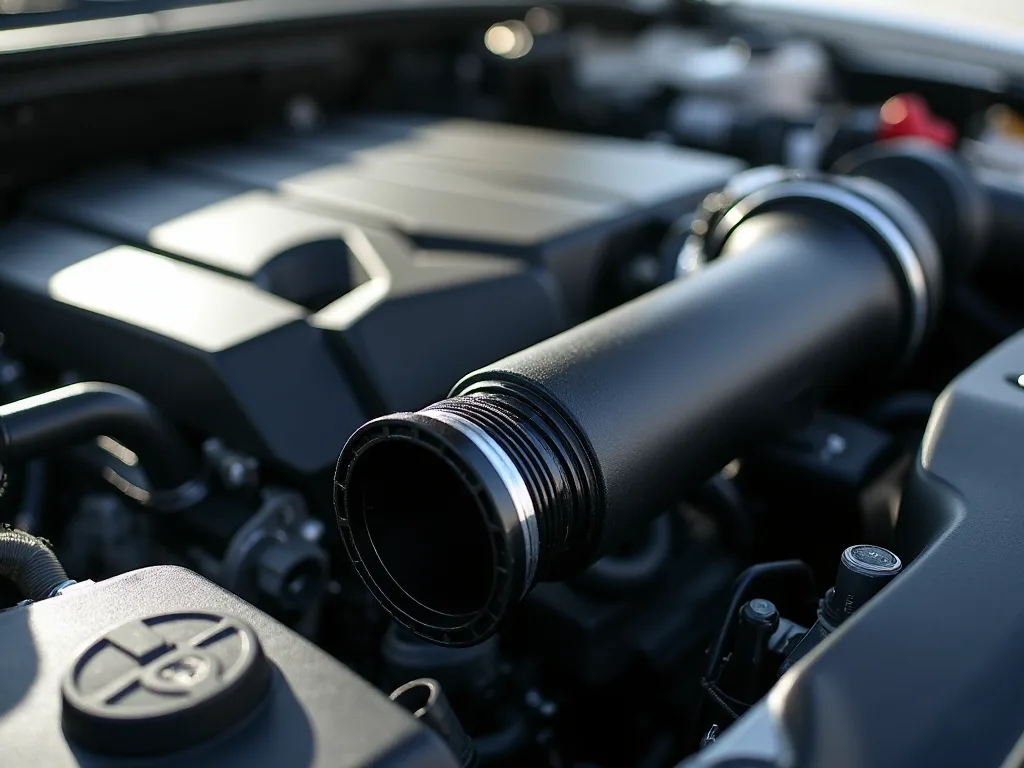
Cold air intake systems work by drawing in cooler, denser air that contains more oxygen molecules, which when mixed with fuel burns more efficiently and produces more power. By using wider, smoother tubing, aftermarket systems reduce airflow resistance and allow the engine to inhale more air with less effort. The temperature and density of incoming air directly impact combustion efficiency, making the design of the entire intake system—from the air filter to the manifold—critically important for performance optimization.
When combined with properly designed manifold runners, cold air intake systems can deliver substantial performance gains. Most drivers can expect an increase of about 5 to 20 horsepower from a quality cold air intake installation, though the exact gains depend on the vehicle and how well the entire intake system is optimized. The manifold runner design plays a pivotal role in determining where in the RPM range these gains will be most pronounced.
What Are Short Runner Manifolds?
Short runner manifolds are a type of intake manifold designed with shorter pathways from the throttle body to the engine cylinders. This design contrasts with long runner manifolds, which have extended pathways that create different airflow characteristics and performance profiles. The length of these runners has a profound impact on engine behavior across the RPM range.
The runner is the length of tube that connects the plenum chamber to the cylinder head flange and intake port. One of the most significant impacts on the way an engine makes power comes from the length and design of the intake manifold runners, which direct air into the ports. The physical dimensions of these runners—both length and diameter—determine the resonance frequency and airflow characteristics that ultimately shape the engine's power delivery.
In a short runner design, the distance air must travel from the plenum to the combustion chamber is minimized. This creates specific advantages for high-RPM operation but also introduces trade-offs in other areas of the power band. Understanding these characteristics is essential for selecting the right manifold design for your specific application and driving needs.
The Physics Behind Runner Length
The science behind runner length involves complex fluid dynamics and acoustic tuning principles. The resonance of the runner needs to match the frequency of the intake valve opening, so that by the time the valve opens again, a positive pressure wave is just getting there. This phenomenon, known as inertial supercharging or ram tuning, can significantly boost volumetric efficiency at specific engine speeds.
When an intake valve closes, it creates a pressure wave that travels up the runner, reflects off the plenum, and travels back down. If the runner length is properly tuned, this reflected wave arrives back at the intake valve just as it opens again, providing a slight pressure boost that helps pack more air into the cylinder. Acoustic tuning uses the compression wave caused by the opening and closing of the intake valve to convince more air to flow through the intake toward the valve.
Short runners create higher-frequency pressure waves that align with higher engine speeds, while long runners create lower-frequency waves that benefit lower RPM operation. This fundamental relationship between runner length and RPM optimization is why manifold selection is so critical for performance applications.
Single Plane vs. Dual Plane Manifold Designs
With shorter runners and open plenum, the single plane is intended for performance engines running at higher RPM ranges. Single plane manifolds feature a centrally located plenum that all cylinders draw from, with relatively short and equal-length runners. This design maximizes airflow at high engine speeds but can create turbulence issues at lower RPMs.
The dual plane manifold has always been recognized as designed for engine performance from idle to around 5,500 RPM. Dual plane designs split the plenum into two sections, with each section feeding alternating cylinders in the firing order. This creates better low-end torque and smoother idle characteristics, though it typically sacrifices some top-end power compared to single plane designs.
The choice between single and dual plane configurations often depends on the intended use of the vehicle. Street-driven vehicles that need good low-end response and drivability typically benefit from dual plane manifolds, while race applications focused on high-RPM power production favor single plane designs with short runners.
How Short Runner Manifolds Improve Cold Air Intake Efficiency
Short runner manifolds can enhance cold air intake efficiency in several ways, particularly when the engine operates in its upper RPM range. The benefits stem from both reduced flow restriction and optimized pressure wave timing for high-speed operation.
Reduced Airflow Resistance
Shorter pathways allow air to flow more freely into the engine, reducing resistance and increasing airflow potential. The short tube gives you less velocity but will allow lots of air to flow through it without choking the flow. This characteristic becomes increasingly important as engine speed rises and the demand for air volume increases dramatically.
At high RPM, the intake valves open and close very rapidly, creating a tremendous demand for air volume. Short runners minimize the distance air must travel and reduce the number of bends and restrictions in the flow path. This allows the engine to fill the cylinders more completely at high speeds, improving volumetric efficiency where it matters most for peak power production.
The shorter the runner length, the greater the volumetric efficiency that occurs when the engine is under high speeds of rotation. This relationship has been confirmed through both computational modeling and real-world dyno testing, making it a well-established principle in intake manifold design.
Faster Throttle Response at High RPM
The quick delivery of air through short runners improves throttle responsiveness, especially at higher RPMs. When you press the accelerator pedal at high engine speeds, short runners allow the engine to respond more immediately to changes in throttle position. The reduced air column length means less inertia to overcome and faster pressure changes throughout the intake system.
Cold air intakes allow your engine to breathe more freely, which translates to faster throttle response, meaning when you step on the pedal, the engine reacts quicker and more smoothly, and reducing restriction helps the engine rev more eagerly. When paired with short runner manifolds optimized for high-RPM operation, this responsiveness becomes even more pronounced in the upper portion of the power band.
Short runners are all about quick, high-revving power, ideal for sports cars and racers. This makes them particularly well-suited for applications where the engine spends most of its time operating above 4,000-5,000 RPM, such as road racing, autocross, or drag racing where launches occur at elevated engine speeds.
Enhanced Power Output in the Upper RPM Range
Improved airflow through short runners can lead to increased horsepower and torque, particularly in performance-oriented vehicles operating at high engine speeds. Shorter runners favour a narrow power band higher in the RPM range, concentrating the performance gains where they provide the most benefit for racing and high-performance applications.
The Race version provides a 15-30 horsepower gain with a 1000-2000 RPM shift up in peak horsepower when comparing short race runners to standard length runners on the same manifold platform. This demonstrates the substantial impact runner length can have on both the magnitude and location of peak power production.
The power gains from short runners come from multiple factors working together: reduced restriction allows higher airflow volume, optimized pressure wave timing enhances cylinder filling at high RPM, and the shorter air column responds more quickly to rapid valve events. When combined with a properly designed cold air intake system delivering cool, dense air, these factors multiply to create significant performance improvements in the upper RPM range.
Optimized Plenum Volume Considerations
The plenum volume works in conjunction with runner length to determine overall manifold performance characteristics. The plenum acts as a damper, like the surge tank in a fuel system, helping to smooth out pressure fluctuations and ensure consistent air delivery to all cylinders.
An ideal plenum volume for high-performance applications often varies between 70% to 120% of the engine's displacement, depending on specific targets. For short runner applications focused on high-RPM power, plenum volumes toward the larger end of this range typically work best, as they provide adequate air storage to feed the high flow demands without creating excessive restriction.
You can make up for shortfalls in runner length and design by careful tuning of the volume of the plenum and the diameter of the throttle body. This means that even with short runners, proper attention to plenum design can help maintain reasonable performance across a broader RPM range than the runners alone would suggest.
Trade-offs and Considerations of Short Runner Manifolds
While short runner manifolds offer significant benefits for high-RPM performance, they also have important limitations that must be understood before making a manifold selection. No single design is optimal for all applications, and the trade-offs inherent in short runner designs make them unsuitable for certain uses.
Reduced Low-End Torque
Shorter pathways may decrease performance at lower RPMs compared to long runner designs. Long runners optimize torque and low-end power, making them a favourite for trucks and heavy-duty vehicles. This is because long runners create pressure wave timing that benefits lower engine speeds, and the higher air velocity in long, narrow runners helps fill cylinders more completely at low RPM.
A long, skinny tube will give you more air velocity, which will tend to pack more air into the cylinders, as inertia causes the air to keep going through the tube even when the intake valve is closed. Short runners sacrifice this velocity effect, resulting in reduced cylinder filling efficiency at low engine speeds.
For street-driven vehicles that spend most of their time operating between 1,500 and 4,000 RPM, this loss of low-end torque can be quite noticeable. The engine may feel sluggish during normal driving, requiring more throttle input and higher RPMs to achieve the same acceleration. For the majority of car enthusiasts who use and enjoy their cars on public roads and in scenarios where responsiveness and midrange torque matter, runner length is KING.
Application-Specific Performance
Not all engines benefit equally from short runner manifolds; the manifold design should match the vehicle's intended use. The same aftermarket intake manifold that optimizes performance on a near-stock engine may not be the ideal choice if engine displacement and redline have been increased.
Several factors determine whether short runners are appropriate for a given application:
- Operating RPM Range: Engines that regularly operate above 5,000 RPM benefit most from short runners, while those that rarely exceed 4,000 RPM typically perform better with longer runners.
- Engine Displacement: Larger displacement engines can sometimes overcome the low-end torque deficit of short runners through sheer cubic inches, while smaller engines may suffer more noticeably.
- Camshaft Profile: Aggressive camshafts with late intake valve closing events work synergistically with short runners, as both favor high-RPM operation. Mild camshafts paired with short runners create a mismatch that hurts performance.
- Forced Induction: Turbocharged and supercharged engines often benefit more from short runners than naturally aspirated engines, as the forced induction compensates for low-end torque losses.
- Vehicle Weight: Heavier vehicles need more low-end torque to accelerate effectively, making long runners more suitable, while lightweight sports cars can better exploit the high-RPM benefits of short runners.
Runners with long lengths and small diameters can be used to improve the performance of the motor at low speeds, while for high speeds the use of runners of short length and larger diameters is suggested. This fundamental principle should guide manifold selection based on the primary operating conditions of the engine.
Potential for Increased Intake Noise
The design of short runner manifolds can sometimes lead to louder intake sounds. The larger filter and larger-diameter intake tube produce a noticeable grumble or growl from the engine compartment under acceleration, especially when paired with an aftermarket exhaust system.
While many enthusiasts appreciate the more aggressive intake sound as an audible indicator of performance, it can be undesirable in certain situations. Daily drivers may find the increased noise fatiguing on long highway trips, and some jurisdictions have noise regulations that could be violated by particularly loud intake systems.
The increased noise comes from several sources: the shorter, more direct path allows more engine noise to transmit through the intake system, the larger diameter runners create different acoustic properties, and the removal of factory sound dampening materials eliminates their noise-reducing effects. Some aftermarket manifolds include provisions for sound dampening, but these typically reduce the maximum airflow potential slightly.
Installation and Tuning Complexity
Installing a short runner manifold often requires additional modifications and tuning to achieve optimal results. Modern engines with sophisticated engine management systems may require recalibration to properly account for the changed airflow characteristics. These gains are amplified when paired with a custom tune, which helps the engine take full advantage of the improved airflow.
Without proper tuning, a short runner manifold installation may result in poor drivability, check engine lights, or even reduced performance compared to the stock configuration. The engine control unit (ECU) uses mass airflow sensor or manifold absolute pressure sensor data to calculate fuel delivery, and significant changes to intake flow characteristics can confuse these calculations.
Professional dyno tuning is often recommended after installing a short runner manifold, especially on fuel-injected engines. This ensures that air-fuel ratios remain optimal across the entire RPM range and that ignition timing is properly adjusted to prevent detonation with the increased airflow. The cost and complexity of proper tuning should be factored into the decision to install a short runner manifold.
Variable Runner Length Technology
Recognizing that both short and long runners have distinct advantages in different RPM ranges, many modern engines employ variable runner length technology to achieve the best of both worlds. These systems use mechanical actuators to change the effective runner length based on engine speed and load conditions.
The long runners are used until about 4,500 RPM then the shorties are opened up in some two-stage intake systems. This approach allows the engine to benefit from the low-end torque advantages of long runners during normal driving while accessing the high-RPM power potential of short runners when needed.
Based on the behavior of the volumetric efficiency curves, a variable configuration of the geometry of the intake manifold was proposed, and the results showed that the engine can achieve higher values of volumetric efficiency, torque and effective horsepower, depending on the speed conditions. This demonstrates the real-world benefits of variable runner technology in optimizing performance across the entire operating range.
How Variable Runner Systems Work
Variable runner systems typically use one of several approaches to change effective runner length. The most common design uses butterfly valves or flaps within the intake manifold that can open or close secondary passages. When closed, air must travel through longer primary runners. When opened, air can take a shorter path directly to the cylinders.
Another approach uses sliding sleeves or rotating drums that physically change the length of the runner path. These systems can sometimes offer more than two discrete lengths, providing multiple optimization points across the RPM range. The actuators are controlled by the engine management system based on inputs from various sensors including RPM, throttle position, and manifold pressure.
The transition between long and short runner modes is carefully calibrated to occur at the RPM where the benefits of shorter runners begin to outweigh the advantages of longer runners. This transition point varies by engine design but typically occurs somewhere between 3,500 and 5,000 RPM for most applications.
Benefits and Limitations of Variable Systems
Variable runner systems offer significant advantages for street-driven vehicles that must perform well across a wide RPM range. They provide strong low-end torque for daily driving and passing situations while still delivering impressive high-RPM power when needed. This makes them ideal for performance-oriented street cars that see occasional track use.
However, variable systems also have drawbacks. They add complexity, weight, and potential failure points to the intake system. The actuators, linkages, and control systems can malfunction, sometimes leaving the system stuck in one mode. The additional components also increase cost, both for initial purchase and potential repairs.
For dedicated race applications where the engine operates in a narrow RPM range, the added complexity of variable runners typically isn't worthwhile. A fixed-length runner optimized for the specific operating range provides maximum performance with minimum weight and complexity. Variable systems are best suited for street and dual-purpose vehicles that need broad powerband characteristics.
Optimizing Cold Air Intake Systems with Short Runner Manifolds
To maximize the benefits of short runner manifolds, they must be properly integrated with the rest of the intake system. The cold air intake, throttle body, and manifold should all be sized and designed to work together as a cohesive system.
Matching Throttle Body Size
A larger throttle body allows for greater airflow, which can result in increased horsepower. When installing a short runner manifold designed for high-RPM operation, ensuring adequate throttle body size is critical to avoid creating a bottleneck that limits the manifold's potential.
The choice of throttle body should complement the overall design of your intake manifold for maximum efficiency. However, excessively large throttle bodies can hurt low-speed drivability by reducing air velocity at small throttle openings. The goal is to select a throttle body large enough to support the engine's maximum airflow requirements without being so large that it compromises part-throttle response.
As a general guideline, throttle body diameter should be selected based on the engine's maximum airflow requirements at peak power RPM. Computational fluid dynamics analysis or empirical testing can determine the optimal size, but many aftermarket manifold manufacturers provide throttle body sizing recommendations based on their testing.
Cold Air Intake Pipe Diameter and Routing
Aftermarket intakes use large-diameter intake tubes that are smoother, have fewer bends and are often wider than the original factory intake, and removing the air box and using smoother tubes gives the engine uninterrupted airflow. When paired with a short runner manifold, the cold air intake should be sized to deliver adequate airflow volume without creating excessive velocity that would increase restriction.
The routing of the cold air intake is equally important. Aftermarket cold air intakes are designed to reposition the filter so it pulls air from outside the engine bay, where the air is cooler, denser, and much more efficient for combustion. Cooler intake air temperatures directly improve power output by increasing air density, and this benefit compounds with the high-flow characteristics of short runner manifolds.
A high-quality cold air intake can reduce intake temperatures by 5-12°F, directly enhancing combustion efficiency and overall engine performance. This temperature reduction becomes increasingly important at high engine speeds where the short runner manifold excels, as the increased airflow volume amplifies the benefits of cooler, denser air.
Air Filter Selection and Maintenance
The air filter represents the first restriction point in the intake system and must be carefully selected to balance filtration efficiency with airflow capacity. Oiled cotton filters provide maximum airflow and are reusable, with multiple layers of cotton coated in oil helping trap dirt and debris while still allowing a high volume of air to flow through.
For high-performance applications with short runner manifolds, high-flow filters are essential to avoid creating a bottleneck at the filter element. However, filtration efficiency must not be sacrificed, as any contaminants that enter the engine can cause accelerated wear, especially in high-RPM operation where component stresses are already elevated.
Regular filter maintenance is critical for maintaining optimal performance. Dirty or clogged filters dramatically increase restriction and can negate the benefits of an otherwise well-designed intake system. Aftermarket cold air intake systems often come with reusable filters that can be cleaned and re-oiled rather than replaced, and these filters provide better filtration and airflow than the originals.
Real-World Performance Testing and Results
Understanding the theoretical benefits of short runner manifolds is important, but real-world testing provides the most valuable insights into actual performance gains and trade-offs. Dyno testing and track results demonstrate how these systems perform under actual operating conditions.
Dyno Testing Comparisons
Controlled dyno testing allows for direct comparison between different manifold configurations while eliminating variables like weather conditions and driver skill. Using a novel proposed design indicates that the volumetric efficiency, brake torque, brake specific fuel consumption, brake thermal efficiency, and heat release rate of the engine compared to the stock intake manifold were improved by 6.33%, 7.23%, 0.83%, 1.77%, and 11.79% respectively in one comprehensive study.
These improvements demonstrate that properly designed short runner manifolds can deliver measurable performance gains across multiple metrics. However, it's important to note that these results were achieved with a complete system optimization, not just a simple manifold swap. The intake system, engine calibration, and other components were all optimized to work together.
Dyno charts typically show that short runner manifolds shift the torque curve upward in the RPM range, with peak torque occurring 500-1,500 RPM higher than with long runners. Peak horsepower also increases and occurs at higher RPM. The area under the curve in the low-RPM range typically decreases, while the high-RPM area increases substantially.
Track Performance and Drivability
Track testing reveals how short runner manifolds affect real-world performance in racing conditions. For road racing applications where the engine operates primarily between 5,000 and 8,000 RPM, short runner manifolds typically provide faster lap times through improved corner exit acceleration and higher top speeds on straights.
However, the reduced low-end torque can be problematic in certain situations. If the driver allows engine speed to drop too low exiting a slow corner, the engine may feel sluggish until RPMs build back into the power band. This requires drivers to adapt their technique, using lower gears and keeping engine speed elevated to stay in the optimal RPM range.
For drag racing, short runner manifolds work well when combined with high-stall torque converters or aggressive clutch engagement that allows launches at elevated RPM. The improved high-RPM power helps achieve faster trap speeds, though the reduced low-end torque can hurt 60-foot times if launch RPM is too low.
Street Drivability Considerations
Street drivability often suffers with short runner manifolds optimized for racing. The reduced low-end torque makes the engine feel less responsive during normal driving conditions. Part-throttle acceleration from low RPM, such as when merging into traffic or accelerating from a stop sign, requires more throttle input and often downshifting to achieve adequate acceleration.
Longer runners, by increasing overall peak torque production, usually increase power everywhere including higher peak power, which explains why many street-driven performance cars achieve better overall performance with longer runners despite the theoretical high-RPM advantages of short runners. The broader, more usable powerband of long runners often proves more valuable in varied driving conditions.
For vehicles that see mixed use—both street driving and occasional track days—a compromise runner length or variable runner system typically provides the best overall experience. This allows acceptable street manners while still providing good performance at the track.
Material Selection and Construction Quality
The materials and construction methods used in short runner manifolds significantly impact their performance, durability, and cost. Different materials offer distinct advantages and trade-offs that should be considered when selecting a manifold.
Aluminum Manifolds
Aluminum is the most common material for aftermarket performance manifolds. Cast intake manifolds are durable and cost-effective, while billet manifolds offer precision and customisation. Cast aluminum manifolds provide good strength and heat dissipation at reasonable cost, making them popular for street and mild racing applications.
Billet aluminum manifolds machined from solid blocks offer the ultimate in precision and customization. Every dimension can be precisely controlled, and the lack of casting porosity ensures consistent wall thickness and strength. However, billet manifolds are significantly more expensive due to the extensive machining required and material waste inherent in the process.
Aluminum's excellent thermal conductivity helps dissipate heat from the intake charge, though this can also allow heat soak from the engine to warm the intake air. Some manufacturers apply thermal barrier coatings or use phenolic spacers to minimize heat transfer from the engine to the manifold.
Composite and Plastic Manifolds
Modern composite materials and engineered plastics offer unique advantages for intake manifolds. These materials provide excellent thermal insulation, keeping intake air temperatures lower than aluminum manifolds in many conditions. The insulating properties prevent heat from the engine from transferring to the intake charge.
Composite manifolds can also be molded into complex shapes that would be difficult or impossible to achieve with cast aluminum. This allows for optimized runner shapes and smooth transitions that improve airflow. The lighter weight of composite materials also benefits overall vehicle performance, particularly in racing applications where every pound matters.
However, composite manifolds have limitations in maximum boost pressure for forced induction applications and may not withstand the same level of abuse as metal manifolds. They're also more susceptible to damage from improper installation or over-tightening of fasteners.
Carbon Fiber and Exotic Materials
If you're looking for the ultimate in lightweight performance carbon and kevlar manifolds are the way to go. These exotic materials offer the best strength-to-weight ratio available, making them popular for high-end racing applications where weight savings justify the substantial cost premium.
Carbon fiber manifolds provide excellent thermal insulation properties similar to composite materials while offering superior strength and stiffness. The material's high cost and specialized manufacturing requirements limit its use to professional racing and high-budget builds where maximum performance is the primary goal.
The aesthetic appeal of carbon fiber also makes it popular for show cars and high-end builds where appearance is important. However, for most street and amateur racing applications, the performance benefits rarely justify the cost compared to well-designed aluminum or composite alternatives.
Integration with Forced Induction Systems
Short runner manifolds interact differently with forced induction systems compared to naturally aspirated applications. Understanding these differences is important for optimizing turbocharged or supercharged engines.
Turbocharged Applications
Turbocharged engines respond exceptionally well to cold air intakes because the turbo needs air to spool up and compress, and a more efficient intake allows the turbo to do its job faster and more effectively. Short runner manifolds can further enhance this by reducing restriction between the turbocharger's compressor outlet and the engine's intake valves.
In turbocharged applications, the manifold operates under positive pressure rather than the vacuum conditions of naturally aspirated engines. This changes the flow dynamics and reduces the importance of inertial tuning effects. The primary benefit of short runners in turbo applications comes from reduced restriction and improved throttle response rather than acoustic tuning.
The reduced volume of short runner manifolds also decreases turbo lag slightly by reducing the total volume that must be pressurized. This can improve transient response, making the engine feel more responsive to throttle inputs. However, the effect is relatively small compared to other factors like turbocharger sizing and wastegate control strategy.
Supercharged Applications
Supercharged engines benefit from short runner manifolds in similar ways to turbocharged applications, with reduced restriction being the primary advantage. The positive displacement nature of most superchargers means they can overcome significant intake restriction, but reducing that restriction still improves efficiency and power output.
Short runners help minimize the pressure drop between the supercharger outlet and the intake valves, allowing the engine to take full advantage of the boost pressure being generated. This is particularly important at high RPM where airflow volume is greatest and restriction penalties are most severe.
The reduced manifold volume of short runner designs also improves throttle response in supercharged applications by decreasing the time required for pressure changes to propagate through the system. This makes the engine feel more immediate and responsive to driver inputs.
Fuel System Considerations
Installing a short runner manifold that improves airflow often requires corresponding fuel system upgrades to maintain proper air-fuel ratios. The increased airflow capacity must be matched with adequate fuel delivery to achieve optimal performance and avoid dangerous lean conditions.
Fuel Injector Sizing
As airflow increases with a short runner manifold and cold air intake system, fuel injector capacity must be sufficient to maintain proper air-fuel ratios at maximum power. Improved airflow can lead to more efficient fuel combustion, resulting in better fuel efficiency and smoother engine performance, but only if adequate fuel is available.
Calculating required injector size involves determining the engine's maximum airflow at peak power, the target air-fuel ratio, and the fuel pressure at which the injectors will operate. Online calculators and professional tuners can help determine appropriate injector sizing, but it's generally wise to include a safety margin of 15-20% beyond calculated requirements.
Excessively large injectors can hurt drivability at low engine speeds by making precise fuel metering difficult. Modern engine management systems with high-resolution control can often compensate, but there are practical limits to how large injectors can be while maintaining good idle quality and part-throttle response.
Fuel Pump Capacity
The fuel pump must be capable of delivering adequate fuel volume at the required pressure to support the increased airflow of a short runner manifold system. High-performance applications often require upgraded fuel pumps, particularly when combined with forced induction or other power-adding modifications.
Fuel pump capacity is typically rated in liters per hour or gallons per hour at a specific pressure. As fuel pressure increases, flow rate decreases, so it's important to verify pump capacity at the actual operating pressure of your fuel system. Many aftermarket pumps provide flow curves showing capacity across a range of pressures.
For extreme performance applications, dual fuel pump setups or high-capacity racing pumps may be necessary. The fuel system should always be sized with adequate margin to ensure reliable fuel delivery even under worst-case conditions like hot weather, low fuel levels, and sustained high-load operation.
Engine Management and Tuning
Proper engine management calibration is essential for realizing the full potential of short runner manifolds while maintaining reliability and drivability. Modern engine control systems are sophisticated but require proper tuning to optimize performance with modified intake systems.
Mass Airflow Sensor Calibration
Engines using mass airflow (MAF) sensors to measure intake air require recalibration when intake system modifications change airflow characteristics. The MAF sensor measures air mass flowing past it and the ECU uses this information to calculate fuel delivery. Changes to intake pipe diameter, filter type, or manifold design can affect the relationship between actual airflow and MAF sensor reading.
Some aftermarket intake systems include recalibrated MAF sensors or provide calibration files for popular engine management systems. Alternatively, custom tuning on a dyno allows the tuner to adjust the MAF transfer function to accurately represent actual airflow with the modified intake system.
Failure to properly calibrate the MAF sensor can result in incorrect air-fuel ratios, poor performance, and potential engine damage. This is one reason why professional tuning is strongly recommended after installing a short runner manifold and cold air intake system.
Volumetric Efficiency Tables
Speed-density engine management systems use manifold absolute pressure (MAP) sensors and volumetric efficiency tables to calculate airflow. These tables define how efficiently the engine fills its cylinders at various RPM and load conditions. Installing a short runner manifold changes volumetric efficiency characteristics, requiring updates to these tables.
Short runner manifolds typically increase volumetric efficiency at high RPM while potentially decreasing it at low RPM. The tuner must adjust the volumetric efficiency tables to reflect these changes, ensuring accurate fuel delivery across the entire operating range. This process requires dyno testing or extensive data logging to properly characterize the engine's behavior with the new manifold.
Modern engine management systems often include automatic learning features that can adapt to minor changes, but significant modifications like manifold replacement exceed the adaptive range and require manual calibration adjustments.
Ignition Timing Optimization
The improved airflow from short runner manifolds and cold air intakes affects optimal ignition timing. Cooler, denser intake charges can typically tolerate more aggressive timing advance before detonation occurs, allowing for increased power output. However, this must be carefully calibrated to avoid engine-damaging detonation.
Professional tuners use dyno testing combined with knock detection equipment to determine optimal ignition timing across the RPM and load range. The goal is to advance timing as much as possible without inducing detonation, maximizing power output while maintaining reliability.
Conservative timing calibration may leave significant performance on the table, while overly aggressive timing risks catastrophic engine damage. This is another area where professional tuning expertise proves valuable, as experienced tuners understand the subtle signs of impending detonation and know how to optimize timing safely.
Emissions and Legal Considerations
Installing aftermarket intake manifolds and cold air intake systems can have implications for emissions compliance and legal operation of the vehicle. Understanding these considerations is important before making modifications.
Emissions Impact
Air intake impacts emissions positively by improving the air-fuel mixture for cleaner burning, and switching to a more efficient system significantly lowers your vehicle's harmful emissions when properly tuned. However, improperly calibrated systems can increase emissions by disrupting the carefully optimized air-fuel ratios of the factory configuration.
Modern emissions control systems rely on precise air-fuel ratio control to achieve maximum catalytic converter efficiency. Modifications that alter airflow characteristics without corresponding calibration adjustments can push air-fuel ratios outside the optimal range for emissions control, potentially increasing hydrocarbon, carbon monoxide, or nitrogen oxide emissions.
For vehicles subject to emissions testing, it's important to ensure that any intake system modifications maintain compliance with applicable standards. Some jurisdictions require that aftermarket parts carry CARB (California Air Resources Board) Executive Orders or similar certifications demonstrating emissions compliance.
Legal and Warranty Considerations
Installing a cold air intake on some newer cars may void the engine manufacturer's warranty, so look into this situation before starting, or at least understand that it could become a problem later on. Manufacturers may deny warranty claims for engine damage they attribute to aftermarket modifications, even if the modification wasn't directly responsible for the failure.
The Magnuson-Moss Warranty Act provides some protection for consumers, requiring manufacturers to prove that an aftermarket part caused the failure before denying a warranty claim. However, this can still result in disputes and delays in getting warranty coverage. Keeping detailed records of all modifications and maintenance can help protect your interests if warranty issues arise.
Some jurisdictions have specific regulations regarding intake system modifications, particularly concerning noise levels and emissions equipment tampering. Research local regulations before installing aftermarket intake components to ensure compliance and avoid potential fines or failed inspections.
Cost-Benefit Analysis
Evaluating whether a short runner manifold and cold air intake system make sense for your application requires honest assessment of costs versus benefits. The financial investment must be weighed against the performance gains and how well those gains align with your actual needs.
Initial Investment
The cost of a short runner manifold varies widely depending on material, construction method, and manufacturer. Cast aluminum manifolds for popular applications might cost $500-1,500, while billet aluminum or exotic material manifolds can exceed $3,000-5,000. Cold air intake systems typically range from $200-800 depending on quality and complexity.
Additional costs often include gaskets, hardware, and potentially throttle body adapters or other components needed for proper installation. Professional installation labor can add several hundred dollars, though many enthusiasts perform the installation themselves to save money.
Tuning costs represent another significant expense, potentially ranging from $500-2,000 depending on the complexity of the engine management system and the tuner's rates. This cost is essential for achieving optimal results and should not be skipped in an attempt to save money.
Performance Gains
The performance gains from short runner manifolds and cold air intakes must justify the investment. For naturally aspirated engines, realistic expectations are gains of 10-30 horsepower depending on the baseline configuration and how well the system is optimized. Forced induction engines may see larger gains, particularly when combined with other supporting modifications.
The character of the power delivery changes significantly with short runners, shifting power production higher in the RPM range. For applications where this aligns with actual usage patterns, the modification can dramatically improve performance. For applications where low-RPM torque is more important, the investment may not provide meaningful benefits and could actually hurt real-world performance.
Subjective improvements in throttle response, intake sound, and the overall driving experience also factor into the value equation. Many enthusiasts find these intangible benefits worth the investment even if the raw horsepower gains are modest.
Alternative Modifications
Before investing in a short runner manifold, consider whether alternative modifications might provide better value for your specific goals. Exhaust system upgrades, camshaft changes, or engine management tuning might deliver similar or better results at lower cost depending on the current configuration.
If you team up the cold air intake with other engine modifications, like a new exhaust, you'll create a much more efficient system, so think of it as just one part of many to increase your engine's performance. A comprehensive approach that addresses multiple restrictions and inefficiencies typically provides better results than focusing on a single component.
For street-driven vehicles, modifications that improve the entire powerband often provide more satisfying results than those that optimize only high-RPM performance. Consider your actual driving patterns and performance goals when prioritizing modifications to ensure the best return on investment.
Installation Best Practices
Proper installation of short runner manifolds and cold air intake systems is critical for achieving optimal performance and reliability. Following best practices ensures the system functions as designed and avoids potential problems.
Preparation and Planning
Read the installation instructions from beginning to end, as it's likely that you'll find out that a special tool or special part is needed for the installation. Gathering all necessary tools, parts, and supplies before beginning work prevents frustrating delays and ensures the installation proceeds smoothly.
Verify that all components are present and undamaged before beginning installation. Check that gaskets, hardware, and any adapters or brackets are included and correct for your application. Taking photos of the stock configuration before disassembly can be helpful for reference during reassembly.
Plan for adequate time to complete the installation without rushing. Manifold replacement typically requires several hours even for experienced mechanics, and first-time installations may take considerably longer. Working methodically and carefully produces better results than rushing through the process.
Gasket and Sealing Considerations
Proper gasket installation is critical for preventing vacuum leaks that can cause poor performance and drivability issues. Use new gaskets specifically designed for your application rather than attempting to reuse old gaskets. Apply gasket sealant only if specified by the manufacturer, as some gaskets are designed to seal without additional sealant.
Ensure all mating surfaces are clean and flat before installing gaskets. Remove any old gasket material, dirt, or corrosion that could prevent proper sealing. A small amount of surface imperfection can create significant vacuum leaks, so take time to properly prepare surfaces.
Follow specified torque values and tightening sequences when installing the manifold. Uneven tightening can warp the manifold or cylinder head, creating leaks or even causing damage. Use a calibrated torque wrench and tighten fasteners in multiple stages, following the pattern specified in the installation instructions.
Post-Installation Checks
After installation, perform thorough checks before starting the engine. Verify that all connections are secure, all fasteners are properly tightened, and no tools or parts have been left in the engine bay. Check that all vacuum lines, sensors, and electrical connections are properly routed and connected.
Start the engine and listen for any unusual sounds that might indicate leaks or other problems. Check for vacuum leaks by listening for hissing sounds or using a smoke machine if available. Monitor engine parameters using a scan tool to verify that sensors are reading correctly and the engine is operating normally.
Allow the engine to reach operating temperature and verify that there are no coolant or oil leaks from disturbed connections. Take the vehicle for a test drive, monitoring performance and watching for any warning lights or unusual behavior. Schedule professional tuning as soon as possible to optimize the engine calibration for the new intake system.
Maintenance and Long-Term Care
Maintaining your short runner manifold and cold air intake system ensures continued optimal performance and longevity. Regular maintenance prevents problems and keeps the system functioning as designed.
Air Filter Service
Regular air filter cleaning or replacement is the most important maintenance task for cold air intake systems. Dirty filters dramatically increase restriction and reduce performance. Many cold air intakes use oiled filters that need periodic cleaning and re-oiling, and failing to do this can reduce airflow and cause long-term engine issues.
Follow the manufacturer's recommended service intervals for your specific filter type. Oiled cotton filters typically require cleaning every 25,000-50,000 miles under normal conditions, though dusty environments may require more frequent service. Dry synthetic filters may have different service requirements, so consult the manufacturer's recommendations.
Use proper cleaning products and procedures specified by the filter manufacturer. Improper cleaning can damage the filter media or leave residue that affects performance. Allow filters to dry completely before re-oiling and reinstalling to prevent oil from being drawn into the engine.
Inspection and Leak Detection
Periodically inspect the entire intake system for signs of damage, wear, or leaks. Check all connections, clamps, and couplers for tightness and proper condition. Silicone couplers can deteriorate over time, especially in high-temperature environments, and may require replacement.
Look for signs of oil accumulation in the intake system, which could indicate problems with the PCV system or turbocharger seals in forced induction applications. Excessive oil in the intake can foul sensors and reduce performance.
If you notice any changes in performance, unusual sounds, or check engine lights, investigate promptly. Small problems can become major issues if ignored, and early detection allows for easier and less expensive repairs.
Seasonal Considerations
Because cold air intakes pull air from low to the ground, there's a higher risk of sucking in water when driving through puddles or heavy rain, and some systems include hydro shields to reduce this risk. Be particularly cautious during wet weather and avoid driving through deep water that could reach the air filter.
In winter conditions, some cold air intake systems can experience icing issues where moisture in the air freezes on the filter or intake components. This can restrict airflow and cause performance problems. Some manufacturers offer pre-filters or shields to help prevent icing in cold climates.
Hot weather can increase intake air temperatures, reducing the density advantage of cold air intake systems. Ensure that heat shields and insulation remain in good condition to minimize heat soak from the engine. Some enthusiasts use water-methanol injection systems to further reduce intake temperatures in extreme conditions.
Future Developments and Technology Trends
Intake manifold technology continues to evolve as manufacturers seek to optimize performance across broader operating ranges while meeting increasingly stringent emissions and efficiency requirements. Understanding emerging trends can help inform future modification decisions.
Advanced Variable Geometry Systems
Next-generation variable runner systems are becoming more sophisticated, with some designs offering continuously variable runner length rather than discrete positions. These systems use electronic actuators and advanced control algorithms to optimize runner length for current operating conditions in real-time.
Some manufacturers are exploring active plenum volume control, where the effective plenum size can be adjusted to optimize performance characteristics. This adds another dimension of tunability beyond runner length alone, potentially allowing even broader optimization of the powerband.
As these technologies mature and costs decrease, they may become more accessible for aftermarket applications. However, the added complexity means they're likely to remain primarily in OEM applications for the foreseeable future.
Additive Manufacturing
3D printing and other additive manufacturing technologies are beginning to impact intake manifold design and production. These technologies allow for complex internal geometries that would be impossible or prohibitively expensive to produce with traditional casting or machining methods.
Optimized runner shapes with continuously varying cross-sections, integrated velocity stacks, and other advanced features become practical with additive manufacturing. The technology also enables rapid prototyping and custom one-off designs for specialized applications.
Current limitations include material properties, production speed, and cost for larger components. However, as the technology advances, additive manufacturing may revolutionize custom intake manifold production, making optimized designs accessible to a broader range of enthusiasts.
Integration with Hybrid and Electric Powertrains
As hybrid powertrains become more common, intake system design must account for engines that operate in different modes and may shut off completely during certain driving conditions. This creates unique challenges and opportunities for intake manifold optimization.
Some hybrid systems use the electric motor to fill in low-RPM torque gaps, potentially allowing more aggressive intake manifold designs that would be impractical in purely internal combustion applications. The electric motor provides instant torque at low speeds, compensating for the reduced low-end performance of short runner manifolds.
As electrification continues to advance, the role of intake system optimization in overall powertrain performance will evolve. However, for the foreseeable future, internal combustion engines will remain relevant, and intake manifold design will continue to be an important factor in performance optimization.
Conclusion
Short runner manifolds are a valuable component for improving cold air intake efficiency, especially in high-performance applications where the engine operates primarily at elevated RPM. Shorter runners favour a narrow power band higher in the RPM range, making them ideal for racing and performance-oriented driving where maximum power output is the primary goal.
The benefits of short runner manifolds include reduced airflow restriction, faster throttle response at high RPM, and enhanced power output in the upper portion of the rev range. When properly integrated with a quality cold air intake system and supporting modifications, short runners can deliver substantial performance gains that transform the character of an engine.
However, understanding the trade-offs is essential for optimizing engine performance based on specific needs and driving conditions. Long runners optimize torque and low-end power, making them more suitable for street-driven vehicles, trucks, and applications where broad powerband characteristics are more important than peak power output.
The decision to install a short runner manifold should be based on honest assessment of how the vehicle will be used, what performance characteristics are most important, and whether the benefits justify the costs and compromises. For dedicated race vehicles and high-performance applications, short runners often provide exactly the characteristics needed for optimal performance. For daily drivers and vehicles that see varied use, longer runners or variable runner systems typically provide better overall results.
Proper installation, tuning, and maintenance are critical for achieving the full potential of short runner manifolds and cold air intake systems. Professional tuning ensures that the engine management system is properly calibrated for the modified intake characteristics, maximizing performance while maintaining reliability. Regular maintenance, particularly air filter service, keeps the system functioning optimally over the long term.
As intake manifold technology continues to evolve, new designs and materials will offer even greater optimization potential. Variable runner systems, advanced materials, and emerging manufacturing technologies promise to deliver broader powerbands and better performance across all operating conditions. However, the fundamental principles of runner length and its impact on engine performance will remain relevant regardless of technological advances.
For enthusiasts considering intake system modifications, thorough research and careful planning are essential. Consult with experienced tuners, study dyno results from similar applications, and honestly assess your performance goals and usage patterns. When properly selected and implemented, short runner manifolds and cold air intake systems can deliver impressive performance improvements that enhance the driving experience and unlock the true potential of your engine.
For more information on intake manifold design and optimization, visit Engine Builder Magazine for technical articles and industry insights. Additional resources on cold air intake systems and performance modifications can be found at Supra Forums, where enthusiasts share real-world experiences and testing results. Professional tuning resources and technical specifications are available through Dsport Magazine, which provides in-depth analysis of performance modifications and their effects on engine operation.