Table of Contents
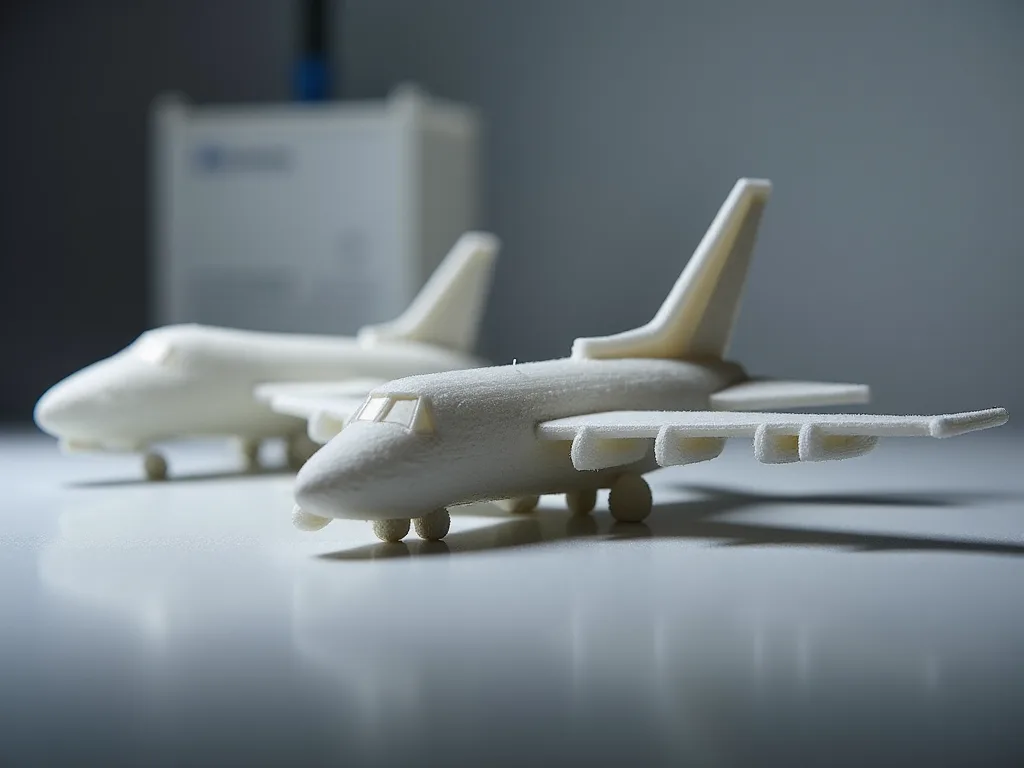
The aerospace industry in Nashville is experiencing a profound transformation driven by the rapid adoption of 3D printed materials in aircraft prototyping. This technological revolution is reshaping how aircraft components are designed, tested, and manufactured, positioning Nashville as an emerging hub for aerospace innovation. The global aerospace industry is entering a new era of digital manufacturing transformation, with the Aerospace 3D Printing Market projected to reach US$ 14.04 billion by 2034, rising from US$ 3.83 billion in 2025, reflecting the massive growth potential of this technology.
Additive manufacturing, commonly known as 3D printing, has evolved from a simple prototyping tool into a fundamental industrial process that is fundamentally altering aircraft design and production. Additive manufacturing is no longer just a tool for prototyping or non-critical parts—it's becoming essential to how complex systems are designed, built, and improved. This shift is particularly significant for Nashville's aerospace sector, where local companies are leveraging these advanced technologies to compete on a global scale.
Understanding 3D Printing Technology in Aerospace Applications
Three-dimensional printing in aerospace refers to the use of additive manufacturing technologies to build aircraft and spacecraft components layer by layer using metals, polymers, ceramics, and composite materials. Unlike traditional subtractive manufacturing methods that remove material from a solid block, additive manufacturing builds components from the ground up, offering unprecedented design freedom and material efficiency.
Additive manufacturing constructs components layer by layer using materials such as metals, polymers, and composites, enabling the fabrication of complex geometries that are often unattainable through traditional machining methods. This capability is particularly valuable in aircraft prototyping, where engineers need to test multiple design iterations quickly and cost-effectively.
The technology encompasses several distinct processes, each suited to different materials and applications. Powder bed fusion methods use lasers or electron beams to selectively melt metal or polymer powders, while directed energy deposition techniques build parts by melting material as it is deposited. Fused deposition modeling extrudes thermoplastic materials layer by layer, and stereolithography uses light to cure liquid resins into solid objects.
Advanced Materials Revolutionizing Nashville Aircraft Prototyping
The materials available for aerospace 3D printing have expanded dramatically in recent years, enabling Nashville's aerospace companies to produce components that meet the stringent requirements of aircraft applications. These materials must demonstrate exceptional strength-to-weight ratios, thermal stability, corrosion resistance, and durability under extreme conditions.
Titanium Alloys: The Gold Standard for Aerospace Components
Titanium is a high performance material that is ideally suited to the aerospace sector, where its high cost is not prohibitive and its strength-to-weight ratio and exceptional corrosion performance are overwhelmingly beneficial. Titanium alloys, particularly Ti-6Al-4V (Grade 5), have become the material of choice for critical structural components in aircraft prototyping.
Titanium alloys offer strength comparable to steel at approximately 60% of the weight, making them ideal for applications where weight reduction directly translates to improved fuel efficiency and increased payload capacity. In Nashville's aircraft prototyping facilities, titanium 3D printing enables the production of complex brackets, fittings, and structural elements that would be prohibitively expensive or impossible to manufacture using traditional methods.
Recent innovations in titanium 3D printing technology have expanded the size and complexity of parts that can be produced. Wire-directed energy deposition allows manufacturers to move from printing small components to creating large, structural titanium parts up to seven meters long, with production rates boosting from hundreds of grammes per hour to several kilogrammes per hour. This advancement represents a significant leap forward for industrial-scale aircraft prototyping.
Carbon Fiber-Reinforced Composites: Strength Meets Lightweight Design
Carbon fiber-reinforced composites represent another critical material category in Nashville's aircraft prototyping operations. Carbon fibers are long, exceptionally thin, but strong strands of carbon atoms, and carbon fiber composites are ideal for aerospace applications since they are as strong as steel but lighter than aluminum. This exceptional strength-to-weight ratio makes carbon fiber composites indispensable for modern aircraft design.
Carbon fiber-reinforced polymers can reduce an aircraft's weight by up to 20%, representing substantial fuel savings and performance improvements over the lifetime of an aircraft. In prototyping applications, carbon fiber composites enable engineers to test lightweight structural concepts that push the boundaries of aircraft performance.
Two primary approaches exist for 3D printing with carbon fiber: chopped fiber and continuous fiber methods. Chopped carbon fiber involves mixing carbon fiber pieces with traditional 3D printing plastics like nylon, ABS, or PLA, creating a material that offers improved strength and stiffness compared to pure thermoplastics. Continuous carbon fiber 3D printing is stronger than chopped carbon fiber because the continuity distributes any applied loads, making it suitable for more demanding structural applications.
The 3D printing of sandwich structures with various core shapes, using continuous carbon fibers, can be applied to a range of structural elements in aerospace, with modern aircraft commonly using carbon fiber reinforced polymer sandwich structures for their elevators, rudders, and steering blades as flight control surfaces. Nashville's prototyping facilities are increasingly adopting these advanced composite printing techniques to develop next-generation aircraft components.
High-Performance Thermoplastics for Demanding Applications
High-performance polymers, such as PEI (ULTEM), PEEK, PEKK and PPSU, exhibit remarkable mechanical properties and high-temperature resistance compared to many standard polymers commonly used in engineering applications. These advanced thermoplastics have opened new possibilities for aircraft interior components, ducting systems, and non-structural parts that must withstand elevated temperatures and harsh environmental conditions.
ULTEM materials, particularly ULTEM 1010 and 9085, have gained widespread acceptance in aerospace applications because they meet FAA flame, smoke, and toxicity requirements for aircraft interiors. This certification enables Nashville aerospace companies to prototype and produce cabin components, air ducts, and equipment housings that can transition directly from prototype to production without material changes.
Combining discontinuous carbon fibers with the high-performance polymer PEKK delivers a composite material with greatly improved properties, offering a middle ground between pure thermoplastics and continuous fiber composites. These hybrid materials provide excellent mechanical performance while maintaining the processing advantages of thermoplastic 3D printing.
Aluminum Alloys: Cost-Effective Performance
Aluminum delivers almost the same strength-to-weight ratio as titanium and a considerably lower raw material and processing cost, making it an attractive option for many aircraft prototyping applications where titanium's premium properties are not essential. Aluminum alloys such as AlSi10Mg and 6061 are commonly used in aerospace 3D printing for brackets, housings, and structural components.
The lower cost and easier availability of aluminum powders for additive manufacturing make it an ideal choice for rapid prototyping iterations where multiple design versions need to be tested. Nashville's aerospace prototyping facilities often begin development programs with aluminum components before transitioning to titanium or composite materials for final production parts.
Specialized Alloys for Extreme Conditions
Inconel is a nickel-chromium-based superalloy valued for its strength at high temperatures and excellent creep and corrosion resistance, and in 3D-printing aerospace applications, Inconel is often used in jet turbine engines to make fuel nozzles. These superalloys enable the prototyping of engine components that must withstand extreme temperatures and corrosive environments.
Stainless steel alloys also play an important role in aerospace 3D printing. 3D printed parts from stainless steel can offer robust, long-lasting structural and functional components for high-stress applications in aerospace, with the distinctive combination of resistance to corrosion, strength, and durability making it an ideal choice for strength critical components. Landing gear components, support structures, and high-load fittings frequently utilize stainless steel in prototyping applications.
Transformative Benefits of 3D Printing in Aircraft Prototyping
The adoption of 3D printing technology in Nashville's aircraft prototyping operations delivers numerous strategic advantages that are reshaping the competitive landscape of aerospace manufacturing. These benefits extend beyond simple cost savings to encompass fundamental improvements in design capability, development speed, and manufacturing flexibility.
Accelerated Development Cycles and Rapid Iteration
One of the earliest and still most valuable applications of 3D printing in aviation is rapid prototyping, where engineers can quickly produce test models and design iterations to evaluate fit, form, and function within hours or days instead of weeks. This dramatic reduction in prototyping time enables Nashville aerospace companies to explore more design alternatives and optimize aircraft components more thoroughly than ever before.
3D printing is much faster than some traditional aerospace manufacturing techniques, which is incredibly valuable at the prototyping stage of product development and aircraft design, allowing aerospace companies to iterate on new ideas more efficiently, so they can put new innovations into practice sooner and stay ahead of the competition. In an industry where time-to-market can determine commercial success, this speed advantage provides Nashville's aerospace sector with a significant competitive edge.
The ability to produce functional prototypes quickly also facilitates more comprehensive testing programs. Engineers can evaluate multiple design variants under real-world conditions, gathering performance data that informs final design decisions. This iterative approach reduces the risk of costly design errors and ensures that final production components meet all performance requirements.
Substantial Cost Reductions Through Material Efficiency
Traditional aerospace manufacturing methods, particularly for titanium components, often involve removing up to 90% of the starting material to create the final part. This "buy-to-fly" ratio represents enormous material waste and associated costs. Traditional manufacturing of titanium parts can generate substantial waste, but by reducing waste from the outset, wire-directed energy deposition lowers both material costs and the associated carbon footprint.
Additive manufacturing fundamentally changes this equation by building parts near-net-shape, using only the material necessary for the final component plus minimal support structures. For expensive materials like titanium and Inconel, this material efficiency translates directly to significant cost savings, making advanced materials more accessible for prototyping applications.
The elimination of expensive tooling represents another major cost advantage. Traditional manufacturing often requires custom molds, dies, and fixtures that can cost hundreds of thousands of dollars and take months to produce. 3D printing eliminates these tooling costs entirely, allowing Nashville aerospace companies to begin prototyping immediately from digital designs.
Design Freedom and Geometric Complexity
Engineers are now designing parts that simply couldn't exist without additive manufacturing: Components with integrated sensors, custom cooling systems, or advanced lattice structures that offer strength and flexibility at a fraction of the weight. This design freedom enables Nashville's aerospace engineers to optimize components in ways that were previously impossible.
Additive manufacturing allows aerospace engineers to design and fabricate intricate engine components that are difficult or impossible to create with traditional methods, with components like fuel nozzles, turbine blades, and combustion chambers printed as single, consolidated units with advanced internal geometries. This consolidation reduces part counts, eliminates potential failure points at joints and fasteners, and simplifies assembly processes.
Topology optimization, enabled by 3D printing's geometric freedom, allows engineers to create structures that follow natural load paths while minimizing material usage. These organic, biomimetic designs often resemble structures found in nature, with complex internal lattices that provide maximum strength with minimum weight. Such designs would be impossible to manufacture using traditional methods but are readily achievable with additive manufacturing.
Weight Reduction and Performance Enhancement
Leveraging 3D printing in the aerospace industry allows aircraft manufacturers to experiment with more weight reduction strategies, as 3D printing is compatible with a wide range of lightweight materials, so aerospace companies can manufacture lighter components. Every kilogram of weight saved in an aircraft translates to fuel savings, increased payload capacity, or extended range—all critical performance metrics in aerospace applications.
The combination of lightweight materials like titanium and carbon fiber composites with topology-optimized designs enables weight reductions of 40-60% compared to traditionally manufactured components while maintaining or even improving structural performance. For Nashville's aerospace prototyping operations, this weight reduction capability allows the development of next-generation aircraft that are more efficient and environmentally sustainable.
Internal features such as conformal cooling channels, hollow structures with optimized wall thickness, and integrated fluid passages further enhance component performance while reducing weight. These features are particularly valuable in engine components, where thermal management is critical to performance and longevity.
Supply Chain Resilience and On-Demand Manufacturing
Aerospace supply chains have historically relied on long lead times for forgings and castings, but additive manufacturing enables distributed production and shorter lead times, with a component that might require months for tooling and forging now produced in weeks. This supply chain flexibility is particularly valuable for prototyping operations, where schedule delays can derail entire development programs.
The ability to produce parts on-demand from digital files also reduces inventory requirements and associated carrying costs. Nashville aerospace companies can maintain digital libraries of component designs rather than physical inventories, producing parts only when needed. This approach is especially valuable for low-volume prototype components and spare parts for legacy aircraft.
Distributed manufacturing capabilities enabled by 3D printing also enhance supply chain resilience. Rather than depending on a single supplier or manufacturing location, companies can produce components at multiple facilities or even at customer sites, reducing transportation costs and lead times while improving responsiveness to customer needs.
Key 3D Printing Technologies Used in Nashville Aircraft Prototyping
Nashville's aerospace prototyping facilities employ a diverse array of 3D printing technologies, each optimized for specific materials, part geometries, and application requirements. Understanding these technologies and their respective strengths enables engineers to select the most appropriate process for each prototyping challenge.
Powder Bed Fusion: Precision Metal and Polymer Printing
Powder bed fusion technologies, including Selective Laser Melting (SLM), Direct Metal Laser Sintering (DMLS), and Electron Beam Melting (EBM), represent the most widely adopted methods for producing high-performance metal components in aerospace applications. These processes use focused energy sources—either lasers or electron beams—to selectively melt metal powder particles, fusing them into solid structures layer by layer.
DMLS and SLM are particularly well-suited for titanium, aluminum, and stainless steel components, producing parts with mechanical properties comparable to wrought materials. The layer-by-layer approach enables the creation of complex internal geometries, including cooling channels, lattice structures, and hollow sections that optimize weight and performance.
Electron Beam Melting offers distinct advantages for reactive materials like titanium, as the process occurs in a vacuum environment that prevents oxidation. EBM also operates at elevated temperatures, reducing residual stresses and often eliminating the need for stress-relief heat treatments. This technology is particularly valuable for large titanium components used in aircraft structural applications.
For polymer applications, Selective Laser Sintering (SLS) uses similar powder bed principles to produce functional plastic components from materials like nylon, including glass-filled and carbon-filled variants. SLS parts require no support structures, enabling the production of complex geometries with interlocking features and internal passages.
Directed Energy Deposition: Large-Scale Metal Printing
Directed Energy Deposition (DED) technologies, including wire-arc and powder-fed systems, excel at producing large metal components and repairing existing parts. Wire-directed energy deposition allows manufacturers to move from printing small components to creating large, structural titanium parts up to seven meters long, with the new process promising to be faster than powder-bed 3D printing, boosting production from hundreds of grammes per hour to several kilogrammes per hour, making 3D printing viable for industrial, high-volume manufacturing of large structural components for commercial aircraft.
DED processes deposit material—either wire or powder—directly onto a substrate while simultaneously melting it with a laser, electron beam, or plasma arc. This approach enables the production of much larger components than powder bed systems and offers higher deposition rates, making it more economical for large structural parts.
The technology also excels at repair applications, where material can be added to worn or damaged components to restore them to original specifications. This capability is particularly valuable in aerospace, where expensive components can be repaired rather than replaced, extending service life and reducing lifecycle costs.
Fused Deposition Modeling: Accessible Thermoplastic Printing
Fused Deposition Modeling (FDM), also known as Fused Filament Fabrication (FFF), represents the most accessible and widely deployed 3D printing technology. FDM systems extrude thermoplastic materials through a heated nozzle, depositing material layer by layer to build components. While originally limited to basic plastics, modern FDM systems can process high-performance aerospace materials including ULTEM, PEEK, and carbon fiber-reinforced composites.
Industrial-grade FDM systems equipped with heated build chambers and precise temperature control can produce functional aerospace components that meet stringent performance requirements. ULTEM 9085 and 1010, in particular, have gained FAA certification for aircraft interior applications, enabling the production of flight-worthy components directly from FDM printers.
The technology's ability to process carbon fiber-reinforced materials has expanded its aerospace applications significantly. Both chopped and continuous fiber FDM systems are now available, with continuous fiber systems offering mechanical properties approaching those of aluminum in some applications.
Stereolithography and Resin-Based Technologies
Stereolithography (SLA) and related resin-based technologies, including Digital Light Processing (DLP) and Continuous Liquid Interface Production (CLIP), use light to selectively cure liquid photopolymer resins into solid objects. These technologies offer exceptional surface finish and dimensional accuracy, making them ideal for prototypes requiring fine details and smooth surfaces.
High-temperature resins have expanded the aerospace applications of SLA technology. Materials capable of withstanding temperatures up to 300°C enable the production of composite tooling, including molds for carbon fiber layup and resin transfer molding. These 3D printed molds offer significant cost and time advantages compared to traditionally machined tooling.
The high resolution and surface quality of SLA parts also make the technology valuable for form-and-fit prototypes, wind tunnel models, and visual mockups used in design reviews and customer presentations. The ability to produce highly detailed prototypes quickly facilitates better communication among engineering teams and with customers.
Multi Jet Fusion: High-Speed Polymer Production
Multi Jet Fusion (MJF) represents a newer powder bed technology that offers significant speed advantages over traditional SLS while producing parts with excellent mechanical properties and surface finish. MJF uses inkjet arrays to selectively apply fusing and detailing agents to nylon powder, which is then fused by infrared heating.
The technology's high throughput makes it particularly attractive for producing multiple prototype iterations or small production runs. Parts can be nested efficiently in the build volume, maximizing productivity and reducing per-part costs. The uniform mechanical properties and fine surface detail of MJF parts make them suitable for both functional testing and end-use applications.
Nashville aerospace companies are increasingly adopting MJF for producing functional prototypes, tooling, and low-volume production parts. The technology's combination of speed, quality, and material properties positions it as a valuable complement to other additive manufacturing processes.
Real-World Applications in Nashville Aircraft Prototyping
The practical applications of 3D printing in Nashville's aircraft prototyping operations span the entire aircraft, from engine components to cabin interiors. These real-world implementations demonstrate the technology's versatility and the tangible benefits it delivers to aerospace development programs.
Engine Components and Propulsion Systems
GE Aerospace's fuel nozzle tip for the CFM LEAP engine, previously made from 20 separate parts, is now printed as a single piece that is lighter, stronger, and more durable, with the company's production facility manufacturing more than 21,000 of them, and GE's latest engine, the GE9X, includes seven 3D-printed components and has already entered commercial service. This success story demonstrates how prototyping innovations can transition seamlessly into production applications.
Nashville aerospace companies are applying similar approaches to develop next-generation engine components. Fuel nozzles, turbine blades, heat exchangers, and combustion chamber components are all being prototyped using additive manufacturing. The ability to incorporate complex internal cooling channels and optimize aerodynamic surfaces enables performance improvements that would be impossible with traditional manufacturing.
The use of high-temperature materials like Inconel and titanium aluminides enables prototyping of hot-section components that must withstand extreme thermal and mechanical stresses. These prototypes undergo rigorous testing to validate performance before transitioning to production, with the rapid iteration capability of 3D printing enabling optimization cycles that would be prohibitively expensive using traditional methods.
Structural Components and Airframe Elements
Structural brackets, fittings, and mounting hardware represent high-value applications for 3D printing in aircraft prototyping. These components often feature complex geometries optimized for load paths and weight reduction. Traditional manufacturing of such parts requires extensive machining from solid billets, resulting in high material waste and long lead times.
Additive manufacturing enables the consolidation of multi-part assemblies into single printed components, eliminating fasteners and reducing part counts. This consolidation not only reduces weight but also improves reliability by eliminating potential failure points at joints and interfaces. Nashville prototyping facilities are developing optimized structural components that demonstrate weight savings of 40-60% compared to traditionally manufactured equivalents.
Large-scale structural elements, including wing ribs, fuselage frames, and bulkheads, are being prototyped using advanced DED technologies. These large components push the boundaries of what is possible with additive manufacturing, demonstrating the technology's potential for primary aircraft structures.
Interior Components and Cabin Systems
Aircraft interiors represent a significant application area for 3D printing, with components ranging from air vents and light fixtures to seat components and galley equipment. The ability to produce custom, lightweight parts that meet FAA flammability requirements enables rapid prototyping of cabin configurations and passenger amenities.
ULTEM materials have become the standard for 3D printed aircraft interior components due to their combination of mechanical properties, flame resistance, and low smoke generation. Nashville aerospace companies are prototyping innovative cabin designs that leverage the geometric freedom of additive manufacturing to create more ergonomic, aesthetically pleasing, and functional interior spaces.
Customization capabilities enabled by 3D printing also allow airlines to differentiate their cabin offerings. Unique design elements, branded components, and passenger-specific features can be prototyped and produced economically, even in small quantities. This customization potential is driving innovation in premium cabin design and passenger experience.
Tooling, Fixtures, and Manufacturing Aids
3D printing methods like EBM and DED can be used to fabricate jigs, fixtures, and tools needed to conduct maintenance and repair on aircraft out of titanium, stainless steel, and copper, among other metals. These manufacturing aids represent a high-value application where 3D printing delivers immediate return on investment.
Custom tooling for composite layup, drilling guides for assembly operations, and inspection fixtures can be produced on-demand as needed, eliminating the need to maintain large inventories of specialized tools. The ability to iterate tool designs quickly based on operator feedback improves manufacturing efficiency and quality.
Composite molds represent another significant application area. High-temperature resin molds produced via SLA enable the production of carbon fiber components using prepreg or resin transfer molding processes. These 3D printed molds cost a fraction of traditionally machined aluminum molds and can be produced in days rather than weeks, dramatically accelerating composite prototyping programs.
Unmanned Aerial Systems and Specialized Aircraft
Unmanned aerial vehicles (UAVs) and specialized aircraft represent ideal applications for 3D printing technology. The relatively small production volumes and frequent design iterations characteristic of these programs align perfectly with additive manufacturing's strengths. In October 2024, the U.S. Air Force awarded Beehive Industries a USD 12.4 million contract to manufacture 3D-printed jet engines for unmanned aircraft, demonstrating growing institutional confidence in additive manufacturing for complete propulsion systems.
Nashville aerospace companies are developing UAV components that leverage the weight savings and design freedom of 3D printing. Airframes, propulsion systems, sensor housings, and payload integration components are all being prototyped using additive manufacturing. The rapid iteration capability enables quick responses to changing mission requirements and technological advances.
Electric propulsion systems for urban air mobility vehicles represent another emerging application area. The unique requirements of electric aircraft—including thermal management for batteries and motors, lightweight structures to maximize range, and rapid design iteration to optimize performance—make them ideal candidates for 3D printing technology.
Design Considerations for 3D Printed Aircraft Components
Successfully leveraging 3D printing in aircraft prototyping requires understanding the unique design considerations and constraints of additive manufacturing. Design for Additive Manufacturing (DfAM) principles enable engineers to maximize the benefits of the technology while avoiding common pitfalls that can compromise part quality or performance.
Design for Manufacturability Principles
Design for Manufacturability serves as an insurance policy against the catastrophic failure of a flight-critical prototype during testing, with the most common failure mode in metal 3D printing being thermal deformation in thin-walled components, and keeping all structural walls greater than 0.5mm ensures the part can withstand the thermal gradients of the laser melting process.
Overhangs and internal ceilings are another area where designs often fail, with any surface angled less than 45 degrees from the build plate requiring support structures to prevent dross or sagging. Understanding these geometric constraints enables designers to orient parts optimally and minimize support requirements, reducing post-processing labor and improving surface quality.
Wall thickness optimization represents a critical design consideration. While 3D printing enables the production of very thin walls, aerospace applications require careful analysis to ensure adequate strength and stiffness. Finite element analysis combined with topology optimization algorithms helps identify the minimum wall thickness required for each region of a component based on local stress conditions.
Topology Optimization and Generative Design
Topology optimization algorithms represent powerful tools for designing 3D printed aerospace components. These computational methods analyze load conditions and design constraints to determine the optimal material distribution within a component, removing material from low-stress regions while reinforcing high-stress areas.
The resulting organic, biomimetic structures often bear little resemblance to traditionally designed components but offer superior strength-to-weight ratios. Nashville aerospace engineers are increasingly incorporating topology optimization into their prototyping workflows, producing components that would be impossible to conceive using traditional design approaches.
Generative design takes this concept further by exploring thousands of design alternatives based on specified performance criteria, manufacturing constraints, and material properties. Artificial intelligence algorithms evaluate each design variant, learning which features contribute to improved performance and iterating toward optimal solutions. This approach enables the discovery of innovative design solutions that human engineers might never consider.
Lattice Structures and Internal Features
Internal lattice structures provide high stiffness with minimal mass, but they must be designed with powder escape holes to avoid trapped weight. These cellular structures can be tailored to provide specific mechanical properties, including anisotropic stiffness, energy absorption, or thermal management capabilities.
Various lattice topologies—including cubic, octahedral, and gyroid structures—offer different performance characteristics. Engineers can select lattice types based on loading conditions and performance requirements, or even vary lattice density within a single component to optimize local properties. This level of customization is unique to additive manufacturing and enables unprecedented control over component behavior.
Internal cooling channels represent another valuable feature enabled by 3D printing. Conformal cooling passages that follow component contours provide more efficient thermal management than straight drilled holes. For engine components and electronics housings, optimized cooling can significantly improve performance and reliability.
Part Consolidation Strategies
One of the most powerful applications of 3D printing involves consolidating multi-part assemblies into single printed components. This consolidation eliminates fasteners, reduces part counts, simplifies assembly, and often improves performance by eliminating joints and interfaces that can be sources of stress concentration or failure.
Successful part consolidation requires careful analysis to ensure that the consolidated component can be manufactured successfully and meets all performance requirements. Considerations include build orientation, support structure requirements, post-processing accessibility, and inspection capabilities. Nashville aerospace engineers are developing systematic approaches to part consolidation that maximize benefits while managing risks.
The integration of multiple functions into single components represents an advanced form of consolidation. For example, a structural bracket might incorporate mounting features, fluid passages, and sensor integration points that would traditionally require separate components and assembly operations. This functional integration reduces system complexity and improves reliability.
Quality Assurance and Certification Challenges
The transition of 3D printed components from prototypes to flight-worthy production parts requires rigorous quality assurance processes and regulatory certification. Nashville's aerospace industry is actively addressing these challenges, developing robust quality systems that ensure additive manufactured components meet the stringent safety and reliability requirements of aviation applications.
Material Qualification and Traceability
Material qualification represents a fundamental requirement for aerospace applications. Every batch of metal powder or polymer feedstock must be characterized and certified to ensure consistent properties. Material suppliers provide certificates of conformance documenting chemical composition, particle size distribution, and other critical parameters.
Traceability systems track materials from receipt through processing to final component delivery, ensuring that any quality issues can be traced back to specific material lots. This traceability is essential for aerospace applications, where component failures must be investigated thoroughly and corrective actions implemented across all affected parts.
Material recycling and reuse policies must be carefully managed in powder bed fusion processes. While unused powder can often be reused, its properties may degrade over multiple build cycles. Nashville aerospace facilities implement strict powder management protocols, including regular testing and controlled mixing of virgin and recycled powder to maintain consistent properties.
Process Monitoring and Control
Advanced process monitoring systems provide real-time feedback during 3D printing operations, detecting anomalies that could compromise part quality. Thermal imaging cameras monitor melt pool characteristics, detecting variations that might indicate porosity or lack of fusion. Layer-by-layer imaging systems document the build process, creating a permanent record that can be reviewed if quality issues arise.
Statistical process control methods track key process parameters across multiple builds, identifying trends that might indicate equipment degradation or process drift. This proactive approach enables corrective action before quality issues occur, improving yield and reducing scrap.
Machine qualification and periodic verification ensure that 3D printing equipment maintains calibration and performs consistently over time. Nashville aerospace facilities implement comprehensive preventive maintenance programs and conduct regular test builds to verify machine performance against established benchmarks.
Non-Destructive Testing and Inspection
Non-destructive testing (NDT) methods play a critical role in qualifying 3D printed aerospace components. Computed tomography (CT) scanning provides three-dimensional visualization of internal features, detecting porosity, cracks, or lack of fusion that might compromise structural integrity. This technology is particularly valuable for complex components where traditional inspection methods cannot access internal features.
Ultrasonic testing, radiography, and dye penetrant inspection supplement CT scanning, providing additional data on material quality and structural integrity. The selection of appropriate NDT methods depends on component geometry, material, and criticality. Flight-critical components typically undergo multiple inspection methods to ensure comprehensive evaluation.
Dimensional inspection using coordinate measuring machines (CMMs) or optical scanning systems verifies that components meet geometric tolerances. The layer-by-layer nature of additive manufacturing can produce surface textures and dimensional variations different from traditionally manufactured parts, requiring careful specification of tolerances and acceptance criteria.
Regulatory Certification Pathways
Aerospace manufacturing operates under stringent regulatory oversight, with every printed component undergoing extensive validation to ensure durability, reliability, and safety. The Federal Aviation Administration (FAA) and European Union Aviation Safety Agency (EASA) have developed guidance documents for additive manufacturing, but certification remains a complex and time-consuming process.
Material and process specifications must be developed and approved for each combination of material, equipment, and part geometry. These specifications document all critical process parameters and quality control measures, providing a basis for consistent production. Nashville aerospace companies are investing significant resources in developing these specifications and building relationships with regulatory authorities.
Design approval processes for 3D printed components follow similar pathways to traditionally manufactured parts but require additional documentation of the additive manufacturing process. Structural analysis must account for the anisotropic properties and unique failure modes of additive manufactured materials. Extensive testing programs validate analytical predictions and demonstrate compliance with safety requirements.
Economic Impact on Nashville's Aerospace Sector
The adoption of 3D printing technology is generating significant economic benefits for Nashville's aerospace industry, creating high-skilled jobs, attracting investment, and positioning the region as a center of aerospace innovation. These economic impacts extend beyond direct manufacturing activities to encompass supporting industries and educational institutions.
Job Creation and Workforce Development
The growth of additive manufacturing in Nashville's aerospace sector is creating demand for skilled workers with expertise in 3D printing technologies, materials science, and digital design. These positions typically offer higher wages than traditional manufacturing roles, reflecting the specialized knowledge required.
Local educational institutions are responding to this demand by developing additive manufacturing programs and curricula. Community colleges, technical schools, and universities are establishing 3D printing laboratories and offering courses in design for additive manufacturing, materials science, and quality assurance. These educational programs ensure a pipeline of qualified workers to support industry growth.
Partnerships between industry and academia facilitate technology transfer and workforce development. Nashville aerospace companies provide equipment, expertise, and real-world projects to educational institutions, while universities contribute research capabilities and access to emerging technologies. These collaborations strengthen the regional innovation ecosystem and accelerate technology adoption.
Investment and Infrastructure Development
Global investment in additive manufacturing for the aerospace industry will exceed $6.4 billion by 2025, with a compound annual growth rate of 23% from 2021. Nashville is capturing a growing share of this investment as companies recognize the region's advantages for aerospace manufacturing.
Capital investments in advanced 3D printing equipment, quality assurance systems, and supporting infrastructure are transforming Nashville's aerospace manufacturing capabilities. These investments enable local companies to compete for increasingly sophisticated programs and attract additional business from aerospace primes and tier-one suppliers.
The development of additive manufacturing service bureaus and contract manufacturers provides additional capacity and capabilities to the regional aerospace industry. These specialized providers offer access to advanced equipment and expertise without requiring individual companies to make large capital investments, lowering barriers to entry and enabling smaller companies to participate in aerospace programs.
Supply Chain Development and Clustering Effects
The growth of 3D printing in Nashville's aerospace sector is attracting supporting industries and creating clustering effects that strengthen the regional economy. Material suppliers, equipment manufacturers, software providers, and specialized service companies are establishing operations in the region to serve the growing aerospace additive manufacturing industry.
These clustering effects create positive feedback loops that accelerate innovation and economic growth. The concentration of expertise and capabilities attracts additional companies and investment, while the availability of specialized suppliers and services reduces costs and improves competitiveness for existing companies.
Collaboration among companies within the cluster facilitates knowledge sharing and technology development. Industry associations, user groups, and technical forums provide venues for companies to share best practices, discuss common challenges, and collaborate on pre-competitive research. These collaborative activities strengthen the entire regional aerospace ecosystem.
Sustainability and Environmental Benefits
The environmental benefits of 3D printing align with the aerospace industry's growing focus on sustainability and carbon footprint reduction. Nashville's aerospace companies are leveraging additive manufacturing to develop more environmentally friendly aircraft and manufacturing processes.
Material Efficiency and Waste Reduction
The near-net-shape production capability of additive manufacturing dramatically reduces material waste compared to traditional subtractive manufacturing. For expensive aerospace materials like titanium, this waste reduction translates directly to cost savings and environmental benefits. The energy required to produce and recycle titanium is substantial, so using less material reduces the overall environmental impact of component production.
Powder recycling in metal additive manufacturing further improves material efficiency. While some powder degradation occurs with repeated use, proper management enables high recycling rates with minimal quality impact. Nashville aerospace facilities are implementing closed-loop powder management systems that maximize recycling while maintaining strict quality standards.
The elimination of chemical processing steps required by traditional manufacturing also reduces environmental impact. Conventional titanium machining requires cutting fluids and cleaning solvents that must be managed and disposed of properly. Additive manufacturing eliminates or significantly reduces these chemical requirements, simplifying waste management and reducing environmental risk.
Lightweighting and Operational Efficiency
The weight reductions enabled by 3D printing deliver substantial environmental benefits over an aircraft's operational lifetime. Every kilogram of weight saved reduces fuel consumption, which translates directly to reduced carbon emissions. For commercial aircraft operating thousands of flights per year over decades of service, even modest weight savings compound into significant environmental benefits.
The implementation of lightweight prototypes can reduce structural weight by up to 20%, representing enormous fuel savings potential. Nashville aerospace companies are developing next-generation aircraft components that leverage this lightweighting capability to improve environmental performance while maintaining or improving safety and reliability.
The ability to optimize component designs for specific loading conditions enables further weight reductions beyond what is possible with traditional manufacturing. Topology optimization and generative design algorithms identify opportunities to remove material from low-stress regions while reinforcing critical load paths, producing structures that are both lighter and stronger than conventionally designed components.
Distributed Manufacturing and Supply Chain Optimization
The ability to produce components on-demand from digital files enables more distributed manufacturing models that reduce transportation requirements and associated emissions. Rather than shipping components from centralized manufacturing facilities to assembly plants or maintenance locations worldwide, parts can be produced locally as needed.
This distributed manufacturing capability is particularly valuable for spare parts and maintenance components. Airlines and maintenance facilities can maintain digital inventories rather than physical stock, producing parts only when needed. This approach reduces inventory carrying costs, eliminates obsolescence, and minimizes the environmental impact of storing and transporting spare parts.
The reduced lead times enabled by additive manufacturing also improve supply chain efficiency. Components that traditionally required months to produce can be manufactured in weeks or days, reducing work-in-process inventory and improving cash flow. This supply chain optimization delivers both economic and environmental benefits.
Future Trends and Emerging Technologies
The field of aerospace additive manufacturing continues to evolve rapidly, with emerging technologies and capabilities promising to further expand the applications and benefits of 3D printing in aircraft prototyping. Nashville's aerospace industry is actively monitoring and adopting these innovations to maintain competitive advantage.
Advanced Materials Development
The next wave of additive manufacturing innovation will likely come from materials science, with nanocomposites, smart alloys, and printable electronics changing what can be made, and how. These advanced materials will enable new applications and performance levels previously unattainable.
High-entropy alloys represent one promising material category, offering exceptional strength and temperature resistance. These complex alloys contain multiple principal elements in near-equal proportions, creating unique microstructures and properties. Additive manufacturing is particularly well-suited to processing these materials, as the rapid solidification inherent in the process can produce fine-grained microstructures with superior properties.
Functionally graded materials, where composition varies continuously throughout a component, enable optimization of local properties for specific requirements. For example, a turbine blade might transition from a high-temperature alloy at the hot end to a more ductile material at the root, optimizing performance throughout the component. Additive manufacturing is uniquely capable of producing such gradient structures.
Ceramic matrix composites and ultra-high-temperature ceramics are being developed for additive manufacturing, enabling components that can withstand extreme temperatures beyond the capability of metal alloys. These materials will enable next-generation propulsion systems and hypersonic vehicles.
Multi-Material and Hybrid Manufacturing
Multi-material 3D printing systems capable of depositing different materials within a single component are emerging from research laboratories into commercial applications. These systems enable the creation of components with locally optimized properties, such as hard wear surfaces on ductile substrates or conductive traces embedded in structural materials.
Hybrid manufacturing systems that combine additive and subtractive processes in a single machine offer the benefits of both technologies. Components can be built up using additive processes, then machined to achieve tight tolerances and smooth surfaces where required. This hybrid approach enables the production of complex geometries with the dimensional accuracy and surface finish of traditional machining.
The integration of sensors and electronics during the additive manufacturing process enables the creation of "smart" components with embedded monitoring capabilities. Strain gauges, temperature sensors, and wireless communication devices can be incorporated directly into structural components, enabling real-time health monitoring and predictive maintenance.
Artificial Intelligence and Machine Learning
Technologies such as 3D printing and artificial intelligence are revolutionizing the creative process, with AI not only simulating thousands of flight conditions but proposing adjustments that improve safety and efficiency, while prototypes generated in 3D printing allow designs to be iterated quickly.
Machine learning algorithms are being applied throughout the additive manufacturing workflow, from design optimization to process control to quality assurance. These AI systems learn from vast datasets of successful and failed builds, identifying patterns and relationships that human engineers might miss. The insights generated by these systems enable continuous improvement in design practices, process parameters, and quality control methods.
Predictive maintenance systems use machine learning to analyze equipment performance data, predicting when maintenance will be required before failures occur. This proactive approach minimizes downtime and ensures consistent part quality. Nashville aerospace facilities are implementing these AI-driven maintenance systems to improve equipment reliability and productivity.
Automated defect detection systems using computer vision and deep learning can identify quality issues more quickly and accurately than human inspectors. These systems analyze images from process monitoring cameras or post-build inspection systems, flagging anomalies for human review. As these systems mature, they will enable real-time quality control and adaptive process adjustments during builds.
Large-Scale and High-Speed Printing
The development of large-format additive manufacturing systems is expanding the size of components that can be produced. Systems capable of building parts several meters in length are transitioning from research prototypes to commercial products, enabling the production of major aircraft structures using additive manufacturing.
Increased deposition rates are making additive manufacturing more economically competitive with traditional manufacturing for larger production volumes. New laser systems, optimized scanning strategies, and improved powder handling are increasing build speeds by factors of 5-10 compared to earlier generation equipment. These speed improvements are critical for transitioning additive manufacturing from prototyping to production applications.
Parallel processing approaches, where multiple lasers or deposition heads work simultaneously on a single part, offer another path to increased productivity. These systems require sophisticated control algorithms to coordinate multiple energy sources and prevent interference, but they promise dramatic reductions in build time for large components.
In-Space Manufacturing and Exploration Applications
Visionaries at SpaceX and NASA are already exploring large-format off-world construction, using in situ resources to 3D print habitats and infrastructure on Mars. While these applications may seem far removed from Nashville aircraft prototyping, the technologies being developed for space applications often find terrestrial applications.
The ability to manufacture components in space using locally available materials would revolutionize space exploration by eliminating the need to launch every component from Earth. Additive manufacturing systems designed for microgravity environments are being developed and tested on the International Space Station, demonstrating the feasibility of in-space manufacturing.
The extreme constraints of space manufacturing—limited power, no atmosphere, microgravity—are driving innovations in additive manufacturing processes and materials that may benefit terrestrial applications. Solid-state processes that don't require melting, low-energy deposition methods, and materials derived from regolith or other in-situ resources represent frontier research areas with potential long-term impact.
Challenges and Limitations
Despite the tremendous benefits and potential of 3D printing in aircraft prototyping, significant challenges remain. Nashville's aerospace industry is actively working to address these limitations and develop solutions that will enable broader adoption of additive manufacturing technologies.
Material Property Variability and Anisotropy
The layer-by-layer nature of additive manufacturing can produce materials with anisotropic properties—different strength and stiffness in different directions. This anisotropy results from the microstructure created by the repeated melting and solidification cycles, with grain boundaries and defects preferentially oriented along build layers.
For aerospace applications where components must withstand complex, multi-axial loading, this anisotropy complicates structural analysis and design. Engineers must account for directional properties when analyzing components, and build orientation must be carefully selected to align maximum strength with primary load paths.
Process parameter optimization and post-processing treatments can reduce anisotropy, but complete elimination remains challenging. Hot isostatic pressing (HIP) can improve material density and reduce directional property variations, but this additional processing step adds cost and complexity. Nashville aerospace companies are developing design guidelines and analysis methods that account for material anisotropy while leveraging the benefits of additive manufacturing.
Production Rate and Scalability
While additive manufacturing excels at prototyping and low-volume production, build rates remain slower than traditional manufacturing methods for high-volume applications. A component that can be machined in minutes might require hours to 3D print, limiting the economic viability of additive manufacturing for large production runs.
Efforts to increase build rates through higher-power lasers, multiple deposition heads, and optimized scanning strategies are showing promise, but significant gaps remain for many applications. The economic crossover point where additive manufacturing becomes cost-competitive with traditional methods depends on part complexity, production volume, and material costs.
For Nashville's aircraft prototyping operations, current build rates are generally adequate, as prototype quantities are typically small. However, the transition from prototyping to production requires careful economic analysis to determine whether additive manufacturing remains the most cost-effective approach at higher volumes.
Size Limitations and Build Volume Constraints
The build volume of additive manufacturing equipment limits the size of components that can be produced in a single piece. While large-format systems are becoming available, most industrial 3D printers have build volumes measured in hundreds of millimeters, restricting their application to relatively small components.
Large aircraft structures must be divided into multiple sections that are printed separately and then joined. These joints reintroduce many of the challenges that part consolidation seeks to eliminate, including additional weight, potential failure points, and assembly complexity.
The development of larger additive manufacturing systems addresses this limitation, but equipment costs increase dramatically with build volume. Nashville aerospace companies must balance the benefits of larger build volumes against the capital investment required, often maintaining a mix of equipment sizes to handle different component types efficiently.
Surface Finish and Post-Processing Requirements
The layer-by-layer construction process inherent in additive manufacturing produces surface textures that are rougher than machined surfaces. For aerospace applications where aerodynamic performance, fatigue life, or sealing surfaces are critical, this surface roughness must be addressed through post-processing.
Machining, grinding, polishing, and chemical treatments can improve surface finish, but these post-processing steps add time and cost. The accessibility of surfaces for post-processing must be considered during design, as complex internal features that are easily printed may be impossible to finish.
Support structure removal represents another post-processing challenge. Supports required to prevent sagging or distortion during printing must be removed after the build, often requiring manual labor with cutting tools or abrasive methods. Support removal from complex internal features can be particularly challenging, sometimes requiring specialized tooling or chemical dissolution.
Cost Considerations and Economic Viability
While additive manufacturing eliminates tooling costs and reduces material waste, the per-part cost can be higher than traditional manufacturing for simple geometries or high production volumes. Equipment costs, material costs, and labor requirements must all be considered when evaluating the economic viability of additive manufacturing for specific applications.
Metal powders for aerospace applications are expensive, often costing several hundred dollars per kilogram. While material efficiency is high, the total material cost for large components can be substantial. Powder recycling helps manage costs, but quality control requirements limit the number of times powder can be reused.
Equipment utilization rates significantly impact per-part costs. Additive manufacturing systems represent major capital investments, and maximizing their productivity is essential for economic viability. Nashville aerospace companies are developing strategies to improve equipment utilization, including batch processing of multiple parts, optimized build scheduling, and multi-shift operations.
Best Practices for Implementing 3D Printing in Aircraft Prototyping
Successfully implementing additive manufacturing in aircraft prototyping operations requires careful planning, appropriate technology selection, and robust quality systems. Nashville aerospace companies have developed best practices that maximize the benefits of 3D printing while managing risks and ensuring quality.
Technology Selection and Equipment Investment
Selecting appropriate additive manufacturing technologies requires careful analysis of application requirements, material needs, and production volumes. No single technology is optimal for all applications, and most aerospace prototyping operations benefit from access to multiple additive manufacturing processes.
A phased approach to equipment acquisition allows companies to build capabilities incrementally while managing capital investment. Starting with polymer-based systems for design verification and tooling applications provides immediate benefits at relatively low cost. Metal systems can be added as applications and volumes justify the investment, or metal printing services can be outsourced initially.
Partnerships with equipment manufacturers, material suppliers, and service bureaus provide access to expertise and emerging technologies without requiring full internal investment. These partnerships enable Nashville aerospace companies to stay current with rapidly evolving technology while focusing internal resources on core competencies.
Design Process Integration
Integrating additive manufacturing into the design process from the beginning enables engineers to leverage the technology's unique capabilities fully. Design for Additive Manufacturing principles should be incorporated into design guidelines, training programs, and design review processes.
Collaboration between design engineers, manufacturing engineers, and additive manufacturing specialists ensures that designs are optimized for both performance and manufacturability. Early involvement of manufacturing expertise helps identify potential issues before significant design effort is invested, reducing iteration cycles and accelerating development.
Digital design tools including topology optimization, generative design, and lattice structure generation should be integrated into the design workflow. Training engineers to use these tools effectively enables them to create designs that fully exploit additive manufacturing's capabilities.
Quality Management Systems
Robust quality management systems are essential for aerospace additive manufacturing. These systems must address material qualification, process control, inspection, and traceability throughout the manufacturing process. AS9100 certification provides a framework for aerospace quality management that encompasses additive manufacturing.
Documented procedures for all aspects of additive manufacturing operations ensure consistency and provide a basis for continuous improvement. These procedures should cover material handling and storage, equipment operation and maintenance, build preparation, process monitoring, post-processing, inspection, and documentation.
Regular audits and management reviews ensure that quality systems remain effective and identify opportunities for improvement. Nashville aerospace companies are developing additive manufacturing quality systems that meet aerospace requirements while remaining flexible enough to accommodate rapidly evolving technology.
Workforce Development and Training
Building internal expertise in additive manufacturing requires comprehensive training programs for engineers, technicians, and quality personnel. These programs should cover both theoretical knowledge and hands-on experience with equipment and processes.
Partnerships with equipment manufacturers often include training as part of equipment purchases, providing a foundation of knowledge that can be built upon through internal programs. Industry conferences, workshops, and professional organizations provide additional learning opportunities and facilitate networking with peers facing similar challenges.
Cross-functional teams that include members from design, manufacturing, quality, and materials engineering facilitate knowledge sharing and ensure that additive manufacturing expertise is distributed throughout the organization. These teams can also serve as champions for additive manufacturing adoption, identifying new applications and driving continuous improvement.
Conclusion: Nashville's Aerospace Future with 3D Printing
The rise of 3D printed materials in Nashville aircraft prototyping represents a fundamental transformation in how aircraft components are designed, developed, and manufactured. The global aerospace sector is entering into a transformative era due to the rapid evolution of 3D printing technologies, which was conventionally limited to prototyping but is now a core enabler of advanced engineering that reshapes the way spacecraft, aircraft and propulsion systems are built, unlocking new possibilities with lighter components, faster production cycles and complex geometries, thus enhancing performance and sustainability.
Nashville's aerospace industry has embraced this transformation, investing in advanced equipment, developing specialized expertise, and building partnerships that position the region as a leader in aerospace additive manufacturing. The benefits delivered by 3D printing—accelerated development cycles, reduced costs, design freedom, and improved performance—are enabling Nashville aerospace companies to compete successfully in global markets and attract new business.
The materials available for aerospace 3D printing continue to expand, with titanium alloys, carbon fiber composites, high-performance thermoplastics, and specialized alloys enabling the production of components that meet the stringent requirements of aircraft applications. Ongoing materials research promises even more capable materials in the future, further expanding the applications of additive manufacturing.
While challenges remain—including material property variability, production rate limitations, and certification complexity—Nashville's aerospace industry is actively addressing these issues through research, process development, and collaboration with regulatory authorities. The solutions being developed will benefit the entire aerospace additive manufacturing industry and accelerate the technology's adoption.
Looking forward, emerging technologies including advanced materials, multi-material printing, artificial intelligence, and large-scale systems promise to further expand the capabilities and applications of aerospace additive manufacturing. Nashville's aerospace industry is well-positioned to capitalize on these advances, with the infrastructure, expertise, and collaborative ecosystem necessary to remain at the forefront of aerospace innovation.
The economic impact of additive manufacturing extends beyond direct manufacturing activities to encompass workforce development, supply chain growth, and regional economic development. The high-skilled jobs created by aerospace additive manufacturing offer attractive career opportunities and contribute to regional prosperity.
Environmental benefits including reduced material waste, lightweighting, and supply chain optimization align with the aerospace industry's sustainability goals and contribute to the development of more environmentally responsible aircraft. These environmental benefits will become increasingly important as the industry works to reduce its carbon footprint and meet ambitious emissions reduction targets.
For companies considering implementing additive manufacturing in aircraft prototyping operations, the path forward involves careful technology selection, robust quality systems, workforce development, and integration of additive manufacturing principles into design processes. The investment required is substantial, but the competitive advantages delivered by additive manufacturing make it essential for companies seeking to remain competitive in the evolving aerospace market.
Nashville's aerospace industry has demonstrated that mid-sized regional aerospace clusters can successfully adopt and implement advanced manufacturing technologies, competing effectively with larger, more established aerospace centers. This success provides a model for other regions seeking to develop aerospace capabilities and demonstrates the transformative potential of additive manufacturing.
As 3D printing technology continues to mature and new capabilities emerge, Nashville's aerospace industry is committed to remaining at the forefront of innovation. The collaborative ecosystem of companies, educational institutions, and supporting industries provides a strong foundation for continued growth and success. The future of aircraft prototyping in Nashville is being built layer by layer, with 3D printing technology enabling innovations that will shape the next generation of aircraft.
For more information on aerospace manufacturing innovations, visit NASA's Aeronautics Research or explore the latest developments at the Federal Aviation Administration. Industry professionals can also find valuable resources through the SAE International aerospace standards organization, the American Institute of Aeronautics and Astronautics, and ASTM International for additive manufacturing standards and best practices.