Table of Contents
The Evolution of Automotive Braking Technology in Nashville
The automotive repair landscape in Nashville, Tennessee, is experiencing a significant transformation as vehicles become increasingly sophisticated and technology-driven. Among the most critical advancements reshaping the industry are electronic braking systems, which have evolved from simple mechanical components to complex, computer-controlled safety mechanisms. These sophisticated systems now serve as the backbone of modern vehicle safety, integrating seamlessly with other electronic control units to provide unprecedented levels of protection for drivers and passengers alike.
As Nashville continues to grow as a major metropolitan area with a thriving automotive sector, the demand for highly skilled technicians capable of diagnosing, repairing, and maintaining these advanced braking systems has never been greater. Local auto repair shops, dealerships, and independent service centers are recognizing that traditional mechanical training alone is no longer sufficient to meet the needs of today's vehicle owners. This realization has sparked a movement toward specialized education programs designed to equip Nashville's automotive workforce with the knowledge and skills necessary to excel in this rapidly changing environment.
The shift toward electronic braking systems represents more than just a technological upgrade—it signifies a fundamental change in how vehicles operate and how technicians must approach their work. Modern braking systems communicate with multiple vehicle systems simultaneously, making decisions in milliseconds that can mean the difference between a safe stop and a serious accident. For Nashville's automotive professionals, mastering these systems is not merely an option but an essential requirement for remaining competitive and providing the highest level of service to their customers.
Understanding Modern Electronic Braking Systems
Electronic braking systems have revolutionized vehicle safety over the past three decades, transforming from optional luxury features to mandatory safety equipment on virtually all new vehicles. These systems utilize a sophisticated network of sensors, electronic control modules, hydraulic actuators, and software algorithms to monitor and control braking performance in real-time. Unlike traditional hydraulic braking systems that rely solely on mechanical force and driver input, electronic braking systems can independently modulate brake pressure at individual wheels, adjust braking force based on road conditions, and even initiate braking without driver intervention in certain emergency situations.
Anti-lock Braking Systems (ABS)
Anti-lock Braking Systems represent one of the earliest and most widespread applications of electronic technology in vehicle braking. First introduced in the 1970s and becoming standard equipment on most vehicles by the late 1990s, ABS prevents wheel lockup during hard braking by rapidly modulating brake pressure multiple times per second. The system employs wheel speed sensors at each corner of the vehicle to monitor rotational velocity, comparing the speeds to detect when a wheel is about to lock. When the system detects impending lockup, it commands the hydraulic control unit to reduce pressure to that specific wheel, allowing it to continue rotating and maintaining steering control.
The benefits of ABS extend beyond simply preventing skids. By maintaining wheel rotation during emergency braking, the system preserves the driver's ability to steer around obstacles—a capability that can be lifesaving in critical situations. Modern ABS systems can pulse the brakes up to fifteen times per second, far faster than any human driver could manually pump the brakes. For Nashville technicians, understanding the intricate operation of ABS components, including the hydraulic control unit, wheel speed sensors, electronic control module, and associated wiring, is fundamental to diagnosing and repairing these systems effectively.
Electronic Stability Control (ESC)
Building upon the foundation established by ABS, Electronic Stability Control systems take vehicle safety to an even higher level by actively preventing loss of control during cornering and evasive maneuvers. ESC systems utilize additional sensors beyond those found in basic ABS, including a steering angle sensor, lateral acceleration sensor, and yaw rate sensor. These components work together to continuously monitor the driver's intended path (based on steering input) and compare it to the vehicle's actual trajectory. When the system detects a discrepancy—such as understeer or oversteer—it selectively applies braking force to individual wheels to help bring the vehicle back on course.
The impact of ESC on road safety has been profound, with numerous studies demonstrating significant reductions in single-vehicle crashes and rollovers. The technology became mandatory on all new passenger vehicles sold in the United States starting in 2012, making it a system that Nashville technicians encounter daily in their work. ESC systems are particularly complex because they integrate with multiple vehicle systems, including the engine management system, transmission control, and in some cases, active suspension systems. This interconnectedness means that diagnosing ESC issues requires a comprehensive understanding of vehicle electronics and the ability to interpret data from multiple sources simultaneously.
Advanced Driver Assistance Systems (ADAS) and Braking
The latest evolution in electronic braking technology comes in the form of Advanced Driver Assistance Systems, which can autonomously initiate braking without any driver input. Features such as Automatic Emergency Braking (AEB), Adaptive Cruise Control (ACC), and Collision Mitigation Systems use radar, cameras, and sometimes lidar sensors to monitor the road ahead and detect potential collision threats. When these systems identify an imminent crash scenario, they can automatically apply the brakes with full force to either prevent the collision entirely or reduce its severity.
These advanced systems represent a significant leap in complexity for automotive technicians. They require not only an understanding of traditional braking components and electronic control systems but also knowledge of sensor technology, camera calibration, radar alignment, and sophisticated diagnostic software. For Nashville's automotive professionals, staying current with these technologies is essential, as vehicles equipped with ADAS features are becoming increasingly common on local roads. The integration of these systems also means that seemingly unrelated repairs—such as windshield replacement or front-end collision repair—can affect braking system operation and require recalibration by trained technicians.
The Nashville Training Initiative: Comprehensive Education for Modern Technicians
Recognizing the critical need for specialized education in electronic braking systems, Nashville has developed comprehensive training programs designed to bring local automotive technicians up to speed with the latest technology. These initiatives combine theoretical knowledge with practical, hands-on experience to ensure that participants not only understand how these systems work but can also effectively diagnose and repair them in real-world scenarios. The programs are structured to accommodate technicians at various skill levels, from those just entering the field to experienced professionals seeking to update their knowledge.
Program Structure and Curriculum Design
The Nashville electronic braking system training program is carefully structured to build knowledge progressively, starting with fundamental concepts and advancing to complex diagnostic and repair procedures. The curriculum typically spans several weeks or months, depending on the intensity of the program and whether participants attend full-time or part-time. Classes are scheduled to accommodate working technicians, with options for evening and weekend sessions that allow professionals to continue their regular employment while upgrading their skills.
The program begins with a thorough review of basic electrical and electronic principles, ensuring that all participants have a solid foundation in concepts such as voltage, current, resistance, circuit analysis, and digital signal processing. This foundation is crucial because electronic braking systems rely heavily on precise electrical signals and computer-controlled components. Instructors emphasize the importance of understanding these fundamentals, as they form the basis for all subsequent diagnostic work.
Following the electrical fundamentals module, the curriculum progresses to detailed coverage of hydraulic braking principles and how they integrate with electronic control systems. Participants learn about brake fluid dynamics, hydraulic pressure generation and modulation, master cylinder operation, and the function of various hydraulic components such as proportioning valves and brake boosters. This section bridges the gap between traditional mechanical braking knowledge and modern electronic systems, helping technicians understand how computer-controlled actuators manipulate hydraulic pressure to achieve desired braking outcomes.
Hands-On Training Facilities and Equipment
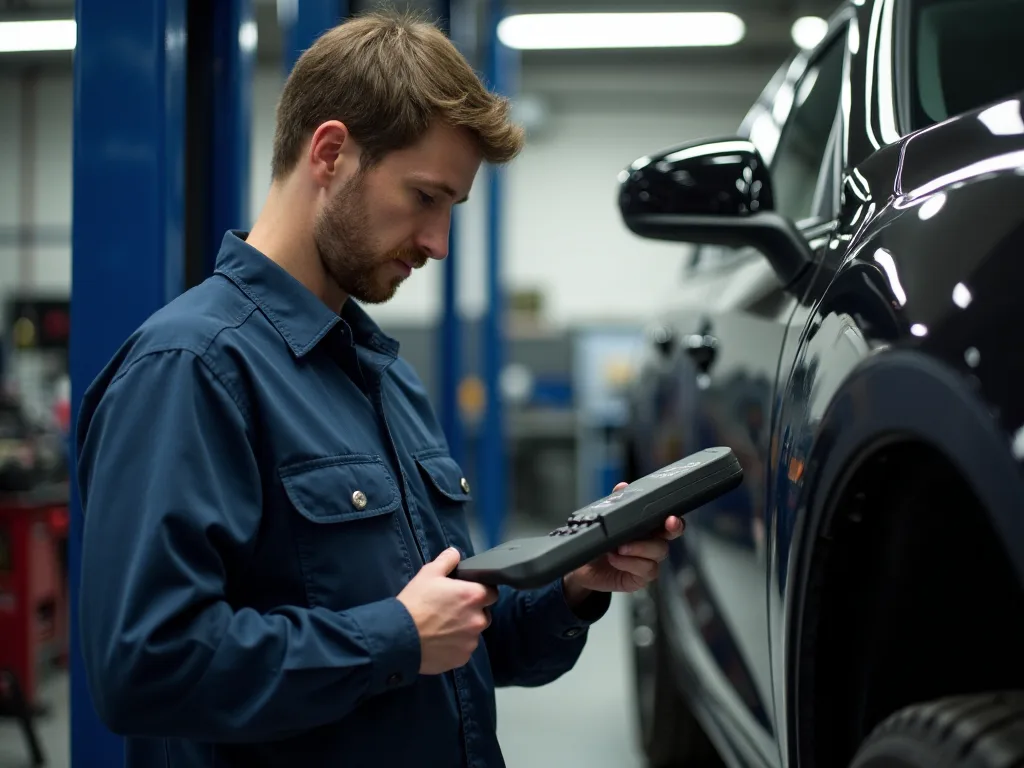
One of the distinguishing features of Nashville's electronic braking system training program is its emphasis on practical, hands-on experience. The training facility is equipped with state-of-the-art diagnostic equipment, including professional-grade scan tools, oscilloscopes, multimeters, and manufacturer-specific diagnostic software. Participants have access to actual vehicles representing a wide range of makes, models, and braking system configurations, allowing them to work with the same equipment and challenges they will encounter in their daily work.
The facility also features specialized training aids such as brake system simulators and cutaway components that allow students to observe internal operation while systems are functioning. These tools provide invaluable insight into how electronic braking components work together in real-time, making abstract concepts tangible and easier to understand. Instructors can introduce specific faults into these training systems, giving participants the opportunity to practice diagnostic procedures in a controlled environment before applying their skills to actual customer vehicles.
Safety is paramount in the hands-on training environment, with strict protocols in place to protect both participants and equipment. Students learn proper shop safety procedures, including the correct use of vehicle lifts, jack stands, and personal protective equipment. They also receive training on the safe handling of brake fluid, which is corrosive and can damage vehicle paint and finishes. The program emphasizes that professional technicians must not only be skilled in their craft but also committed to maintaining a safe working environment for themselves and their colleagues.
Core Competencies and Learning Objectives
The Nashville training program is designed around specific learning objectives that align with industry standards and manufacturer requirements. Upon completion, participants should be able to perform a comprehensive range of tasks related to electronic braking system service and repair. These competencies are regularly updated to reflect the latest technological developments and industry best practices, ensuring that the training remains relevant and valuable.
Key learning objectives include the ability to accurately diagnose electronic braking system faults using both symptom-based and data-driven approaches. Technicians learn to interpret diagnostic trouble codes (DTCs) and understand that these codes are starting points for diagnosis rather than definitive answers. The program emphasizes critical thinking and systematic troubleshooting methodologies, teaching participants to verify faults, identify root causes, and develop effective repair strategies. This approach helps technicians avoid the costly mistake of replacing components unnecessarily, a common pitfall when dealing with complex electronic systems.
Another critical competency covered in the program is the proper use of diagnostic equipment and software. Modern electronic braking systems generate vast amounts of data, and technicians must know how to access, interpret, and utilize this information effectively. Participants learn to use scan tools to read live data streams, perform active tests, and access manufacturer-specific information. They also receive training on using oscilloscopes to analyze sensor signals and identify intermittent faults that may not trigger diagnostic trouble codes. The program includes instruction on ASE certification preparation, helping technicians work toward industry-recognized credentials that validate their expertise.
Essential Components of Electronic Braking Systems
A thorough understanding of electronic braking system components is fundamental to effective diagnosis and repair. Nashville's training program dedicates considerable time to exploring each major component, its function, common failure modes, and proper testing procedures. This detailed knowledge enables technicians to approach problems methodically and identify faults efficiently, reducing diagnostic time and improving repair accuracy.
Wheel Speed Sensors
Wheel speed sensors are among the most critical components in electronic braking systems, providing the fundamental data that allows ABS, ESC, and other systems to function. These sensors monitor the rotational speed of each wheel and transmit this information to the electronic control module dozens of times per second. There are two primary types of wheel speed sensors: passive magnetic sensors and active Hall-effect sensors. Passive sensors generate their own AC voltage signal as a toothed reluctor ring passes by the sensor tip, with the frequency of the signal corresponding to wheel speed. Active sensors, which are increasingly common on modern vehicles, use a Hall-effect element powered by the control module to generate a digital square-wave signal.
The training program teaches technicians to identify which type of sensor is used on a particular vehicle and apply the appropriate testing procedures. Passive sensors can be tested with a simple AC voltmeter or oscilloscope, looking for a clean sine wave signal that increases in frequency as wheel speed increases. Active sensors require different testing methods, as they produce a digital signal and rely on power from the control module. Technicians learn to check for proper supply voltage, ground integrity, and signal output using a scan tool or oscilloscope. Common failure modes include physical damage from road debris, corrosion of electrical connections, excessive air gap between the sensor and reluctor ring, and internal sensor failure.
Hydraulic Control Units
The hydraulic control unit (HCU), also called the modulator or ABS pump assembly, is the heart of the electronic braking system. This complex component contains multiple solenoid valves, a high-pressure pump, accumulators, and associated hydraulic passages that allow the system to independently control brake pressure at each wheel. During normal braking, the HCU simply passes hydraulic pressure from the master cylinder to the wheel brakes. When ABS or ESC intervention is required, the solenoid valves rapidly open and close to modulate pressure, while the pump returns fluid to the master cylinder or builds additional pressure as needed.
Nashville technicians learn that HCU failures can manifest in various ways, from complete loss of ABS function to intermittent problems that only occur under specific conditions. Common issues include solenoid valve failures, pump motor problems, internal leaks, and contamination from degraded brake fluid. The training program emphasizes the importance of proper brake fluid maintenance, as moisture-contaminated or degraded fluid can cause corrosion and damage to the precision components inside the HCU. Participants learn to perform functional tests using scan tools to activate individual solenoids and verify proper operation, as well as pressure testing procedures to identify internal leaks.
Electronic Control Modules
The electronic control module (ECM) for the braking system, often called the ABS control module or ESC module, is the computer that processes sensor inputs and commands the hydraulic control unit to take appropriate action. Modern control modules are sophisticated computers running complex software algorithms that make split-second decisions based on multiple inputs. These modules continuously monitor wheel speeds, steering angle, lateral acceleration, yaw rate, and other parameters, comparing actual vehicle behavior to expected behavior and intervening when necessary to maintain stability and control.
The training program covers control module operation in detail, helping technicians understand how these components process information and make decisions. Participants learn that control modules rarely fail outright but can develop issues such as corrupted software, failed internal components, or problems with power supply and ground connections. The program emphasizes the importance of verifying proper module operation before replacement, as many apparent control module failures are actually caused by faulty sensors, wiring problems, or other external issues. Technicians also learn about module programming and calibration procedures, which are often necessary after replacement or when certain repairs are performed.
Additional Sensors and Components
Beyond the core components of wheel speed sensors, hydraulic control units, and electronic control modules, modern electronic braking systems incorporate numerous additional sensors and components. The steering angle sensor, typically located in the steering column, provides crucial information about driver intent and is essential for ESC operation. Lateral acceleration sensors and yaw rate sensors, often combined in a single unit mounted near the vehicle's center of gravity, measure the vehicle's actual motion and help the system detect understeer or oversteer conditions.
Nashville technicians learn to diagnose and service these components, understanding their function and how they integrate with the overall braking system. The program covers proper sensor calibration procedures, which are critical after certain repairs such as steering system work or suspension replacement. Participants also learn about brake pedal position sensors, brake light switches, and pressure sensors that provide additional input to the control module. Understanding the complete sensor array and how each component contributes to system operation enables technicians to diagnose complex problems that might otherwise be difficult to resolve.
Diagnostic Procedures and Troubleshooting Strategies
Effective diagnosis of electronic braking system problems requires a systematic approach that combines technical knowledge, critical thinking, and proper use of diagnostic equipment. The Nashville training program places heavy emphasis on developing strong diagnostic skills, recognizing that this is often the most challenging aspect of working with complex electronic systems. Participants learn that successful diagnosis is not about memorizing specific fixes for particular problems but rather about understanding system operation well enough to logically trace problems to their source.
Initial Assessment and Information Gathering
Every diagnostic procedure begins with a thorough initial assessment and information gathering phase. Technicians learn to conduct detailed customer interviews to understand exactly what symptoms the vehicle is exhibiting, when the problem occurs, and under what conditions. This information is invaluable for developing an effective diagnostic strategy, as it helps narrow down the possible causes and guides subsequent testing. The program teaches participants to ask specific questions about warning light behavior, unusual noises, pedal feel changes, and any recent repairs or service that might be related to the current problem.
Following the customer interview, technicians perform a visual inspection of the braking system, looking for obvious problems such as damaged wiring, corroded connectors, leaking brake fluid, or physical damage to components. This step often reveals issues that can be addressed immediately, saving time and preventing unnecessary diagnostic work. The training emphasizes that many electronic braking system problems are actually caused by simple issues such as loose connections, damaged wires, or low brake fluid levels, and these should be ruled out before proceeding to more complex diagnostic procedures.
Scan Tool Diagnostics and Data Analysis
Modern scan tools are indispensable for diagnosing electronic braking system problems, providing access to diagnostic trouble codes, live data streams, and system-specific tests. The Nashville training program provides extensive instruction on scan tool operation, teaching participants to navigate manufacturer-specific software and interpret the information provided. Technicians learn that diagnostic trouble codes are valuable starting points but must be properly interpreted in context—a code indicating a wheel speed sensor fault, for example, could be caused by a faulty sensor, damaged wiring, a problem with the reluctor ring, or even an issue with the control module itself.
The program emphasizes the importance of analyzing live data streams to understand system operation and identify problems that may not set diagnostic trouble codes. Participants learn to monitor wheel speed sensor signals, looking for dropouts, erratic readings, or signals that don't correlate with actual vehicle speed. They practice observing brake pressure data, solenoid valve commands, and other parameters that provide insight into how the system is functioning. The training includes instruction on recording and playing back data, which is particularly useful for diagnosing intermittent problems that may not occur during the initial diagnostic session.
Electrical Testing and Circuit Analysis
While scan tools provide valuable information, many electronic braking system problems require hands-on electrical testing to identify the root cause. The Nashville program teaches comprehensive electrical diagnostic techniques, including proper use of digital multimeters, oscilloscopes, and other test equipment. Participants learn to test sensor circuits for proper voltage, resistance, and signal output, following systematic procedures that eliminate guesswork and prevent damage to sensitive electronic components.
Circuit analysis is a critical skill covered extensively in the training. Technicians learn to read and interpret wiring diagrams, trace circuits through the vehicle's electrical system, and identify potential problem areas. The program emphasizes the importance of understanding circuit operation rather than simply following rote testing procedures, as this knowledge enables technicians to adapt their approach to different vehicle makes and models. Participants practice testing for voltage drops, which can cause intermittent problems and are often difficult to identify without proper technique. They also learn to identify and test ground connections, recognizing that poor grounds are a common cause of electronic system problems.
Advanced Diagnostic Techniques
For complex or intermittent problems, advanced diagnostic techniques may be necessary. The training program introduces participants to oscilloscope use for analyzing sensor signals and identifying problems that cannot be detected with a standard multimeter. Technicians learn to capture and analyze waveforms from wheel speed sensors, looking for glitches, noise, or irregularities that indicate problems. They practice using the oscilloscope's triggering and recording functions to capture intermittent faults that occur only under specific conditions.
The program also covers network communication diagnostics, as modern electronic braking systems communicate with other vehicle systems via Controller Area Network (CAN) bus or other communication protocols. Participants learn to test communication circuits, identify network faults, and understand how communication problems can affect braking system operation. This knowledge is increasingly important as vehicles become more integrated and interconnected, with systems that were once independent now sharing information and coordinating their operation.
Repair Procedures and Best Practices
Once a fault has been accurately diagnosed, proper repair procedures must be followed to ensure reliable, long-lasting results. The Nashville training program provides detailed instruction on repair techniques specific to electronic braking systems, emphasizing the importance of following manufacturer procedures and using appropriate tools and parts. Participants learn that shortcuts or improper repair methods can lead to system malfunctions, safety issues, and comebacks that damage the shop's reputation and profitability.
Component Replacement Procedures
Replacing electronic braking system components requires attention to detail and adherence to proper procedures. The training covers correct methods for replacing wheel speed sensors, including proper torque specifications, correct positioning, and verification of proper air gap where applicable. Technicians learn that seemingly minor details, such as routing sensor wiring away from potential damage sources or ensuring connectors are fully seated and properly sealed, can make the difference between a successful repair and a comeback.
Hydraulic control unit replacement is a more complex procedure that requires careful attention to brake fluid handling, proper bleeding procedures, and often module programming or calibration. The program teaches participants to follow manufacturer-specific procedures for HCU replacement, recognizing that different vehicle makes and models may have unique requirements. Technicians learn the importance of using clean brake fluid, preventing air from entering the system during replacement, and performing thorough bleeding procedures to ensure all air is removed from the hydraulic system.
System Calibration and Programming
Many electronic braking system repairs require calibration or programming procedures to ensure proper operation. The Nashville training program provides hands-on experience with these procedures, using manufacturer-specific diagnostic equipment and software. Participants learn to perform steering angle sensor calibration, which is necessary after wheel alignment, steering system repairs, or sensor replacement. They practice brake pedal position sensor calibration and learn when this procedure is required.
Control module programming is another critical skill covered in the training. When a control module is replaced, it often requires programming with vehicle-specific software and calibration data. Technicians learn to access manufacturer programming systems, follow proper procedures to avoid programming failures, and verify successful programming completion. The program emphasizes that improper programming can result in system malfunctions or even render the vehicle inoperable, making it essential to follow procedures carefully and ensure stable power supply during the programming process.
Brake Bleeding and Fluid Service
Proper brake bleeding is essential for electronic braking system operation, as even small amounts of air in the hydraulic system can cause problems. The training program covers both traditional manual bleeding methods and scan tool-assisted bleeding procedures required for many modern systems. Participants learn that electronic braking systems often trap air in the hydraulic control unit, where it cannot be removed by conventional bleeding methods. Scan tool-assisted bleeding uses the diagnostic tool to command the HCU to cycle its solenoid valves and run the pump, purging trapped air from the system.
The program emphasizes the importance of using the correct brake fluid specification for each vehicle, as using the wrong fluid can damage system components and cause failures. Technicians learn to identify brake fluid specifications from vehicle documentation and understand the differences between DOT 3, DOT 4, DOT 5, and DOT 5.1 fluids. They also receive training on brake fluid testing and maintenance, learning to use test strips or electronic testers to assess fluid condition and determine when replacement is necessary. Regular brake fluid service is presented as an important preventive maintenance measure that can extend the life of expensive electronic braking system components.
Quality Control and Verification
Every repair must be followed by thorough testing and verification to ensure the problem has been resolved and the system is functioning correctly. The Nashville training program instills a strong quality control mindset, teaching participants to verify their repairs through multiple methods. Technicians learn to perform scan tool tests to confirm that all diagnostic trouble codes have been cleared and do not return, that all sensors are providing proper signals, and that the control module is commanding system components correctly.
Road testing is an essential part of the verification process, allowing technicians to confirm proper system operation under real-world conditions. The program teaches safe and effective road testing procedures, including how to verify ABS operation in a controlled manner and how to assess overall braking system performance. Participants learn to document their repairs and test results thoroughly, creating a record that protects both the shop and the customer and provides valuable information if any follow-up is needed.
Safety Considerations and Legal Requirements
Working on vehicle braking systems carries significant responsibility, as these systems are critical to occupant safety and proper function is literally a matter of life and death. The Nashville training program emphasizes safety considerations throughout the curriculum, ensuring that participants understand the serious nature of brake system work and the potential consequences of errors or shortcuts. This focus on safety extends to both shop safety practices and the broader responsibility technicians have to their customers and the public.
Shop Safety Protocols
The training program begins with comprehensive shop safety instruction, covering proper use of personal protective equipment, safe vehicle lifting and support procedures, and handling of hazardous materials such as brake fluid and brake dust. Participants learn that brake dust can contain harmful substances and should be cleaned using approved methods that prevent airborne contamination. They receive training on proper brake fluid handling, including the importance of preventing skin contact, avoiding contamination of vehicle paint and finishes, and proper disposal of used fluid.
Electrical safety is another critical topic, as working with electronic systems involves potential hazards such as short circuits, component damage, and in some cases exposure to high voltages. Technicians learn to disconnect vehicle batteries when appropriate, use proper fusing and circuit protection when performing electrical tests, and avoid creating short circuits that could damage expensive electronic components. The program emphasizes that safety protocols are not optional conveniences but essential practices that protect both technicians and customers.
Legal and Liability Considerations
Automotive technicians and repair shops face significant legal liability related to brake system work. The Nashville training program addresses these considerations, helping participants understand their responsibilities and the potential consequences of improper repairs. Technicians learn about the legal concept of negligence and how it applies to automotive repair, recognizing that they have a duty to perform work in a competent, professional manner and that failure to do so can result in legal liability if a customer is injured or property is damaged.
The program covers documentation requirements and best practices, teaching participants to maintain detailed records of all diagnostic findings, repairs performed, parts used, and test results. This documentation serves multiple purposes: it provides valuable information for future service, helps justify repair costs to customers, and provides legal protection if questions arise about the quality or appropriateness of repairs. Technicians learn to document not only what they did but also why they did it, creating a clear record of their diagnostic reasoning and repair decisions.
Regulatory Compliance and Industry Standards
The automotive repair industry is subject to various regulations and standards that affect how brake system work is performed. The training program familiarizes participants with relevant regulations, including environmental requirements for brake fluid disposal, occupational safety standards, and consumer protection laws. Technicians learn about industry standards such as those published by the Society of Automotive Engineers and how these standards guide proper repair procedures and quality expectations.
The program also addresses manufacturer service information and technical service bulletins, teaching participants to access and utilize these resources. Technicians learn that following manufacturer procedures is not only a best practice but often a legal requirement, particularly when working on vehicles still under warranty. They receive training on accessing online service information systems and staying current with technical updates and recalls that may affect the vehicles they service.
Business Benefits of Electronic Braking System Expertise
For Nashville automotive repair businesses, investing in electronic braking system training for their technicians yields significant returns in multiple areas. The ability to competently service modern braking systems opens up new revenue opportunities, improves customer satisfaction, and enhances the shop's reputation in an increasingly competitive market. Understanding these business benefits helps justify the time and expense of training programs and motivates both shop owners and technicians to pursue ongoing education.
Expanded Service Capabilities
Shops whose technicians are trained in electronic braking system repair can service a much wider range of vehicles and handle more complex repairs than those relying solely on traditional mechanical skills. This expanded capability translates directly into increased revenue, as the shop can accept work that would otherwise need to be referred to dealerships or specialty shops. Electronic braking system repairs often command higher labor rates than basic mechanical work, reflecting the specialized knowledge and equipment required, which improves shop profitability.
The training also enables shops to offer preventive maintenance services related to electronic braking systems, such as brake fluid testing and replacement, sensor cleaning and inspection, and system health checks. These services provide additional revenue opportunities while helping customers avoid more expensive repairs down the road. Shops can market these services as value-added offerings that demonstrate their commitment to customer safety and vehicle reliability.
Enhanced Customer Trust and Loyalty
Customers increasingly recognize that modern vehicles require specialized knowledge and equipment for proper service. When a shop demonstrates expertise in electronic braking systems through successful repairs and knowledgeable communication, it builds customer trust and confidence. This trust translates into customer loyalty, repeat business, and positive word-of-mouth referrals that are invaluable for long-term business success.
The Nashville training program emphasizes the importance of customer communication, teaching technicians to explain complex electronic braking system issues in terms that customers can understand. This ability to educate customers about their vehicles and the repairs needed builds credibility and helps customers feel confident in their decision to approve recommended services. Technicians learn to use diagnostic data and test results to demonstrate problems visually, making abstract electronic issues more tangible and understandable.
Competitive Advantage in the Market
In Nashville's competitive automotive repair market, shops that invest in technician training and stay current with technology gain a significant competitive advantage. As vehicles become more sophisticated, the gap widens between shops that can competently service modern systems and those that cannot. Shops with trained technicians can market their expertise, attracting customers who want the assurance that their vehicles will be serviced by knowledgeable professionals using proper procedures and equipment.
This competitive advantage extends to relationships with insurance companies, fleet operators, and other commercial customers who require documented technician qualifications and demonstrated expertise. Shops whose technicians have completed recognized training programs and hold relevant certifications are better positioned to secure these lucrative commercial accounts. The training also helps shops meet requirements for manufacturer certification programs, which can provide access to warranty work and other benefits.
Reduced Comebacks and Warranty Claims
Proper training in electronic braking system diagnosis and repair significantly reduces the likelihood of comebacks—situations where a customer returns because the original problem was not resolved or a new problem has developed. Comebacks are costly for repair shops, consuming technician time without generating revenue and potentially damaging customer relationships. By ensuring that technicians have the knowledge and skills to diagnose problems accurately and perform repairs correctly the first time, training programs help minimize these costly situations.
The training also reduces the risk of causing additional problems during repairs, such as damaging sensitive electronic components through improper handling or testing procedures. Technicians who understand proper procedures and precautions are less likely to make mistakes that result in warranty claims or additional repairs at the shop's expense. This improved quality and reliability protects the shop's profitability and reputation.
Career Development and Professional Growth
For individual technicians, specialized training in electronic braking systems represents a valuable investment in their professional development and career prospects. The automotive industry increasingly rewards specialized knowledge and advanced skills, with technicians who possess these qualifications enjoying better employment opportunities, higher earning potential, and greater job security. The Nashville training program is designed not only to improve technical skills but also to support long-term career growth and professional advancement.
Increased Earning Potential
Technicians with specialized training in electronic braking systems typically command higher wages than those with only basic mechanical skills. This wage premium reflects the additional knowledge and capabilities these technicians bring to their employers, as well as the higher labor rates that shops can charge for specialized work. In Nashville's automotive repair market, the difference in earning potential between basic technicians and those with advanced electronic system skills can be substantial, making training programs a worthwhile investment in future income.
Beyond base wages, specialized technicians often have access to additional earning opportunities through performance bonuses, efficiency incentives, and the ability to work on more complex, higher-paying jobs. Shops may also provide financial incentives for technicians who obtain industry certifications or complete advanced training programs, further rewarding professional development efforts. Over the course of a career, the cumulative financial benefit of specialized training can be significant.
Enhanced Job Security and Opportunities
As the automotive industry evolves and vehicles become more technologically advanced, technicians who fail to keep their skills current face increasing risk of obsolescence. Conversely, those who invest in ongoing education and stay abreast of new technologies enjoy strong job security and abundant employment opportunities. Shops actively seek technicians with electronic system expertise, and these professionals often have their choice of employment opportunities in a competitive labor market.
The training also opens doors to career advancement opportunities such as lead technician positions, shop foreman roles, or specialized diagnostic positions. These advanced positions typically offer higher pay, more regular schedules, and greater professional satisfaction. Some technicians leverage their expertise to transition into related fields such as technical training, manufacturer technical support, or automotive engineering, demonstrating the broad career possibilities that specialized knowledge can enable.
Professional Satisfaction and Pride
Beyond financial considerations, specialized training contributes to professional satisfaction and pride in one's work. Technicians who possess the knowledge and skills to diagnose and repair complex electronic braking systems experience the satisfaction of solving challenging problems and providing valuable service to customers. This sense of competence and accomplishment is an important aspect of job satisfaction that contributes to long-term career fulfillment.
The training also fosters a sense of professionalism and belonging to a skilled trade. Participants in the Nashville program often report increased confidence in their abilities and greater pride in their profession. This positive professional identity can have far-reaching effects on career satisfaction, motivation to continue learning, and overall quality of life. The program encourages technicians to view themselves as skilled professionals engaged in important work that directly contributes to public safety, rather than simply as workers performing routine tasks.
Future Trends in Braking Technology
The evolution of automotive braking technology shows no signs of slowing, with numerous emerging technologies poised to further transform the field in coming years. The Nashville training program addresses these future trends, helping technicians understand where the industry is heading and prepare for the next generation of braking systems. This forward-looking perspective ensures that training remains relevant and that participants are positioned to adapt to future technological changes.
Brake-by-Wire Systems
One of the most significant emerging trends is the development of brake-by-wire systems, which eliminate the direct mechanical connection between the brake pedal and the wheel brakes. In these systems, pedal input is captured by electronic sensors and transmitted to a control module, which then commands electric or electro-hydraulic actuators to apply braking force. Brake-by-wire technology offers numerous advantages, including reduced weight, improved packaging flexibility, enhanced integration with autonomous driving systems, and the ability to implement advanced braking strategies that would be impossible with conventional systems.
For technicians, brake-by-wire systems represent a significant departure from traditional braking technology and will require new diagnostic and repair approaches. The Nashville training program introduces these concepts, helping participants understand the fundamental principles of brake-by-wire operation and the implications for service and repair. As these systems become more common in production vehicles, technicians who have prepared for this transition will be well-positioned to service them effectively.
Integration with Autonomous Driving Systems
As vehicles move toward higher levels of autonomy, braking systems are becoming increasingly integrated with autonomous driving technologies. Advanced driver assistance systems are evolving into more comprehensive autonomous capabilities that can handle complex driving tasks with minimal or no human intervention. In these systems, the braking system must respond to commands from the autonomous driving computer, executing precise braking maneuvers to navigate traffic, maintain safe following distances, and respond to unexpected situations.
This integration creates new challenges for technicians, who must understand not only the braking system itself but also how it interfaces with cameras, radar, lidar, and the autonomous driving computer. The training program addresses these emerging technologies, providing a foundation for understanding autonomous vehicle systems and their service requirements. Participants learn that future brake system service may involve camera calibration, sensor alignment, and software updates in addition to traditional mechanical and hydraulic work.
Regenerative Braking in Electric Vehicles
The rapid growth of electric vehicle adoption is introducing technicians to regenerative braking systems, which capture kinetic energy during deceleration and convert it to electrical energy for storage in the vehicle's battery. These systems blend regenerative braking with conventional friction braking to provide seamless deceleration while maximizing energy recovery. The integration of regenerative and friction braking requires sophisticated control algorithms and introduces new components and diagnostic considerations.
Nashville technicians learning about electronic braking systems receive introduction to regenerative braking principles and the unique service requirements of electric vehicle braking systems. They learn that electric vehicles often experience reduced brake wear due to regenerative braking but may face unique challenges such as brake rotor corrosion from infrequent use of friction brakes. The program prepares participants for the growing presence of electric vehicles in their service bays and the specialized knowledge required to service them properly.
Predictive Maintenance and Connected Vehicle Technology
Connected vehicle technology and advanced diagnostics are enabling predictive maintenance approaches that identify potential problems before they result in system failures. Modern vehicles can monitor brake system health continuously, tracking parameters such as brake pad wear, fluid condition, and component performance. This data can be transmitted to service providers, allowing them to proactively schedule maintenance and address developing issues before they become serious problems.
For technicians, this shift toward predictive maintenance represents both an opportunity and a challenge. The ability to identify and address problems proactively improves customer satisfaction and can generate additional service revenue. However, it also requires technicians to work with new data sources and diagnostic approaches, interpreting vehicle health data and making informed recommendations based on predictive analytics. The Nashville training program introduces these concepts, helping participants understand how connected vehicle technology is changing the service landscape and preparing them to leverage these capabilities effectively.
Continuing Education and Staying Current
The rapid pace of technological change in the automotive industry means that education cannot be a one-time event but must be an ongoing process throughout a technician's career. The Nashville electronic braking system training program emphasizes the importance of continuing education and provides participants with resources and strategies for staying current with evolving technology. This commitment to lifelong learning is essential for maintaining professional competence and remaining competitive in the industry.
Industry Certifications and Credentials
Professional certifications provide formal recognition of a technician's knowledge and skills while also serving as motivation for continued learning. The training program prepares participants for relevant industry certifications, such as those offered by the National Institute for Automotive Service Excellence (ASE). These certifications require passing rigorous examinations that test both theoretical knowledge and practical problem-solving abilities, and they must be renewed periodically to ensure that certified technicians maintain current knowledge.
Beyond ASE certification, technicians may pursue manufacturer-specific credentials that demonstrate expertise with particular vehicle brands. Many manufacturers offer training programs and certifications for technicians who service their vehicles, providing access to specialized information, tools, and support. The Nashville program encourages participants to pursue these credentials as part of their ongoing professional development, recognizing that multiple certifications enhance both individual career prospects and shop capabilities.
Online Resources and Self-Directed Learning
The internet has revolutionized access to technical information and training resources, providing technicians with unprecedented opportunities for self-directed learning. The training program introduces participants to valuable online resources, including manufacturer service information systems, technical forums, video training platforms, and industry publications. Technicians learn to evaluate the quality and reliability of online information sources, recognizing that not all content is equally accurate or trustworthy.
Self-directed learning requires discipline and motivation, but it offers flexibility that formal training programs cannot match. Technicians can pursue topics of particular interest, address specific knowledge gaps, and learn at their own pace. The Nashville program encourages participants to develop habits of regular self-directed learning, setting aside time each week to explore new topics, review technical bulletins, or watch training videos. This consistent investment in learning compounds over time, building deep expertise and keeping skills sharp.
Professional Networking and Knowledge Sharing
Connecting with other professionals in the field provides valuable opportunities for learning and professional growth. The training program facilitates networking among participants, creating relationships that often extend beyond the classroom and provide ongoing support throughout their careers. Technicians learn that their peers can be valuable resources for troubleshooting difficult problems, sharing experiences with new technologies, and providing different perspectives on diagnostic challenges.
Professional organizations and industry associations offer additional networking opportunities through conferences, trade shows, and local chapter meetings. These events provide access to the latest products and technologies, educational sessions on emerging topics, and opportunities to connect with industry leaders and experts. The Nashville program encourages participation in professional organizations as a way to stay connected to the broader industry and maintain awareness of trends and developments that may affect local technicians.
Conclusion: Investing in Excellence
The specialized training program for electronic braking system repairs represents a significant investment in the future of Nashville's automotive service industry. As vehicles continue to evolve and incorporate increasingly sophisticated technology, the need for highly skilled technicians who can competently service these systems will only grow. The comprehensive education provided through this program ensures that Nashville's automotive professionals are prepared to meet these challenges, providing safe, reliable service to their customers while building successful, rewarding careers.
For shop owners, investing in technician training yields returns through expanded service capabilities, improved customer satisfaction, reduced comebacks, and enhanced competitive positioning. The ability to service modern electronic braking systems is no longer optional but essential for shops that want to remain viable in an increasingly technology-driven market. By supporting their technicians' professional development, shop owners invest in their business's long-term success and sustainability.
For technicians, the training represents an investment in their professional future, opening doors to better employment opportunities, higher earning potential, and greater job satisfaction. The knowledge and skills gained through specialized training provide security in an evolving industry and the confidence that comes from being able to handle whatever challenges come through the shop door. As the automotive industry continues its rapid technological evolution, those who commit to ongoing learning and professional development will find themselves well-positioned for success.
The Nashville electronic braking system training program exemplifies the kind of forward-thinking approach that the automotive service industry needs to thrive in the 21st century. By providing comprehensive, hands-on education that combines theoretical knowledge with practical skills, the program prepares technicians to excel in their current roles while also laying the foundation for adapting to future technological changes. This commitment to excellence in education benefits not only individual technicians and shop owners but also the broader Nashville community, ensuring that local vehicle owners have access to high-quality, professional automotive service.
As we look to the future, the importance of specialized training in electronic vehicle systems will only increase. The transition to electric vehicles, the advancement of autonomous driving technology, and the continued integration of sophisticated electronic systems throughout vehicles all point to a future where technical knowledge and diagnostic expertise are more valuable than ever. Nashville's investment in training its automotive technicians on electronic braking systems positions the city's automotive service industry for continued success and ensures that local professionals are prepared to meet the challenges and opportunities that lie ahead.
For more information about automotive service excellence and professional development opportunities, technicians and shop owners can explore resources from organizations such as the National Institute for Automotive Service Excellence, the Mobile Air Climate Systems Association, and other industry groups dedicated to advancing the profession. These organizations provide valuable support for ongoing education, certification, and professional networking that complement formal training programs and help automotive professionals stay at the forefront of their field.