Table of Contents
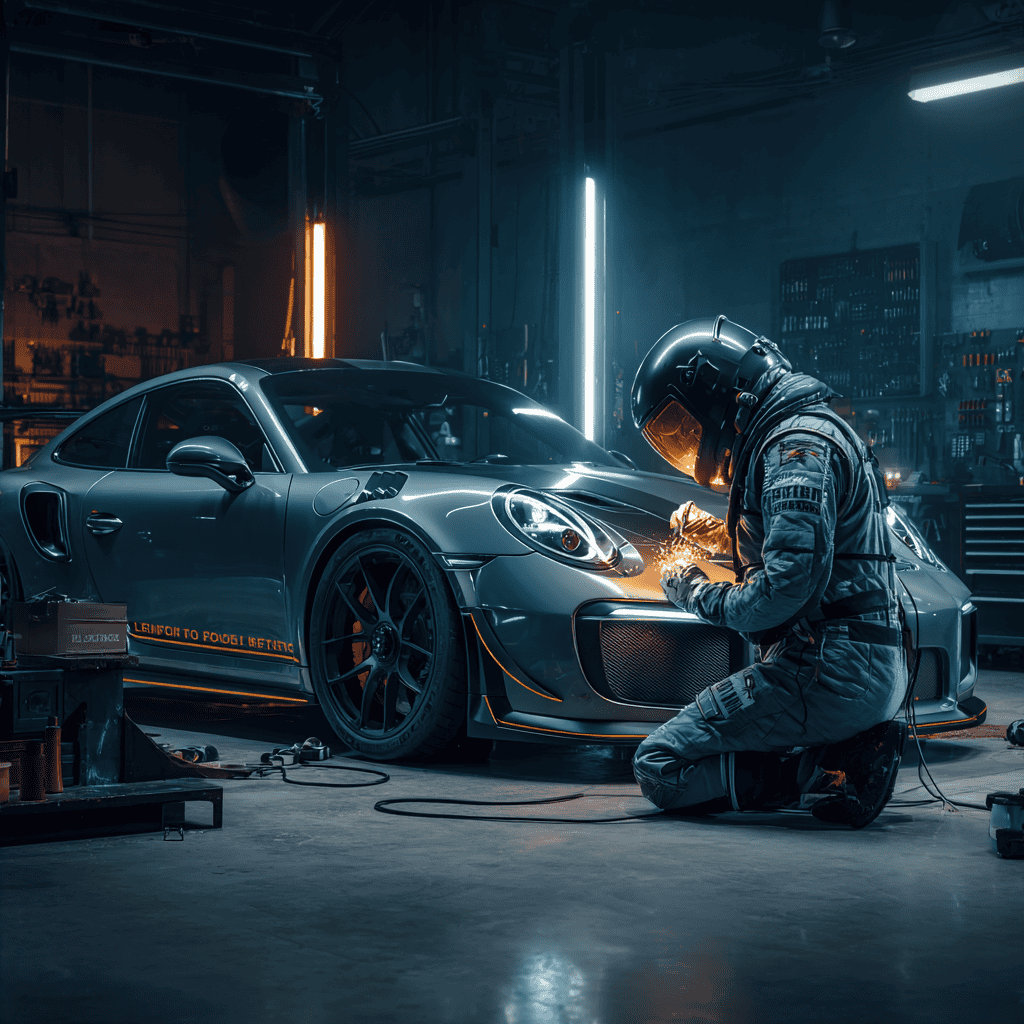
Vehicle Modding 101: First 5 Mods for Any Car to Boost Performance and Style
Modding your car is a fun way to make it look, sound, and drive better—but knowing where to start can be overwhelming. With thousands of aftermarket parts available and endless forum debates about what’s “best,” new enthusiasts often waste money on ineffective or incompatible modifications. This guide cuts through the noise to show you the five smartest first modifications that deliver real results without breaking the bank or your warranty.
Whether you’re driving a compact daily, a sports car, or even an SUV, these foundational modifications apply across virtually all platforms. By focusing on these proven upgrades first, you’ll build a solid foundation for future modifications while immediately improving your driving experience.
Understanding Car Modification Basics
Before diving into specific mods, it’s crucial to understand what you’re actually trying to achieve and how modifications work together as a system.
The Philosophy of Smart Modding
Successful car modification isn’t about throwing parts at your vehicle—it’s about strategic improvements that complement each other. Every modification affects other systems, and understanding these relationships prevents costly mistakes.
Key Principles:
- Address weaknesses before adding power
- Maintain balance between components
- Consider daily usability
- Preserve reliability
- Think long-term progression
Common Beginner Mistakes to Avoid
Learn from others’ expensive errors:
Aesthetic Over Function: Installing massive wheels that ruin ride quality and handling just for looks.
Power Without Support: Adding forced induction without upgrading cooling, brakes, or tires.
Cheap Parts False Economy: Buying $50 coilovers that ride worse than stock and fail within months.
Warranty Ignorance: Installing modifications that void warranty without understanding consequences.
Legal Blindness: Making illegal modifications that result in tickets, failed inspections, or impoundment.
One-Dimensional Focus: Only pursuing straight-line speed while ignoring handling and braking.
Setting Realistic Expectations
Understanding what modifications can and can’t do prevents disappointment:
What Mods CAN Do:
- Improve specific performance aspects
- Enhance driving enjoyment
- Personalize your vehicle
- Address factory compromises
- Create learning opportunities
What Mods CAN’T Do:
- Transform a Corolla into a Ferrari
- Fix fundamental design limitations
- Compensate for poor maintenance
- Make an old car new
- Guarantee reliability improvements
Vehicle Modding 101: Choosing the Right Mods
Before you start buying parts, figure out what your car actually needs, what you want out of it, and how much you’re willing to spend. A strategic approach saves money and delivers better results than random purchases.
Assessing Your Car’s Needs
Start with an honest evaluation of your vehicle’s current condition and inherent characteristics.
Platform Analysis
Understanding your car’s strengths and weaknesses:
Front-Wheel Drive (FWD):
- Strengths: Traction in rain/snow, space efficiency
- Weaknesses: Understeer, torque steer with power
- Focus areas: Suspension, tires, weight reduction
Rear-Wheel Drive (RWD):
- Strengths: Balanced handling, power delivery
- Weaknesses: Wet/snow traction, oversteer tendency
- Focus areas: Tires, suspension tuning, differential
All-Wheel Drive (AWD):
- Strengths: Traction, stability
- Weaknesses: Weight, complexity, understeer
- Focus areas: Weight reduction, brake upgrades, tires
Maintenance First
Before any modifications, ensure baseline health:
Essential Maintenance Checklist:
- [ ] Fresh oil and filter
- [ ] Clean air filter
- [ ] New spark plugs (if due)
- [ ] Brake fluid flush
- [ ] Coolant system service
- [ ] Transmission service
- [ ] Worn suspension bushings replaced
- [ ] Proper alignment
Spending $500 on maintenance often improves performance more than $2,000 in modifications on a neglected car.
Setting Modding Goals
Define clear objectives to guide your modifications:
Primary Use Categories
Daily Driver Enhancement:
- Priority: Reliability and comfort
- Focus: Quality-of-life improvements
- Budget: Moderate investments
- Examples: Better tires, mild suspension, audio
Weekend Warrior:
- Priority: Fun factor
- Focus: Performance and style
- Budget: Flexible based on goals
- Examples: Exhaust, wheels, handling mods
Track Day Enthusiast:
- Priority: Lap times and safety
- Focus: Handling and cooling
- Budget: Significant investment
- Examples: Coilovers, brakes, safety gear
Show Car:
- Priority: Visual impact
- Focus: Aesthetics and uniqueness
- Budget: Varies widely
- Examples: Body kits, paint, interior
Budgeting for Modifications
Realistic budgeting prevents abandoned projects and financial stress.
True Cost Calculation
Factor in all associated costs:
Parts Cost + Installation + Tuning + Supporting Mods + Maintenance Increase = True Cost
Example: Cold Air Intake
- Part cost: $350
- Installation: $100 (if not DIY)
- Tune for optimization: $500
- Heat shield: $50
- True cost: $1,000 (not just $350)
Budget Allocation Strategy
Smart distribution for $5,000 budget:
- Tires: $1,000 (20%)
- Suspension: $1,500 (30%)
- Wheels: $1,200 (24%)
- Intake/Exhaust: $800 (16%)
- Maintenance/Unexpected: $500 (10%)
Always reserve 10-15% for unexpected costs or opportunities.
The First 5 Essential Car Mods
These five modifications provide the best return on investment for beginners, improving performance, safety, and enjoyment across all vehicle types.
1. High-Performance Tires: The Foundation of Everything
No single modification improves your car more than quality tires. They’re your only contact with the road, affecting acceleration, braking, handling, and safety.
Why Tires First
Every performance modification depends on tire grip:
- More power? Useless without traction
- Better brakes? Limited by tire grip
- Upgraded suspension? Wasted on bad tires
- Safety systems? Only as good as tire contact
Choosing the Right Tires
Categories and Recommendations:
Ultra High-Performance Summer (Dry/Warm):
- Michelin Pilot Sport 4S: Best overall
- Continental ExtremeContact Sport: Value king
- Bridgestone Potenza RE-71RS: Autocross weapon
- Ideal for: Performance driving in warm climates
Max Performance All-Season:
- Michelin Pilot Sport A/S 4: Premium choice
- Continental DWS06+: Excellent value
- BFGoodrich G-Force Comp-2 A/S+: Budget friendly
- Ideal for: Year-round performance
Extreme Performance Summer:
- Yokohama A052: Street-legal track tire
- Nankang CR-1: Budget track option
- Falken RT660: Endurance focused
- Ideal for: Track days and autocross
Sizing Considerations
Plus-sizing guidelines:
- Plus 0: Same wheel, wider tire (best for performance)
- Plus 1: 1″ larger wheel, lower profile tire
- Plus 2: 2″ larger wheel, very low profile
- Beyond Plus 2: Usually detrimental to performance
Optimal tire width:
- Start with 10-20mm wider than stock
- Check for fender clearance
- Consider wheel width limitations
- Account for suspension travel
Expected Improvements:
- Braking: 10-15 feet shorter from 60 mph
- Lateral grip: 0.10-0.20g increase
- Lap times: 2-4 seconds on typical track
- Confidence: Immeasurable
Budget: $600-1,500 for a set
2. Suspension Upgrades: Transform Your Car’s Character
Proper suspension modifications dramatically improve handling while potentially enhancing comfort and appearance.
Understanding Suspension Options
Progressive Upgrade Path:
Stage 1 – Springs Only ($200-400):
- Lowering springs (1-1.5″ drop typical)
- Stiffer spring rates
- Reduced body roll
- Works with stock shocks initially
- Eventually wears out stock dampers
Recommended Springs:
- Eibach Pro-Kit: Conservative drop, good ride
- H&R Sport: More aggressive, sportier
- Swift Spec-R: High-end, lightweight
Stage 2 – Shocks and Springs ($600-1,200):
- Matched dampers and springs
- Better ride quality than springs alone
- Longer lasting than mismatched setup
- Good street/light track compromise
Popular Combinations:
- Bilstein B8 + Eibach: Excellent OEM+
- Koni Yellow + H&R: Adjustable sporting
- KW V1: Entry-level coilover alternative
Stage 3 – Coilovers ($1,000-3,000+):
- Fully adjustable height
- Often adjustable damping
- Track-capable performance
- Complete control over setup
Coilover Recommendations:
- Under $1,500: BC Racing BR, Tein Flex Z
- $1,500-2,500: KW V3, Ohlins Road & Track
- $2,500+: JRZ RS, Penske, MCS
Anti-Roll Bars (Sway Bars)
Complementary suspension modification ($200-600):
Benefits:
- Reduced body roll without harsh ride
- Adjustable handling balance
- Easy installation
- Works with any suspension
Sizing:
- Front bar: Reduces understeer
- Rear bar: Reduces oversteer
- Both: Maximum roll reduction
Expected Improvements:
- Body roll: 30-50% reduction
- Steering response: Immediate improvement
- Ride quality: Varies (coilovers allow tuning)
- Appearance: Lower, more aggressive stance
3. Brake Upgrades: Stop Better, Drive Harder
Better brakes increase safety and enable harder driving without fear of fade or failure.
Strategic Brake Improvements
Stage 1 – Pads and Fluid ($200-400):
Most cost-effective upgrade:
Street/Light Track Pads:
- Hawk HPS 5.0: Low dust, quiet
- EBC Yellowstuff: Good all-around
- StopTech Sport: Excellent value
Track-Focused Pads:
- Hawk DTC-60: Serious track pad
- Ferodo DS2500: Street/track compromise
- G-LOC R10: Endurance racing
Brake Fluid Upgrade:
- Stock DOT 3: 401°F boiling point
- ATE Type 200: 536°F, budget choice
- Motul RBF600: 594°F, popular standard
- Castrol SRF: 608°F, ultimate performance
Stage 2 – Rotors ($400-800):
When stock rotors are worn or inadequate:
Rotor Types:
- Blank: Quiet, good for street
- Slotted: Better bite, some noise
- Drilled: Cosmetic mainly, crack-prone
- Slotted + Drilled: Compromise
Quality Brands:
- StopTech
- Centric
- Brembo
- DBA
Stage 3 – Big Brake Kits ($2,000-5,000):
For serious track use or heavy vehicles:
- Larger rotors (more heat capacity)
- Multi-piston calipers (even pad wear)
- Better heat management
- Improved pedal feel
Expected Improvements:
- Stopping distance: 10-20% shorter
- Fade resistance: Dramatically improved
- Pedal feel: Firmer, more consistent
- Confidence: Massive increase
4. Intake and Exhaust: Let Your Engine Breathe
Improving airflow helps your engine perform better while adding satisfying sound.
Cold Air Intake Systems ($200-500)
Benefits of Quality Intakes:
- 5-15 HP gain (varies by car)
- Improved throttle response
- Enhanced engine sound
- Reusable filter (long-term savings)
Types of Intakes:
Short Ram:
- Easier installation
- Better heat soak resistance
- Less dramatic gains
- Good for daily drivers
True Cold Air:
- Pulls air from outside engine bay
- Better performance gains
- More complex installation
- Risk of hydrolock if poorly designed
Recommended Brands:
- K&N: Wide applications, good filters
- AEM: Excellent cold air designs
- Injen: Quality construction
- AFE: Strong truck applications
Exhaust Modifications ($300-2,000)
Progressive Exhaust Upgrades:
Axle-Back ($300-800):
- Easiest installation
- Changes sound primarily
- Minor performance gains
- No emissions concerns
Cat-Back ($500-1,500):
- Everything after catalytic converter
- 5-15 HP typical gain
- Significant sound change
- Legal in most areas
Headers ($500-1,500):
- Replace exhaust manifolds
- Bigger gains (10-25 HP)
- May affect emissions legality
- Professional installation recommended
Popular Exhaust Brands:
- Borla: Quality and sound
- MagnaFlow: Great value
- Corsa: No drone technology
- AWE: Premium option
Sound Considerations:
- Resonators reduce drone
- Larger piping = louder
- Muffler design affects tone
- Consider neighbors and laws
Expected Improvements:
- Power: 5-25 HP combined
- Sound: Subjective but satisfying
- Throttle response: Noticeably sharper
- Weight reduction: 10-30 pounds possible
5. Wheels: Performance Meets Style
Lighter, wider wheels improve every aspect of performance while transforming appearance.
Performance Benefits of Wheel Upgrades
Unsprung Weight Reduction:
- Every pound saved = 4-5 pounds of static weight
- Improved acceleration and braking
- Better suspension response
- Reduced stress on components
Width Advantages:
- Wider contact patch
- Better tire support
- Improved heat dissipation
- Enhanced stability
Wheel Selection Criteria
Key Specifications:
Weight Targets:
- 15″ wheels: Under 15 lbs excellent
- 17″ wheels: Under 17 lbs excellent
- 18″ wheels: Under 20 lbs excellent
- 19″ wheels: Under 23 lbs good
Width Guidelines:
- Tire width ÷ 25.4 × 0.85 = Minimum rim width
- Tire width ÷ 25.4 × 1.15 = Maximum rim width
- Example: 245mm tire = 8.5-11″ rim ideally
Offset Considerations:
- Lower offset = wheels stick out more
- Higher offset = wheels tucked in more
- 5mm change = noticeable difference
- Check clearance before buying
Construction Types:
Cast Wheels ($100-300 each):
- Affordable
- Heavier
- Good for street use
- Wide style selection
Flow-Formed ($200-500 each):
- Lighter than cast
- Stronger than cast
- Good value
- Growing selection
Forged ($500-1,500+ each):
- Lightest option
- Strongest option
- Track worthy
- Premium pricing
Recommended Wheel Brands:
Budget: Konig, Sparco, XXR Mid-Range: Enkei, BBS, Rays Premium: Volk, HRE, Forgeline
Expected Improvements:
- Acceleration: 0.1-0.2 seconds to 60 mph
- Braking: 5-10 feet shorter stops
- Handling: Sharper turn-in
- Appearance: Dramatic transformation
Installation Considerations
Proper installation is crucial for safety and performance.
DIY vs Professional Installation
DIY-Friendly Mods
Suitable for beginners with basic tools:
- Air filters
- Axle-back exhausts
- Shift knobs
- Pedal covers
- Simple interior mods
Intermediate DIY (some experience needed):
- Cold air intakes
- Lowering springs (with spring compressors)
- Sway bars
- Brake pads
- Wheels
Professional Recommended:
- Coilover installation and setup
- Header installation
- Alignment
- Tuning
- Electrical work
Essential Tools for DIY
Basic Tool Kit ($500-1,000):
- Socket set (metric and standard)
- Torque wrench
- Jack and jack stands
- Breaker bar
- Penetrating oil
- Basic hand tools
Intermediate Additions ($500+):
- Impact wrench
- Spring compressors
- Multimeter
- OBD2 scanner
- Specialized sockets
Safety Considerations
Never compromise on safety:
Workspace Safety:
- Level ground
- Proper jack points
- Quality jack stands (never just jack)
- Wheel chocks
- Good lighting
Personal Safety:
- Safety glasses
- Gloves
- Proper footwear
- Never work alone on major jobs
- Have emergency plan
Legal and Warranty Considerations
Understanding legal requirements prevents expensive problems.
Emissions Regulations
Federal and State Laws:
Federal (EPA):
- Catalytic converters required
- EGR systems must remain
- PCV systems required
- Tampering is illegal
California (CARB):
- Strictest standards
- Visual inspection required
- CARB EO numbers needed
- Many mods illegal
Other States:
- Vary significantly
- Some follow CARB
- Check local laws
- Consider inspection requirements
Insurance Implications
Modifications can affect coverage:
Always Disclose:
- Performance modifications
- Suspension changes
- Forced induction
- Value-adding mods
Potential Impacts:
- Premium increases
- Coverage denial
- Claim complications
- Agreed value policies needed
Warranty Considerations
Magnuson-Moss Warranty Act:
- Mods don’t automatically void warranty
- Manufacturer must prove causation
- Keep all documentation
- Consider extended warranty implications
Dealer Relationships:
- Some dealers mod-friendly
- Others strict about warranty
- Build relationship before modding
- Consider dealer-installed options
Creating Your Modification Roadmap
A planned approach ensures optimal results and prevents wasted money.
Year One Plan
Foundation Building ($3,000-5,000):
Months 1-3:
- Complete maintenance
- High-performance tires
- Basic tools acquisition
Months 4-6:
- Brake pads and fluid
- Rear sway bar
- Begin suspension research
Months 7-9:
- Lowering springs or coilovers
- Alignment
- Track day or autocross
Months 10-12:
- Wheels (if budget allows)
- Intake or exhaust
- Evaluate and plan Year 2
Progressive Development
Year 2 and Beyond:
Focus on refinement:
- Address weaknesses discovered
- Upgrade based on experience
- Consider track instruction
- Join community events
- Share knowledge gained
Common Mistakes and How to Avoid Them
Learn from others’ expensive errors:
Technical Mistakes
- Stance over function: Excessive lowering ruins handling
- Mismatched components: Springs without shocks
- Ignoring alignment: Ruins tires and handling
- Cheap parts: False economy always costs more
- Wrong tire sizes: Speedometer errors, rubbing
Financial Mistakes
- No emergency fund: Unexpected repairs happen
- Credit card modding: Interest kills budgets
- Selling too soon: Never recoup investment
- FOMO buying: Patience saves money
- Ignoring maintenance: Foundations matter
Social Mistakes
- Comparing builds: Your car, your journey
- Forum expertise: Verify all advice
- Brand loyalty: Best parts vary
- Isolation: Community helps learning
- Ego over safety: Track insurance exists
Building Your Knowledge and Community
Continuous learning accelerates success.
Educational Resources
Online Learning:
- YouTube channels (Engineering Explained, Donut Media)
- Forums specific to your vehicle
- Facebook groups
- Reddit communities
- Online courses (HP Academy)
Hands-On Learning:
- Local car meets
- Track days
- Autocross events
- Manufacturer driving schools
- Mechanic ride-alongs
Finding Your Tribe
Community Benefits:
- Group buys save money
- Shared knowledge and tools
- Motivation and inspiration
- Safety in numbers at events
- Lasting friendships
Where to Connect:
- Cars and Coffee events
- Track organizations (SCCA, NASA)
- Online forums
- Social media groups
- Local clubs
Conclusion: Your Modification Journey Starts Here
Starting your modification journey doesn’t require massive budgets or professional expertise—it requires strategic thinking, quality parts, and patience. These five foundational modifications—tires, suspension, brakes, intake/exhaust, and wheels—provide the best return on investment while teaching valuable lessons about vehicle dynamics.
Remember that modification is a journey, not a destination. Every change teaches you something about your car and your preferences. Start conservatively, learn from each modification, and let your experience guide future upgrades. The goal isn’t to build the ultimate car immediately—it’s to progressively improve your vehicle while enjoying the process.
Most importantly, prioritize safety and reliability over impressive spec sheets. A well-sorted car with basic modifications will outperform and outlast a heavily modified but poorly executed build every time. Take your time, do things right, and enjoy watching your vision come to life.
Additional Resources
For detailed technical information and community support, visit [forums specific to your vehicle make/model]. The SEMA Action Network provides excellent resources on legal aspects of modifications and helps protect our right to modify vehicles.
Start with one modification, experience the difference, and build from there. Welcome to the incredibly rewarding world of automotive modification—your perfect build awaits.