Table of Contents
Best Car Mods Under $1,000 That Actually Work: The Complete Guide to Reliable Performance and Value
Introduction: Smart Modifications That Don’t Break the Bank
The allure of modifying your car is universal among enthusiasts, but the misconception that meaningful upgrades require deep pockets keeps many from taking the plunge. The truth? Some of the best car modifications under $1,000 deliver genuine performance improvements, enhanced driving dynamics, and visual transformations that rival much costlier alternatives.
This comprehensive guide isn’t about cheap tricks or cosmetic gimmicks. We’re talking about proven modifications that deliver measurable results—whether that’s adding horsepower, improving handling, or transforming your daily driver into something that puts a smile on your face every time you turn the key. From bolt-on performance parts to suspension upgrades that completely transform how your car handles corners, these modifications represent the sweet spot where value meets genuine improvement.
The modifications covered here have been tested across thousands of vehicles, validated by professional tuners, and proven on both street and track. Whether you drive a compact sport sedan, a hot hatch, a muscle car, or even a practical daily driver yearning for some excitement, there’s something here that will transform your driving experience without requiring a second mortgage.
More importantly, we’ll help you understand not just what to buy, but why certain modifications work, how to prioritize upgrades for maximum impact, and how to avoid the common pitfalls that turn promising projects into expensive mistakes. Let’s dive into the world of affordable performance modifications that actually deliver on their promises.
Understanding Modification Strategy: The Foundation of Smart Upgrades
The Modification Hierarchy: Building Performance Logically
Before diving into specific modifications, understanding the modification hierarchy ensures you’re spending money wisely and building performance systematically.
Stage 1: Breathing and Exhaling (Under $500)
The foundation of any performance build starts with helping your engine breathe better. These modifications typically offer the best dollar-to-horsepower ratio and prepare your engine for future upgrades:
- Intake modifications: Remove airflow restrictions
- Exhaust upgrades: Reduce back pressure
- Basic maintenance: Often overlooked but critical
Stage 2: Optimization and Control ($500-$750)
Once your engine can breathe properly, optimizing how it uses air and fuel becomes the next priority:
- ECU tuning: Maximize existing hardware potential
- Ignition upgrades: Ensure complete combustion
- Fuel system improvements: Support increased demand
Stage 3: Putting Power Down ($750-$1,000)
All the power in the world means nothing if you can’t effectively transfer it to the road:
- Suspension modifications: Improve handling and traction
- Brake upgrades: Stop power matches go power
- Tire and wheel optimization: The ultimate connection point
Return on Investment: Calculating Real Value
When evaluating modifications, consider the total value equation:
Performance Value: Measurable improvements in acceleration, handling, or braking Reliability Impact: Will this modification affect long-term durability? Daily Usability: Does this enhance or compromise daily driving? Resale Consideration: Can modifications be reversed or do they add value? Installation Costs: DIY feasible or professional installation required?
The best modifications under $1,000 excel in most or all of these categories, providing tangible benefits without significant drawbacks.
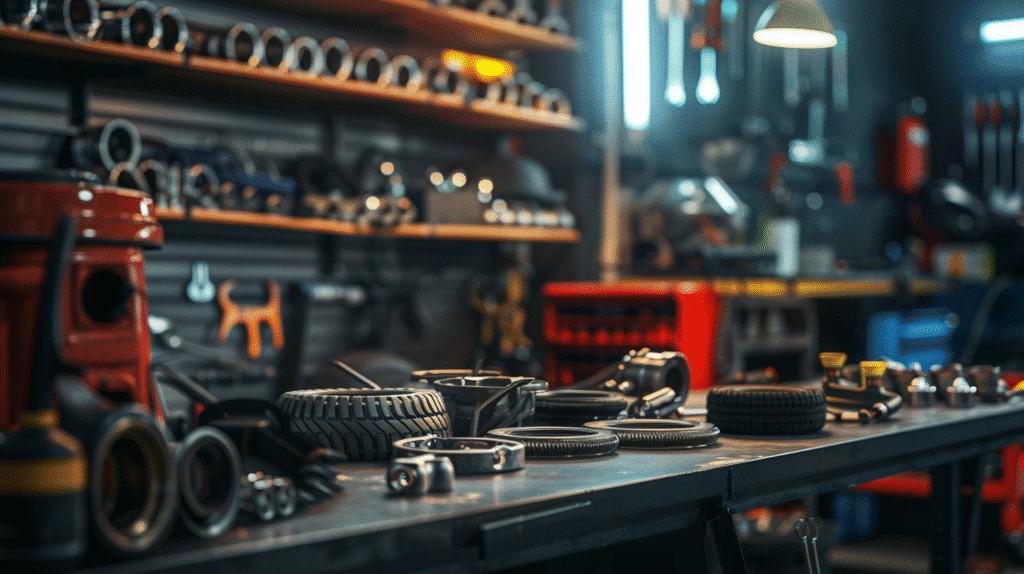
Best Car Mods Under $1,000 That Actually Work for Reliable Performance and Value
Cold Air Intake Systems: The Gateway Modification ($200-$500)
A cold air intake (CAI) remains one of the most popular first modifications for good reason—it’s relatively affordable, easy to install, and provides both performance and sensory benefits.
How Cold Air Intakes Actually Work
Factory air intake systems prioritize noise reduction and packaging efficiency over performance. They typically feature:
- Restrictive air boxes that limit flow
- Multiple baffles for sound deadening
- Convoluted routing that increases intake temperatures
Performance cold air intakes address these limitations by:
- Relocating the filter to areas with cooler, denser air
- Using larger diameter piping to reduce restriction
- Incorporating heat shields to maintain temperature separation
- Utilizing high-flow filters that balance filtration with flow
Real-World Performance Gains
Independent dyno testing shows typical gains of:
- 5-15 horsepower for naturally aspirated engines
- 10-25 horsepower for turbocharged applications
- Improved throttle response across the RPM range
- Enhanced induction sound that adds to driving enjoyment
Top Cold Air Intake Brands and Costs
- AEM Cold Air Intake ($250-$350): Excellent filtration, CARB legal options
- K&N Performance Intake ($300-$400): Lifetime warranty, proven design
- Injen Cold Air Intake ($275-$375): Hydroshield options, great aesthetics
- Spectre Performance ($150-$250): Budget-friendly, modular design
Installation Tips and Considerations
Installing a cold air intake typically takes 30-90 minutes with basic tools. Key considerations include:
- MAF sensor calibration: Some vehicles require ECU adaptation
- Hydrolock prevention: Avoid low-mounted filters in flood-prone areas
- Heat soak management: Ensure proper heat shielding
- Filter maintenance: Clean oiled filters every 12,000-15,000 miles
High-Flow Exhaust Systems: Unleashing Hidden Power ($400-$1,000)
Exhaust modifications offer some of the most noticeable improvements in both performance and driving experience, transforming how your car sounds, feels, and performs.
Understanding Exhaust Flow Dynamics
Factory exhaust systems prioritize:
- Noise compliance with strict regulations
- Cost efficiency in manufacturing
- Emissions control through restrictive catalytic converters
- Ground clearance over flow efficiency
Performance exhaust systems optimize for:
- Reduced back pressure through larger diameter piping
- Improved scavenging via tuned header lengths
- Weight reduction using lighter materials
- Enhanced sound that matches performance character
Types of Exhaust Modifications
Axle-Back Systems ($300-$600)
The most affordable option, replacing everything from the rear axle back:
- 5-10 horsepower gains typical
- Significant sound improvement
- Easiest installation (usually under 1 hour)
- No emissions concerns
Cat-Back Systems ($500-$1,000)
Replacing everything from the catalytic converter back:
- 10-20 horsepower gains possible
- Better flow throughout the system
- More dramatic sound changes
- Maintains emissions compliance
Header/Downpipe Upgrades ($400-$800)
For maximum gains but with compliance considerations:
- 15-30 horsepower gains when combined with tuning
- Improved turbo spool on forced induction engines
- May require emissions testing exemptions
- Professional installation often recommended
Material Considerations and Longevity
- Aluminized Steel ($300-$500): Good value, 3-5 year lifespan
- 409 Stainless Steel ($400-$700): Better corrosion resistance, 5-8 years
- 304 Stainless Steel ($600-$1,000): Excellent durability, 10+ years
- Titanium (Usually over $1,000): Ultimate weight savings, lifetime durability
Sound Characteristics by Design
- Straight-through mufflers: Aggressive, louder, minimal restriction
- Chambered mufflers: Deep, muscle car rumble, moderate volume
- Turbo-style mufflers: Quiet, efficient, good for daily drivers
- Resonator deletes: Increased volume, potential drone at cruise
ECU Tuning and Programmers: Digital Horsepower ($300-$800)
ECU tuning represents perhaps the best value in performance modifications, especially for turbocharged and modern direct-injection engines.
The Power of Electronic Optimization
Modern engines leave significant performance on the table due to:
- Conservative factory tuning for warranty protection
- Emissions compliance margins
- Fuel economy priorities
- Global calibrations that don’t optimize for specific conditions
ECU tuning unlocks performance by optimizing:
- Ignition timing for available fuel octane
- Fuel delivery maps for performance
- Boost pressure in turbocharged applications
- Rev limiters and speed governors
- Throttle response curves
Types of Tuning Solutions
Handheld Programmers ($300-$500)
Plug-and-play solutions ideal for beginners:
- Pre-loaded tunes for common modifications
- Data logging capabilities
- Return to stock functionality
- Multiple tune storage
Popular options:
- SCT X4: Ford specialist, excellent interface
- DiabloSport inTune: Chrysler/GM focused
- Cobb Accessport: Import and sport compact favorite
- Bully Dog GT: Diesel and truck applications
Piggyback Modules ($400-$600)
Intercept and modify sensor signals:
- Easy installation without flashing ECU
- Undetectable by dealers in many cases
- Adjustable on the fly
- Limited scope compared to full tunes
Custom Dyno Tuning ($500-$800)
Professional calibration for maximum results:
- Tailored specifically to your modifications
- Real-time adjustment on dyno
- Maximum safe power extraction
- Wide-open throttle and part-throttle optimization
Realistic Power Gains by Engine Type
- Naturally Aspirated: 10-25 HP (5-10% gain)
- Turbocharged: 30-60 HP (15-25% gain)
- Supercharged: 20-40 HP (10-15% gain)
- Diesel: 50-100 HP (20-30% gain)
Safety and Warranty Considerations
- Always use 91+ octane fuel if required by tune
- Monitor engine temperatures during aggressive driving
- Consider transmission limits with significant power gains
- Understand warranty implications before proceeding
- Keep stock tune file for dealer visits
Must-Have Handling and Suspension Upgrades
Performance Spring Sets: Transforming Stance and Handling ($200-$500)
Lowering springs offer one of the most dramatic transformations in both appearance and handling for the money.
The Science of Spring Rates
Spring rate, measured in pounds per inch (lb/in) or kilograms per millimeter (kg/mm), determines:
- Ride frequency: How quickly the suspension cycles
- Body control: Resistance to roll, pitch, and dive
- Weight transfer: Speed of load transfer during maneuvers
- Ride quality: Comfort versus performance balance
Types of Performance Springs
Progressive Rate Springs ($200-$350)
Variable spring rate that increases with compression:
- Comfortable initial travel for daily driving
- Firm when compressed for performance
- Best all-around choice for street cars
- 15-25% stiffer than stock typically
Linear Rate Springs ($250-$400)
Consistent rate throughout travel:
- Predictable handling characteristics
- Better for track use
- Firmer ride quality overall
- 25-40% stiffer than stock
Adjustable Coilover Sleeves ($400-$500)
Budget coilover alternative:
- Adjustable ride height independent of preload
- Uses stock dampers initially
- Upgrade path to full coilovers later
- Good value for stance enthusiasts
Installation Considerations and Alignment
After installing lowering springs, expect to:
- Need alignment ($75-$150) immediately
- Consider camber kits ($150-$300) for aggressive drops
- Upgrade bump stops ($50-$100) to prevent bottoming
- Adjust headlight aim for proper illumination
High-Performance Shock Absorbers: Controlling the Motion ($300-$700)
While springs determine how much the suspension moves, shock absorbers (dampers) control how quickly it moves, making them critical for handling precision.
Understanding Damping Technology
Twin-Tube Design ($300-$400)
Traditional design with two cylinders:
- Cost-effective manufacturing
- Good street performance
- Prone to fade under extreme use
- Limited adjustment range
Monotube Design ($400-$600)
Single tube with floating piston:
- Better heat dissipation
- Consistent performance
- Higher pressure capability
- More precise valving control
Adjustable Dampers ($500-$700)
User-tunable compression/rebound:
- Customizable for conditions
- Track and street settings
- Fine-tuning capability
- Future-proof investment
Matching Springs and Shocks
Critical considerations for optimal performance:
- Spring rate compatibility: Dampers must control spring oscillation
- Stroke length: Adequate travel for lowered applications
- Valving specification: Matched to vehicle weight and use
- Temperature management: Appropriate for intended use intensity
Top Shock Brands Under $700
- Bilstein B6/B8 ($400-$600): German engineering, lifetime warranty
- Koni Sport (Yellow) ($500-$700): Adjustable, excellent street/track balance
- KYB AGX ($350-$500): Japanese quality, good value
- Monroe Reflex ($300-$400): Budget-friendly upgrade
Anti-Roll Bars and Chassis Bracing: Sharpening Response ($200-$600)
Anti-roll bars (sway bars) and chassis braces directly improve handling precision and driver feedback.
The Physics of Body Roll Control
During cornering, weight transfers to the outside wheels, causing body roll. This affects:
- Camber angles: Reducing tire contact patch
- Suspension geometry: Altering designed angles
- Driver confidence: Reducing predictability
- Weight distribution: Affecting balance
Anti-roll bars counter this by:
- Connecting left and right suspension
- Resisting differential movement
- Maintaining geometry under load
- Improving response time
Sizing and Selection Guidelines
Front Anti-Roll Bar Upgrades ($200-$400)
Increasing front bar stiffness:
- Reduces understeer in FWD applications
- Quickens turn-in response
- Typical increase: 25-40% stiffer
- Adjustable options: Allow fine-tuning
Rear Anti-Roll Bar Additions ($200-$400)
Many cars lack rear bars entirely:
- Dramatically improves rotation
- Reduces understeer significantly
- Essential for FWD performance
- Transforms handling balance
Matched Sets ($400-$600)
Coordinated front and rear bars:
- Optimized balance engineered together
- Predictable behavior throughout range
- Professional development behind sizing
- Best overall results
Chassis Bracing Options
Strut Tower Braces ($100-$300)
Connect suspension mounting points:
- Reduces flex during cornering
- Improves steering precision
- Easy installation (usually 15 minutes)
- Visible engine bay enhancement
Lower Chassis Braces ($200-$400)
Subframe and floor reinforcement:
- Reduces chassis twist
- Improves stability over bumps
- More complex installation
- Hidden from view
Brake System Enhancements Under $1,000
High-Performance Brake Pads and Rotors ($300-$800)
The ability to stop effectively is just as important as going fast, and brake upgrades provide both safety and performance benefits.
Understanding Brake Pad Compounds
Organic (NAO) Pads ($50-$150)
Non-asbestos organic materials:
- Quiet operation
- Low dust production
- Gentle on rotors
- Limited high-temp capability
Semi-Metallic Pads ($75-$200)
Mixed organic and metallic content:
- Good all-around performance
- Better heat management
- Moderate dust levels
- Slightly noisier
Ceramic Pads ($100-$250)
Ceramic fiber and bonding agents:
- Excellent street performance
- Low dust and noise
- Good temperature range
- Longer rotor life
Track/Race Pads ($150-$300)
High-metallic or carbon content:
- Extreme temperature capability
- Maximum friction when hot
- Poor cold performance
- High rotor wear
Rotor Upgrades That Make a Difference
Slotted Rotors ($200-$400 per axle)
Machined slots for gas evacuation:
- Improved wet performance
- Better pad bite
- Prevents glazing
- Good street/track balance
Drilled Rotors ($200-$400 per axle)
Cross-drilled for weight and cooling:
- Aesthetic appeal
- Marginal cooling benefit
- Potential for cracking
- Best for street only
Drilled and Slotted ($250-$500 per axle)
Combination of both features:
- Maximum visual impact
- Good performance balance
- Higher stress points
- Popular choice
Brake Fluid and Lines ($100-$300)
High-Temperature Brake Fluid ($20-$50)
Essential for performance driving:
- Higher boiling point (500°F+)
- Reduces fade potential
- Annual replacement recommended
- Brands: Motul RBF600, ATE Super Blue
Stainless Steel Brake Lines ($150-$250)
Replace rubber with braided stainless:
- Eliminates expansion under pressure
- Improves pedal feel
- Lifetime durability
- Professional installation recommended
Visual and Interior Modifications That Add Value
Lighting Upgrades: Safety Meets Style ($100-$500)
Modern lighting technology offers dramatic improvements in both functionality and appearance.
LED Conversion Benefits
LED lights provide numerous advantages:
- 300% brighter than halogen
- 50,000-hour lifespan
- Lower power consumption
- Instant illumination
- Modern appearance
Comprehensive Lighting Package Options
Headlight Upgrades ($200-$400)
- LED bulb conversions: Plug-and-play installation
- HID retrofit kits: Maximum brightness
- Projector retrofits: Professional appearance
- Sequential turn signals: Modern dynamic look
Interior LED Conversion ($50-$150)
Complete interior transformation:
- Dome lights: Crisp white illumination
- Map lights: Better visibility
- Trunk lights: Practical improvement
- Footwell lighting: Ambient enhancement
- Door courtesy: Premium feel
Exterior Accent Lighting ($100-$300)
Tasteful enhancement options:
- Underglow kits: App-controlled colors
- Wheel well lighting: Highlights wheels
- Grille lighting: Subtle front accent
- License plate frames: Clean, legal upgrade
Wheel and Tire Packages: The Ultimate Visual Impact ($600-$1,000)
Nothing transforms a vehicle’s appearance quite like the right wheel and tire combination.
Wheel Selection Criteria
Size Considerations
Going plus-size requires careful calculation:
- Plus-one: 1″ larger diameter, maintains overall diameter
- Plus-two: 2″ larger, requires lower profile tires
- Weight impact: Larger isn’t always better
- Clearance check: Brake, suspension, and fender clearance
Construction Methods and Pricing
- Cast wheels ($400-$600 set): Good value, heavier
- Flow-formed ($600-$900 set): Lighter, stronger than cast
- Forged (Usually over $1,000): Ultimate strength-to-weight
Style Trends and Resale Value
- Multi-spoke designs: Timeless, good brake cooling
- Mesh patterns: Aggressive, performance-oriented
- Concave profiles: Modern, premium appearance
- OEM+ styling: Subtle upgrade, broad appeal
Tire Considerations Within Budget
After allocating for wheels, tire selection is critical:
- Summer performance: Maximum grip, limited cold/wet capability
- All-season performance: Year-round usability, good performance
- Budget considerations: Quality tires on stock wheels often better than cheap tires on expensive wheels
Interior Enhancements: Where You Spend Your Time ($200-$600)
The interior is where you actually experience your car, making interior modifications particularly satisfying.
Steering Wheel Upgrades ($150-$400)
Aftermarket Steering Wheels
Complete wheel replacement offers:
- Better grip materials: Alcantara, leather, or perforated
- Improved ergonomics: Thicker rim, better shape
- Weight reduction: Some racing wheels save 2-3 pounds
- Unique style: Flat-bottom, carbon fiber, or retro designs
Steering Wheel Covers and Wraps ($30-$150)
Budget-friendly alternatives:
- Leather wrapping: Professional appearance
- Alcantara covers: Racing feel
- Heated covers: Winter comfort
- Custom stitching: Personalized colors
Seat Upgrades and Enhancements ($200-$800)
Seat Covers ($100-$300)
Protect and refresh:
- Neoprene: Water-resistant, durable
- Leather/Pleather: Premium appearance
- Custom fit: Tailored to specific models
- Heated/cooled: Add functionality
Racing Seats ($500-$1,000 per pair)
When finding deals:
- Fixed bucket: Maximum support
- Reclining sport: Daily driver friendly
- Used market: Quality seats at budget prices
- Universal rails: Required for installation ($100-$200)
Shift Knobs and Boot Upgrades ($50-$200)
Weighted Shift Knobs ($75-$150)
Improve shifting feel:
- Added mass: Helps shifts engage
- Materials: Aluminum, titanium, weighted delrin
- Ergonomics: Better grip shape
- Temperature: Consider climate (metal gets hot/cold)
Short Shift Kits ($150-$300)
Reduce shift throw:
- 20-40% reduction typical
- Improved precision
- Quicker shifts
- Professional installation recommended
Installation Strategies and Cost Management
DIY vs Professional Installation
Understanding when to DIY and when to pay for professional installation is crucial for staying within budget.
DIY-Friendly Modifications
These typically require basic tools and mechanical knowledge:
- Cold air intakes: 30-60 minutes, basic hand tools
- Axle-back exhausts: 45-90 minutes, jack and stands
- Strut tower braces: 15-30 minutes, basic wrenches
- Shift knobs: 5-15 minutes, sometimes tool-free
- LED bulbs: 15-45 minutes per set
Professional Installation Recommended
Complex or safety-critical modifications:
- Coilover installation: Requires spring compressors
- Header installation: Often requires lift and expertise
- ECU tuning: Dyno tuning for optimal results
- Brake lines: Bleeding and safety critical
- Electrical work: Avoid fire hazards
Tools That Pay for Themselves
Investing in basic tools enables multiple DIY projects:
- Jack and jack stands ($100-$200): Essential for any under-car work
- Socket set and wrenches ($50-$150): Quality pays dividends
- Torque wrench ($40-$100): Critical for proper installation
- OBD2 scanner ($30-$100): Diagnostic capability
- Multimeter ($20-$50): Electrical troubleshooting
Finding Deals and Avoiding Mistakes
Where to Find Quality Parts Affordably
- Forum group buys: 10-20% discounts typical
- Seasonal sales: Black Friday, end of summer
- Used parts markets: Forums, Facebook groups
- Manufacturer direct: Cut out middleman markup
- Package deals: Multiple items from same vendor
Red Flags to Avoid
- Too good to be true pricing (usually is)
- No-name brands with no reviews
- Universal fit claims for specific applications
- Missing certifications (CARB, DOT, etc.)
- No warranty or return policy
Platform-Specific Recommendations
Best Mods for Popular Platforms
Japanese Sport Compacts (Civic, WRX, 86/BRZ)
Priority modifications:
- Rear sway bar ($200-$300): Transforms handling
- Cold air intake ($250-$350): Solid gains
- Tune ($400-$600): Significant power increase
- Wheels/tires ($800-$1,000): Grip and style
American Muscle (Mustang, Camaro, Challenger)
Focus areas:
- Cold air intake ($300-$400): V8s respond well
- Axle-back exhaust ($400-$600): Unleash the sound
- Lowering springs ($250-$350): Reduce wheel gap
- Tuner ($400-$500): Optimize for 93 octane
European Sport Sedans (GTI, 3-Series, A4)
Recommended path:
- ECU tune ($500-$700): Massive gains on turbos
- Rear sway bar ($250-$350): Reduce understeer
- Performance pads ($150-$250): Stop the added power
- Intake ($300-$400): Turbo sound enhancement
Trucks and SUVs
Practical upgrades:
- Cold air intake ($250-$400): Improve efficiency
- Tuner ($400-$500): Power and economy
- Helper springs ($200-$300): Level and capability
- LED lighting ($200-$400): Visibility upgrade
Maintenance Modifications: The Hidden Performance Upgrade
Often Overlooked Performance Enhancers
Sometimes the best modifications are returning your car to optimal condition:
High-Performance Fluids ($200-$400 total)
Upgrading all fluids provides:
- Synthetic engine oil: Better protection and flow
- Performance coolant: Improved heat transfer
- Transmission fluid: Crisper shifts
- Differential fluid: Reduced friction
- Brake fluid: Higher boiling point
Ignition System Refresh ($150-$300)
Modern ignition components:
- Iridium spark plugs: Better combustion
- Performance coil packs: Stronger spark
- High-tension wires: Reduce resistance
- Grounding kit: Improve electrical flow
Intake System Cleaning ($100-$200)
Restore lost performance:
- Throttle body cleaning: Improve response
- MAF sensor cleaning: Restore accuracy
- Intake valve cleaning: Critical for direct injection
- New air filter: Often overlooked
Future-Proofing Your Modifications
Building a Progressive Modification Plan
Creating a long-term strategy ensures each modification complements the next:
Phase 1: Foundation (Under $500)
- Basic maintenance caught up
- Intake and exhaust breathing
- Quality tires if needed
Phase 2: Optimization ($500-$750)
- ECU tuning to maximize Phase 1
- Suspension bushings and mounts
- Brake fluid and pads
Phase 3: Refinement ($750-$1,000)
- Handling modifications
- Visual enhancements
- Interior improvements
Resale Value Considerations
Protecting your investment value:
Modifications That Add Value
- Quality wheels: Broad appeal
- Subtle exhaust: Performance sound
- Maintenance records: Shows care
- Reversible mods: Return to stock ability
Modifications That Hurt Value
- Extreme stance: Limited buyer pool
- Racing modifications: Implies abuse
- Cheap parts: Suggests corner-cutting
- Non-reversible changes: Permanent alterations
Conclusion: Maximum Impact for Minimum Investment
The world of car modifications under $1,000 proves that meaningful performance improvements don’t require unlimited budgets. The key to success lies in understanding what your specific vehicle needs, prioritizing modifications that complement each other, and choosing quality parts from reputable manufacturers.
Whether you’re chasing lap times, improving daily driving enjoyment, or simply wanting your car to look and feel special, the modifications outlined here provide proven paths to achieving your goals. Start with the basics—helping your engine breathe better and optimizing its tune—then progress to handling and braking improvements that let you safely enjoy the added performance.
Remember that the best modification plan is one that considers your specific driving needs, mechanical skill level, and long-term goals. A well-executed $1,000 modification package can transform your driving experience more than poorly planned expensive upgrades. Take your time, do your research, buy quality parts, and enjoy the journey of making your car truly yours.
The modifications covered here represent just the beginning. As you gain experience and knowledge, you’ll discover increasingly sophisticated ways to improve your vehicle. But even if you never go beyond these initial upgrades, you’ll have a car that performs better, handles more precisely, and brings more satisfaction every time you drive it. And really, isn’t that enhanced connection between driver and machine what it’s all about?
Final Thought: The best modification you can make is the one that makes you want to drive your car more. Whether that’s a throaty exhaust note that makes you smile, suspension that lets you attack corners with confidence, or simply interior upgrades that make your daily commute more pleasant—choose modifications that enhance your personal driving experience. After all, it’s your car, your money, and your journey. Make it count.