Table of Contents
Nashville, Tennessee has emerged as a leader in modernizing municipal infrastructure through the strategic implementation of mobile monitoring technologies in its water and waste management operations. As the city continues to experience rapid population growth and urban expansion, the integration of advanced mobile monitoring systems has become essential for maintaining efficient, reliable, and sustainable utility services. These cutting-edge technologies are revolutionizing how Nashville Metro Water Services and the city's waste management departments track, analyze, and respond to the complex challenges of serving a metropolitan area with over 700,000 residents.
The adoption of mobile monitoring solutions represents a fundamental shift from traditional reactive maintenance approaches to proactive, data-driven management strategies. By leveraging real-time data collection, wireless communications, and sophisticated analytics platforms, Nashville has positioned itself at the forefront of smart city initiatives in the southeastern United States. This comprehensive transformation touches every aspect of water and waste operations, from routine inspections and maintenance scheduling to emergency response and long-term infrastructure planning.
Understanding Mobile Monitoring Technology
Mobile monitoring encompasses a diverse ecosystem of interconnected technologies designed to collect, transmit, and analyze operational data from field locations in real-time. Unlike traditional stationary monitoring systems that provide data from fixed points, mobile monitoring solutions move throughout the service area, offering comprehensive coverage and flexibility that static systems cannot match. These portable technologies include handheld devices, vehicle-mounted sensors, drone-based inspection systems, and wearable equipment that field personnel use during their daily operations.
At its core, mobile monitoring relies on the integration of several key components working in concert. Sensors and detection equipment gather raw data about water quality parameters, waste container fill levels, infrastructure conditions, and environmental factors. This information is then processed by onboard computing systems that can perform preliminary analysis and filtering before transmission. Wireless communication networks, including cellular, satellite, and mesh networks, relay the processed data to centralized management platforms where advanced analytics, machine learning algorithms, and human expertise combine to generate actionable insights.
The sophistication of modern mobile monitoring systems extends far beyond simple data collection. Today's platforms incorporate artificial intelligence and predictive analytics that can identify patterns, forecast potential failures, and recommend optimal intervention strategies. These systems learn from historical data, continuously improving their accuracy and effectiveness over time. For Nashville's water and waste management operations, this means the ability to anticipate problems before they escalate into service disruptions or public health concerns.
Core Technologies Deployed in Nashville's Operations
Nashville Metro Water Services and the city's waste management division have implemented a comprehensive suite of mobile monitoring technologies tailored to address the specific challenges of managing utilities in a rapidly growing urban environment. These technologies work together as an integrated system, creating a digital nervous system that provides unprecedented visibility into every aspect of water and waste operations across the metropolitan area.
GPS-Enabled Fleet Management Systems
The foundation of Nashville's mobile monitoring infrastructure consists of GPS-enabled tracking systems installed across the entire fleet of service vehicles, including water quality testing trucks, maintenance vehicles, waste collection trucks, and emergency response units. These sophisticated systems do far more than simply track vehicle locations. They monitor driver behavior, fuel consumption, idle times, route efficiency, and maintenance needs while providing real-time traffic integration to optimize routing decisions dynamically.
Each GPS unit communicates continuously with central dispatch systems, allowing supervisors to monitor fleet operations in real-time through intuitive dashboard interfaces. When service calls come in, dispatchers can immediately identify the nearest available unit and route it efficiently to the location. This capability has dramatically reduced response times for urgent situations such as water main breaks, sewer overflows, or hazardous waste incidents. The historical data collected by these systems also enables management to analyze performance trends, identify training opportunities, and optimize service territories to balance workloads more effectively.
Advanced geofencing capabilities allow the system to automatically trigger alerts when vehicles enter or exit designated zones, ensuring compliance with service protocols and safety regulations. For example, when a waste collection vehicle enters a residential neighborhood, the system can automatically notify residents through a mobile app, reducing missed pickups and improving customer satisfaction. Similarly, water quality testing vehicles can be automatically routed to specific monitoring points on predetermined schedules, ensuring consistent compliance with regulatory requirements.
Wireless Sensor Networks and IoT Devices
Nashville has deployed thousands of Internet of Things (IoT) sensors throughout its water distribution network and waste management infrastructure. These devices continuously monitor critical parameters including water pressure, flow rates, pH levels, turbidity, chlorine residuals, temperature, and the presence of contaminants. In the waste management system, sensors track container fill levels, compaction rates, and environmental conditions that might affect collection operations or indicate potential safety hazards.
The wireless sensor network operates on multiple communication protocols, including LoRaWAN for long-range, low-power applications and cellular networks for high-bandwidth data transmission. This redundancy ensures reliable data collection even in challenging environments such as underground utility vaults or remote pumping stations. The sensors are designed for harsh operating conditions, with ruggedized enclosures, extended battery life, and self-diagnostic capabilities that alert maintenance teams when calibration or replacement is needed.
One particularly innovative application involves acoustic sensors that listen for the distinctive sounds of water leaks in distribution pipes. These sensors can detect leaks far smaller than traditional methods would reveal, often identifying problems weeks or months before they would become visible at the surface. By catching leaks early, Nashville has significantly reduced water loss, prevented property damage, and avoided costly emergency repairs. According to the Environmental Protection Agency, even small leaks can waste thousands of gallons annually, making early detection a critical component of water conservation efforts.
Mobile Applications for Field Personnel
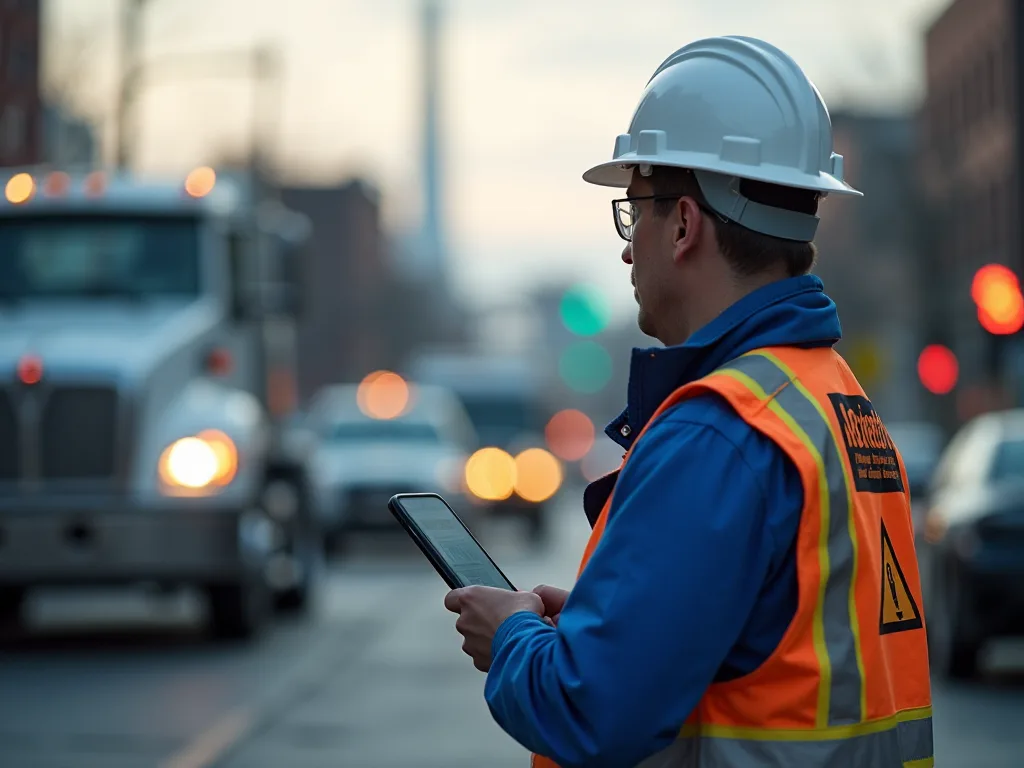
Nashville has equipped its water and waste management field workers with ruggedized tablets and smartphones running custom mobile applications that serve as comprehensive digital workstations. These apps provide workers with real-time access to work orders, infrastructure maps, maintenance histories, safety protocols, and communication tools. Field personnel can update job status, capture photos and videos, record measurements, and submit reports directly from job sites without returning to offices or making phone calls.
The mobile applications integrate seamlessly with the city's enterprise asset management systems, ensuring that all data flows automatically into centralized databases without manual data entry. This integration eliminates paperwork, reduces administrative overhead, and improves data accuracy. Workers can scan QR codes or RFID tags on infrastructure assets to instantly access complete maintenance histories, technical specifications, and relevant safety information. When unexpected conditions are encountered, workers can immediately consult with engineers or supervisors through integrated video calling features, enabling expert guidance without delays.
The applications also include offline capabilities, recognizing that cellular coverage may be limited in some service areas. Workers can download relevant data before heading into the field and synchronize their updates when connectivity is restored. This ensures uninterrupted productivity regardless of network conditions. Additionally, the apps incorporate safety features such as lone worker monitoring, emergency alert buttons, and automatic check-in reminders that enhance worker safety during solo assignments or hazardous operations.
Cloud-Based Data Analytics and Management Platforms
All data collected by Nashville's mobile monitoring systems flows into sophisticated cloud-based analytics platforms that serve as the operational brain of the entire system. These platforms aggregate data from thousands of sources, normalize it into consistent formats, and apply advanced analytics to extract meaningful insights. The cloud infrastructure provides virtually unlimited storage capacity and computational power, enabling the city to retain years of historical data for trend analysis and machine learning applications.
The analytics platforms employ multiple layers of processing. Real-time monitoring dashboards provide operators with immediate visibility into current conditions across the entire service area, with color-coded alerts highlighting situations requiring attention. Automated rule engines continuously evaluate incoming data against predefined thresholds, triggering notifications when parameters exceed acceptable ranges. More sophisticated machine learning models analyze patterns across multiple variables to predict equipment failures, optimize maintenance schedules, and identify opportunities for operational improvements.
Nashville's data scientists and engineers can use the platforms to conduct deep-dive analyses, testing hypotheses about system performance and evaluating the effectiveness of operational changes. Interactive visualization tools allow users to explore data from multiple perspectives, drilling down from city-wide overviews to individual asset details. The platforms also generate automated reports for regulatory compliance, executive briefings, and public transparency initiatives, reducing the manual effort required for documentation and reporting.
Drone-Based Inspection Systems
Nashville has incorporated unmanned aerial vehicles (drones) into its mobile monitoring toolkit for specialized inspection and assessment tasks. Equipped with high-resolution cameras, thermal imaging sensors, and multispectral imaging capabilities, drones provide unique perspectives on infrastructure that would be difficult, dangerous, or expensive to obtain through traditional methods. Water treatment facilities, reservoirs, elevated storage tanks, and large-diameter sewer lines can be inspected thoroughly without scaffolding, confined space entry, or extended service interruptions.
Thermal imaging from drones has proven particularly valuable for identifying heat signatures that indicate equipment malfunctions, insulation failures, or unusual activity in treatment processes. In waste management operations, drones survey landfill sites to monitor settlement, identify potential environmental concerns, and verify compliance with operational permits. The aerial perspective also assists in planning infrastructure expansions, assessing storm damage, and documenting conditions for insurance or legal purposes.
The drone program operates under strict protocols that ensure safety, privacy protection, and regulatory compliance. Licensed pilots conduct all flights according to Federal Aviation Administration regulations, and flight plans are coordinated with local air traffic control when necessary. The imagery and data collected by drones integrate with the same cloud platforms used for other mobile monitoring data, creating a comprehensive digital twin of Nashville's water and waste infrastructure.
Water Quality Monitoring and Protection
Ensuring safe, clean drinking water for Nashville residents represents the highest priority for Metro Water Services, and mobile monitoring technologies have revolutionized the department's approach to water quality assurance. Traditional water quality monitoring relied on periodic sampling at fixed locations, creating gaps in coverage and potential delays in detecting contamination events. Mobile monitoring fills these gaps with continuous, comprehensive surveillance that provides early warning of quality issues and enables rapid response to protect public health.
Mobile water quality testing units equipped with sophisticated analytical instruments patrol the distribution system on regular routes, collecting samples and performing on-site analyses at strategic locations throughout the network. These mobile laboratories can test for dozens of parameters including bacterial contamination, chemical constituents, disinfection byproducts, and emerging contaminants of concern. Results are transmitted immediately to water quality specialists who can compare them against historical baselines and regulatory standards, identifying anomalies that warrant further investigation.
The mobile monitoring approach enables Nashville to implement adaptive sampling strategies that respond to changing conditions. During periods of heavy rainfall, when runoff may affect source water quality, mobile units can increase sampling frequency in vulnerable areas. When construction projects or main repairs disturb the distribution system, targeted monitoring ensures that water quality is not compromised. This flexibility provides far more effective protection than rigid, schedule-based sampling programs could achieve.
Continuous monitoring sensors installed at critical points throughout the distribution system complement the mobile testing units. These sensors provide 24/7 surveillance for key parameters such as chlorine residual, pH, and turbidity. When sensor readings indicate potential problems, mobile units can be dispatched immediately to collect confirmatory samples and conduct detailed investigations. This layered approach combines the comprehensive coverage of fixed sensors with the flexibility and analytical capabilities of mobile resources.
Nashville's water quality monitoring program also incorporates predictive modeling that uses data from mobile monitoring systems to forecast potential quality issues before they occur. By analyzing patterns in source water quality, treatment plant performance, distribution system hydraulics, and environmental conditions, the models can identify situations likely to produce quality challenges. This foresight allows operators to take preventive actions such as adjusting treatment processes, flushing specific areas of the distribution system, or increasing monitoring intensity in vulnerable zones.
Wastewater System Management and Overflow Prevention
Nashville's wastewater collection system consists of hundreds of miles of sewer pipes, numerous pumping stations, and treatment facilities that must operate reliably to protect public health and environmental quality. Mobile monitoring technologies have become essential tools for preventing sanitary sewer overflows (SSOs), which can release untreated wastewater into the environment, creating health hazards and regulatory violations. The city has invested heavily in monitoring systems that provide early warning of conditions that could lead to overflows, enabling proactive interventions that prevent problems before they occur.
Flow monitoring sensors installed throughout the collection system continuously measure wastewater volumes and velocities, transmitting data wirelessly to central monitoring stations. During heavy rainfall events, when stormwater infiltration can overwhelm system capacity, operators watch these sensors closely to identify areas approaching critical levels. Mobile response teams equipped with portable pumping equipment can be dispatched to high-risk locations to provide temporary capacity relief, preventing overflows while permanent solutions are implemented.
Level sensors in pumping station wet wells monitor wastewater accumulation and pump performance, alerting operators immediately if pumps fail or inflow exceeds pumping capacity. Mobile maintenance crews receive automatic notifications when problems are detected, often arriving on-site before overflows occur. The sensors also track pump cycle times and energy consumption, providing data that helps optimize pump operations for efficiency and identify equipment degradation before failures happen.
Nashville has deployed mobile inspection systems including robotic crawlers equipped with high-definition cameras to assess sewer pipe conditions without excavation. These remotely operated devices navigate through pipes of various sizes, capturing detailed video that reveals cracks, blockages, root intrusion, and structural defects. The inspection data is analyzed using artificial intelligence algorithms that can automatically identify and classify defects, prioritizing them for repair based on severity and risk. This systematic approach to condition assessment ensures that limited maintenance resources are directed to the most critical needs.
The integration of weather forecasting data with wastewater system monitoring has proven particularly valuable for overflow prevention. By combining rainfall predictions with real-time system status information, Nashville can anticipate capacity challenges hours or days in advance. Operators can take preparatory actions such as lowering reservoir levels, pre-positioning mobile equipment, and alerting response teams to be ready for deployment. This proactive stance has significantly reduced the frequency and severity of overflow events, protecting water quality in local streams and rivers.
Solid Waste Collection Optimization
Nashville's solid waste management operations have been transformed by mobile monitoring technologies that optimize collection routes, improve service reliability, and enhance operational efficiency. The city's waste collection fleet operates across diverse neighborhoods with varying collection schedules, container types, and service requirements. Coordinating these complex operations while minimizing costs and environmental impacts requires sophisticated monitoring and management systems that provide real-time visibility and control.
GPS tracking systems on collection vehicles provide detailed information about route execution, service times, and operational efficiency. Managers can monitor collection progress throughout the day, identifying delays or deviations from planned routes and taking corrective actions when necessary. The historical data collected by these systems enables continuous route optimization, reducing travel distances, fuel consumption, and vehicle wear while improving service consistency. Advanced routing algorithms consider factors such as traffic patterns, road conditions, container locations, and collection frequencies to generate optimal routes that minimize operational costs.
Smart waste containers equipped with fill-level sensors represent an emerging technology that Nashville is piloting in commercial districts and high-density residential areas. These sensors use ultrasonic or optical technologies to measure how full containers are, transmitting this information wirelessly to collection management systems. Instead of collecting containers on fixed schedules regardless of fill levels, collection routes can be dynamically optimized to service only containers that actually need emptying. This demand-based collection approach reduces unnecessary truck trips, lowers fuel consumption and emissions, and allows collection resources to be deployed more efficiently.
Mobile applications used by collection crews provide drivers with detailed route information, special instructions for specific locations, and tools for documenting service issues or customer concerns. When drivers encounter blocked access, contaminated loads, or other problems, they can immediately document the situation with photos and notes that are transmitted to customer service representatives for follow-up. This real-time communication loop improves problem resolution and customer satisfaction while reducing the administrative burden on drivers and supervisors.
The integration of mobile monitoring data with customer service systems has enabled Nashville to provide residents with enhanced information about waste collection services. Mobile apps and web portals allow residents to receive notifications when collection trucks are approaching their neighborhoods, reducing missed collections due to containers not being placed at the curb on time. Residents can also report missed pickups, request special collections, and access information about recycling and proper waste disposal through these digital channels, improving engagement and service quality.
Comprehensive Benefits for Nashville and Its Residents
The implementation of mobile monitoring technologies across Nashville's water and waste management operations has delivered substantial benefits that extend far beyond operational efficiency improvements. These technologies have fundamentally transformed how the city delivers essential services, creating value for residents, workers, the environment, and the broader community. The return on investment from these systems continues to grow as the city gains experience with the technologies and discovers new applications and optimization opportunities.
Dramatically Improved Response Times
One of the most immediately visible benefits of mobile monitoring has been the dramatic reduction in response times for service requests and emergency situations. When water main breaks occur, GPS fleet tracking allows dispatchers to identify and route the nearest available crew to the scene within minutes rather than hours. Real-time communication systems enable crews to receive detailed information about the situation while en route, ensuring they arrive with appropriate equipment and materials. This rapid response minimizes water loss, reduces property damage, and shortens service interruptions for affected customers.
For wastewater emergencies such as sewer backups or overflows, quick response is essential to protect public health and environmental quality. Mobile monitoring systems that detect problems automatically and alert response teams immediately have reduced average emergency response times by more than 40 percent compared to traditional call-based systems. This improvement translates directly into reduced environmental impacts, lower cleanup costs, and better protection of public health and safety.
Even for routine service requests, mobile monitoring technologies have improved responsiveness and customer satisfaction. When residents report issues such as missed waste collections or water quality concerns, customer service representatives can immediately check the status of service vehicles, verify collection completion, or dispatch water quality testing units to investigate. This real-time capability eliminates the delays and uncertainty that characterized traditional service request processes, building public trust and confidence in city services.
Enhanced Water Quality and Public Health Protection
The continuous, comprehensive water quality monitoring enabled by mobile technologies provides Nashville residents with unprecedented protection against waterborne health risks. The combination of fixed sensors, mobile testing units, and predictive analytics creates multiple layers of defense that can detect and respond to quality issues far more quickly than traditional periodic sampling programs. This enhanced surveillance has maintained Nashville's excellent water quality record while providing greater confidence that emerging problems will be identified and addressed before they affect public health.
The ability to conduct targeted investigations in response to sensor alerts or customer complaints has proven particularly valuable. When residents report taste, odor, or appearance issues with their water, mobile testing units can be on-site within hours to collect samples and conduct detailed analyses. This rapid response capability reassures residents that their concerns are taken seriously and addressed promptly, while also providing water quality specialists with timely data for problem diagnosis and resolution.
Mobile monitoring has also enhanced Nashville's ability to comply with increasingly stringent drinking water regulations. The Safe Drinking Water Act requires public water systems to monitor for numerous contaminants and maintain detailed records demonstrating compliance. The automated data collection, transmission, and archiving capabilities of mobile monitoring systems ensure that all required samples are collected on schedule and that results are properly documented and reported to regulatory agencies. This systematic approach reduces compliance risks and administrative burdens while demonstrating Nashville's commitment to providing safe drinking water.
Significant Operational Cost Reductions
While the initial investment in mobile monitoring technologies was substantial, Nashville has realized significant ongoing operational cost savings that provide a strong return on investment. Route optimization for both water service vehicles and waste collection trucks has reduced fuel consumption by an estimated 15 to 20 percent, saving hundreds of thousands of dollars annually while also reducing greenhouse gas emissions. The extended vehicle life resulting from reduced mileage and better maintenance scheduling provides additional savings in capital replacement costs.
Predictive maintenance enabled by continuous equipment monitoring has reduced emergency repair costs and service disruptions. By identifying equipment problems early, before they escalate into failures, maintenance can be scheduled during normal working hours with proper planning and resource allocation. This proactive approach costs far less than emergency repairs that require overtime labor, expedited parts procurement, and rushed work that may compromise quality. The reduction in water main breaks, pump failures, and other infrastructure emergencies has saved millions of dollars in repair costs and property damage claims.
Water loss reduction through early leak detection has provided substantial savings. Non-revenue water—the difference between water produced and water billed to customers—represents a significant cost for most water utilities. Nashville's acoustic leak detection sensors and pressure monitoring systems have helped identify and repair thousands of leaks that would otherwise have gone undetected for months or years. The water saved through these efforts reduces treatment and pumping costs while also preserving precious water resources for future needs.
Administrative efficiency improvements have reduced staffing requirements for routine tasks such as data entry, report generation, and compliance documentation. The automated data collection and reporting capabilities of mobile monitoring systems eliminate much of the manual work that previously consumed significant staff time. These efficiency gains allow Nashville to redirect personnel to higher-value activities such as system analysis, planning, and customer service, improving overall organizational effectiveness without increasing headcount.
Improved Worker Safety and Productivity
Mobile monitoring technologies have made water and waste management work safer and more productive for Nashville's field personnel. Real-time communication systems ensure that workers are never truly alone, even when working in remote locations or confined spaces. Automatic check-in features and emergency alert buttons provide safety nets that can summon help quickly if accidents or medical emergencies occur. GPS tracking allows supervisors to monitor worker locations and verify that safety protocols are being followed, while also enabling rapid assistance if problems arise.
The mobile applications used by field workers reduce physical demands and improve efficiency by eliminating paperwork and providing instant access to information. Workers no longer need to return to offices to pick up work orders, consult reference materials, or submit reports. Everything they need is available on their mobile devices, allowing them to move directly from one job to the next without administrative delays. This streamlined workflow increases productivity while reducing the frustration and wasted time associated with traditional paper-based processes.
Remote expert support capabilities enabled by mobile video communication have enhanced both safety and effectiveness for complex or unusual situations. When field workers encounter unexpected conditions or challenging problems, they can immediately consult with engineers, supervisors, or specialists without leaving the job site. This real-time collaboration ensures that work is performed correctly and safely, reducing the risk of mistakes that could endanger workers or damage infrastructure. It also provides valuable learning opportunities for less experienced workers who can receive mentoring and guidance while performing their duties.
Predictive maintenance scheduling has improved worker safety by reducing the number of emergency situations that require rushed responses under potentially hazardous conditions. Planned maintenance work can be conducted with proper safety planning, appropriate staffing levels, and adequate time to complete tasks correctly. This contrasts sharply with emergency repairs that often occur during adverse weather, at night, or under other challenging circumstances that increase injury risks. The reduction in emergency work has contributed to improved safety records and lower workers' compensation costs for Nashville's water and waste management departments.
Optimized Resource Allocation and Planning
The comprehensive data collected by mobile monitoring systems has transformed Nashville's approach to resource allocation and long-term infrastructure planning. Historical performance data reveals patterns and trends that inform strategic decisions about capital investments, staffing levels, and service priorities. Instead of relying on anecdotal information or limited sampling, planners can analyze years of detailed operational data to identify the most pressing needs and evaluate the effectiveness of different intervention strategies.
Infrastructure condition assessment data from mobile inspection systems enables Nashville to prioritize rehabilitation and replacement projects based on objective criteria rather than subjective judgments or political pressures. Pipes, pumps, and other assets can be ranked according to their condition, criticality, and failure probability, ensuring that limited capital budgets are directed to the most important projects. This data-driven approach maximizes the value of infrastructure investments while reducing the risk of catastrophic failures that could disrupt services or endanger public safety.
Demand forecasting has become more accurate and sophisticated through the analysis of mobile monitoring data. By understanding how water consumption and waste generation vary across different neighborhoods, seasons, and times of day, Nashville can better plan for future capacity needs and optimize existing infrastructure utilization. This granular understanding of demand patterns supports more efficient operations and helps avoid both over-investment in unnecessary capacity and under-investment that could lead to service deficiencies.
The ability to model different scenarios using historical data has improved decision-making for major policy and investment choices. When evaluating options such as new treatment technologies, service area expansions, or rate structure changes, planners can use mobile monitoring data to simulate outcomes and assess potential impacts. This analytical capability reduces uncertainty and helps build consensus around complex decisions that affect the entire community.
Environmental Sustainability and Conservation
Mobile monitoring technologies have advanced Nashville's environmental sustainability goals by enabling more efficient resource use and better environmental protection. Water conservation efforts have been strengthened through leak detection and pressure management programs that rely on continuous monitoring data. By identifying and repairing leaks quickly and optimizing system pressures to minimize stress on pipes, Nashville has reduced water loss and extended infrastructure life while conserving precious water resources.
Wastewater overflow prevention enabled by real-time monitoring protects local waterways from pollution and preserves aquatic ecosystems. The Cumberland River and its tributaries that flow through Nashville provide important habitat for fish and wildlife while also supporting recreation and economic activities. By preventing untreated wastewater from entering these waters, mobile monitoring systems help maintain water quality and protect the environmental values that residents cherish.
Waste collection route optimization has reduced fuel consumption and vehicle emissions, contributing to improved air quality and reduced greenhouse gas emissions. The environmental benefits of more efficient routing extend beyond direct emissions reductions to include decreased road wear, reduced traffic congestion, and lower noise pollution in residential neighborhoods. These quality-of-life improvements, while difficult to quantify precisely, represent real value for Nashville residents and demonstrate the city's commitment to sustainable operations.
Energy efficiency improvements at water and wastewater treatment facilities have been enabled by monitoring systems that optimize equipment operations and identify energy waste. Pumps, blowers, and other energy-intensive equipment can be operated more efficiently when their performance is continuously monitored and adjusted based on actual demand rather than fixed schedules. Nashville has achieved significant energy cost savings while also reducing the environmental footprint of its utility operations through these optimization efforts.
Enhanced Transparency and Public Trust
Mobile monitoring technologies have enabled Nashville to provide residents with unprecedented transparency about water and waste management operations. Public-facing dashboards and mobile applications allow residents to access real-time information about water quality, service schedules, and system performance. This openness builds public trust and confidence in city services while also empowering residents to make informed decisions about their water use and waste disposal practices.
When service disruptions or quality issues occur, Nashville can communicate quickly and accurately with affected residents using data from mobile monitoring systems. Instead of vague estimates about restoration times or problem causes, officials can provide specific, factual information based on real-time system status. This honest, data-driven communication demonstrates respect for residents and helps maintain public support even during challenging situations.
The ability to document compliance with regulatory requirements and environmental commitments through automated monitoring and reporting systems provides assurance to residents that Nashville is meeting its obligations to protect public health and environmental quality. Detailed records of water quality testing, wastewater treatment performance, and environmental monitoring are available for public review, demonstrating accountability and transparency in utility operations.
Implementation Challenges and Solutions
While the benefits of mobile monitoring technologies are substantial, Nashville's implementation journey has not been without challenges. Understanding these obstacles and the strategies used to overcome them provides valuable lessons for other communities considering similar initiatives. The city's experience demonstrates that successful technology adoption requires careful planning, stakeholder engagement, and sustained commitment from leadership and staff.
Initial Investment and Funding Constraints
The upfront costs of mobile monitoring systems, including hardware, software, installation, and training, represented a significant financial challenge for Nashville. Securing funding for these investments required building a compelling business case that demonstrated clear returns on investment and aligned with city priorities. Nashville addressed this challenge through a phased implementation approach that spread costs over multiple budget cycles while delivering incremental benefits that built support for continued investment.
Grant funding from federal and state agencies helped offset some implementation costs, particularly for projects with environmental benefits or public health protection objectives. Nashville's grant writers successfully secured funding from sources including the Environmental Protection Agency, the Tennessee Department of Environment and Conservation, and various infrastructure financing programs. These external funds reduced the burden on local ratepayers while enabling more ambitious technology deployments than would have been possible with local funding alone.
Demonstrating early wins and quick returns on investment helped sustain support for the mobile monitoring program during the multi-year implementation period. By prioritizing projects with clear, measurable benefits such as leak detection or route optimization, Nashville was able to show tangible results that justified continued investment. These success stories also helped build internal champions who advocated for the program and encouraged broader adoption across departments.
Technology Integration and Interoperability
Integrating mobile monitoring systems with Nashville's existing IT infrastructure and business systems presented significant technical challenges. Legacy systems that were never designed to exchange data with modern cloud platforms required custom interfaces and middleware solutions. Ensuring that data flowed seamlessly between field devices, mobile applications, analytics platforms, and enterprise systems demanded careful planning and skilled technical resources.
Nashville addressed these integration challenges by adopting open standards and application programming interfaces (APIs) that facilitate data exchange between different systems. Rather than pursuing proprietary, vendor-specific solutions, the city prioritized technologies that support industry-standard protocols and data formats. This approach has provided flexibility to incorporate new technologies and vendors over time without being locked into single-source relationships that could limit options and increase costs.
Establishing a robust IT governance framework helped ensure that technology decisions aligned with enterprise architecture principles and long-term strategic goals. Cross-functional teams including representatives from water services, waste management, IT, and finance collaborated to evaluate technologies, establish standards, and coordinate implementation efforts. This governance structure prevented siloed decision-making that could have resulted in incompatible systems and duplicated investments.
Workforce Adaptation and Change Management
Introducing mobile monitoring technologies required significant changes to established work processes and employee roles, creating natural resistance and anxiety among some staff members. Workers who had performed their jobs the same way for years suddenly needed to learn new technologies and adapt to different workflows. Addressing these human factors proved just as important as solving technical challenges for successful implementation.
Nashville invested heavily in training and change management to help employees embrace mobile monitoring technologies. Comprehensive training programs provided hands-on instruction with new devices and applications, ensuring that workers felt confident using the tools. Ongoing support through help desks, peer mentors, and refresher training sessions helped sustain adoption and address problems as they arose. Management also emphasized how the technologies would make jobs easier and safer rather than threatening employment, helping to overcome fears and build enthusiasm.
Involving frontline workers in technology selection and implementation planning proved crucial for gaining buy-in and ensuring that solutions met real operational needs. Field personnel who would actually use mobile devices and applications participated in pilot programs, provided feedback on usability and functionality, and helped identify potential problems before full-scale deployment. This participatory approach created ownership and advocacy among workers who became champions for the new technologies within their peer groups.
Recognizing and celebrating successes helped build momentum and positive attitudes toward mobile monitoring technologies. When workers used new tools to solve problems more effectively or improve service quality, management highlighted these achievements through internal communications, awards programs, and public recognition. These positive reinforcement strategies helped shift organizational culture toward embracing innovation and continuous improvement.
Data Security and Privacy Protection
Mobile monitoring systems that collect, transmit, and store sensitive operational data create potential cybersecurity vulnerabilities that must be carefully managed. Nashville recognized that protecting these systems from unauthorized access, data breaches, and cyberattacks was essential for maintaining operational integrity and public trust. The city implemented comprehensive security measures including encryption, authentication, network segmentation, and continuous monitoring to protect mobile monitoring infrastructure.
Privacy concerns related to GPS tracking of employees and collection of detailed operational data required careful attention to policies and procedures. Nashville established clear guidelines about how location data would be used, who could access it, and what purposes it could serve. Transparency about these policies and consistent adherence to them helped address worker concerns about surveillance and inappropriate monitoring. The city also implemented technical controls to limit data access to authorized personnel and purposes, preventing misuse.
Regular security assessments and penetration testing help identify vulnerabilities before they can be exploited by malicious actors. Nashville works with cybersecurity specialists to evaluate mobile monitoring systems and implement recommended improvements. The city also maintains incident response plans that define procedures for detecting, containing, and recovering from security breaches should they occur. These proactive security measures demonstrate Nashville's commitment to protecting critical infrastructure and sensitive data.
Future Directions and Emerging Technologies
Nashville's mobile monitoring program continues to evolve as new technologies emerge and the city gains experience with existing systems. Looking ahead, several promising developments could further enhance water and waste management operations while delivering additional benefits for residents and the environment. The city's commitment to innovation and continuous improvement positions it well to capitalize on these opportunities as they mature.
Artificial Intelligence and Machine Learning Advancement
The application of artificial intelligence and machine learning to mobile monitoring data represents one of the most exciting frontiers for Nashville's utility operations. As the volume of collected data continues to grow, AI algorithms can identify subtle patterns and relationships that human analysts might miss. These insights could enable even more accurate predictions of equipment failures, water quality issues, and system capacity constraints, allowing increasingly proactive management strategies.
Computer vision technologies that automatically analyze images and video from inspection cameras could dramatically accelerate infrastructure condition assessment. Instead of requiring human reviewers to watch hours of sewer inspection video, AI algorithms could automatically identify and classify defects, measure their severity, and prioritize them for repair. Similar technologies could analyze drone imagery of treatment facilities or reservoir conditions, flagging potential problems for human review. These automation capabilities would allow Nashville to conduct more frequent and comprehensive inspections without proportional increases in staffing.
Natural language processing could enhance customer service by automatically analyzing service requests, social media posts, and other text communications to identify emerging issues or trends. If multiple residents in a neighborhood report similar water quality concerns, AI systems could automatically alert water quality specialists and trigger targeted investigations. This capability would provide earlier warning of problems and enable more responsive service.
5G Networks and Edge Computing
The deployment of 5G wireless networks in Nashville will enable new mobile monitoring applications that require high bandwidth and low latency. High-definition video streaming from inspection equipment, real-time collaboration tools, and augmented reality applications that overlay digital information on physical infrastructure could all benefit from 5G capabilities. These technologies would enhance field worker effectiveness and enable new approaches to training, maintenance, and problem-solving.
Edge computing architectures that process data closer to collection points rather than transmitting everything to centralized cloud platforms could improve response times and reduce bandwidth requirements. Smart sensors that can perform preliminary analysis and decision-making locally would enable faster automated responses to urgent situations while reducing the volume of data that must be transmitted and stored. This distributed intelligence approach could make mobile monitoring systems more resilient and responsive.
Digital Twin Technology
Creating comprehensive digital twins—virtual replicas of physical infrastructure that are continuously updated with real-time monitoring data—represents an ambitious goal for Nashville's water and waste management systems. These digital models would enable sophisticated simulation and scenario analysis, allowing operators to test different operational strategies virtually before implementing them in the real world. Engineers could evaluate the impacts of proposed infrastructure modifications, assess system vulnerabilities to extreme weather events, and optimize operations for efficiency or resilience.
Digital twins integrated with mobile monitoring systems would provide unprecedented visibility into system behavior and performance. Operators could visualize water flow through the distribution network, track wastewater levels throughout the collection system, and monitor equipment status across all facilities from a single interface. This holistic view would support better decision-making and coordination across different operational units and functions.
Autonomous Vehicles and Robotics
As autonomous vehicle technology matures, Nashville may eventually deploy self-driving inspection vehicles or waste collection trucks that operate with minimal human intervention. These vehicles could conduct routine monitoring missions or collection routes more efficiently and safely than human-operated vehicles, particularly during overnight hours or in hazardous conditions. While fully autonomous operations remain years away, incremental automation features such as advanced driver assistance systems are already being incorporated into new fleet vehicles.
Robotic systems for infrastructure inspection and maintenance could access confined spaces and hazardous environments that are dangerous or difficult for human workers. Swimming robots that navigate through water pipes, climbing robots that inspect storage tanks, and flying robots that survey treatment facilities could all contribute to more comprehensive and safer infrastructure management. Nashville is monitoring developments in these technologies and evaluating opportunities for pilot deployments as they become practical and cost-effective.
Blockchain for Data Integrity and Transparency
Blockchain technology could provide enhanced security and transparency for mobile monitoring data, creating tamper-proof records of water quality test results, infrastructure inspections, and compliance activities. This technology would provide additional assurance to regulators and the public that reported data is accurate and has not been altered. While blockchain applications in utility operations are still emerging, Nashville is exploring potential use cases and evaluating whether the benefits justify the implementation complexity and costs.
Lessons for Other Communities
Nashville's experience implementing mobile monitoring technologies for water and waste management operations offers valuable lessons for other communities considering similar initiatives. While each city faces unique circumstances and challenges, several key principles have proven essential for successful technology adoption and can guide other jurisdictions in their own modernization efforts.
Start with clear objectives and measurable goals. Nashville's success stemmed partly from establishing specific targets for what mobile monitoring should achieve—reduced response times, improved water quality, lower operational costs, and enhanced safety. These concrete goals provided direction for technology selection and implementation while also enabling objective evaluation of results. Communities should resist the temptation to adopt technologies simply because they are new or exciting, instead focusing on solutions that address real operational challenges and deliver measurable value.
Engage stakeholders early and often. Successful implementation requires buy-in from multiple constituencies including elected officials, utility management, frontline workers, IT staff, and the public. Nashville invested significant effort in stakeholder engagement, explaining the rationale for mobile monitoring, addressing concerns, and incorporating feedback into implementation plans. This inclusive approach built broad support and helped overcome resistance that could have derailed the initiative.
Prioritize interoperability and open standards. Technology landscapes evolve rapidly, and systems that seemed cutting-edge a few years ago can quickly become obsolete. By emphasizing open standards and interoperability, Nashville has maintained flexibility to incorporate new technologies and vendors without being locked into proprietary ecosystems. Communities should carefully evaluate vendor claims about openness and insist on demonstrated interoperability before making major technology commitments.
Invest in training and change management. Even the best technologies will fail if workers do not understand how to use them effectively or resist adopting new workflows. Nashville's substantial investment in training, support, and change management proved essential for realizing the full benefits of mobile monitoring systems. Communities should budget adequate resources for these human factors and recognize that technology adoption is as much about people as it is about equipment and software.
Take a phased approach with early wins. Attempting to transform all operations simultaneously creates overwhelming complexity and risk. Nashville's phased implementation strategy allowed the city to learn from early deployments, build expertise gradually, and demonstrate value before expanding to additional applications. Communities should identify high-value, lower-risk initial projects that can deliver quick wins and build momentum for broader adoption.
Plan for long-term sustainability. Mobile monitoring systems require ongoing maintenance, upgrades, and support that must be funded and staffed indefinitely. Nashville established sustainable funding mechanisms and organizational structures to ensure that systems remain operational and effective over time. Communities should carefully consider total cost of ownership and develop realistic plans for long-term sustainability before committing to major technology investments.
Conclusion
Nashville's comprehensive implementation of mobile monitoring technologies across its water and waste management operations represents a transformative achievement that has fundamentally improved how the city delivers essential services to its growing population. Through strategic investments in GPS tracking, wireless sensors, mobile applications, cloud analytics, and other advanced technologies, Nashville has created an integrated monitoring ecosystem that provides unprecedented visibility into utility operations and enables proactive, data-driven management strategies.
The benefits of this technological transformation extend across multiple dimensions. Residents enjoy more reliable services, faster emergency response, and better water quality protection. Workers benefit from improved safety, enhanced productivity, and reduced physical demands. The environment benefits from reduced water loss, prevented pollution, and lower emissions. The city benefits from operational cost savings, optimized resource allocation, and enhanced ability to plan for future needs.
These diverse benefits demonstrate that mobile monitoring technologies deliver value far beyond simple operational efficiency improvements.
Nashville's journey also illustrates that successful technology adoption requires more than just purchasing equipment and software. Careful planning, stakeholder engagement, workforce development, and sustained leadership commitment all proved essential for realizing the full potential of mobile monitoring systems. The challenges encountered along the way—funding constraints, integration complexities, workforce adaptation, and security concerns—required thoughtful strategies and persistent effort to overcome. Other communities can learn from both Nashville's successes and its challenges as they pursue their own modernization initiatives.
Looking ahead, Nashville's mobile monitoring program will continue to evolve as new technologies emerge and the city gains additional experience with existing systems. Artificial intelligence, 5G networks, digital twins, and other emerging capabilities promise to further enhance water and waste management operations in the coming years. Nashville's commitment to innovation and continuous improvement positions the city well to capitalize on these opportunities and maintain its leadership in smart utility management.
The story of mobile monitoring in Nashville ultimately demonstrates how thoughtful application of technology can address real-world challenges and improve quality of life for urban residents. As cities worldwide grapple with aging infrastructure, population growth, environmental pressures, and resource constraints, Nashville's experience offers both inspiration and practical guidance for leveraging mobile monitoring technologies to build more sustainable, resilient, and effective utility operations. The lessons learned and best practices developed in Nashville can help other communities navigate their own paths toward smarter, more responsive water and waste management systems that serve their residents well into the future.
For communities considering similar initiatives, the key takeaway is that mobile monitoring technologies are not merely technical solutions but rather enablers of fundamental operational transformation. When implemented thoughtfully with clear objectives, adequate resources, and sustained commitment, these technologies can deliver substantial and lasting benefits that justify the investment many times over. Nashville's success demonstrates what is possible when cities embrace innovation and commit to excellence in delivering essential services that protect public health, environmental quality, and community well-being.