Table of Contents
Understanding the costs and benefits of installing a twin scroll turbocharger is essential for automotive enthusiasts and professionals who want to maximize their vehicle's performance potential. Nashville Performance, a leader in high-performance vehicle upgrades, provides valuable insights into this increasingly popular modification that can transform your driving experience. Whether you're looking to enhance your daily driver or build a track-focused machine, twin scroll turbo technology offers compelling advantages that deserve careful consideration.
What is a Twin Scroll Turbocharger?
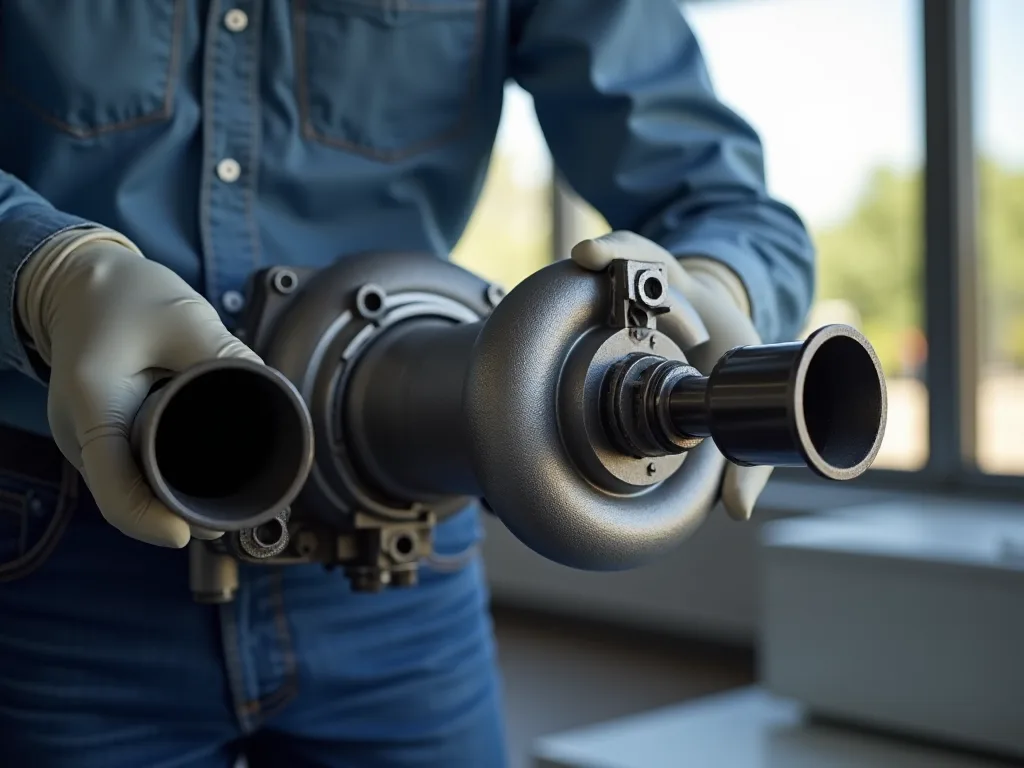
A twin scroll turbocharger represents an advanced evolution in forced induction technology that addresses many of the limitations found in traditional single scroll turbochargers. This sophisticated system uses two separate exhaust streams to spin the turbine wheel, creating a more efficient and responsive power delivery system. The fundamental design separates exhaust pulses from different cylinder groups, preventing interference and maximizing the energy available to drive the turbine.
The twin scroll design typically divides the exhaust manifold into two channels, each feeding a separate scroll or passage in the turbocharger housing. In a four-cylinder engine, for example, cylinders one and four might feed one scroll while cylinders two and three feed the other. This separation is based on the firing order of the engine, ensuring that exhaust pulses from cylinders that fire consecutively don't interfere with each other. This intelligent routing of exhaust gases results in improved efficiency and reduces turbo lag, delivering better engine performance and responsiveness across the entire RPM range.
How Twin Scroll Technology Works
The operational principle behind twin scroll turbochargers is rooted in thermodynamics and fluid dynamics. When an engine's cylinders fire, they create pressure waves in the exhaust system. In a conventional single scroll turbo, these pressure waves can interfere with each other, causing back pressure that reduces engine efficiency and increases turbo lag. The twin scroll design eliminates this problem by keeping exhaust pulses separated until they reach the turbine wheel.
Each scroll in the turbocharger housing is designed to direct exhaust gases at the turbine wheel from different angles, maintaining the momentum and energy of the exhaust pulses. This separation allows the turbocharger to respond more quickly to throttle inputs because the exhaust energy is being used more efficiently. The result is a turbocharged engine that feels more like a naturally aspirated engine in terms of throttle response, while still delivering the substantial power gains associated with forced induction.
The turbine wheel itself is specifically designed to accept exhaust flow from two separate directions, with internal vanes and passages optimized for this dual-entry configuration. Modern twin scroll turbochargers also incorporate advanced materials and bearing systems, including ball bearings or journal bearings with sophisticated oil cooling systems, to handle the increased thermal and mechanical stresses associated with high-performance applications.
Twin Scroll vs. Single Scroll Turbochargers
The differences between twin scroll and single scroll turbochargers extend beyond just the housing design. Single scroll turbochargers combine all exhaust gases into one chamber before directing them at the turbine wheel. While this design is simpler and often less expensive, it sacrifices efficiency and response time. The mixing of exhaust pulses creates turbulence and back pressure that can hinder engine breathing, especially at lower RPMs where turbo lag is most noticeable.
Twin scroll turbochargers maintain pulse separation throughout the exhaust process, preserving the kinetic energy of each exhaust pulse. This results in faster turbine spool-up times, meaning the turbocharger reaches its effective operating range more quickly after throttle application. The improved scavenging effect also helps clear exhaust gases from the cylinders more efficiently, allowing for better cylinder filling on the intake stroke and ultimately producing more power.
Another significant advantage is the broader power band that twin scroll turbos provide. While single scroll turbos often excel in a narrow RPM range, twin scroll designs deliver strong performance across a wider range of engine speeds. This makes them particularly well-suited for street-driven vehicles where drivability and everyday usability are important considerations alongside peak power output.
Comprehensive Installation Costs Breakdown
The cost of installing a twin scroll turbocharger system varies significantly depending on numerous factors, making it essential to understand the complete financial picture before committing to this modification. Nashville Performance reports that typical installation costs range from $2,500 to $5,000 for most applications. This price range includes the turbocharger itself, necessary supporting components, professional labor, and initial tuning to ensure the system operates safely and effectively.
However, this baseline estimate can increase substantially for high-performance applications, custom fabrication work, or vehicles that require extensive modifications to accommodate the new turbo system. Premium turbocharger brands, larger turbo sizes, and exotic vehicle applications can push total costs well beyond the typical range, sometimes reaching $8,000 to $15,000 or more for comprehensive builds that include all necessary supporting modifications.
Turbocharger Hardware Costs
The turbocharger itself represents a significant portion of the total investment. Quality twin scroll turbochargers from reputable manufacturers typically range from $800 to $3,000 depending on size, materials, and brand reputation. Entry-level units suitable for modest power gains might cost around $800 to $1,200, while high-end turbochargers designed for serious performance applications can easily exceed $2,500. Premium brands like Garrett, BorgWarner, Precision Turbo, and Turbonetics command higher prices but offer superior build quality, better performance characteristics, and more reliable operation.
The size of the turbocharger also dramatically affects pricing. Smaller turbos designed for quick spool and moderate power gains are generally less expensive than larger units capable of supporting 600+ horsepower. Additionally, turbochargers with advanced features like ball bearing cartridges, billet compressor wheels, or ceramic-coated housings carry premium price tags but deliver measurable performance and durability benefits.
Supporting Components and Hardware
A twin scroll turbo installation requires numerous supporting components beyond the turbocharger itself. The exhaust manifold or header is perhaps the most critical supporting component, as it must be specifically designed for twin scroll applications with proper pulse separation. Custom twin scroll manifolds typically cost between $500 and $1,500, with stainless steel units commanding higher prices than cast iron alternatives. Some vehicles may require custom fabrication, which can add several hundred dollars to the cost.
Downpipes and exhaust modifications are also necessary to properly route exhaust gases away from the turbocharger. A quality downpipe designed for twin scroll applications typically costs $300 to $800, depending on materials and whether it includes a catalytic converter. Many enthusiasts opt for high-flow catalytic converters or catless designs for maximum performance, though local emissions regulations must be considered.
The intercooler system is another essential component that prevents heat soak and maintains consistent performance. Upgraded intercoolers range from $400 to $1,500 depending on size, design, and efficiency. Front-mount intercoolers generally offer the best cooling performance but require more extensive installation work, while top-mount designs may be easier to install but can be limited by space constraints and heat exposure.
Oil and coolant lines for the turbocharger, along with necessary fittings and adapters, typically add another $200 to $500 to the project. These lines must be properly sized and routed to ensure adequate lubrication and cooling of the turbocharger's bearing system. Braided stainless steel lines are preferred for their durability and resistance to heat, though they cost more than rubber alternatives.
Intake piping and air filtration upgrades are also necessary to supply the turbocharger with adequate airflow. A complete intake system with piping, couplers, clamps, and a high-flow air filter typically costs $300 to $800. Cold air intake designs that draw air from outside the engine bay provide the best performance by supplying cooler, denser air to the turbocharger.
Labor and Installation Expenses
Professional installation labor represents a substantial portion of the total cost, typically ranging from $800 to $2,000 depending on the complexity of the installation and local labor rates. A straightforward bolt-on installation on a vehicle with good aftermarket support might require 8 to 12 hours of labor, while custom applications requiring fabrication work can easily consume 20 to 30 hours or more.
Shops specializing in performance modifications and turbo installations generally charge between $80 and $150 per hour, with rates varying based on geographic location and shop reputation. Urban areas and shops with established reputations for quality work typically command higher rates. While it might be tempting to seek out the lowest labor rate, the expertise and experience of a qualified turbo specialist can make the difference between a successful installation and a problematic one.
The installation process involves removing existing exhaust components, fitting the new turbo manifold, mounting the turbocharger, routing oil and coolant lines, installing the intercooler and associated piping, upgrading the intake system, and ensuring all connections are secure and leak-free. Each step requires precision and attention to detail to ensure reliable operation and prevent potentially catastrophic failures.
Tuning and Calibration Costs
Professional engine tuning is absolutely essential after installing a twin scroll turbocharger system. The engine's computer must be reprogrammed to manage the increased airflow, adjust fuel delivery, optimize ignition timing, and monitor boost pressure. Tuning costs typically range from $500 to $1,500 depending on the tuning method and the complexity of the calibration.
Dyno tuning, where the vehicle is strapped to a dynamometer and tuned in real-time while monitoring performance parameters, is the gold standard for turbo installations. This method allows the tuner to safely optimize the engine's performance across the entire RPM range while monitoring air-fuel ratios, knock detection, and other critical parameters. Dyno tuning sessions typically cost $600 to $1,200 and can take several hours to complete properly.
Some vehicles can be tuned using pre-programmed maps or flash tuning devices, which may be less expensive but don't offer the same level of customization as dyno tuning. However, for safety and optimal performance, most experts recommend professional dyno tuning, especially for higher boost levels or significantly modified engines.
Factors Affecting Installation Costs
Several key factors can significantly impact the total cost of a twin scroll turbo installation, making it important to carefully assess your specific situation before budgeting for the project.
- Vehicle make and model: Popular enthusiast vehicles with strong aftermarket support typically have more affordable installation costs due to the availability of bolt-on kits and experienced installers. Exotic or rare vehicles may require custom fabrication and specialized knowledge, substantially increasing costs.
- Required modifications to exhaust and intake systems: Vehicles with restrictive factory exhaust systems may need extensive modifications, including new headers, downpipes, and cat-back exhaust systems. Similarly, intake system limitations may require custom piping and relocation of components.
- Labor rates at the installation shop: Geographic location and shop specialization significantly affect labor costs. Metropolitan areas generally have higher rates, while shops with specific expertise in turbo installations may charge premium rates but deliver superior results.
- Additional supporting upgrades: Many turbocharged engines require upgraded fuel systems, including larger fuel injectors, high-flow fuel pumps, and sometimes upgraded fuel lines. These components can add $500 to $2,000 to the project cost.
- Engine management system: Some vehicles may require standalone engine management systems or piggyback controllers to properly manage the turbocharged setup, adding $1,000 to $3,000 to the total cost.
- Clutch and drivetrain upgrades: The increased torque from a turbocharged engine often exceeds the capacity of the stock clutch and drivetrain components. Upgrading these components can add $800 to $3,000 depending on the vehicle.
- Cooling system enhancements: Additional oil coolers, upgraded radiators, or enhanced coolant systems may be necessary to manage the increased heat generated by a turbocharged engine, adding $300 to $1,000 to the project.
Hidden Costs and Unexpected Expenses
Beyond the obvious costs, several hidden expenses can emerge during a twin scroll turbo installation. Gaskets, seals, and hardware may seem minor but can add $100 to $300 to the project. If the engine is being opened up for inspection or modification, it's wise to replace wear items like spark plugs, ignition coils, and timing components, potentially adding another $200 to $600.
Unexpected issues discovered during installation, such as worn engine mounts, damaged studs, or corroded components, can require additional repairs. Setting aside a contingency budget of 10 to 20 percent of the total project cost is prudent to handle these surprises without derailing the installation.
Post-installation maintenance costs should also be considered. Turbocharged engines require more frequent oil changes with high-quality synthetic oil, and the turbocharger itself will eventually need rebuilding or replacement. Planning for these ongoing costs ensures the long-term reliability and performance of your investment.
Comprehensive Benefits of Twin Scroll Turbo Installation
Despite the substantial initial investment, the benefits of twin scroll turbocharger installation often far outweigh the costs for enthusiasts seeking maximum performance and driving enjoyment. Nashville Performance highlights numerous advantages that make twin scroll turbos an attractive upgrade for a wide range of applications, from street-driven daily drivers to dedicated track machines.
Enhanced Engine Power and Torque
The most obvious and immediately noticeable benefit of twin scroll turbo installation is the dramatic increase in engine power and torque. Depending on boost levels and supporting modifications, power gains of 40 to 100 percent or more are achievable. A naturally aspirated engine producing 200 horsepower can easily be transformed into a 350+ horsepower powerhouse with a properly sized and tuned twin scroll turbo system.
The torque increase is equally impressive and often more significant for daily driving enjoyment. Turbocharged engines typically produce peak torque at much lower RPMs than naturally aspirated engines, creating a strong surge of acceleration that makes the vehicle feel substantially more powerful in real-world driving conditions. This low-end and mid-range torque makes passing maneuvers safer and highway merging effortless.
The twin scroll design specifically enhances power delivery by maintaining strong performance across a broader RPM range. Unlike single scroll turbos that may have a narrow power band, twin scroll systems provide usable power from low RPMs all the way to redline, creating a more linear and predictable power delivery that's easier to modulate and more enjoyable to drive.
Reduced Turbo Lag and Improved Throttle Response
Turbo lag, the delay between throttle application and boost delivery, has historically been one of the primary drawbacks of turbocharged engines. Twin scroll technology significantly reduces this lag by more efficiently utilizing exhaust energy to spool the turbine. The separated exhaust pulses maintain their momentum and energy, allowing the turbocharger to reach effective boost pressure more quickly.
In practical terms, this means the engine responds more immediately to throttle inputs, creating a driving experience that feels more natural and connected. The reduced lag makes the vehicle more predictable and easier to control, particularly important for performance driving where precise throttle modulation is essential. Corner exit acceleration becomes more controllable, and the engine feels more willing to rev freely without the hesitation common in older turbo designs.
The improved scavenging effect of twin scroll turbos also contributes to better throttle response. By more efficiently clearing exhaust gases from the cylinders, the engine can breathe more freely, improving volumetric efficiency and creating a more responsive feel throughout the RPM range. This benefit is noticeable even at part-throttle conditions, making the vehicle more enjoyable for everyday driving.
Improved Fuel Efficiency Under Certain Conditions
While it might seem counterintuitive, turbocharged engines can actually deliver improved fuel efficiency under certain driving conditions. The increased torque output means the engine doesn't need to work as hard to maintain highway speeds or accelerate moderately, potentially reducing fuel consumption during light-load cruising. The improved volumetric efficiency and better exhaust scavenging also contribute to more complete combustion, extracting more energy from each drop of fuel.
Twin scroll turbos specifically enhance this efficiency benefit by reducing pumping losses and back pressure. The separated exhaust streams flow more freely, requiring less energy to expel exhaust gases and allowing the engine to operate more efficiently. During part-throttle cruising, when boost isn't being generated, the engine essentially operates like a more efficient naturally aspirated engine with better breathing characteristics.
It's important to note that fuel efficiency gains are most apparent during moderate driving. Aggressive driving with frequent full-throttle acceleration will naturally consume more fuel due to the increased power output and richer air-fuel ratios required under boost. However, for drivers who can exercise restraint, a turbocharged engine can deliver both impressive performance and reasonable fuel economy.
Better Exhaust Flow and Lower Emissions
The improved exhaust flow characteristics of twin scroll turbochargers contribute to cleaner emissions and better overall engine efficiency. By reducing back pressure and improving exhaust scavenging, twin scroll systems help ensure more complete combustion and more efficient catalyst operation. The separated exhaust pulses also reduce turbulence in the exhaust system, allowing gases to flow more smoothly and exit the system more efficiently.
Modern twin scroll turbo systems, when properly tuned and equipped with appropriate catalytic converters, can actually help vehicles meet increasingly stringent emissions standards while still delivering impressive performance. The improved combustion efficiency means less unburned fuel exits the exhaust system, reducing hydrocarbon emissions. The better exhaust flow also helps catalytic converters reach operating temperature more quickly, improving their effectiveness during cold starts.
Additionally, the ability to extract more power from smaller displacement engines through turbocharging aligns with modern trends toward engine downsizing for improved efficiency. A smaller turbocharged engine can deliver the power of a larger naturally aspirated engine while consuming less fuel and producing fewer emissions during typical driving conditions.
Enhanced Driving Experience and Engagement
Beyond the measurable performance gains, twin scroll turbo installation transforms the overall driving experience in ways that numbers alone can't capture. The surge of acceleration as boost builds creates an addictive sensation that makes every drive more engaging and exciting. The distinctive sound of a turbocharged engine, with its characteristic whoosh and flutter, adds an auditory dimension that enhances the emotional connection between driver and machine.
The broader power band and improved throttle response make the vehicle more versatile and capable in various driving situations. Whether navigating city traffic, cruising on the highway, or attacking a winding back road, a well-tuned twin scroll turbo system provides the right power delivery for the situation. The engine feels more alive and willing, responding eagerly to driver inputs and creating a sense of connection that's often missing in stock configurations.
For track enthusiasts, the performance benefits translate directly into faster lap times and more competitive performance. The improved power-to-weight ratio, better corner exit acceleration, and more predictable power delivery all contribute to a more capable track weapon. The reduced turbo lag specifically benefits track driving by making the car more controllable and predictable during high-speed cornering.
Increased Vehicle Value and Desirability
A professionally installed and properly documented twin scroll turbo system can increase a vehicle's value and desirability within the enthusiast community. Quality modifications performed by reputable shops with proper tuning and supporting upgrades are often viewed favorably by knowledgeable buyers who appreciate the performance benefits without having to undertake the installation themselves.
However, it's important to maintain detailed records of all work performed, including receipts, dyno charts, and maintenance history. This documentation demonstrates that the modification was done properly and maintained correctly, giving potential buyers confidence in the quality of the work. Conversely, poorly executed turbo installations or lack of documentation can actually decrease vehicle value and make the car harder to sell.
Customization and Tuning Potential
Twin scroll turbo systems offer extensive customization and tuning potential, allowing owners to tailor performance characteristics to their specific preferences and needs. Boost levels can be adjusted to balance power output with reliability and drivability. Different turbocharger sizes can be selected to emphasize either quick spool and low-end response or maximum top-end power.
The supporting modifications required for turbo installation also create opportunities for further customization. Exhaust systems can be tuned for specific sound characteristics, intercooler sizing can be optimized for different climates and usage patterns, and engine management systems can be refined to deliver exactly the desired power delivery characteristics. This flexibility allows the system to evolve with the owner's needs and preferences over time.
Additionally, once the foundation of a turbo system is in place, future power increases can often be achieved relatively easily through tuning adjustments or upgraded components. Increasing boost pressure, upgrading fuel injectors, or installing a larger turbocharger can unlock additional performance without requiring a complete system overhaul.
Technical Considerations for Twin Scroll Turbo Installation
Successfully installing and operating a twin scroll turbocharger system requires careful attention to numerous technical details. Understanding these considerations helps ensure a reliable, high-performing installation that delivers the expected benefits without compromising engine longevity or drivability.
Engine Preparation and Assessment
Before installing a twin scroll turbo system, the engine's condition must be thoroughly assessed. High-mileage engines or those with existing issues may not be suitable candidates for forced induction without first addressing underlying problems. A compression test and leak-down test can reveal the condition of piston rings, valves, and head gaskets, all of which must be in good condition to withstand the increased cylinder pressures associated with boost.
The engine's internal components should be evaluated for their ability to handle increased power and stress. Stock pistons, connecting rods, and crankshafts have specific strength limits, and exceeding these limits can result in catastrophic failure. Conservative boost levels on stock internals are generally safe, but high-boost applications often require forged pistons, upgraded connecting rods, and other internal strengthening.
Proper engine preparation also includes ensuring adequate lubrication for the turbocharger. The oil supply must be clean, properly pressurized, and delivered through appropriately sized lines. Many installations benefit from installing an oil catch can to prevent oil vapor from entering the intake system and potentially causing detonation or carbon buildup.
Manifold Design and Exhaust Routing
The exhaust manifold is perhaps the most critical component in a twin scroll turbo system, as it must properly separate exhaust pulses according to the engine's firing order. Poor manifold design can negate many of the benefits of twin scroll technology, so selecting a quality manifold designed specifically for your engine is essential. The manifold should feature smooth, equal-length runners that minimize turbulence and maximize exhaust velocity.
Proper pulse separation requires understanding the engine's firing order and grouping cylinders appropriately. For four-cylinder engines, the typical configuration pairs cylinders 1-4 and 2-3. Six-cylinder engines require more complex grouping based on their specific firing order. The manifold must maintain this separation all the way to the turbocharger inlet, with a divider wall that prevents mixing of the exhaust streams.
Material selection for the manifold is also important. Cast iron manifolds are durable and retain heat well, helping maintain exhaust gas velocity, but they're heavy and can crack under thermal stress. Stainless steel manifolds are lighter and more resistant to cracking but may require additional heat shielding to protect nearby components. Some high-end applications use Inconel or other exotic alloys for maximum durability and heat resistance.
Intercooler Selection and Sizing
Proper intercooler selection is crucial for maintaining consistent performance and preventing detonation. The intercooler must be sized appropriately for the power level and boost pressure, with sufficient core volume and surface area to effectively cool the compressed air. Undersized intercoolers can't adequately reduce intake temperatures, leading to power loss and increased risk of engine damage from detonation.
Intercooler efficiency involves balancing cooling capacity with pressure drop. Larger intercoolers provide better cooling but can introduce more pressure drop, potentially increasing turbo lag. The ideal intercooler provides maximum cooling with minimal restriction, requiring careful selection based on the specific application. Front-mount intercoolers generally offer the best cooling efficiency due to their direct exposure to ambient air, while top-mount designs may be more compact but can suffer from heat soak in stop-and-go traffic.
Intercooler piping design also affects performance. Smooth, mandrel-bent pipes with minimal bends and restrictions provide the best flow characteristics. Silicone couplers and T-bolt clamps ensure secure connections that can withstand boost pressure without leaking. Some installations benefit from upgrading to larger diameter piping to reduce restriction and improve flow.
Fuel System Requirements
Turbocharged engines require significantly more fuel than their naturally aspirated counterparts, necessitating fuel system upgrades in most applications. The stock fuel injectors may not have sufficient flow capacity to provide the necessary fuel under boost, requiring larger injectors. Fuel injector sizing must be carefully calculated based on the target horsepower, with appropriate headroom for safe operation.
The fuel pump must also be evaluated and often upgraded to ensure adequate fuel pressure and volume under all operating conditions. High-performance fuel pumps designed for forced induction applications can maintain proper fuel pressure even under high-demand situations. Some installations require upgraded fuel lines and fuel pressure regulators to support the increased fuel flow requirements.
Fuel quality becomes increasingly important in turbocharged applications. Higher octane fuel resists detonation better, allowing for more aggressive timing and boost levels. Many turbocharged engines benefit from premium fuel or even race gas for maximum performance and safety. The engine management system should be tuned specifically for the fuel being used to optimize performance and prevent damage.
Engine Management and Tuning Strategies
Proper engine management is absolutely critical for safe and effective turbocharger operation. The engine control unit must manage numerous parameters including fuel delivery, ignition timing, boost pressure, and safety limits. Modern engine management systems use sophisticated algorithms to optimize performance while protecting the engine from damage.
Boost control is typically managed through an electronic boost control solenoid that regulates the turbocharger's wastegate. This allows precise control of boost pressure across the RPM range, enabling tuners to create custom boost curves that optimize power delivery and drivability. Proper boost control prevents overboost conditions that could damage the engine while ensuring consistent performance.
Knock detection and prevention are essential safety features in turbocharged engines. Modern engine management systems monitor for detonation using knock sensors and can retard timing or reduce boost if knock is detected. This protection helps prevent catastrophic engine damage from detonation, which can destroy pistons and connecting rods in seconds.
Air-fuel ratio management is another critical tuning parameter. Turbocharged engines typically run slightly rich under boost to provide cooling and prevent detonation. Wide-band oxygen sensors allow tuners to precisely monitor and adjust air-fuel ratios across the entire operating range, ensuring safe and optimal combustion.
Cooling System Enhancements
Turbocharged engines generate significantly more heat than naturally aspirated engines, requiring enhanced cooling systems to maintain safe operating temperatures. The radiator must have sufficient capacity to dissipate the additional heat, and many installations benefit from upgraded radiators with increased core thickness or improved fin design.
Oil cooling is particularly important for turbocharger longevity. The turbocharger's bearing system operates at extremely high temperatures and relies on oil for both lubrication and cooling. An oil cooler helps maintain optimal oil temperatures, preventing oil breakdown and extending turbocharger life. Some installations also benefit from upgraded oil pans with increased capacity and improved baffling to ensure consistent oil supply under high-g cornering.
Coolant system upgrades may include higher-capacity water pumps, upgraded thermostats, and improved coolant formulations. Some enthusiasts also install auxiliary electric fans or upgrade to more powerful fan motors to improve cooling capacity during low-speed operation or track use.
Common Applications and Vehicle Platforms
Twin scroll turbocharger systems have found widespread adoption across numerous vehicle platforms, from Japanese sport compacts to European performance sedans and American muscle cars. Understanding how twin scroll technology applies to different platforms helps enthusiasts make informed decisions about their own projects.
Japanese Sport Compacts
Japanese sport compacts have long been popular platforms for turbocharger upgrades, and twin scroll technology has become increasingly common in this segment. Vehicles like the Subaru WRX and STI have used twin scroll turbos from the factory, demonstrating the technology's effectiveness in performance applications. The aftermarket offers extensive support for these platforms, with numerous bolt-on twin scroll turbo kits available.
Honda and Acura platforms, particularly the Civic Si, Integra, and S2000, are also popular candidates for twin scroll turbo installations. These engines respond exceptionally well to forced induction, with their high-revving nature and strong internal components making them ideal for turbocharging. The extensive aftermarket support means quality components are readily available at reasonable prices.
Mazda's rotary-powered vehicles, including the RX-7 and RX-8, have a long history with turbocharging. While rotary engines present unique challenges, twin scroll turbos can provide excellent results with proper tuning and supporting modifications. The rotary engine's smooth power delivery complements the responsive nature of twin scroll turbo systems.
European Performance Vehicles
European manufacturers have embraced twin scroll turbo technology extensively, with many factory turbocharged vehicles using this design. BMW's N54 and N55 engines, found in numerous 3-series, 5-series, and Z4 models, use twin scroll turbos and respond well to aftermarket upgrades. The strong factory foundation makes these platforms excellent candidates for increased performance through tuning and upgraded turbochargers.
Volkswagen and Audi's EA888 engine family, used in GTI, Golf R, and various Audi models, also employs twin scroll turbo technology. These engines have proven capable of handling significant power increases with appropriate supporting modifications. The extensive tuning community surrounding these platforms has developed sophisticated solutions for extracting maximum performance.
Porsche's turbocharged models have long used advanced turbo technology, with modern 911 Turbo models employing sophisticated twin scroll systems. While these vehicles are already highly optimized from the factory, aftermarket tuning can still extract additional performance for enthusiasts seeking maximum output.
American Muscle and Performance Cars
American V8 engines have traditionally relied on displacement and natural aspiration for power, but turbocharging has become increasingly popular in this segment. Ford's EcoBoost engines demonstrate the effectiveness of twin scroll turbo technology in American performance applications, with the Focus RS and Mustang EcoBoost delivering impressive performance from relatively small displacement.
Aftermarket twin scroll turbo kits are available for traditional American V8 platforms including the Chevrolet LS engine family, Ford Coyote engines, and Chrysler Hemi engines. These large-displacement engines respond dramatically to forced induction, with power gains of 200+ horsepower being relatively common. The challenge with these applications is managing the substantial heat and ensuring adequate fuel system capacity for the increased power output.
The Ford Mustang EcoBoost has become a popular platform for twin scroll turbo upgrades, with the factory 2.3-liter engine already using this technology. Upgraded turbochargers and supporting modifications can push these engines well beyond 400 horsepower while maintaining reasonable drivability and reliability.
Maintenance and Long-Term Ownership Considerations
Owning a vehicle with a twin scroll turbocharger system requires commitment to proper maintenance and understanding of the unique requirements of forced induction engines. While modern turbochargers are remarkably reliable when properly maintained, neglect can lead to expensive failures and reduced performance.
Oil Change Intervals and Fluid Quality
Turbocharged engines place extreme demands on engine oil, requiring more frequent changes and higher quality lubricants than naturally aspirated engines. The turbocharger's bearing system operates at temperatures exceeding 1000 degrees Fahrenheit, causing rapid oil degradation. Most experts recommend oil change intervals of 3,000 to 5,000 miles for turbocharged engines, significantly shorter than the extended intervals possible with modern naturally aspirated engines.
Synthetic oil is strongly recommended for turbocharged applications due to its superior thermal stability and resistance to breakdown. High-quality synthetic oils maintain their protective properties even under the extreme conditions inside a turbocharger, providing better protection and longer component life. The specific oil viscosity should be selected based on the manufacturer's recommendations and the operating environment.
Oil filter quality is equally important, as the turbocharger requires clean oil for proper lubrication. High-quality filters with good filtration efficiency and adequate flow capacity should be used, and filters should be changed with every oil change. Some enthusiasts install oil pressure gauges to monitor oil pressure in real-time, providing early warning of potential lubrication issues.
Turbocharger Cool-Down Procedures
Proper turbocharger cool-down procedures are essential for maximizing turbo life. After hard driving or sustained high-boost operation, the turbocharger is extremely hot and requires continued oil flow for cooling. Shutting off the engine immediately after hard use can cause oil coking inside the turbocharger, where the residual heat bakes the oil into carbon deposits that can damage the bearing system.
The traditional recommendation is to idle the engine for 30 seconds to two minutes after hard driving, allowing the turbocharger to cool gradually while maintaining oil flow. However, modern turbocharged vehicles often include turbo timers or electric coolant pumps that continue cooling the turbocharger after engine shutdown, reducing or eliminating the need for extended idling.
Equally important is proper warm-up procedure. Turbocharged engines should be allowed to reach operating temperature before being driven hard, ensuring proper oil flow and lubrication throughout the system. Aggressive driving on a cold engine can cause accelerated wear and potential damage to the turbocharger and engine components.
Inspection and Preventive Maintenance
Regular inspection of the turbocharger system helps identify potential issues before they become serious problems. Checking for oil leaks around the turbocharger, inspecting intercooler piping for cracks or loose connections, and examining exhaust components for leaks should be part of routine maintenance. Any unusual noises from the turbocharger, such as grinding or excessive whine, should be investigated immediately as they may indicate bearing wear or impeller damage.
Boost leaks are a common issue that can significantly impact performance. Periodically pressure-testing the intake system helps identify leaks in intercooler piping, couplers, or gaskets. Even small leaks can cause noticeable performance loss and potentially lean air-fuel ratios that could damage the engine.
The air filter should be inspected and cleaned or replaced regularly, as restricted airflow can reduce performance and potentially damage the turbocharger. Reusable performance air filters should be cleaned and re-oiled according to the manufacturer's instructions, while disposable filters should be replaced at appropriate intervals.
Expected Turbocharger Lifespan and Rebuild Costs
With proper maintenance, modern turbochargers can last 100,000 miles or more, though high-performance applications with elevated boost levels may experience shorter lifespans. Factors affecting turbocharger longevity include maintenance quality, operating conditions, boost levels, and the quality of the original turbocharger.
When a turbocharger does require service, rebuilding is often more cost-effective than replacement. Turbocharger rebuilds typically cost $400 to $1,200 depending on the extent of damage and the quality of replacement components. A basic rebuild might include new bearings and seals, while a more comprehensive rebuild could include a new compressor wheel, turbine wheel, or shaft assembly.
Some enthusiasts choose to upgrade components during a rebuild, installing ball bearing cartridges or billet compressor wheels to improve performance and reliability. While this increases rebuild costs, it can provide measurable performance benefits and potentially extend the turbocharger's lifespan.
Supporting Component Maintenance
Beyond the turbocharger itself, the supporting components require regular attention. Spark plugs in turbocharged engines typically need replacement more frequently than in naturally aspirated engines, often every 15,000 to 30,000 miles depending on the application. Using the correct heat range spark plugs is critical for preventing detonation and ensuring reliable ignition under boost.
The intercooler should be periodically cleaned to remove oil residue, dirt, and debris that can reduce cooling efficiency. External cleaning of the intercooler core improves heat transfer, while internal cleaning removes oil vapor and carbon deposits that accumulate over time.
Exhaust components, particularly the downpipe and catalytic converter, should be inspected for cracks, leaks, or restrictions. Exhaust leaks before the turbocharger can reduce boost pressure and performance, while restrictions after the turbocharger increase back pressure and reduce efficiency.
Comparing Twin Scroll to Alternative Forced Induction Options
While twin scroll turbochargers offer compelling benefits, they're not the only forced induction option available to enthusiasts. Understanding how twin scroll turbos compare to alternative technologies helps inform the decision-making process when planning a performance upgrade.
Twin Scroll vs. Single Scroll Turbochargers
The comparison between twin scroll and single scroll turbochargers has been discussed earlier, but it's worth emphasizing the key differences. Single scroll turbos are simpler, less expensive, and easier to install, making them attractive for budget-conscious builds or applications where ultimate response isn't critical. They can still deliver impressive power gains and work well in applications where peak power is more important than low-end response.
Twin scroll turbos excel in applications where drivability, response, and broad power delivery are priorities. The additional cost and complexity are justified by the improved performance characteristics, particularly for street-driven vehicles where the reduced lag and better throttle response significantly enhance the driving experience. For track applications, the improved response and broader power band can translate directly into faster lap times.
Twin Scroll Turbo vs. Twin Turbo Configurations
Twin turbo configurations, which use two separate turbochargers, offer different advantages and challenges compared to single twin scroll turbos. Sequential twin turbo systems use a small turbo for low-RPM response and a larger turbo for high-RPM power, providing excellent response across the entire RPM range. However, these systems are complex, expensive, and require sophisticated control systems to manage the transition between turbos.
Parallel twin turbo systems, common on V6 and V8 engines, use two identical turbochargers with each feeding half the engine. This configuration can provide excellent response and high power potential, but requires twice the hardware and more complex plumbing. The cost and complexity of twin turbo systems typically exceed that of single twin scroll turbos, making them more suitable for high-budget builds or applications requiring extreme power levels.
For most four-cylinder and six-cylinder applications, a single twin scroll turbo provides the best balance of performance, cost, and complexity. The twin scroll design delivers many of the response benefits of twin turbo systems without the added complexity and expense.
Turbocharging vs. Supercharging
Superchargers represent a fundamentally different approach to forced induction, using a belt-driven compressor rather than exhaust-driven turbine. Superchargers offer instant throttle response with zero lag, as they're directly connected to the engine's crankshaft. This creates a very linear power delivery that many enthusiasts prefer, particularly for drag racing or street applications where instant response is valued.
However, superchargers have significant drawbacks compared to turbochargers. They consume engine power to drive the compressor, reducing overall efficiency. Superchargers also generate more heat and typically can't achieve the same peak power levels as turbochargers of similar size. The parasitic power loss means supercharged engines consume more fuel and generate less net power gain per pound of boost compared to turbocharged engines.
Twin scroll turbochargers offer a compelling middle ground, providing much of the response and drivability of superchargers while maintaining the efficiency and power potential advantages of turbocharging. For most applications seeking maximum power and efficiency, turbocharging remains the preferred choice, while supercharging may be better suited for applications where instant response and linear power delivery are paramount.
Variable Geometry Turbochargers
Variable geometry turbochargers (VGT) represent another advanced turbo technology that adjusts the turbine housing geometry to optimize performance across the RPM range. VGT systems can provide excellent low-end response and strong top-end power by varying the effective aspect ratio of the turbine housing. However, VGT systems are complex, expensive, and have primarily been used in diesel applications due to the lower exhaust temperatures.
Recent advances have made VGT technology more viable for gasoline applications, but the cost and complexity still exceed that of twin scroll turbos. For most enthusiast applications, twin scroll technology provides better value and more than adequate performance without the complexity and expense of VGT systems.
Real-World Performance Results and Case Studies
Examining real-world examples of twin scroll turbo installations helps illustrate the practical benefits and challenges of this technology. These case studies demonstrate the performance gains achievable across different platforms and applications.
Subaru WRX STI Twin Scroll Upgrade
The Subaru WRX STI provides an excellent example of twin scroll turbo technology in action, as these vehicles have used twin scroll turbos from the factory since 2008. Aftermarket upgrades to larger twin scroll turbochargers can yield impressive results. A typical upgrade from the stock turbo to a larger aftermarket twin scroll unit, combined with supporting modifications, can increase power from the stock 305 horsepower to 400+ horsepower while maintaining excellent drivability and response.
The improved response of the twin scroll design is particularly noticeable in the STI's boxer engine, where the separated exhaust pulses help overcome the inherent challenges of the horizontally-opposed engine layout. Owners report that upgraded twin scroll turbos provide strong power delivery from as low as 3,000 RPM, making the car much more enjoyable for daily driving while still delivering impressive performance at the track.
BMW N54 Twin Scroll Turbo Upgrade
BMW's N54 engine, found in 335i, 135i, and Z4 models, uses twin turbochargers from the factory but can benefit from upgraded twin scroll units. Enthusiasts have achieved power levels exceeding 600 horsepower with upgraded turbos and supporting modifications, while maintaining reasonable drivability for street use. The twin scroll design helps these engines maintain the smooth, linear power delivery that BMW is known for, even at significantly elevated power levels.
The N54 platform demonstrates how twin scroll technology scales effectively from moderate to extreme power levels. Entry-level upgrades might target 400-450 horsepower with bolt-on modifications and tuning, while comprehensive builds with forged internals and large twin scroll turbos can exceed 700 horsepower. Throughout this range, the twin scroll design maintains better response and drivability compared to equivalent single scroll setups.
Honda Civic Si Twin Scroll Turbo Build
Honda's K-series engines, including those found in the Civic Si, respond exceptionally well to twin scroll turbocharging. A comprehensive build including a twin scroll turbo kit, forged internals, upgraded fuel system, and professional tuning can transform the Civic Si from its stock 200 horsepower to 400+ horsepower while maintaining excellent reliability and drivability.
The high-revving nature of Honda engines complements twin scroll turbo technology particularly well. The improved exhaust scavenging helps these engines maintain their ability to rev freely, while the reduced lag provides strong low-end and mid-range power that naturally aspirated K-series engines lack. Owners report that properly built twin scroll turbo Civic Si builds provide an excellent balance of street manners and track performance.
Selecting the Right Shop for Twin Scroll Turbo Installation
Choosing the right shop to perform your twin scroll turbo installation is perhaps the most important decision in the entire process. The quality of the installation directly impacts reliability, performance, and long-term satisfaction with the modification.
Evaluating Shop Experience and Expertise
The ideal shop for turbo installation has extensive experience with forced induction systems and, preferably, specific experience with your vehicle platform. Ask potential shops about their experience with twin scroll turbos, request examples of previous builds, and inquire about their tuning capabilities. Shops that specialize in performance modifications and have dedicated tuning facilities are generally better equipped to handle complex turbo installations than general repair shops.
Look for shops with proper equipment including dynamometers for tuning, welding capabilities for custom fabrication, and diagnostic tools for troubleshooting. The shop should also have relationships with quality parts suppliers and be able to source appropriate components for your specific application. Online reviews, forum recommendations, and word-of-mouth referrals from other enthusiasts can provide valuable insights into a shop's reputation and capabilities.
Understanding Warranties and Support
Reputable shops should stand behind their work with appropriate warranties covering both parts and labor. Understand what is and isn't covered by the warranty, and get all warranty terms in writing. Some shops offer ongoing support and tuning adjustments after installation, which can be valuable as you become familiar with the modified vehicle and potentially want to refine the tune.
Ask about the shop's policy for addressing issues that arise after installation. A quality shop will work with you to resolve any problems and ensure you're satisfied with the results. Be wary of shops that are unwilling to provide warranties or seem reluctant to discuss post-installation support.
Communication and Project Management
Clear communication throughout the installation process is essential for a successful project. The shop should provide a detailed estimate covering all anticipated costs, explain the installation process and timeline, and keep you informed of progress and any issues that arise. Be wary of shops that provide vague estimates or are reluctant to discuss details of the installation.
A professional shop will also help you understand the realistic expectations for your build, including power goals, drivability considerations, and potential limitations. They should be willing to discuss different component options and help you make informed decisions based on your goals and budget.
Legal and Emissions Considerations
Before proceeding with a twin scroll turbo installation, it's essential to understand the legal and emissions implications of modifying your vehicle. Regulations vary significantly by location, and violations can result in fines, failed inspections, or inability to register your vehicle.
Emissions Compliance
Many jurisdictions require vehicles to pass emissions testing, and modifications that remove or bypass emissions control equipment can result in test failures. When planning a turbo installation, consider how to maintain emissions compliance. This typically means retaining catalytic converters, ensuring the engine management system properly controls emissions, and avoiding modifications that would trigger check engine lights or emissions-related fault codes.
High-flow catalytic converters designed for turbocharged applications can provide better performance than stock units while still meeting emissions standards. These converters use larger substrates and more efficient catalyst materials to reduce restriction while maintaining emissions control effectiveness. While they cost more than catless downpipes, they help ensure legal compliance and environmental responsibility.
Street Legality and Insurance
Some modifications may affect your vehicle's street legality or insurance coverage. Check local regulations regarding modified vehicles, and consider informing your insurance company about significant modifications. While some insurers may increase premiums for modified vehicles, others specialize in enthusiast vehicles and may offer appropriate coverage at reasonable rates. Failing to disclose modifications could result in denied claims if an accident occurs.
Certain jurisdictions have specific regulations regarding noise levels, visible modifications, or aftermarket parts. Research local laws to ensure your planned modifications comply with all applicable regulations. Some areas require CARB (California Air Resources Board) certification for aftermarket parts, limiting the options available for legal street use.
Future Trends in Twin Scroll Turbo Technology
Twin scroll turbo technology continues to evolve, with manufacturers and aftermarket companies developing new innovations to further improve performance, efficiency, and reliability. Understanding these trends provides insight into where the technology is heading and what future developments might mean for enthusiasts.
Electric Turbocharging and Hybrid Systems
One of the most exciting developments in turbo technology is the integration of electric motors to eliminate turbo lag entirely. Electric-assisted turbochargers use a small electric motor to spin the compressor wheel before exhaust gases reach the turbine, providing instant boost response. Some systems also use the turbine to generate electricity, recovering energy that would otherwise be wasted. While these systems are currently expensive and primarily found in high-end applications, costs are expected to decrease as the technology matures.
Advanced Materials and Manufacturing
Advances in materials science and manufacturing techniques are enabling lighter, stronger, and more efficient turbocharger components. 3D printing and advanced casting techniques allow for more complex geometries that optimize airflow and efficiency. New bearing materials and coatings reduce friction and improve durability, while advanced heat-resistant alloys enable turbochargers to operate at higher temperatures without degradation.
Integration with Hybrid Powertrains
As hybrid powertrains become more common, turbochargers are being integrated with electric motors to create highly efficient performance systems. The electric motor can provide instant torque to fill the gap during turbo spool-up, while the turbocharged engine provides sustained high power output. This combination offers the best of both worlds: instant response and high efficiency with strong performance potential.
Conclusion: Making the Twin Scroll Turbo Decision
Installing a twin scroll turbocharger represents a significant investment in both financial terms and commitment to proper maintenance and care. According to Nashville Performance and industry experts, the performance gains, improved efficiency, and enhanced driving experience make twin scroll turbos worthwhile for many vehicle owners who prioritize performance and are willing to invest in quality components and professional installation.
The typical installation cost of $2,500 to $5,000 delivers substantial benefits including enhanced power and torque, reduced turbo lag, improved throttle response, and better fuel efficiency under certain conditions. The twin scroll design specifically addresses many of the traditional drawbacks of turbocharging, providing a broader power band and more responsive feel that enhances both daily driving and performance applications.
Success with twin scroll turbo installation requires careful planning, selection of quality components, professional installation by experienced technicians, and commitment to proper maintenance. The engine must be in good condition before installation, supporting modifications must be properly sized and installed, and professional tuning is essential for safe and optimal operation. Ongoing maintenance including frequent oil changes with quality synthetic oil, proper cool-down procedures, and regular inspection of system components ensures long-term reliability and performance.
For enthusiasts seeking maximum performance from their vehicles, twin scroll turbochargers offer compelling advantages over alternative forced induction options. The technology has matured significantly, with modern twin scroll turbos delivering impressive reliability when properly maintained. The extensive aftermarket support for popular platforms means quality components and experienced installers are readily available for most applications.
Before proceeding with installation, carefully evaluate your goals, budget, and commitment to the project. Research your specific vehicle platform, consult with experienced shops, and develop a comprehensive plan that includes all necessary supporting modifications. Consider emissions compliance, insurance implications, and long-term maintenance requirements as part of your decision-making process.
Ultimately, a well-executed twin scroll turbo installation can transform your vehicle's performance and driving character, delivering the power and response that make every drive more engaging and enjoyable. With proper planning, quality components, professional installation, and diligent maintenance, a twin scroll turbocharged vehicle can provide years of reliable, exhilarating performance that justifies the initial investment many times over.
For more information on turbocharger technology and performance upgrades, visit Garrett Motion, a leading manufacturer of turbocharger systems. Additional technical resources can be found at BorgWarner, another industry leader in forced induction technology. For platform-specific information and community support, enthusiast forums and communities dedicated to your specific vehicle provide valuable real-world insights and experiences from owners who have completed similar modifications.