Table of Contents
Installing a strut brace on your vehicle is one of the most effective modifications you can make to enhance handling, reduce body roll, and improve overall driving dynamics. For Nashville drivers who navigate everything from smooth interstate highways to winding country roads and occasionally rough urban streets, a strut brace can make a noticeable difference in vehicle stability and cornering performance. However, the success of your installation depends heavily on having the right tools and equipment at your disposal.
Whether you're a seasoned automotive enthusiast working in your home garage or a DIY beginner tackling your first suspension modification, this comprehensive guide will walk you through every tool, piece of equipment, and supply you'll need to install a strut brace properly and safely. We'll cover essential tools, optional equipment that can make the job easier, safety gear, and Nashville-specific considerations for sourcing quality tools and completing your installation successfully.
Understanding Strut Braces and Why Proper Tools Matter
Before diving into the specific tools required, it's important to understand what a strut brace does and why having the correct equipment is critical for installation. A strut brace, also known as a strut tower brace or strut bar, is a suspension component that connects the two strut towers in your vehicle's engine bay. This rigid connection helps distribute forces more evenly across the chassis, reducing flex and improving handling response during cornering, acceleration, and braking.
The installation process involves working with critical suspension mounting points that bear significant loads during vehicle operation. Using improper tools can lead to stripped bolts, damaged threads, incorrectly torqued fasteners, or even personal injury. In Nashville's climate, where temperature fluctuations and humidity can cause corrosion on older vehicles, having the right tools becomes even more important for dealing with potentially seized or corroded hardware.
Professional-quality tools not only make the installation safer and more efficient but also help ensure that your strut brace functions as intended. Properly torqued fasteners are essential for maintaining the structural integrity of the installation, and quality tools allow you to achieve the manufacturer's specified torque values accurately.
Essential Hand Tools for Strut Brace Installation
Socket Set and Ratchet Wrench
A comprehensive socket set is the cornerstone of any strut brace installation. You'll need both metric and standard (SAE) sockets depending on your vehicle's make and origin, though most modern vehicles use metric fasteners. A quality socket set should include sizes ranging from 8mm to 19mm for metric applications, with deep sockets being particularly useful for accessing recessed nuts on strut towers.
Look for a socket set with a 3/8-inch drive ratchet, which provides a good balance between strength and accessibility in tight engine bay spaces. A 1/4-inch drive set can be helpful for smaller fasteners, while a 1/2-inch drive may be necessary for larger, more stubborn bolts. Quality brands like Craftsman, Tekton, or GearWrench offer reliable socket sets that can handle the demands of suspension work without rounding off bolt heads.
Your ratchet wrench should have a fine tooth count (72 teeth or more) to allow for smaller swing arcs in confined spaces. Many strut towers are located in cramped areas of the engine bay, surrounded by brake fluid reservoirs, fuse boxes, and other components, so a ratchet that requires minimal movement to engage is invaluable. Consider investing in a flex-head ratchet, which can angle to reach awkward bolt positions without requiring extensions.
Torque Wrench
A torque wrench is absolutely essential for strut brace installation and should never be considered optional. Strut tower bolts must be torqued to specific values to ensure proper clamping force and prevent either under-tightening (which can lead to loosening and failure) or over-tightening (which can strip threads or crack components). Most strut brace installations require torque values between 20 and 50 foot-pounds, though this varies by vehicle.
A click-type torque wrench with a 3/8-inch drive and a range of 10-80 foot-pounds will cover most strut brace installation needs. Digital torque wrenches offer precise readings and are easier to read in low-light conditions, but quality click-type wrenches from brands like Tekton, CDI, or Precision Instruments are more affordable and equally reliable when properly calibrated and stored.
Always consult your strut brace manufacturer's installation instructions and your vehicle's service manual for specific torque specifications. In Nashville's automotive community, many local parts stores offer torque wrench rental programs if you don't want to invest in purchasing one for a single installation, though owning your own is worthwhile if you plan to do more automotive work.
Combination Wrenches
While sockets handle most of the work, combination wrenches (with an open end on one side and a box end on the other) are essential for holding nuts while tightening bolts, accessing fasteners where sockets won't fit, and providing backup support during installation. A set covering 8mm through 19mm will handle most situations you'll encounter during strut brace installation.
The box end of combination wrenches is particularly useful for initial loosening and final tightening of fasteners, as it provides better grip and reduces the risk of rounding bolt heads compared to open-end wrenches. Look for wrenches with a 12-point box end design for easier engagement in tight spaces, though 6-point designs offer better grip on stubborn or partially rounded fasteners.
Screwdrivers
Both Phillips and flathead screwdrivers in various sizes are necessary for strut brace installation. You'll use them to remove plastic engine covers, battery hold-downs, air intake components, and other accessories that may obstruct access to the strut towers. Some vehicles also use screws to secure strut tower caps or decorative covers that must be removed before installation.
Invest in quality screwdrivers with hardened tips and comfortable handles. Cheap screwdrivers can strip screw heads, especially on plastic components that may have been in place for years. A set with multiple sizes of both Phillips (#1, #2, and #3) and flathead screwdrivers will prepare you for any fastener you encounter. Magnetic tips can be helpful for preventing dropped screws in the engine bay.
Breaker Bar
A breaker bar is a long-handled socket wrench without a ratcheting mechanism, designed to provide maximum leverage for loosening extremely tight or corroded fasteners. In Nashville's humid climate, strut tower bolts on older vehicles can become corroded and seized, requiring significant force to break free. A breaker bar with a 3/8-inch or 1/2-inch drive and a length of 18 to 24 inches provides excellent leverage without being unwieldy in an engine bay.
When using a breaker bar, always push rather than pull to maintain better control and reduce the risk of injury if the tool slips. The breaker bar should only be used for initial loosening of tight fasteners; once the bolt begins to turn freely, switch to a ratchet for faster removal. Never use a breaker bar for final tightening, as it's easy to over-torque fasteners without the feedback provided by a torque wrench.
Allen Keys and Hex Bit Set
Many modern strut braces use Allen head (hex socket) bolts for a clean appearance and secure fastening. A quality set of metric Allen keys or hex bits in sizes from 4mm to 10mm is essential for these installations. Ball-end Allen keys are particularly useful, as they allow you to approach bolts at an angle when straight-on access is limited by surrounding components.
Hex bit sets that fit into your socket wrench or ratchet provide better leverage than traditional L-shaped Allen keys and are less likely to strip bolt heads. Look for bits made from hardened steel with precise tolerances to ensure a tight fit in bolt heads. Some premium strut braces come with their own Allen keys, but having your own set ensures you have the right size and quality for the job.
Lifting and Support Equipment
Floor Jack
While many strut brace installations can be completed without lifting the vehicle, having access to a quality floor jack provides several advantages. Lifting the front of the vehicle slightly can relieve tension on the suspension, making it easier to align the strut brace and install fasteners. Additionally, some installations require removing wheels or accessing components from underneath the vehicle.
A 2-ton or 3-ton hydraulic floor jack is suitable for most passenger vehicles. Look for a jack with a low-profile design if you have a lowered vehicle or limited ground clearance. The jack should have a wide, stable base and a rubber or polyurethane pad on the lifting point to prevent damage to your vehicle's frame or pinch welds. Nashville's relatively flat terrain makes working with floor jacks easier than in hillier regions, but always ensure you're on level ground before lifting.
Jack Stands
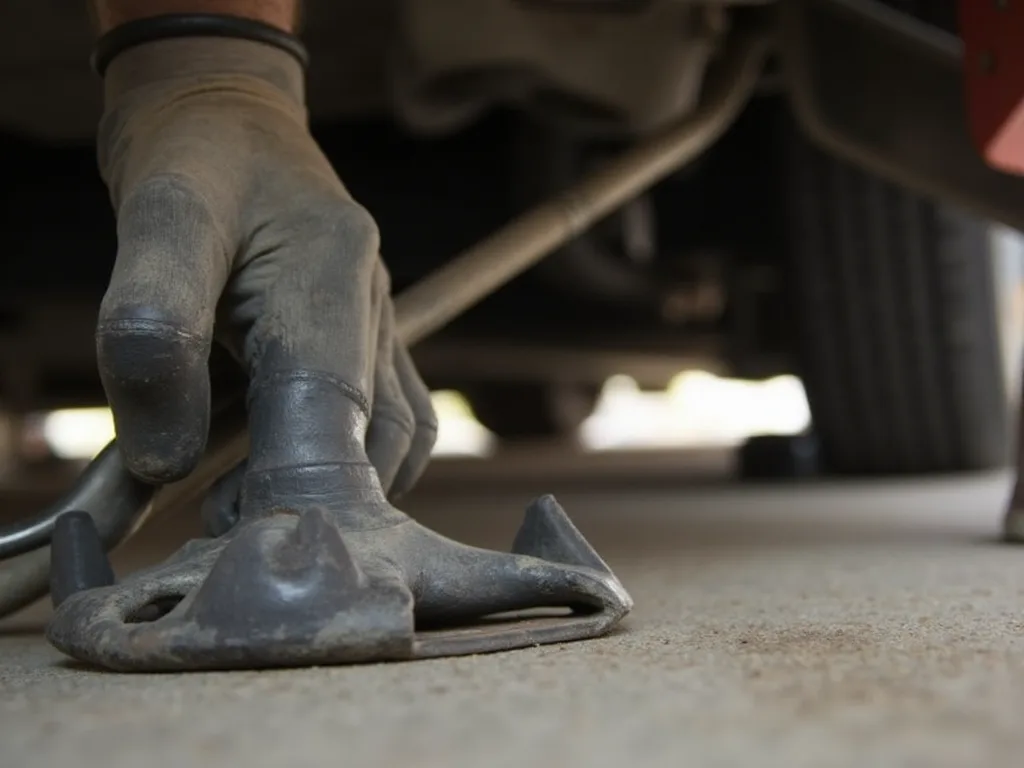
If you lift your vehicle for any reason during strut brace installation, jack stands are absolutely mandatory for safety. Never work under or around a vehicle supported only by a floor jack, as hydraulic jacks can fail without warning. Quality jack stands rated for at least 3 tons per pair provide a secure, stable support system that can save your life.
Place jack stands on solid frame points or designated jacking locations specified in your vehicle's owner's manual. The stands should be on level, solid ground—concrete is ideal. In Nashville, where many DIY mechanics work in residential garages or driveways, ensuring a stable, level surface is critical. Always give the vehicle a firm shake after placing it on jack stands to verify stability before beginning work.
Look for jack stands with a wide base, secure locking mechanism, and adjustable height. Ratcheting jack stands offer more precise height adjustment than pin-type stands, though both are safe when used correctly. Some mechanics prefer to use both jack stands and leave the floor jack in place as a backup safety measure, which is an excellent practice for added security.
Wheel Chocks
Wheel chocks are simple but essential safety devices that prevent your vehicle from rolling while you work. Even on seemingly level ground, vehicles can shift or roll, especially when you're applying force to loosen or tighten fasteners. Place wheel chocks behind the rear wheels (or front wheels if lifting the rear) before jacking up your vehicle.
Heavy-duty rubber or polyurethane wheel chocks are inexpensive and provide excellent grip on concrete or asphalt surfaces. In a pinch, wooden blocks can serve as makeshift chocks, but purpose-made chocks are more reliable and stable. For Nashville's climate, rubber chocks that won't degrade in heat or cold are ideal for long-term storage in your garage.
Specialized Tools for Challenging Installations
Spring Compressor
Most strut brace installations don't require removing the struts themselves, but some vehicles or specific strut brace designs may necessitate partial strut disassembly. If you need to remove the strut top mount or adjust strut position, a spring compressor is essential for safely compressing the coil spring and relieving tension on the strut assembly.
Coil springs store tremendous energy, and attempting to work on struts without proper compression can result in serious injury or death. Quality spring compressors come in two main types: internal compressors that fit inside the coil spring and external compressors that grip the outside of the spring. Internal compressors are generally safer and more stable, though they're also more expensive.
If your installation requires a spring compressor and you don't plan to do frequent suspension work, consider renting one from a local Nashville auto parts store rather than purchasing. Many AutoZone, O'Reilly Auto Parts, and Advance Auto Parts locations in the Nashville area offer tool rental programs that include spring compressors. Always follow the manufacturer's instructions carefully when using spring compressors, and never place any part of your body in the path of a compressed spring.
Pry Bar
A pry bar or small crowbar is invaluable for aligning bolt holes, separating components, and applying leverage during installation. Strut braces must align precisely with existing mounting holes, and slight misalignments are common due to manufacturing tolerances or chassis flex. A pry bar allows you to gently shift components into alignment without forcing or damaging parts.
Choose a pry bar with a flat, wide tip to distribute force and prevent damage to painted or finished surfaces. A length of 12 to 18 inches provides good leverage without being too large for engine bay work. Some mechanics prefer to have multiple pry bars in different sizes for various applications. Always use a pry bar against solid metal components, never against plastic or aluminum parts that can crack or deform.
Rubber Mallet
A rubber mallet is useful for persuading stubborn components into place without causing damage. Unlike metal hammers, rubber mallets deliver impact force without marring surfaces or deforming metal. You might use a rubber mallet to seat a strut brace into position, tap alignment pins into place, or encourage corroded bolts to break free when combined with penetrating oil.
A medium-weight rubber mallet (16 to 24 ounces) is ideal for automotive work. Dead-blow mallets, which have a hollow head filled with sand or shot, are even better as they deliver force without bouncing back, providing more controlled impacts. The non-marring properties of rubber mallets make them safe to use on painted strut towers and finished strut brace surfaces.
Impact Wrench
While not strictly necessary for strut brace installation, an impact wrench can significantly speed up the process of removing and installing fasteners. Cordless electric impact wrenches have become affordable and powerful enough for most automotive applications, with 18V or 20V models providing ample torque for suspension work.
Impact wrenches are particularly useful for dealing with corroded or over-torqued fasteners that resist manual tools. The hammering action of an impact wrench can break loose seized bolts that would be nearly impossible to remove with hand tools alone. However, never use an impact wrench for final tightening of critical fasteners—always finish with a torque wrench to ensure proper torque specifications are met.
If you're considering purchasing an impact wrench, look for models with adjustable torque settings and both forward and reverse operation. Brands like Milwaukee, DeWalt, and Makita offer professional-quality cordless impact wrenches that will serve you well for years of automotive projects. For Nashville DIYers who only occasionally need an impact wrench, Harbor Freight's Earthquake series offers surprisingly good performance at a budget-friendly price point.
Supplies and Consumables
Penetrating Oil
Penetrating oil is one of the most valuable supplies for any automotive project, especially in Nashville's humid climate where rust and corrosion are common on older vehicles. Products like PB Blaster, Liquid Wrench, or Kroil can work wonders on seized fasteners, potentially saving hours of frustration and preventing broken bolts.
Apply penetrating oil to all fasteners you plan to remove at least 15 to 30 minutes before beginning work, or ideally the night before installation. The oil needs time to seep into threads and break down corrosion. For extremely stubborn fasteners, multiple applications over several hours or days may be necessary. Keep a can of penetrating oil handy during installation for any unexpected seized bolts you encounter.
Some mechanics swear by homemade penetrating oil mixtures combining acetone and automatic transmission fluid in equal parts, which can be more effective than commercial products for severe corrosion. However, commercial penetrating oils are convenient, safe, and effective for most applications. Avoid using WD-40 as a penetrating oil—while it's excellent for moisture displacement and light lubrication, it's not formulated for breaking loose seized fasteners.
Thread Locker and Anti-Seize Compound
Thread locker (such as Loctite Blue 242) is a chemical compound that prevents fasteners from loosening due to vibration. While not always necessary for strut brace installations, applying medium-strength thread locker to mounting bolts can provide extra security and peace of mind, especially if you drive spiritedly or on rough roads around Nashville.
Anti-seize compound serves the opposite purpose—it prevents fasteners from seizing or corroding in place, making future removal much easier. Apply a thin coat of anti-seize to bolt threads before installation, particularly on steel bolts threading into aluminum strut towers. This is especially important in Nashville's climate, where temperature fluctuations and humidity can accelerate galvanic corrosion between dissimilar metals.
Use anti-seize sparingly, as excessive application can actually reduce clamping force and affect torque readings. A thin film on the threads is sufficient. Never use both thread locker and anti-seize on the same fastener—choose one based on your priority (preventing loosening versus preventing seizing). For most strut brace installations, anti-seize is the better choice to facilitate future removal if needed.
Replacement Hardware
Always inspect existing hardware before reusing it. Strut tower bolts and nuts undergo significant stress and may show signs of wear, corrosion, or damage. Having replacement bolts, nuts, and washers on hand ensures you won't be stuck mid-installation with damaged hardware. Many strut brace manufacturers include new hardware with their kits, but it's wise to have extras available.
Purchase replacement hardware from reputable sources, ensuring you get the correct grade and specifications. Suspension fasteners are typically Grade 8 or higher (metric Class 10.9 or 12.9) to handle the loads they experience. Never substitute lower-grade hardware, as this can lead to fastener failure and potentially dangerous situations. Nashville has several excellent fastener suppliers, including Fastenal locations and specialty automotive hardware stores, where you can get quality replacement bolts.
Keep a small container or magnetic tray to organize removed hardware during installation. This prevents losing small parts and helps you keep track of what came from where, which is especially important if different locations use different bolt sizes or lengths.
Shop Towels and Cleaning Supplies
Clean working conditions lead to better results. Shop towels or rags are essential for wiping down strut towers, cleaning bolt threads, and keeping your hands clean during installation. Brake cleaner or degreaser can help remove oil, dirt, and corrosion from mounting surfaces, ensuring proper contact between the strut brace and strut towers.
A wire brush is useful for cleaning corroded bolt threads and mounting surfaces. Clean threads allow for accurate torque readings and proper fastener engagement. For heavily corroded areas, a rotary wire brush attachment for a drill can save significant time and effort. Always blow out or wipe away debris after wire brushing to prevent contamination of bearings or other sensitive components.
Safety Equipment
Safety Glasses
Eye protection is non-negotiable when working on vehicles. Debris, rust particles, and metal shavings can fall into your eyes when working overhead in an engine bay. Safety glasses should meet ANSI Z87.1 standards and fit comfortably enough that you'll actually wear them throughout the installation process.
Consider safety glasses with side shields for maximum protection, or go with full safety goggles if you're working with particularly rusty or corroded components. Anti-fog coatings are helpful in Nashville's humid conditions, especially during summer months when working in a garage without air conditioning. Prescription safety glasses are available for those who wear corrective lenses, eliminating the need to wear safety glasses over regular glasses.
Work Gloves
Quality work gloves protect your hands from cuts, scrapes, and pinches while providing better grip on tools and components. Mechanic's gloves with reinforced palms and fingers offer good protection while maintaining dexterity for handling small fasteners and operating tools. Some mechanics prefer fingerless gloves or gloves with touchscreen-compatible fingertips for better tactile feedback.
Nitrile-coated gloves provide excellent grip and chemical resistance while being thin enough to maintain good feel. For heavy work like breaking loose seized fasteners, thicker leather or synthetic leather gloves offer better protection. Keep multiple pairs of gloves on hand, as they inevitably get dirty, oily, or torn during automotive work.
Knee Pads or Creeper Pad
While much of strut brace installation is done standing and leaning over the engine bay, you may need to kneel or crouch for extended periods, especially when accessing lower components or working from underneath the vehicle. Knee pads or a cushioned creeper pad can prevent knee pain and make the installation process much more comfortable.
Foam kneeling pads are inexpensive and effective for occasional use, while professional knee pads with straps are better for frequent automotive work. A mechanic's creeper with a padded surface is ideal if you need to work underneath the vehicle, allowing you to roll easily and work in comfort. Nashville's concrete garage floors can be particularly hard on knees during long projects, making padding a worthwhile investment.
Lighting and Visibility
Work Light or Flashlight
Adequate lighting is crucial for safe and accurate work, especially in the shadowy recesses of an engine bay. Even in a well-lit garage, strut towers and mounting points are often obscured by surrounding components, making a dedicated work light essential. LED work lights have become the standard, offering bright, cool illumination without the heat and fragility of incandescent bulbs.
Rechargeable LED work lights with magnetic bases or hanging hooks are particularly useful, as they can be positioned exactly where you need light without requiring an outlet or extension cord. Look for lights with adjustable brightness and a color temperature around 5000-6000K, which provides clear, daylight-like illumination that makes it easier to see details and identify different components.
A headlamp is an excellent supplement to stationary work lights, keeping your hands free while directing light exactly where you're looking. Modern LED headlamps are lightweight, bright, and comfortable enough to wear for extended periods. Having multiple light sources ensures you can always see what you're working on, regardless of the angle or position required.
Inspection Mirror
A telescoping inspection mirror allows you to see around obstacles and view bolt heads, alignment, and component positioning from angles that would otherwise be impossible. This simple tool can save significant time and frustration when trying to determine if bolts are properly seated or if components are correctly aligned before final tightening.
Look for an inspection mirror with LED lights built into the mirror head for illuminating dark areas. Adjustable mirrors with ball joints allow you to set the angle and have it stay in place, which is more convenient than mirrors that flop around. A magnetic base can be useful for positioning the mirror hands-free while you work.
Measurement and Marking Tools
Marker or Paint Pen
Marking tools help you document original positions, identify which bolts came from which locations, and mark alignment points before disassembly. A paint marker or industrial marker that writes on oily or dirty surfaces is ideal for automotive work. White or silver markers show up well on dark engine bay components, while bright colors like yellow or orange are highly visible.
Before removing any components, mark their orientation and position. This is especially important if you're removing any strut tower covers, brackets, or accessories that must be reinstalled in a specific orientation. Taking a few seconds to mark positions can save significant time and confusion during reassembly.
Tape Measure or Ruler
A tape measure or ruler is useful for verifying clearances, ensuring symmetric installation, and confirming that the strut brace is properly centered. Some installations require specific clearances between the strut brace and other components like the brake master cylinder, fuse box, or engine cover. Measuring these clearances before final tightening can prevent interference issues.
A small 6-inch or 12-inch ruler is often more convenient than a tape measure for checking clearances in tight engine bay spaces. Digital calipers provide even more precise measurements if you need to verify specific dimensions or check for proper alignment between mounting points.
Organization and Workspace Tools
Magnetic Parts Tray
A magnetic parts tray is one of the most useful organizational tools for any automotive project. It keeps bolts, nuts, washers, and small parts organized and prevents them from rolling away or getting lost. The magnetic base holds ferrous metal parts securely, even if the tray gets bumped or moved during installation.
Place the magnetic tray on a stable surface near your work area, or stick it to a metal surface like a toolbox or the vehicle's fender (with a fender cover to prevent scratches). Some mechanics use multiple trays to separate hardware from different stages of disassembly, making reassembly more straightforward. Magnetic trays are inexpensive and available at any auto parts store in Nashville.
Fender Covers
Fender covers protect your vehicle's paint from scratches, dings, and tool marks while you work. Leaning over the engine bay to access strut towers puts your body, tools, and the strut brace itself in contact with painted fender surfaces. A padded fender cover prevents damage and gives you peace of mind to focus on the installation rather than worrying about scratching your paint.
Quality fender covers are made from thick, padded material with a non-slip backing that stays in place during work. They should be large enough to cover the entire fender and part of the hood area where you might lean or place tools. Magnetic fender covers stay in place better than non-magnetic versions, though they only work on steel body panels, not aluminum or composite materials.
Work Bench or Mat
A clean work surface for laying out tools, parts, and the strut brace itself makes installation more organized and efficient. A portable work bench provides a stable surface for organizing components and can serve as a seat when you need a break. If a work bench isn't practical, a clean mat or tarp on the ground keeps parts clean and makes them easier to find.
Some mechanics use a large piece of cardboard or a dedicated parts mat with compartments for organizing hardware and small components. This is particularly useful if you're working in a driveway or outdoor space where small parts could easily disappear into grass or gravel. Keeping your workspace organized reduces the chance of losing critical hardware and makes the entire installation process smoother.
Vehicle-Specific Considerations
Different vehicles have different requirements for strut brace installation, and having the right tools depends partly on what you're working on. Japanese vehicles (Honda, Toyota, Nissan, Mazda, Subaru) typically use metric fasteners exclusively, with common sizes being 10mm, 12mm, 14mm, and 17mm. European vehicles (BMW, Mercedes-Benz, Volkswagen, Audi) also use metric fasteners but may require specialized tools like triple-square or Torx bits for certain applications.
American vehicles can use either metric or standard fasteners depending on the model year and specific component. Older American cars are more likely to use standard (SAE) sizes, while newer models have largely transitioned to metric. Before beginning your installation, research your specific vehicle to determine what fastener types and sizes you'll encounter.
Some vehicles have particularly tight engine bays that require removing multiple components before accessing strut towers. For example, many Subaru models require removing the air intake system and battery to access the driver's side strut tower. BMW vehicles often have complex plastic engine covers that must be carefully removed. Researching your specific vehicle and having the appropriate tools ready before starting will prevent frustration and delays.
Where to Source Tools in Nashville
Nashville offers excellent options for sourcing automotive tools, from budget-friendly options to professional-grade equipment. National chain auto parts stores like AutoZone, O'Reilly Auto Parts, and Advance Auto Parts have multiple locations throughout Nashville and surrounding areas, offering a good selection of basic tools and the ability to order specialty items for pickup or delivery.
For professional-quality tools, Harbor Freight Tools has several Nashville-area locations offering an extensive selection at competitive prices. While Harbor Freight's reputation is mixed, their Pittsburgh Pro and Icon tool lines offer excellent value and are backed by lifetime warranties. Their Earthquake impact wrenches and Quinn torque wrenches are particularly well-regarded in the automotive community.
Home improvement stores like Lowe's and Home Depot carry tool brands like Craftsman, Husky, and Kobalt, which offer good quality at reasonable prices with convenient warranty service. For premium tools, Tractor Supply Co. locations in the Nashville area carry brands like DeWalt and Irwin, while specialty tool retailers offer brands like Snap-on, Mac, and Matco, though at significantly higher price points.
Online retailers like Amazon, RockAuto, and Summit Racing offer vast selections and competitive pricing, often with fast shipping to Nashville. This can be particularly useful for specialty tools or when you need to compare prices across multiple brands. Many Nashville mechanics also find good deals on quality used tools through Facebook Marketplace, Craigslist, or local pawn shops, though buying used requires careful inspection to ensure tools are in good working condition.
Tool rental is an excellent option for expensive specialty tools you'll only use occasionally. Most AutoZone and O'Reilly locations in Nashville offer tool rental programs where you pay a deposit and get it refunded when you return the tool. This is ideal for items like spring compressors, torque wrenches, or specialty pullers that you might only need once or twice.
Tool Quality Considerations
When building your tool collection for strut brace installation and other automotive projects, quality matters significantly. Cheap tools can round off bolt heads, break under stress, or provide inaccurate torque readings, potentially causing damage to your vehicle or injury to yourself. However, you don't necessarily need to buy the most expensive professional-grade tools for occasional DIY work.
For tools that directly affect safety and critical specifications—particularly torque wrenches, jack stands, and floor jacks—invest in quality brands with good reputations. These tools are worth the extra cost because failure can have serious consequences. For general hand tools like sockets, wrenches, and screwdrivers, mid-range brands offer excellent value and performance for DIY use.
Look for tools with lifetime warranties, which indicate manufacturer confidence in their products and provide long-term value. Many mid-range brands like Craftsman, Tekton, and GearWrench offer lifetime warranties and replacement programs. Keep your receipts and warranty information organized so you can take advantage of these programs if tools fail or break.
Chrome vanadium or chrome molybdenum steel tools offer good strength and durability for automotive applications. Avoid tools made from cheap steel that can bend or break under normal use. Quality tools have clean, precise machining with tight tolerances, ensuring proper fit on fasteners and reducing the risk of rounding bolt heads.
Preparing Your Workspace
Before beginning your strut brace installation, properly preparing your workspace is just as important as having the right tools. Choose a level, stable surface with adequate space to work around the vehicle. A garage is ideal, providing protection from weather and good lighting, but a driveway or carport can work if weather conditions are favorable.
Ensure you have adequate lighting from multiple angles. Nashville's summer heat can make working in a closed garage uncomfortable, so consider timing your installation for cooler morning or evening hours, or use fans to maintain air circulation. In winter, a space heater can make working conditions more comfortable, though be cautious about using heaters near flammable materials like gasoline or penetrating oil.
Organize your tools before starting, laying out everything you'll need within easy reach. This prevents having to stop mid-installation to search for tools and helps you identify if you're missing anything before you begin. Having a clean, organized workspace also reduces the risk of losing small parts or hardware.
Clear the area around your vehicle of any obstacles, tools, or materials that could create tripping hazards. You'll be moving around the vehicle frequently during installation, and a clear workspace prevents accidents. If working in a shared garage or driveway, ensure other household members know you're working and to avoid the area for safety.
Documentation and Reference Materials
Having proper documentation readily available during installation is crucial for success. Your vehicle's factory service manual contains torque specifications, component locations, and specific procedures for your exact make and model. While factory service manuals can be expensive, they're invaluable resources for serious DIY mechanics. Digital versions are often available at lower cost than printed manuals.
The strut brace manufacturer's installation instructions should be your primary guide for the installation process. Read through these instructions completely before beginning work to familiarize yourself with the steps and identify any special requirements or warnings. Many manufacturers provide installation videos on YouTube or their websites, which can be extremely helpful for visual learners.
Online forums and communities specific to your vehicle make and model are excellent resources for tips, common issues, and solutions from other owners who have completed similar installations. Nashville has an active automotive enthusiast community, and local car clubs often have members willing to provide advice or assistance for DIY projects. Websites like Reddit's MechanicAdvice community can also provide helpful guidance.
Take photos throughout the installation process, particularly before removing any components. These photos serve as reference during reassembly and can be invaluable if you need to consult with others about any issues you encounter. Modern smartphones make it easy to document every step of the process without needing a separate camera.
Common Installation Challenges and Tool Solutions
Even with proper tools and preparation, strut brace installations can present challenges. Understanding common issues and having the right tools to address them can save significant time and frustration. One of the most common problems is seized or corroded fasteners, particularly on older vehicles or those exposed to road salt and harsh weather conditions.
For seized fasteners, the combination of penetrating oil, heat (from a heat gun or propane torch, used carefully), and proper leverage from a breaker bar usually succeeds. In extreme cases, you may need to use a bolt extractor set if a bolt head rounds off or breaks. Having a quality extractor set on hand can save a project when a critical fastener fails.
Alignment issues are another common challenge. Strut braces must align precisely with existing mounting holes, and slight misalignments can make installation difficult or impossible. A pry bar, rubber mallet, and patience are your best tools for addressing alignment issues. Never force bolts into misaligned holes, as this can strip threads or crack components. Instead, use leverage to shift components into proper alignment before inserting fasteners.
Clearance problems can occur when a strut brace interferes with other engine bay components like brake fluid reservoirs, fuse boxes, or engine covers. Careful measurement before final tightening can identify clearance issues while they're still easy to address. Sometimes, adjusting the orientation of the strut brace or using different mounting holes (if provided) can resolve clearance problems.
Some vehicles have plastic strut tower caps or covers that must be removed before installation. These plastic components can become brittle with age, especially in Nashville's temperature extremes, and may crack during removal. Having replacement clips or fasteners available can prevent delays if original hardware breaks. Gentle heat from a heat gun can make brittle plastic more pliable and less likely to crack during removal.
Post-Installation Inspection and Testing
After completing your strut brace installation, thorough inspection and testing ensure everything is properly installed and functioning correctly. Use your torque wrench to verify that all fasteners are tightened to the manufacturer's specified torque values. This is critical for both safety and performance—under-torqued fasteners can loosen during driving, while over-torqued fasteners can strip threads or crack components.
Visually inspect all mounting points to ensure the strut brace is seated properly and making full contact with strut towers. Check for any gaps or misalignments that could indicate improper installation. Verify that the strut brace has adequate clearance from all surrounding components and that nothing is pinched, rubbing, or under stress.
Reinstall any components you removed during installation, such as engine covers, air intake components, or battery hold-downs. Double-check that all electrical connections are secure and that no wiring is pinched or routed improperly. Start the engine and listen for any unusual noises that might indicate interference or improper installation.
Take the vehicle for a test drive on varied road surfaces, starting with low speeds in a safe area like a parking lot or quiet residential street. Listen and feel for any unusual noises, vibrations, or handling characteristics. The strut brace should improve handling response and reduce body roll without introducing any negative effects. If you notice any problems, return home and reinspect the installation before driving further.
After your first drive, recheck all fasteners to ensure they haven't loosened. It's good practice to retorque all bolts after 50-100 miles of driving, as initial settling can sometimes cause slight loosening. This final check ensures your installation remains secure for long-term use.
Maintenance and Long-Term Care
Once your strut brace is installed, periodic inspection and maintenance ensure it continues to function properly. During regular vehicle maintenance or oil changes, take a moment to visually inspect the strut brace for any signs of damage, loosening, or corrosion. Check that all fasteners remain tight and that the brace hasn't shifted or developed cracks.
In Nashville's climate, where humidity and temperature fluctuations can promote corrosion, consider applying a protective coating to exposed metal surfaces of the strut brace. Clear coat, wax, or specialized metal protectants can help prevent rust and maintain the appearance of your strut brace. Aluminum strut braces are less susceptible to corrosion but can still benefit from occasional cleaning and protection.
If you notice any unusual noises, handling changes, or visible damage to the strut brace, inspect it immediately and address any issues. A damaged or improperly secured strut brace can negatively affect handling and potentially cause safety issues. Most problems can be resolved by retightening fasteners or inspecting for interference with other components.
Keep your installation tools properly maintained and stored for future use. Clean tools after each use, removing oil, dirt, and debris. Store tools in a dry location to prevent rust, and periodically inspect them for wear or damage. Torque wrenches should be stored at their lowest setting to maintain calibration, and they should be recalibrated periodically according to manufacturer recommendations.
Building Your Automotive Tool Collection
Installing a strut brace is an excellent entry point into DIY automotive work, and the tools you acquire for this project will serve you well for many future projects. As you gain experience and confidence, you can gradually expand your tool collection to tackle more complex modifications and maintenance tasks.
Start with quality basic tools and add specialized equipment as needed for specific projects. This approach spreads the cost of building a tool collection over time and ensures you're buying tools you'll actually use. Many experienced mechanics recommend buying the best quality you can afford for tools you'll use frequently, while budget options are acceptable for tools you'll only use occasionally.
Consider investing in a quality tool chest or storage system to keep your growing collection organized and protected. Proper storage extends tool life and makes it easier to find what you need when starting a project. Nashville's humidity can cause tools to rust if stored improperly, so consider using silica gel packets or tool chest dehumidifiers in your storage area.
Join local automotive enthusiast groups or online communities to learn from experienced mechanics and DIYers. Nashville has active car clubs for virtually every make and model, and members often share tools, knowledge, and assistance for projects. These communities can be invaluable resources for learning new skills and discovering which tools are most useful for your specific vehicle and interests.
When to Seek Professional Help
While strut brace installation is generally straightforward and well within the capabilities of most DIY enthusiasts, there are situations where professional assistance is advisable. If you encounter severely seized fasteners that won't break loose despite proper tools and techniques, a professional shop has specialized equipment like air-powered impact wrenches and cutting tools that can resolve the issue without damaging your vehicle.
If your vehicle requires strut disassembly or spring compression and you're not comfortable working with compressed springs, professional installation is the safer choice. Coil springs store tremendous energy and can cause serious injury if not handled properly. The cost of professional installation is worthwhile compared to the risk of injury from improper spring compression.
Some vehicles have complex engine bay layouts that require removing numerous components to access strut towers. If you're not confident in your ability to properly remove and reinstall these components, or if the installation instructions seem beyond your skill level, professional installation ensures the job is done correctly. Nashville has numerous reputable performance shops and general automotive service centers that can install strut braces, often at reasonable rates.
If you begin installation and encounter unexpected problems, don't hesitate to seek help rather than forcing the issue. Online forums, local car clubs, or professional mechanics can often provide guidance or assistance. It's better to ask for help than to damage your vehicle or compromise safety by proceeding incorrectly.
Cost Considerations and Budgeting
The total cost of tools and equipment for strut brace installation varies widely depending on what you already own and the quality level you choose. If you're starting from scratch, expect to invest between $200 and $500 for a basic but adequate tool set including sockets, wrenches, torque wrench, jack, and jack stands. This initial investment pays dividends over time as you use these tools for numerous automotive projects.
Budget-conscious DIYers can reduce costs by purchasing tools gradually, borrowing from friends or family, or using tool rental programs for expensive specialty items. Many Nashville-area auto parts stores offer free tool loan programs for specific tools, allowing you to complete your project without purchasing tools you may only use once.
Compare the cost of purchasing tools versus paying for professional installation. If professional installation costs $100-200 and you'd need to spend $300-400 on tools, the math might initially favor professional installation. However, owning tools enables you to perform future maintenance and modifications yourself, potentially saving thousands of dollars over the life of your vehicle ownership.
Watch for sales and promotions at tool retailers, particularly around major holidays when deep discounts are common. Black Friday, Father's Day, and back-to-school periods often feature significant tool sales. Harbor Freight regularly offers coupons and promotions that can reduce tool costs substantially. Signing up for email lists from tool retailers ensures you're notified of sales and special offers.
Environmental and Safety Considerations
Responsible automotive work includes proper handling and disposal of materials and chemicals. Penetrating oils, degreasers, and other chemicals should be used in well-ventilated areas and stored properly when not in use. Nashville has several household hazardous waste collection facilities where you can dispose of used chemicals, contaminated rags, and other materials that shouldn't go in regular trash.
Used shop towels contaminated with oil or chemicals should be stored in a sealed metal container to prevent spontaneous combustion, which can occur with oil-soaked rags. Many automotive service centers and parts stores accept used oil and contaminated materials for proper disposal or recycling.
Always work in a well-ventilated area, especially when using aerosol products like brake cleaner or penetrating oil. These products can produce harmful fumes in enclosed spaces. If working in a garage, open doors and windows or use fans to maintain air circulation. Carbon monoxide from running engines is deadly—never run your engine in an enclosed space without proper ventilation.
Protect the environment by containing spills and preventing chemicals from entering storm drains or soil. Use drip pans or cardboard under your work area to catch any drips or spills. Nashville's storm drains lead directly to local waterways, so preventing contamination protects the Cumberland River and local ecosystems.
Final Thoughts on Tool Selection and Installation Success
Successfully installing a strut brace on your vehicle in Nashville requires careful planning, the right tools, and attention to detail. By investing in quality tools and taking the time to prepare properly, you can complete this modification safely and effectively, enjoying improved handling and the satisfaction of DIY automotive work.
The tools you acquire for strut brace installation form the foundation of a versatile automotive tool collection that will serve you for years to come. Each project you complete builds your skills and confidence, opening the door to more advanced modifications and maintenance tasks. The Nashville automotive community is supportive and welcoming to DIY enthusiasts, offering resources, advice, and camaraderie for those who enjoy working on their vehicles.
Remember that safety should always be your top priority. Never compromise on safety equipment or procedures to save time or money. Proper tools, adequate lighting, stable vehicle support, and protective gear are non-negotiable elements of safe automotive work. Take your time, follow instructions carefully, and don't hesitate to seek help when needed.
Whether you're installing a strut brace to improve your daily driver's handling for Nashville's varied roads, preparing a weekend track car, or simply enjoying the process of automotive modification, having the right tools makes all the difference. With the comprehensive tool list and guidance provided in this article, you're well-equipped to tackle your strut brace installation with confidence and achieve professional-quality results.
The investment you make in quality tools and proper preparation pays dividends not only in the success of this project but in every future automotive endeavor. As you gain experience and expand your capabilities, you'll find that the skills and tools acquired through projects like strut brace installation open up a world of possibilities for maintaining, modifying, and enjoying your vehicle to its fullest potential.