Table of Contents
Replacing intake gaskets is one of the most critical maintenance procedures that vehicle owners and professional mechanics encounter. Whether you're dealing with a coolant leak, vacuum leak, or loss of engine performance, a failing intake gasket demands immediate attention. However, the success of this repair hinges not just on technical skill, but on having the proper tools and equipment at your disposal. This comprehensive guide explores everything you need to know about the tools, equipment, and best practices for replacing intake gaskets safely and effectively.
Understanding Intake Gaskets and Why They Fail
Before diving into the tools required, it's essential to understand what intake gaskets do and why they're so important. Intake gaskets create a seal between the intake manifold and the engine block or cylinder heads. This seal serves multiple critical functions: it prevents air leaks that would disrupt the air-fuel mixture, stops coolant from leaking into the combustion chamber or onto the ground, and maintains proper vacuum pressure throughout the engine's intake system.
Intake gaskets fail for several reasons. Heat cycling causes the gasket material to expand and contract repeatedly, eventually leading to deterioration. Chemical degradation occurs when gaskets are exposed to engine oil, coolant, and combustion byproducts over time. Improper installation during previous repairs, including over-torquing or under-torquing bolts, can compromise gasket integrity. Age and mileage naturally wear down even the highest-quality gaskets.
Understanding these failure modes helps you appreciate why using the correct tools and following proper procedures is so crucial.
Complete Socket and Wrench Set Requirements
A comprehensive socket set forms the foundation of any intake gasket replacement job. You'll need both metric and standard (SAE) sockets, as different vehicle manufacturers use different measurement systems. Most modern vehicles use metric fasteners, but older American vehicles often require standard sizes. Your socket set should include sizes ranging from 8mm to 19mm (or 5/16" to 3/4" in standard measurements) to handle the various bolts securing the intake manifold.
Deep sockets are particularly valuable for intake gasket work because many intake manifold bolts sit recessed in the manifold or cylinder head. A deep socket allows you to reach these bolts without interference from surrounding components. Invest in both 3/8-inch and 1/4-inch drive socket sets, as the smaller 1/4-inch drive provides better access in tight spaces while the 3/8-inch drive offers more torque for stubborn fasteners.
Extension bars in various lengths (3-inch, 6-inch, and 10-inch) are indispensable for reaching bolts in difficult locations. Many intake manifolds have bolts positioned beneath fuel rails, wiring harnesses, or other components that make direct access impossible. Universal joints (U-joints) or swivel sockets allow you to approach bolts at angles, which is often necessary when working around obstacles in the engine bay.
Don't overlook the importance of quality ratchets. A fine-tooth ratchet with 72 or more teeth requires less swing arc to operate, making it ideal for confined spaces. Consider having both standard-length and stubby ratchets in your toolkit, as the shorter stubby ratchets excel in tight quarters where a full-size ratchet won't fit.
The Critical Importance of a Torque Wrench
If there's one tool that separates amateur repairs from professional-quality work, it's the torque wrench. Intake manifold bolts must be tightened to precise specifications measured in foot-pounds (ft-lbs) or Newton-meters (Nm). Over-tightening can crack the intake manifold, strip threads, or crush the gasket, creating the very leaks you're trying to prevent. Under-tightening leaves gaps that allow air, coolant, or oil to escape.
For intake gasket replacement, a 3/8-inch drive torque wrench with a range of 10 to 150 ft-lbs covers most applications. Click-type torque wrenches are the most popular and reliable option for DIY mechanics and professionals alike. When the preset torque value is reached, the wrench produces an audible click and a tactile release, signaling you to stop applying force.
Beam-type torque wrenches offer a more affordable alternative and never require calibration, but they're harder to read accurately and require you to watch the gauge while tightening. Digital torque wrenches provide the most precise readings and often include features like multiple measurement units, memory functions, and LED displays, though they come at a premium price point.
Regardless of which type you choose, proper torque wrench technique is essential. Always pull the wrench smoothly rather than jerking it. Apply force perpendicular to the wrench handle, not at an angle. After reaching the specified torque, never use the torque wrench to loosen bolts, as this can damage the calibration mechanism. Many intake manifold bolt patterns require a specific tightening sequence, typically starting from the center and working outward in a spiral or cross pattern to ensure even pressure distribution across the gasket.
Gasket Removal and Surface Preparation Tools
Proper surface preparation is absolutely critical for intake gasket replacement success. Even microscopic remnants of old gasket material can create leak paths, so you need the right tools to achieve perfectly clean mating surfaces. A dedicated gasket scraper with a sharp, flat blade makes quick work of removing old gasket material. Look for scrapers with replaceable blades so you can maintain a sharp edge throughout the job.
Plastic razor blades and composite scrapers offer a safer alternative for aluminum surfaces, which are easily scratched or gouged. Many modern engines use aluminum intake manifolds and cylinder heads, and even minor scratches can compromise the seal. Plastic scrapers are firm enough to remove gasket material but soft enough to avoid damaging the metal underneath.
Rotary abrasive pads designed for use with power drills can speed up the cleaning process significantly. These Scotch-Brite style pads remove gasket residue without scratching aluminum surfaces when used properly. Use them at low speeds and with light pressure, frequently checking your progress to avoid removing metal. Never use wire wheels or aggressive grinding discs on gasket surfaces, as these will create scratches that prevent proper sealing.
Razor blades in a holder provide precision for removing stubborn gasket material in corners and tight spots. Single-edge razor blades work well on cast iron surfaces but should be used cautiously on aluminum. Always scrape in a direction that pushes material away from gasket surfaces rather than into them.
After mechanical removal of gasket material, chemical cleaners complete the preparation process. Gasket remover sprays soften stubborn residue, making it easier to scrape away. Brake cleaner or carburetor cleaner removes oil, grease, and final traces of gasket material, leaving surfaces perfectly clean. Acetone works well for final cleaning but evaporates quickly, so work in small sections. Always use these chemicals in well-ventilated areas and wear appropriate protective equipment.
Pry Bars, Separators, and Manifold Removal Tools
Once you've removed all the fasteners, the intake manifold often remains stubbornly stuck to the engine due to gasket adhesion, corrosion, or sealant. This is where pry bars and separation tools become essential. However, using these tools incorrectly can cause expensive damage, so understanding proper technique is crucial.
A set of pry bars in various lengths and angles gives you options for different access points. Look for pry bars with smooth, rounded edges rather than sharp points that can gouge aluminum. Many mechanics prefer using plastic or composite pry bars for intake manifold removal because they're less likely to cause damage even if they slip.
When using a pry bar, always position it against a reinforced boss or thick section of the manifold, never against thin walls or mounting flanges. Apply steady, even pressure rather than sudden jerking motions. Work your way around the manifold, gently prying at multiple points to break the seal gradually. Never pry against the gasket surface itself, as this will create grooves that prevent proper sealing when you install the new gasket.
Rubber mallets provide another method for breaking gasket adhesion. Gentle taps on the sides of the intake manifold can break the seal without risking damage. Always strike reinforced areas and use controlled force. Some mechanics use wooden blocks between the mallet and manifold for additional protection.
For particularly stubborn manifolds, manifold separator tools thread into bolt holes and use mechanical advantage to push the manifold away from the engine. These tools eliminate the risk of prying damage and provide controlled, even separation force. While not necessary for every job, they're invaluable when dealing with manifolds that have been in place for many years or were installed with excessive sealant.
Precision Measuring and Inspection Tools
Professional-quality intake gasket replacement goes beyond simply swapping parts. Inspection and measurement ensure the underlying surfaces are suitable for gasket installation and help identify problems that could cause premature failure. A straightedge at least 12 inches long allows you to check the flatness of both the intake manifold and cylinder head gasket surfaces. Place the straightedge across the surface in multiple directions and use feeler gauges to measure any gaps underneath.
Feeler gauges consist of thin metal blades in precise thicknesses, typically ranging from 0.001 to 0.035 inches. If you can slide a feeler gauge thicker than 0.003 inches under your straightedge, the surface may be warped beyond acceptable limits and require machining. Warped surfaces won't seal properly no matter how carefully you install the gasket.
A dial indicator or depth gauge helps measure bolt hole depths and identify damaged threads. Bolts that bottom out in their holes before properly clamping the manifold will never achieve correct torque. Thread chasers or taps clean and restore damaged threads in bolt holes, ensuring fasteners thread in smoothly and hold proper torque.
A bore scope or inspection camera allows you to examine areas you can't see directly, such as the intake ports, coolant passages, and the underside of the intake manifold. This can reveal carbon buildup, coolant contamination, or damage that might affect engine performance or indicate other problems requiring attention.
Specialized Screwdrivers and Hand Tools
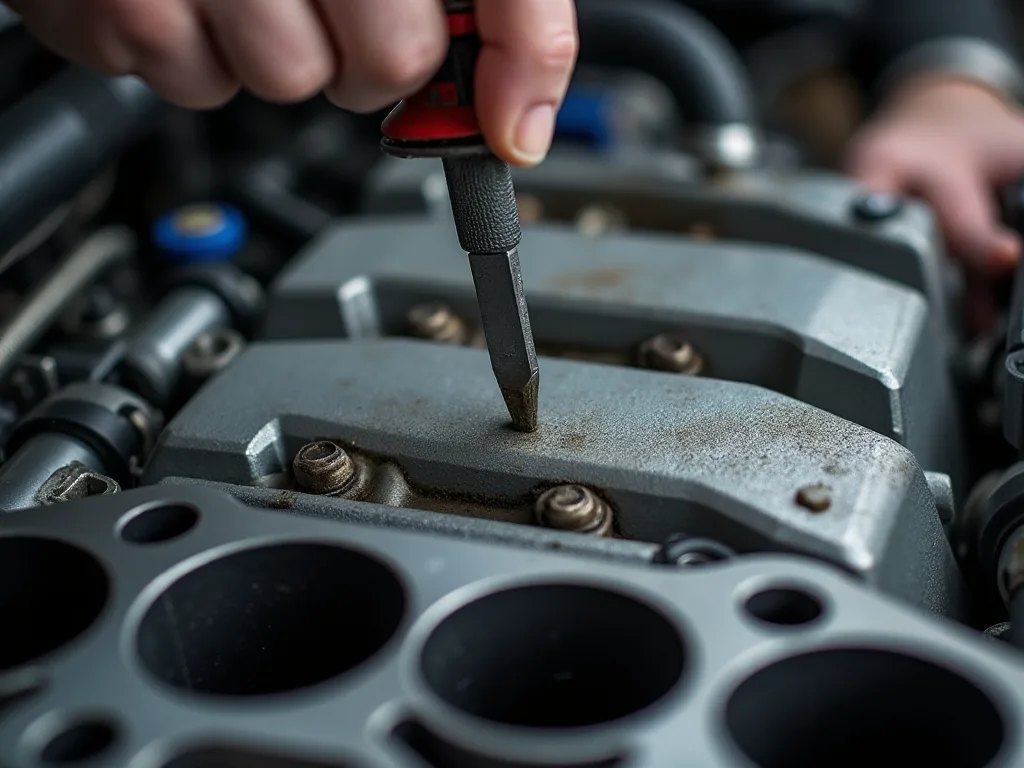
While sockets handle most fasteners during intake gasket replacement, various screwdrivers and specialty hand tools are necessary for related components. A comprehensive screwdriver set should include multiple sizes of both Phillips and flat-head screwdrivers. Many intake manifold jobs require removing throttle bodies, fuel rails, sensors, and brackets that use screws rather than bolts.
Stubby screwdrivers with short shafts provide access in tight spaces where standard-length screwdrivers won't fit. Magnetic-tip screwdrivers help prevent dropped screws from falling into the engine bay, where they can be difficult to retrieve and potentially cause damage if they end up in the wrong place.
Torx, hex, and specialty bit drivers are increasingly common on modern vehicles. Many manufacturers use Torx fasteners for their resistance to cam-out and ability to handle higher torque. A comprehensive bit set with 1/4-inch hex shanks that fit into a bit driver or socket adapter ensures you're prepared for whatever fasteners you encounter.
Needle-nose pliers excel at manipulating small parts, disconnecting vacuum lines, and retrieving dropped fasteners. Locking pliers (Vise-Grips) can grip rounded or damaged bolt heads that won't accept a socket. Hose clamp pliers make quick work of spring-type hose clamps on coolant lines. Wire cutters may be necessary for cutting zip ties that secure wiring harnesses.
A pick set helps with tasks like removing O-rings, prying out seals, and scraping gasket material from tight corners. Dental picks work well for precision cleaning work. However, use picks carefully to avoid scratching gasket surfaces or damaging soft aluminum components.
Cleaning Supplies and Surface Preparation Materials
Achieving a leak-free seal depends heavily on surface cleanliness. Even a thin film of oil can prevent proper gasket adhesion and create leak paths. Your cleaning supply arsenal should include multiple products for different stages of the cleaning process.
Engine degreaser removes heavy oil and grease buildup from the intake manifold and surrounding areas. Spray it on, let it dwell for the recommended time, then wipe or rinse away. This initial cleaning makes subsequent steps more effective and prevents contaminating your work area with old oil and grime.
Brake cleaner is the go-to solvent for final surface preparation. It evaporates quickly without leaving residue, making it ideal for cleaning gasket surfaces immediately before installation. Use brake cleaner liberally, spraying surfaces and wiping with clean, lint-free rags until the rags come away completely clean.
Carburetor cleaner works similarly to brake cleaner but is formulated to dissolve carbon deposits and varnish. It's particularly useful for cleaning intake ports and the underside of the intake manifold where fuel residue accumulates. Acetone provides another option for final cleaning and is especially effective at removing silicone residue from previous gasket installations.
Lint-free rags or shop towels are essential for wiping surfaces clean. Regular cloth rags can leave behind fibers that interfere with gasket sealing. Blue shop towels or white lint-free cloths designed for automotive use are worth the investment. Have plenty on hand, as you'll go through many during the cleaning process.
Compressed air blows away debris, dries surfaces after cleaning, and clears out bolt holes. If you don't have an air compressor, canned air works for smaller jobs. Always wear safety glasses when using compressed air, as debris can become airborne and cause eye injuries.
Safety Equipment and Personal Protection
Intake gasket replacement involves exposure to chemicals, sharp edges, hot surfaces, and heavy components. Proper safety equipment protects you from injury and makes the job more comfortable. Safety glasses or a full face shield should be worn throughout the entire job. Debris, chemicals, and metal particles can easily become airborne during gasket removal and cleaning.
Chemical-resistant gloves protect your hands from solvents, degreasers, and other harsh chemicals used during the repair. Nitrile gloves offer excellent chemical resistance while maintaining dexterity for detailed work. Keep a box of disposable gloves handy and change them frequently as they become contaminated or torn. For heavy work like manifold removal, switch to heavier mechanics gloves that provide cut and abrasion protection.
A respirator or dust mask is essential when scraping gaskets or using chemical cleaners in enclosed spaces. Old gasket material can contain asbestos in older vehicles, and even modern gasket materials create dust you shouldn't breathe. Chemical vapors from solvents can cause dizziness, headaches, and long-term health effects with repeated exposure. A half-face respirator with organic vapor cartridges provides excellent protection and is reusable.
Hearing protection may seem unnecessary for this type of work, but if you're using power tools for gasket removal or working in a busy shop environment, protecting your hearing prevents long-term damage. Foam earplugs or over-ear muffs are inexpensive insurance against hearing loss.
Work clothing should cover your arms and legs to protect against cuts, burns, and chemical exposure. Avoid loose clothing that can catch on tools or engine components. Steel-toed boots protect your feet if you drop heavy parts like the intake manifold. An apron or shop coat keeps chemicals off your regular clothes and provides convenient pockets for small tools and fasteners.
Lighting and Visibility Solutions
Adequate lighting transforms intake gasket replacement from a frustrating struggle into a manageable task. Engine bays are notoriously dark, with shadows cast by the hood and surrounding components. Proper lighting allows you to see fasteners clearly, inspect surfaces thoroughly, and avoid mistakes that lead to comebacks.
A high-quality LED work light provides bright, even illumination without the heat of traditional incandescent bulbs. Look for lights with magnetic bases that attach to the hood or fenders, freeing your hands for work. Adjustable stands allow you to position lights at optimal angles. Rechargeable LED lights eliminate the hassle of power cords and provide excellent runtime.
A headlamp keeps light directed exactly where you're looking, which is invaluable when working deep in the engine bay. Modern LED headlamps are lightweight, bright, and comfortable for extended wear. Choose one with multiple brightness settings and a tilting head for maximum versatility.
A flexible inspection light or gooseneck light can be positioned to illuminate specific areas that fixed lights can't reach. These lights bend and hold their position, providing targeted illumination for tasks like inspecting gasket surfaces or reading torque specifications in tight spaces.
For detailed inspection work, a bright flashlight with a focused beam helps you examine surfaces for scratches, warping, or remaining gasket material. A UV flashlight can reveal oil leaks and help verify that surfaces are completely clean, as many oils fluoresce under UV light.
Fluid Handling and Containment Equipment
Intake gasket replacement often involves draining coolant and dealing with residual fluids in the intake manifold and surrounding areas. Proper fluid handling equipment prevents spills, protects the environment, and keeps your work area clean. A large drain pan with a capacity of at least two gallons catches coolant when you disconnect hoses or remove the intake manifold. Choose a pan with a wide opening and low profile that slides easily under the vehicle.
A coolant funnel with an extended spout makes refilling the cooling system easier and reduces spills. Some funnels include adapters that fit various radiator necks and create a reservoir that helps purge air from the system during refilling. This is particularly valuable on vehicles prone to air pockets in the cooling system.
Shop towels and absorbent pads soak up spilled coolant, oil, and other fluids. Keep plenty within reach to quickly address spills before they spread. Oil-absorbent pads are specifically designed to absorb petroleum products while repelling water, making cleanup more efficient.
Plastic bags and containers organize and protect removed components. Bag sensors, brackets, and small parts to prevent loss and contamination. Label bags with their contents and location to simplify reassembly. Small parts organizers with multiple compartments keep fasteners sorted by size and location.
Fender covers and magnetic mats protect the vehicle's paint from tools and parts. A thick fender cover drapes over the fender and provides a padded surface for setting tools and components. Magnetic tool mats attach to the fender or hood and hold sockets, wrenches, and other metal tools within easy reach.
Diagnostic and Testing Equipment
Professional intake gasket replacement includes verification that the repair solved the original problem and didn't create new issues. Diagnostic equipment helps you test the repair before declaring the job complete. A vacuum gauge connects to a manifold vacuum port and measures engine vacuum. Proper vacuum readings confirm that the intake gasket is sealing correctly and no vacuum leaks exist. Low or fluctuating vacuum indicates leaks or other engine problems.
A cooling system pressure tester pressurizes the cooling system to check for leaks without running the engine. After installing the new gaskets and refilling the coolant, pump the tester to the pressure specified on the radiator cap. Watch the gauge for pressure drop and inspect all connections, gaskets, and hoses for leaks. This test reveals problems before you start the engine, when they're easier to fix.
An OBD-II scanner reads diagnostic trouble codes and monitors engine parameters. Before starting the repair, scan for codes to document the original problem. After completing the repair, clear the codes and verify they don't return. Monitor live data like coolant temperature, oxygen sensor readings, and fuel trims to confirm the engine is running properly.
A smoke machine introduces visible smoke into the intake system to reveal vacuum leaks that are otherwise invisible. This tool is particularly valuable for finding small leaks that don't trigger obvious symptoms but still affect engine performance. While professional smoke machines are expensive, affordable alternatives designed for DIY use have become available.
An infrared thermometer measures surface temperatures without contact. After running the engine, check that coolant is flowing properly by measuring temperatures at various points in the cooling system. Hot spots or cold spots indicate flow restrictions or air pockets that need attention.
Gasket Installation Tools and Materials
Installing the new gasket correctly is just as important as removing the old one and preparing the surfaces. Several tools and materials facilitate proper gasket installation. Gasket alignment pins thread into bolt holes and hold the gasket in perfect position while you lower the intake manifold into place. Without alignment pins, gaskets can shift during installation, creating misaligned ports or pinched coolant passages. You can purchase commercial alignment pins or make your own by cutting the heads off bolts and threading them into strategic bolt holes.
Some gaskets require sealant in specific locations, while others must be installed dry. Always consult the gasket manufacturer's instructions. When sealant is required, use the correct type. RTV silicone sealant comes in different formulations for different applications. Anaerobic sealants cure only in the absence of air, making them ideal for sealing bolt threads and machined surfaces.
Never use excessive sealant, as it can squeeze out into intake ports or coolant passages and cause problems.
A sealant application gun with a fine tip allows precise bead placement. Practice on cardboard to get a feel for the flow rate before applying sealant to engine components. Some mechanics prefer using their finger to smooth sealant beads, but this requires clean hands and can introduce contaminants. A plastic spreader or popsicle stick works better for smoothing sealant.
Thread sealant or anti-seize compound on bolts prevents corrosion and ensures accurate torque readings. However, use these products carefully, as they affect the friction between threads and can cause over-tightening if you're not aware of their effect. Some manufacturers specify dry threads, while others call for lubricated threads. Always follow the service manual specifications, as torque values are calibrated for specific thread conditions.
New bolts are often recommended for intake manifold installation, especially if the original bolts are torque-to-yield (TTY) fasteners designed for one-time use. TTY bolts stretch during tightening and don't provide proper clamping force if reused. Even standard bolts can develop stretched threads or corrosion that affects their performance. The cost of new bolts is minimal compared to the labor of redoing the job if old bolts fail.
Organization and Documentation Tools
Intake gasket replacement involves removing dozens of components, fasteners, and connections. Staying organized prevents lost parts, speeds reassembly, and reduces errors. A smartphone or camera documents the disassembly process. Take photos before disconnecting each component, capturing the routing of vacuum lines, wiring harness positions, and bracket locations. These photos serve as a reference during reassembly when your memory of the disassembly process has faded.
Label makers or masking tape and markers help identify components and their locations. Tag vacuum lines, wiring connectors, and hoses before disconnecting them. A simple labeling system prevents confusion and eliminates guesswork during reassembly. Some mechanics use colored tape or zip ties to create a color-coding system for different circuits or systems.
A magnetic parts tray keeps fasteners organized and prevents them from rolling away. Multiple trays allow you to separate bolts by location or size. Some trays include compartments or sections for additional organization. Magnetic bowls are particularly useful because they hold ferrous fasteners securely even if the tray is bumped or tilted.
A notebook or tablet for recording torque specifications, bolt sequences, and other critical information keeps important details at your fingertips. Write down the torque specs for each bolt location before you need them, so you're not searching through a service manual with greasy hands. Note any unusual findings, damaged components, or deviations from standard procedures for future reference.
Service manuals provide essential information including torque specifications, bolt tightening sequences, component locations, and troubleshooting procedures. Factory service manuals offer the most comprehensive and accurate information, while aftermarket manuals like Haynes or Chilton provide good coverage at lower cost. Online subscription services like AllData or Mitchell1 give access to professional-level service information for multiple vehicles.
Vehicle-Specific Considerations and Special Tools
While the tools discussed so far apply to most intake gasket replacements, some vehicles require specialized equipment. V-configuration engines often require removing the upper intake plenum before accessing the lower intake manifold and gaskets. This adds complexity and may require additional gaskets, longer extensions, and more time. Some V6 and V8 engines have intake manifolds that extend deep into the valley between cylinder banks, requiring extra-long extensions or special low-profile sockets.
Vehicles with variable valve timing or complex intake systems may require special tools to lock camshafts or crankshafts in position during the repair. Disturbing the timing components can lead to expensive engine damage if the timing is incorrect when you restart the engine. Consult the service manual to determine if timing locks or holding tools are necessary for your specific vehicle.
Some manufacturers use special fasteners that require proprietary tools. Triple-square bits, specialized Torx sizes, or unique bolt head designs prevent unauthorized repairs but also require you to obtain the correct tools before starting work. Research your specific vehicle before beginning to identify any special tool requirements.
Fuel system depressurization tools may be necessary on vehicles with high-pressure fuel injection systems. Modern direct-injection engines operate at extremely high fuel pressures that can cause injury if released suddenly. A fuel pressure gauge with a bleed valve allows you to safely depressurize the system before disconnecting fuel lines.
Engine support fixtures or load levelers help when intake manifold removal requires disturbing engine mounts or tilting the engine for access. These tools support the engine's weight and allow controlled positioning without straining components or creating safety hazards. While not needed for most intake gasket jobs, they're essential for certain vehicles where access is severely limited.
Setting Up an Efficient Workspace
Having the right tools is only part of the equation; organizing them in an efficient workspace makes the job proceed smoothly. A rolling tool cart keeps frequently used tools within arm's reach and moves with you as you work around the vehicle. Organize tools logically, with sockets in one drawer, wrenches in another, and specialty tools in a third. This organization saves time and frustration when you need a specific tool quickly.
A sturdy workbench provides a clean surface for inspecting components, cleaning parts, and organizing fasteners. Keep the bench clear of clutter so you have room to work. A bench vise holds components securely for cleaning or inspection. Pad the vise jaws with wood or aluminum soft jaws when holding finished surfaces to prevent damage.
Adequate ventilation is crucial when working with solvents and cleaners. If working indoors, ensure the garage door is open and consider using a fan to improve air circulation. Fumes from brake cleaner, carburetor cleaner, and other solvents can accumulate in enclosed spaces and cause health problems or create fire hazards.
A parts washer or cleaning tank makes cleaning large components like the intake manifold much easier. These tanks use solvent or aqueous cleaning solution to dissolve grease and grime. Brush the component while it's submerged, then rinse and dry. Parts washers are particularly valuable if you perform regular maintenance and repairs.
Fire extinguisher placement is a safety essential that's often overlooked. Keep a rated fire extinguisher within easy reach whenever working with flammable solvents or on vehicles with fuel systems. Know how to use it before you need it, and check the pressure gauge regularly to ensure it's charged and ready.
Step-by-Step Tool Usage for Intake Gasket Replacement
Understanding which tools to use at each stage of the repair helps you work efficiently and avoid mistakes. Begin by disconnecting the battery using a wrench or socket to remove the negative terminal. This prevents electrical shorts and protects sensitive electronics. Cover the disconnected terminal with a rag or terminal protector to prevent accidental contact.
Drain the coolant using a drain pan positioned under the radiator drain valve. Some vehicles require removing the lower radiator hose instead of using the drain valve. Have plenty of drain capacity, as most cooling systems hold one to three gallons of coolant. Dispose of old coolant properly at a recycling center or auto parts store that accepts used fluids.
Remove components blocking access to the intake manifold using appropriate screwdrivers, sockets, and wrenches. This typically includes the air intake duct, throttle body, fuel rail, wiring harnesses, vacuum lines, and various brackets. Take photos and label connections as you work. Place removed components in a clean area where they won't be damaged or contaminated.
Disconnect coolant hoses from the intake manifold using pliers to release hose clamps. Have rags ready to catch residual coolant. If hoses are stuck, carefully cut them with a utility knife rather than risk damaging the manifold or fittings by forcing them off. New hoses are inexpensive compared to damaged components.
Remove intake manifold bolts using the appropriate sockets and ratchet. Work systematically, loosening bolts in a pattern that prevents warping the manifold. Don't remove bolts completely in one pass; instead, loosen them gradually in stages. Keep bolts organized by location, as they may be different lengths or types in different positions.
Separate the intake manifold from the engine using pry bars or separation tools as discussed earlier. Work patiently and avoid forcing anything. Once the manifold is free, lift it carefully away from the engine. Intake manifolds are often heavier than they appear and may have sharp edges or protruding studs that can cause injury.
Remove old gasket material using scrapers, abrasive pads, and solvents. Work methodically to ensure all surfaces are perfectly clean. Inspect surfaces with a straightedge and feeler gauges to verify they're flat and undamaged. Clean bolt holes with a thread chaser and compressed air to remove debris that could affect torque readings.
Install the new gasket according to manufacturer instructions. Use alignment pins to hold the gasket in position. Apply sealant only if specified and only in the locations indicated. Lower the intake manifold carefully onto the gasket, ensuring it seats properly without shifting the gasket.
Install and tighten bolts following the specified sequence and torque values. Use your torque wrench for final tightening, working in stages if the specifications call for multiple torque steps. Some manufacturers specify an initial torque value, followed by an additional angle rotation measured in degrees. Angle torque requires a special angle gauge or torque wrench with angle measurement capability.
Reconnect all components, hoses, and wiring in reverse order of removal. Refer to your photos and labels to ensure everything goes back in the correct location. Double-check that all connections are secure and all fasteners are tightened. It's easy to overlook a connection in the excitement of nearing completion.
Refill the cooling system with the appropriate coolant mixture. Run the engine and monitor for leaks while it warms up. Watch the temperature gauge to ensure the engine doesn't overheat. Burp the cooling system to remove air pockets by opening bleeder valves or loosening hoses at high points while the engine runs. Top off the coolant as needed after the system is fully bled.
Common Mistakes and How Proper Tools Prevent Them
Many intake gasket replacement failures result from using incorrect tools or improper techniques. Understanding these common mistakes helps you avoid them. Using an impact wrench to tighten intake manifold bolts is a frequent error that leads to over-tightening, stripped threads, or cracked manifolds. Impact wrenches deliver sudden, high torque that can't be controlled precisely. Always use a torque wrench for final tightening to ensure proper clamping force.
Failing to clean gasket surfaces thoroughly leaves residue that creates leak paths. Rushing through surface preparation to save time almost always leads to comebacks. Invest the time to clean surfaces perfectly, and use proper scrapers and solvents rather than trying to shortcut the process with aggressive grinding or wire brushing.
Reusing old bolts when new ones are specified is false economy. Stretched or corroded bolts don't provide proper clamping force and can break during tightening or fail later. The cost of new bolts is minimal compared to the labor of redoing the job or the potential engine damage from a failed gasket.
Ignoring torque specifications and tightening sequences leads to uneven gasket compression, warped manifolds, and leaks. Every manufacturer specifies torque values and sequences for good reasons based on engineering analysis. Follow these specifications exactly, and use a properly calibrated torque wrench to achieve them.
Using the wrong type of gasket or sealant causes problems ranging from immediate leaks to long-term degradation. Gaskets are engineered for specific applications, and substituting a different gasket or using excessive sealant creates problems. Always use the gasket specified for your vehicle and follow the installation instructions provided with the gasket.
Damaging aluminum surfaces with metal scrapers or aggressive abrasives creates scratches that prevent proper sealing. Aluminum is soft and easily damaged, so use plastic scrapers and gentle abrasives on aluminum components. Take your time and work carefully to preserve the integrity of sealing surfaces.
Maintaining Your Tools for Long-Term Reliability
Quality tools represent a significant investment, and proper maintenance ensures they provide years of reliable service. Clean tools after each use to remove grease, dirt, and chemical residue. Wipe sockets and wrenches with a rag, and use solvent if necessary to remove stubborn grime. Dry tools thoroughly to prevent rust, especially if you've used water-based cleaners.
Store tools in a dry environment, preferably in a toolbox or cabinet that protects them from moisture and dust. Foam tool organizers keep sockets and wrenches organized while protecting them from damage. Silica gel packets in toolboxes absorb moisture and prevent rust in humid environments.
Calibrate torque wrenches annually or after heavy use to ensure accuracy. Most tool suppliers and automotive shops offer calibration services. Between calibrations, store torque wrenches at their lowest setting to relieve spring tension and maintain accuracy. Never use torque wrenches as breaker bars or for loosening fasteners, as this can damage the calibration mechanism.
Inspect tools regularly for damage, wear, or defects. Replace cracked sockets, worn ratchet mechanisms, or damaged screwdrivers before they fail during use. Using damaged tools risks injury and can damage vehicle components. Most quality tool brands offer lifetime warranties that cover defects and normal wear.
Lubricate moving parts on ratchets, breaker bars, and other tools according to manufacturer recommendations. A drop of light machine oil on ratchet mechanisms keeps them operating smoothly. Avoid over-lubricating, as excess oil attracts dirt and grime that can interfere with tool operation.
Building Your Tool Collection Strategically
If you're just starting to build a tool collection for automotive work, the comprehensive list in this article might seem overwhelming. The good news is that you don't need to purchase everything at once. Start with essential tools and add specialized equipment as your skills and needs grow.
Begin with a quality socket set, combination wrench set, screwdriver set, and torque wrench. These tools handle the majority of tasks in most repairs. Add a gasket scraper set, pry bars, and basic cleaning supplies. This foundation allows you to tackle intake gasket replacement on most vehicles.
Invest in quality for tools you'll use frequently. A good torque wrench, for example, is worth the premium price because it's critical for proper repairs and will last for decades with proper care. For tools you'll use occasionally, mid-grade quality offers good value without breaking the budget.
Watch for sales and promotions at tool suppliers. Many retailers offer significant discounts during holidays or special events. Tool trucks that visit repair shops often have financing options that make expensive tool purchases more manageable. However, avoid the temptation to buy tools you don't need just because they're on sale.
Consider borrowing or renting specialized tools for one-time use. Auto parts stores often have tool loan programs that provide free use of specialty tools with a refundable deposit. This allows you to access expensive equipment without the investment of purchasing tools you may never use again.
Join online forums and communities focused on your vehicle make or model. Experienced members can provide advice on which tools are essential for your specific vehicle and which can be skipped. They may also know about vehicle-specific quirks or challenges that affect tool selection.
Professional vs. DIY: When to Seek Help
While having the right tools makes intake gasket replacement possible for skilled DIYers, some situations call for professional assistance. If you lack the tools discussed in this article and would need to purchase most of them, the cost might exceed what a professional shop would charge for the repair. In this case, having a shop perform the work may be more economical.
Complex engine designs with limited access or requiring special procedures may be beyond the scope of DIY repair. Some vehicles require removing the engine or major components to access intake gaskets, turning a straightforward job into a major undertaking. Research your specific vehicle before committing to DIY repair to understand the scope of work involved.
If inspection reveals warped surfaces requiring machining, you'll need to take the components to a machine shop for resurfacing. Factor this additional cost and time into your decision. Some machine shops have minimum charges that make professional repair more attractive when machining is required.
Time constraints may make professional repair the better choice even if you have the tools and skills. Intake gasket replacement typically takes four to eight hours for an experienced DIYer, and longer if complications arise. If you need your vehicle back on the road quickly, a professional shop with multiple technicians and specialized equipment can often complete the work faster.
Consider your comfort level with the repair. If you're uncertain about any aspect of the procedure, seeking professional help prevents costly mistakes. There's no shame in recognizing the limits of your skills and equipment. You can always use the opportunity to watch and learn from a professional, building knowledge for future repairs.
Environmental and Safety Considerations
Intake gasket replacement involves materials and fluids that require proper handling and disposal. Used coolant contains heavy metals and chemicals that are toxic to humans, animals, and the environment. Never pour coolant down drains or onto the ground. Collect it in sealed containers and take it to a recycling center or auto parts store that accepts used coolant. Many facilities recycle coolant, recovering the ethylene glycol for reuse.
Dispose of used gaskets, rags contaminated with solvents, and other waste materials according to local regulations. Some materials may be classified as hazardous waste requiring special disposal procedures. Contact your local waste management authority for guidance on proper disposal methods in your area.
Use solvents and cleaners in well-ventilated areas to avoid inhaling harmful fumes. Many automotive chemicals contain volatile organic compounds (VOCs) that can cause health problems with repeated exposure. Consider switching to low-VOC or water-based alternatives when available. These products are safer for you and the environment while still providing effective cleaning.
Prevent spills by using appropriate containers and working carefully. Place absorbent pads under work areas to catch drips and spills. Clean up any spills immediately using absorbent materials, then dispose of contaminated materials properly. Preventing pollution is easier and more effective than cleaning it up after the fact.
Recycle metal components whenever possible. Old intake manifolds, brackets, and fasteners can be recycled at scrap metal facilities. Separating ferrous and non-ferrous metals often yields better recycling value. Recycling conserves natural resources and reduces the environmental impact of automotive repairs.
Troubleshooting Post-Repair Issues
Even with proper tools and careful work, issues can arise after intake gasket replacement. Knowing how to diagnose and address these problems saves time and prevents damage. If the engine runs rough or has a vacuum leak after the repair, verify that all vacuum lines are connected properly and that the intake manifold bolts are torqued correctly. Use a vacuum gauge to measure manifold vacuum and compare it to specifications. Low vacuum indicates a leak somewhere in the system.
Coolant leaks after the repair usually indicate improper gasket installation, damaged surfaces, or incorrect torque. Pressure test the cooling system to locate the leak source. If the leak is at the intake gasket, you'll need to remove the manifold and inspect the gasket and surfaces. Look for areas where the gasket didn't seal properly or where surfaces are damaged.
Overheating after intake gasket replacement often results from air pockets in the cooling system. Properly burp the system following the manufacturer's procedure. Some vehicles have specific bleeding procedures that must be followed to remove all air. Failure to bleed the system properly can cause overheating and potential engine damage.
Check engine lights or diagnostic trouble codes after the repair may indicate disconnected sensors, damaged wiring, or other issues. Scan for codes and address each one systematically. Common codes after intake work include mass airflow sensor codes, oxygen sensor codes, and evaporative emission codes. Verify that all sensors are connected and functioning properly.
Oil in the intake manifold or throttle body after gasket replacement suggests a PCV system problem or excessive crankcase pressure. While not directly related to the gasket replacement, these issues may become apparent after the repair. Check the PCV valve and hoses for proper operation. Excessive crankcase pressure can indicate worn piston rings or other internal engine problems.
Advanced Tips for Professional-Quality Results
Taking your intake gasket replacement to the next level requires attention to details that separate adequate repairs from excellent ones. Before installing the new gasket, test-fit the intake manifold to ensure it seats properly without the gasket in place. This verifies that nothing is preventing proper fitment and that the manifold isn't warped. The manifold should sit flat against the engine with minimal gaps.
Measure bolt lengths and compare them to specifications. Bolts that are too long can bottom out in blind holes before properly clamping the manifold. Bolts that are too short won't provide adequate thread engagement. Using the correct bolt lengths ensures proper clamping force and prevents damage.
Consider replacing related components while the intake manifold is removed. Thermostats, coolant hoses, PCV valves, and vacuum lines are easily accessible with the manifold off and may be due for replacement. Addressing these items now prevents having to remove the manifold again soon for additional repairs. The incremental cost of parts is minimal compared to the labor savings.
Clean the intake manifold thoroughly inside and out before reinstalling it. Carbon deposits in the intake runners reduce airflow and performance. Use carburetor cleaner and brushes to remove deposits, then rinse and dry the manifold completely. A clean intake manifold improves engine performance and prevents contamination of the new gaskets.
Document your work with photos and notes for future reference. Record the torque specifications, bolt sequence, and any unusual findings. This documentation helps if you need to perform the repair again or troubleshoot problems later. It's also valuable if you sell the vehicle, as maintenance records increase resale value.
Allow adequate curing time for sealants before starting the engine. Most RTV silicone sealants require 24 hours to fully cure, though some achieve handling strength in one hour. Starting the engine before sealant cures can cause it to squeeze out or fail to seal properly. Patience at this stage prevents leaks and ensures long-term reliability.
Resources for Further Learning
Expanding your knowledge about intake gasket replacement and automotive repair in general makes you more capable and confident. Factory service manuals provide the most detailed and accurate information for your specific vehicle. These manuals include torque specifications, diagnostic procedures, wiring diagrams, and troubleshooting guides. While expensive, they're invaluable resources for serious DIY mechanics.
Online forums dedicated to your vehicle make or model connect you with experienced owners and mechanics who have performed the same repairs. Search forum archives for threads about intake gasket replacement on your specific vehicle. You'll find tips, tricks, and warnings about common pitfalls. Don't hesitate to ask questions; most forum members are happy to help fellow enthusiasts.
YouTube channels focused on automotive repair offer visual demonstrations of techniques and procedures. Watching someone perform the repair helps you understand the process and anticipate challenges. Look for channels that focus on quality repairs rather than shortcuts, as proper technique is essential for long-lasting results. Some excellent resources include ScannerDanner for diagnostic techniques and South Main Auto for real-world repair procedures.
Technical training courses at community colleges or vocational schools provide hands-on instruction in automotive repair. These courses teach proper techniques, tool usage, and diagnostic procedures in a structured environment. Even if you don't pursue automotive repair as a career, the knowledge gained makes you a more capable DIY mechanic.
Tool manufacturer websites and catalogs often include technical information about proper tool selection and usage. Many manufacturers produce educational content explaining when and how to use specific tools. This information helps you make informed purchasing decisions and use your tools correctly.
Automotive technology websites like AA1Car offer detailed technical articles about engine systems, diagnostic procedures, and repair techniques. These resources help you understand the theory behind the repairs, making you better equipped to diagnose problems and perform quality work.
Conclusion: Success Through Preparation and Proper Equipment
Replacing intake gaskets safely and effectively requires more than mechanical aptitude; it demands the right tools, proper techniques, and attention to detail. The comprehensive tool collection outlined in this guide equips you to handle intake gasket replacement on most vehicles with professional-quality results. From basic hand tools like socket sets and torque wrenches to specialized equipment like gasket scrapers and surface preparation tools, each item plays a crucial role in the repair process.
Remember that tools are investments in your capability and the quality of your work. Quality tools last for decades and make repairs easier, faster, and more reliable. While the initial investment may seem substantial, the ability to perform your own repairs saves money over time and provides the satisfaction of maintaining your vehicle to the highest standards.
Safety should never be compromised. Use proper personal protective equipment, work in well-ventilated areas, and follow manufacturer procedures. Take your time, stay organized, and don't hesitate to seek professional help when a repair exceeds your capabilities or equipment. The goal is a successful repair that restores your vehicle to reliable operation, not a rushed job that leads to comebacks or additional problems.
As you gain experience with intake gasket replacement and other repairs, your tool collection will grow to match your expanding skills. Each repair teaches valuable lessons about technique, problem-solving, and the importance of proper preparation. The knowledge and capabilities you develop serve you throughout your vehicle ownership experience, saving money and providing the confidence that your vehicle is maintained correctly.
Whether you're a DIY enthusiast tackling your first intake gasket replacement or an experienced mechanic looking to refine your toolkit, the information in this guide provides a solid foundation for success. With the right tools, proper techniques, and careful attention to detail, you can perform intake gasket replacement safely and achieve results that rival professional shops. The investment in quality tools and the time spent learning proper procedures pay dividends in reliable repairs and the satisfaction of work done right.