Table of Contents
The Importance of Team Coordination in Executing Nashville Race Strategies
In the high-stakes world of competitive racing, few venues present the unique challenges and opportunities that Nashville offers. From the iconic streets of Music City to the demanding circuits that wind through Tennessee's diverse terrain, Nashville has established itself as a premier destination for racing events that test both individual skill and collective teamwork. At the heart of every successful race performance lies a fundamental principle that separates champions from competitors: effective team coordination. This comprehensive guide explores the critical role that team coordination plays in executing winning Nashville race strategies, examining the methodologies, best practices, and real-world applications that define excellence in competitive racing environments.
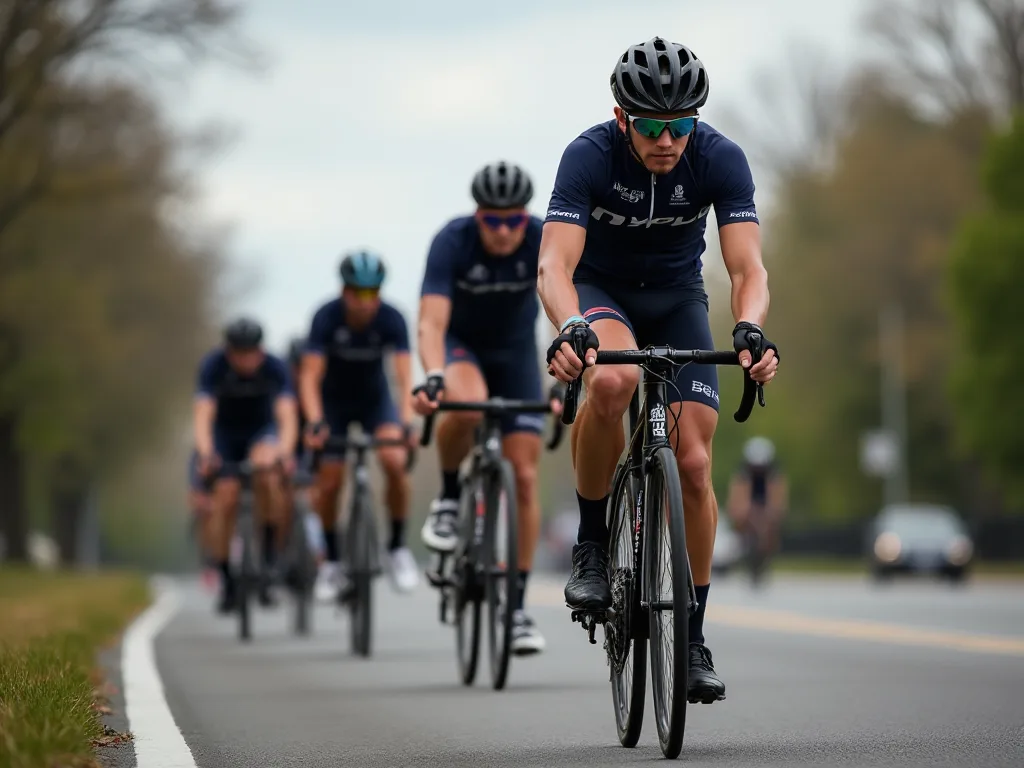
The racing landscape in Nashville encompasses everything from professional motorsports to endurance running events, cycling competitions, and multi-discipline relay races. Regardless of the specific format, one constant remains: teams that communicate effectively, synchronize their efforts, and adapt seamlessly to changing conditions consistently outperform those that rely solely on individual talent. Understanding how to build, maintain, and optimize team coordination is not merely an advantage—it is an essential requirement for success in Nashville's competitive racing scene.
Understanding the Nashville Racing Environment
Before delving into the specifics of team coordination, it is essential to understand what makes Nashville's racing environment unique. The city's topography, urban infrastructure, and cultural significance create a distinctive backdrop that demands specialized strategies and heightened levels of team synchronization.
Geographic and Terrain Challenges
Nashville's racing courses present a diverse array of challenges that require teams to coordinate across multiple dimensions. The city's rolling hills create elevation changes that impact pacing strategies, energy conservation, and positioning decisions. Urban street courses demand precise navigation through tight corners, traffic management considerations, and constant awareness of changing road conditions. Teams must coordinate their approach to these geographic variables, ensuring that every member understands how terrain affects their specific role and responsibilities.
The Cumberland River adds another layer of complexity to certain race routes, creating microclimates and wind patterns that can significantly impact performance. Successful teams invest time in studying these environmental factors and developing coordination protocols that account for weather variations, temperature fluctuations, and humidity levels that characterize Nashville's climate throughout the racing season.
The Competitive Landscape
Nashville attracts top-tier competitors from across the nation and around the world. This elevated level of competition means that marginal gains achieved through superior team coordination can make the difference between podium finishes and mid-pack results. Teams must not only coordinate internally but also develop strategies for reading and responding to the coordination patterns of competing teams. This meta-strategic awareness requires sophisticated communication systems and a shared understanding of competitive dynamics that extends beyond individual performance metrics.
Why Team Coordination Matters in Racing Strategy
The importance of team coordination in racing cannot be overstated. While individual talent and physical conditioning form the foundation of competitive performance, the ability to function as a cohesive unit multiplies the effectiveness of these individual attributes. Team coordination transforms a collection of skilled athletes or drivers into a synchronized machine capable of executing complex strategies with precision and adaptability.
Strategic Complexity and Execution Precision
Modern race strategies involve multiple moving parts that must align perfectly for optimal results. In team-based racing formats, coordination ensures that pacing strategies are executed consistently, that transitions between team members occur smoothly, and that energy reserves are managed efficiently across the entire team. A single miscommunication or coordination failure can cascade into significant time losses or strategic disadvantages that prove impossible to overcome.
Consider a relay race scenario where one team member pushes too hard early in their leg, depleting energy reserves that were meant to be conserved for a later strategic surge. Without proper coordination and communication, subsequent team members may not adjust their pacing accordingly, resulting in a suboptimal overall performance. Conversely, teams that maintain constant communication can make real-time adjustments that optimize performance across all legs of the race.
Competitive Advantage Through Synchronization
In closely contested races, the margin between victory and defeat often comes down to fractions of seconds or split-second decisions. Teams that have invested in developing superior coordination capabilities can execute tactical maneuvers that less coordinated teams cannot replicate. This might include perfectly timed breakaways, coordinated drafting strategies, or synchronized responses to competitor moves that neutralize potential threats before they materialize into significant advantages.
The psychological impact of strong team coordination should not be underestimated. When team members trust that their colleagues will execute their roles flawlessly, individual confidence increases, stress levels decrease, and decision-making improves. This psychological advantage compounds the tactical benefits of coordination, creating a virtuous cycle that elevates overall team performance.
Risk Management and Problem Solving
Racing inherently involves risk, and unexpected challenges arise in virtually every competitive event. Mechanical failures, physical setbacks, weather changes, and competitor actions can all disrupt even the most carefully crafted race plans. Teams with strong coordination protocols can identify problems quickly, communicate issues effectively, and implement contingency plans with minimal disruption to overall strategy.
A well-coordinated team functions as a distributed problem-solving network where multiple perspectives and skill sets can be brought to bear on emerging challenges. This collective intelligence enables faster, more effective responses than any individual could achieve in isolation. In Nashville's dynamic racing environment, this adaptive capacity often determines which teams successfully navigate adversity and which teams see their strategies unravel under pressure.
Fundamental Elements of Successful Team Coordination
Building effective team coordination requires attention to multiple interconnected elements that work together to create a cohesive operational framework. Understanding and implementing these fundamental components provides the foundation upon which successful Nashville race strategies are built.
Clear and Effective Communication Systems
Communication forms the backbone of team coordination. In racing contexts, communication must be clear, concise, and timely to be effective. Teams must establish communication protocols that function reliably under the stress and physical demands of competitive racing. This includes determining what information needs to be communicated, when it should be shared, and through what channels it will be transmitted.
Modern racing teams employ multiple communication modalities to ensure redundancy and reliability. Radio communication systems allow real-time voice contact between team members and support staff. Hand signals and visual cues provide backup communication methods when audio systems fail or when noise levels make verbal communication difficult. Pre-established code words and phrases enable rapid transmission of complex information without lengthy explanations that consume valuable time and mental energy.
Effective communication is bidirectional, requiring both clear transmission and active listening. Team members must be trained not only to convey information accurately but also to confirm receipt and understanding of messages. Closed-loop communication protocols, where recipients repeat back critical information to confirm understanding, help prevent miscommunication that could compromise race strategy execution.
Clearly Defined Roles and Responsibilities
Ambiguity regarding roles and responsibilities represents one of the most common sources of coordination failure in team racing environments. Every team member must have a crystal-clear understanding of their specific duties, decision-making authority, and how their role interfaces with those of other team members. This clarity eliminates confusion, reduces decision-making delays, and ensures that all necessary functions are covered without redundant effort.
Role definition extends beyond primary responsibilities to include contingency assignments. Teams should establish clear protocols for who assumes additional duties if a team member is unable to fulfill their primary role due to injury, equipment failure, or other unforeseen circumstances. This redundancy planning ensures that coordination remains intact even when original plans must be modified on the fly.
In Nashville racing contexts, roles might include pace setters who control early race tempo, navigators who guide the team through complex course sections, strategists who monitor competitor movements and recommend tactical adjustments, and closers who execute final race segments with maximum intensity. Support roles such as equipment managers, medical personnel, and data analysts also play crucial coordination functions that enable on-course team members to focus on performance.
Comprehensive Strategic Planning
Effective coordination begins long before race day with thorough strategic planning that anticipates scenarios, establishes decision frameworks, and creates shared mental models of how the race should unfold. Strategic planning sessions should involve all team members, ensuring that everyone understands not only their individual role but also how all roles integrate into the overall race strategy.
Detailed race plans should address pacing strategies for different course sections, positioning objectives at key race milestones, energy management protocols, nutrition and hydration schedules, and tactical responses to various competitor scenarios. By working through these elements in advance, teams create a common reference framework that facilitates rapid decision-making during the race itself.
Strategic planning should also include scenario analysis where teams work through "what if" situations that might arise during competition. What happens if the lead competitor breaks away early? How should the team respond if weather conditions deteriorate? What adjustments are needed if a key team member underperforms or experiences equipment issues? By rehearsing responses to these scenarios, teams develop coordination reflexes that enable smooth execution under pressure.
Adaptability and Dynamic Adjustment
While thorough planning is essential, rigid adherence to predetermined plans often leads to suboptimal outcomes when race conditions deviate from expectations. The most successful teams balance strategic discipline with tactical flexibility, maintaining coordination while adapting to emerging circumstances. This requires establishing clear decision-making protocols that specify when and how strategic adjustments should be made.
Adaptive coordination depends on continuous situational awareness. Team members must monitor their own performance, track competitor positions and tactics, assess environmental conditions, and communicate relevant observations to the broader team. This distributed sensing capability enables teams to detect changes and opportunities that might not be visible from any single vantage point.
Decision authority for tactical adjustments should be clearly established during planning phases. Some decisions may require consensus or input from team leadership, while others may be delegated to specific team members based on their position or expertise. Clear authority structures prevent coordination breakdowns that occur when team members are uncertain about who has the authority to call for strategic changes.
Trust and Team Cohesion
Technical coordination systems and strategic frameworks can only function effectively when built upon a foundation of interpersonal trust and team cohesion. Team members must trust that their colleagues have the competence to execute their roles, the commitment to prioritize team success over individual glory, and the character to communicate honestly even when delivering difficult messages.
Building this trust requires time, shared experiences, and intentional team development activities. Training sessions that simulate race conditions and pressure situations help team members develop confidence in each other's abilities. Post-race debriefs that focus on learning rather than blame create psychological safety that encourages honest communication. Social activities that allow team members to connect on a personal level strengthen interpersonal bonds that translate into better coordination under competitive stress.
Team cohesion also involves developing a shared identity and common purpose that transcends individual goals. When team members see themselves as part of something larger than their personal performance, they naturally coordinate more effectively because they are intrinsically motivated to contribute to collective success. This shared identity becomes particularly important during difficult race segments when physical fatigue and mental stress might otherwise lead to coordination breakdowns.
Implementing Coordination Strategies for Nashville Races
Understanding coordination principles is only the first step; successful teams must translate these concepts into practical implementation strategies tailored to Nashville's specific racing environment. This section explores concrete approaches for building and maintaining coordination throughout the race preparation and execution cycle.
Pre-Race Preparation and Coordination Drills
Coordination excellence is built through deliberate practice long before race day arrives. Teams should incorporate coordination-specific drills into their training regimens, practicing communication protocols, role transitions, and tactical maneuvers under conditions that simulate race intensity. These drills might include timed transition practices, communication exercises conducted under physical stress, and scenario-based simulations that require rapid collective decision-making.
Course reconnaissance represents another critical pre-race coordination activity. Teams should walk or ride the Nashville race course together, discussing how terrain features, turns, and elevation changes will impact strategy and coordination requirements. This shared course knowledge creates common reference points that facilitate communication during the race itself. Instead of lengthy descriptions, team members can reference specific course landmarks that everyone recognizes.
Equipment checks and technical preparations should also be coordinated activities rather than individual responsibilities. When the entire team participates in pre-race equipment verification, everyone develops familiarity with all team gear, enabling faster problem-solving if equipment issues arise during competition. This collective technical knowledge also ensures that backup equipment and contingency plans are understood by all team members who might need to implement them.
Race-Day Coordination Protocols
The hours immediately preceding a race require careful coordination to ensure that all team members arrive at the starting line physically prepared, mentally focused, and operationally synchronized. Establishing and following consistent race-day routines helps teams maintain coordination even as pre-race nerves and excitement build.
Pre-race briefings should review the race strategy, confirm role assignments, verify communication systems, and address any last-minute questions or concerns. These briefings serve not only an informational function but also a psychological one, bringing the team together in a focused, unified mindset before competition begins. Some teams incorporate visualization exercises where members mentally rehearse the race and their coordination touchpoints, reinforcing neural pathways that will be activated during actual competition.
Warm-up activities should be coordinated to ensure that all team members reach optimal physical readiness at the same time. Staggered warm-ups might be necessary for teams with members who have different physiological preparation needs, but the timing should be orchestrated so that everyone converges at peak readiness as the race begins. This synchronized preparation extends to nutrition and hydration protocols, with teams following coordinated fueling strategies that support their collective race plan.
In-Race Coordination Execution
Once the race begins, coordination shifts from preparation to execution. Teams must maintain communication discipline, following established protocols while remaining alert to situations that require adaptive responses. Regular check-ins at predetermined course points help teams maintain situational awareness and confirm that the race strategy remains on track.
Information management becomes critical during races. Team members must filter the constant stream of sensory input and internal feedback to identify information that is relevant to team coordination. Not every observation needs to be communicated; effective teams develop judgment about what information is actionable and what constitutes noise that could distract from execution focus.
Support personnel play crucial coordination roles during races, providing external perspectives that on-course team members cannot access. Support staff can track overall race dynamics, monitor competitor strategies, manage timing and pacing data, and communicate strategic recommendations to the racing team. This support coordination requires its own communication protocols and role definitions to ensure that support activities enhance rather than distract from racer focus.
Post-Race Analysis and Coordination Improvement
Coordination development is an ongoing process that extends beyond individual races. Post-race debriefs provide invaluable opportunities to assess coordination effectiveness, identify breakdowns or near-misses, and capture lessons that can improve future performance. These sessions should examine both successful coordination moments and situations where coordination could have been better, always with a focus on learning rather than assigning blame.
Structured debrief frameworks help teams extract maximum value from post-race analysis. Questions might include: What coordination protocols worked well? Where did communication break down or become unclear? Were there situations where role ambiguity created confusion? Did the team adapt effectively to unexpected circumstances?
What coordination practices should be reinforced, and what needs to be modified for future races?
Data analysis complements qualitative debriefs by providing objective performance metrics that can reveal coordination patterns. Timing splits, position tracking data, and physiological metrics can be analyzed to assess whether coordination strategies produced intended results. For example, if the race plan called for maintaining a specific pace through a particular course section, data can confirm whether the team executed this coordination objective successfully.
Technology and Tools for Enhanced Coordination
Modern racing teams have access to sophisticated technologies that can significantly enhance coordination capabilities. Understanding and appropriately implementing these tools can provide competitive advantages, though technology should always serve coordination strategy rather than driving it.
Communication Technology
Radio communication systems have become standard equipment for many racing teams, enabling real-time voice contact between team members and support staff. Modern systems offer features such as noise cancellation, multiple channel options for different communication needs, and integration with other data systems. Teams must invest time in learning to use these systems effectively, as poor radio discipline can create more confusion than it resolves.
Wearable communication devices have evolved to become lighter, more reliable, and less intrusive than earlier generations of technology. Bone conduction headsets, for example, allow team members to hear communications clearly without blocking ambient sound awareness that is critical for safety and situational awareness. Teams should test communication equipment extensively under race-like conditions to ensure reliability when it matters most.
Performance Monitoring and Data Sharing
GPS tracking and performance monitoring devices enable teams to share real-time data about position, pace, heart rate, power output, and other performance metrics. This data visibility allows support staff to provide informed guidance and enables team members to coordinate pacing and effort distribution more precisely. However, teams must be thoughtful about how much data to share and when, as information overload can impair rather than enhance decision-making during races.
Integrated team dashboards that aggregate data from multiple team members provide a comprehensive view of team performance that no individual perspective can offer. Support staff monitoring these dashboards can identify coordination opportunities or emerging problems that might not be apparent to individual racers focused on their immediate performance. This external coordination support becomes particularly valuable during long races where mental fatigue can degrade individual awareness.
Planning and Strategy Tools
Digital planning tools enable teams to develop, document, and share race strategies more effectively than traditional paper-based approaches. Course mapping software allows teams to annotate race routes with strategic notes, coordinate reference points, and tactical waypoints. Scenario planning tools help teams work through contingency strategies and document decision trees that can be referenced during races.
Video analysis technology supports coordination development by allowing teams to review race footage and identify coordination successes and failures that might not have been apparent during the event itself. Teams can study their own coordination patterns as well as those of successful competitors, extracting insights that inform training and strategy refinement.
Common Coordination Challenges and Solutions
Even well-prepared teams encounter coordination challenges during Nashville races. Understanding common pitfalls and having strategies to address them can prevent minor issues from escalating into major performance problems.
Communication Breakdown Under Stress
Physical and mental stress during intense racing can degrade communication quality. Team members may revert to unclear language, forget to use established protocols, or fail to confirm message receipt. Preventing stress-induced communication breakdown requires extensive practice that builds communication habits strong enough to persist under pressure. Teams should deliberately practice communication during high-intensity training sessions when physical and mental stress approximates race conditions.
Simplifying communication protocols can also improve reliability under stress. Complex codes or lengthy messages are more likely to be garbled or forgotten when team members are operating at their physical limits. The most effective race communication tends to be brief, direct, and focused on actionable information rather than detailed explanations.
Role Confusion and Overlap
When multiple team members attempt to fulfill the same function or when critical responsibilities fall through gaps between defined roles, coordination suffers. Preventing role confusion requires not only clear initial role definition but also regular reinforcement and practice. Teams should periodically review role assignments and conduct exercises that test whether everyone understands their responsibilities and how they interface with other team members.
Dynamic role adjustments during races can introduce confusion if not managed carefully. When circumstances require shifting responsibilities, the change should be communicated explicitly to all affected team members, and confirmation should be obtained before proceeding. Implicit or assumed role changes are a common source of coordination failure.
Inadequate Adaptation to Changing Conditions
Teams sometimes fail to coordinate effectively when race conditions deviate from expectations. This can occur when teams are overly committed to predetermined plans or when decision-making authority for tactical adjustments is unclear. Building adaptive capacity requires establishing clear triggers and protocols for when and how strategies should be modified.
Empowering team members to call for strategic reviews when they observe significant deviations from expected conditions helps teams adapt more quickly. However, this empowerment must be balanced with discipline to prevent constant second-guessing that undermines strategic execution. Clear criteria for what constitutes a significant deviation requiring strategic adjustment helps teams strike this balance.
Technology Failures
Dependence on communication technology creates vulnerability when equipment fails. Batteries die, devices malfunction, and radio signals encounter interference. Teams must have backup coordination protocols that function without technology, ensuring that a technical failure does not result in complete coordination collapse. Regular practice using backup communication methods keeps these skills sharp and ready for deployment when needed.
Redundancy in critical systems provides insurance against technology failures. Carrying backup communication devices, having multiple team members equipped with key technology, and maintaining both high-tech and low-tech communication capabilities ensures that teams can maintain coordination even when primary systems fail.
Building a Coordination-Focused Team Culture
Sustainable coordination excellence requires more than implementing specific protocols or technologies; it demands cultivating a team culture that values and prioritizes coordination as a core competency. This cultural foundation ensures that coordination remains strong even as team composition changes or as the team faces new challenges.
Leadership and Coordination Modeling
Team leaders play a critical role in establishing coordination culture through their own behavior and priorities. Leaders who consistently model effective communication, demonstrate respect for defined roles and processes, and visibly prioritize team success over individual recognition set the tone for the entire team. Leadership commitment to coordination must be authentic and consistent, as team members quickly detect and respond to any disconnect between stated values and actual behavior.
Leaders should also create structures and incentives that reinforce coordination behaviors. Recognizing and celebrating coordination successes, incorporating coordination metrics into performance evaluations, and allocating training time to coordination development all signal that coordination is a genuine priority rather than merely aspirational rhetoric.
Continuous Learning and Improvement
A coordination-focused culture embraces continuous improvement, viewing every race and training session as an opportunity to refine coordination capabilities. This learning orientation requires psychological safety where team members feel comfortable acknowledging coordination failures and discussing how to improve without fear of blame or punishment.
Teams should study coordination practices from other high-performing teams, both within racing and in other domains where coordination is critical. Aviation crews, surgical teams, military units, and emergency response teams all offer insights into coordination excellence that can be adapted to racing contexts. This cross-domain learning helps teams avoid insularity and exposes them to coordination innovations they might not discover independently.
Onboarding and Integration
When new members join the team, their integration process should emphasize coordination protocols and team culture as much as technical skills and physical capabilities. New members should be explicitly taught communication systems, role definitions, strategic frameworks, and decision-making protocols. Pairing new members with experienced teammates for mentoring and shadowing accelerates their integration into the team's coordination patterns.
Teams should also periodically refresh coordination training for all members, not just newcomers. As teams evolve and gain experience, coordination practices can drift from established protocols or become stale. Regular refresher training keeps coordination skills sharp and provides opportunities to update protocols based on lessons learned from recent races.
The Impact of Coordination on Race Outcomes in Nashville
The theoretical importance of team coordination translates into tangible performance advantages in Nashville's competitive racing environment. Teams that excel at coordination consistently demonstrate superior race outcomes across multiple dimensions of performance.
Improved Time Performance
Well-coordinated teams execute race strategies more efficiently, eliminating wasted time from miscommunication, role confusion, or strategic indecision. Smooth transitions between team members, precisely executed pacing strategies, and rapid responses to tactical opportunities all contribute to faster overall times. In races where margins of victory are measured in seconds, the cumulative time savings from superior coordination often determine final standings.
Coordination also enables teams to maintain higher average speeds throughout races by optimizing energy distribution and minimizing performance variability. When team members coordinate pacing effectively, they avoid the boom-and-bust patterns that characterize less coordinated efforts, maintaining steadier output that produces better overall times.
Enhanced Strategic Flexibility
Coordinated teams can execute a wider range of tactical options than less coordinated competitors. This strategic flexibility allows teams to exploit opportunities that arise during races and to respond effectively to competitor moves. Teams that can seamlessly shift between different tactical approaches based on race dynamics gain significant competitive advantages over teams locked into rigid strategies.
The confidence that comes from strong coordination also enables teams to attempt more aggressive or innovative strategies. When team members trust that their colleagues will execute their roles effectively, they are more willing to commit to bold tactical moves that might fail without perfect coordination. This willingness to take calculated risks can produce breakthrough performances that conservative strategies cannot achieve.
Better Resource Management
Coordination enables more efficient use of team resources, including physical energy, equipment, and support personnel. Teams that coordinate energy expenditure across all members can maintain higher overall output than teams where some members overextend while others underperform. Coordinated equipment management ensures that mechanical issues are addressed quickly and that backup equipment is deployed efficiently when needed.
Support resource coordination ensures that assistance is provided where and when it is most needed. Rather than distributing support evenly regardless of need, coordinated teams can concentrate support resources at critical moments or for team members facing particular challenges, maximizing the impact of limited support capacity.
Reduced Error Rates
Coordination reduces both the frequency and severity of errors during races. Clear communication prevents misunderstandings that lead to tactical mistakes. Defined roles ensure that critical functions are not overlooked. Strategic planning and scenario preparation enable teams to avoid common pitfalls that trap less prepared competitors. When errors do occur, coordinated teams detect and correct them more quickly, minimizing their impact on overall performance.
The error-reduction benefits of coordination extend beyond race day to encompass preparation and training activities. Coordinated equipment preparation reduces the likelihood of mechanical failures during races. Coordinated training ensures that all team members develop the capabilities needed for their roles. Coordinated logistics prevent administrative errors that could result in missed starts or disqualifications.
Navigating Nashville's Unique Challenges
Nashville's specific racing environment amplifies the importance of coordination. The city's urban street courses require precise navigation and constant awareness of changing conditions. Teams must coordinate their approach to tight corners, traffic management, and course obstacles that can disrupt less coordinated competitors. The rolling terrain demands coordinated pacing strategies that account for elevation changes and their impact on energy expenditure.
Weather variability in Nashville creates another coordination challenge. Teams must coordinate their responses to temperature fluctuations, humidity changes, and precipitation that can significantly impact race conditions. Coordinated hydration and cooling strategies become critical during hot summer races, while coordinated equipment choices and pacing adjustments are essential when weather turns challenging.
The competitive depth of Nashville racing events means that small coordination advantages can produce significant results. When many teams have similar physical capabilities and technical skills, coordination becomes a key differentiator. Teams that invest in developing superior coordination capabilities position themselves to consistently outperform competitors with comparable individual talent but inferior collective execution.
Case Studies: Coordination Excellence in Action
Examining real-world examples of coordination excellence helps illustrate how theoretical principles translate into practical performance advantages. While specific team names and details may vary, the patterns of coordination success remain consistent across successful Nashville racing teams.
The Comeback Victory
One memorable Nashville race featured a team that fell significantly behind early due to an equipment malfunction. Rather than panicking or abandoning their strategy, the team executed a coordinated response that exemplified preparation and adaptability. The affected team member communicated the problem clearly and immediately. Support staff quickly deployed backup equipment while other team members adjusted their pacing to compensate for the time loss. The team modified their strategic approach, shifting from a conservative pacing strategy to a more aggressive pursuit plan that all members understood and committed to executing.
Throughout the remainder of the race, the team maintained disciplined communication and precise execution of their adjusted strategy. Each team member pushed to their limit while staying within the coordinated plan, avoiding the temptation to overextend individually in ways that would compromise overall team performance. The result was a dramatic comeback that culminated in a narrow victory achieved through superior coordination under pressure.
The Perfect Execution
Another example involved a team that executed their race strategy with near-perfect precision, demonstrating the power of thorough preparation and disciplined coordination. This team had invested months in developing their coordination capabilities, practicing communication protocols, rehearsing role transitions, and studying the Nashville course in detail. Their preparation included multiple scenario simulations that anticipated various race conditions and competitor strategies.
During the race, this preparation paid dividends as the team executed each element of their strategy exactly as planned. Pacing targets were hit consistently across all race segments. Transitions between team members occurred smoothly with no wasted time. When competitors attempted tactical moves, the team responded with coordinated countermeasures that neutralized threats while maintaining their own strategic plan. The race unfolded almost exactly as the team had envisioned during planning, resulting in a dominant performance that showcased coordination excellence.
The Adaptive Triumph
A third example highlighted the importance of adaptive coordination when race conditions deviated dramatically from expectations. Unexpected weather changes created course conditions that rendered the team's original strategy suboptimal. Rather than rigidly adhering to their plan, the team quickly recognized the changed circumstances and coordinated a strategic pivot.
The team's ability to adapt successfully stemmed from their coordination culture and protocols. Clear decision-making authority enabled rapid strategic adjustments without lengthy debates. Strong communication ensured that all team members understood the modified plan and their adjusted roles. Trust and cohesion meant that team members committed fully to the new strategy despite the uncertainty inherent in making significant changes during competition. The result was a victory that demonstrated coordination's role in enabling adaptive performance under unpredictable conditions.
Training Exercises to Develop Coordination Skills
Developing coordination excellence requires deliberate practice through targeted training exercises that build specific coordination capabilities. Teams should incorporate these exercises into regular training regimens to progressively enhance coordination skills.
Communication Drills
Communication drills focus on building clear, efficient information exchange under various conditions. Teams can practice radio communication while conducting high-intensity intervals, learning to convey information clearly even when breathing hard and physically stressed. Message relay exercises where information must pass through multiple team members help identify communication breakdowns and reinforce the importance of clear, concise messaging.
Noise-environment training, where teams practice communication in loud or chaotic settings, prepares them for race conditions where ambient noise may interfere with verbal communication. Visual communication drills that rely on hand signals and gestures provide backup capabilities when audio communication fails or is impractical.
Transition Practice
For relay-format races, transition practice is essential for developing smooth handoffs between team members. Teams should practice transitions repeatedly until they become automatic, eliminating wasted time and reducing the risk of errors during actual races. Transition practice should include various scenarios, such as transitions when the incoming team member is ahead of schedule, behind schedule, or experiencing difficulties.
Transition drills should also address the communication and coordination that occurs before, during, and after the physical handoff. How do team members signal their readiness? What information needs to be exchanged during the transition? How does the outgoing team member communicate relevant information about course conditions or competitor positions to the incoming member?
Scenario Simulations
Scenario-based training exercises present teams with challenging situations that require coordinated problem-solving and decision-making. These might include simulated equipment failures, unexpected competitor moves, weather changes, or team member performance issues. By working through these scenarios in training, teams develop coordination reflexes and decision-making patterns that can be activated during actual races.
Scenario simulations should be as realistic as possible, incorporating time pressure, physical stress, and incomplete information that characterize actual race conditions. After each simulation, teams should debrief to identify what coordination approaches worked well and what could be improved, extracting maximum learning value from the exercise.
Role Rotation Exercises
Having team members practice roles other than their primary assignment builds deeper understanding of how different roles interconnect and creates flexibility for handling unexpected circumstances. When team members understand the challenges and requirements of other roles, they communicate more effectively and coordinate more smoothly with colleagues filling those positions.
Role rotation also identifies hidden talents and creates backup capabilities. A team member who primarily fills one role might discover aptitude for a different function, providing strategic options the team had not previously considered. Additionally, cross-training ensures that the team can maintain coordination even if primary role assignments must be adjusted due to injury or other circumstances.
Pressure Testing
Coordination capabilities must be tested under conditions that approximate race pressure to ensure they will function when it matters most. Pressure testing might involve conducting coordination exercises when team members are physically fatigued, mentally stressed, or operating under time constraints. Introducing unexpected complications during training sessions helps teams develop the resilience to maintain coordination when plans go awry.
Competitive simulation races against other teams provide valuable pressure testing opportunities. The competitive element introduces psychological stress similar to actual races, revealing coordination strengths and weaknesses that might not appear during non-competitive training. These simulations also allow teams to practice reading and responding to competitor coordination patterns in a lower-stakes environment.
Measuring and Evaluating Coordination Effectiveness
Continuous improvement in coordination requires systematic measurement and evaluation. Teams should establish metrics and assessment processes that provide objective feedback about coordination performance and identify specific areas for development.
Quantitative Coordination Metrics
Several quantitative metrics can provide insights into coordination effectiveness. Transition times in relay races offer direct measures of coordination efficiency. Communication frequency and response times during races indicate whether information is flowing effectively. Variance in pacing or performance across team members can reveal coordination issues in energy management or strategic execution.
Performance consistency across multiple races suggests strong coordination, as coordinated teams typically demonstrate more reliable execution than less coordinated competitors. Comparing actual race performance to planned strategies provides another quantitative assessment of coordination effectiveness—teams that consistently execute their plans as intended demonstrate superior coordination to those whose actual performance frequently deviates from intentions.
Qualitative Coordination Assessment
Qualitative assessment complements quantitative metrics by capturing coordination dimensions that are difficult to measure numerically. Post-race debriefs should include structured discussions of coordination effectiveness, with team members sharing their perspectives on what worked well and what could improve. Outside observers such as coaches or support staff can provide valuable external perspectives on coordination patterns that team members might not recognize from their internal vantage points.
Video review enables detailed qualitative analysis of coordination during races. Teams can observe their communication patterns, decision-making processes, and tactical execution, identifying specific moments where coordination excelled or broke down. Comparing video of the team's coordination to that of successful competitors can reveal best practices worth adopting.
Coordination Audits
Periodic comprehensive coordination audits provide systematic assessment of all coordination elements. These audits might evaluate communication systems and protocols, role definitions and understanding, strategic planning processes, decision-making frameworks, trust and team cohesion, and coordination training practices. Audits can be conducted internally or by external consultants who bring fresh perspectives and expertise from other high-performing teams.
Audit findings should drive targeted improvement initiatives that address identified coordination gaps. Rather than attempting to improve everything simultaneously, teams should prioritize the coordination elements that will produce the greatest performance gains and focus improvement efforts accordingly.
The Future of Team Coordination in Racing
As racing continues to evolve, coordination practices and technologies will advance, creating new opportunities for teams that stay at the forefront of coordination innovation. Understanding emerging trends helps teams prepare for the future of competitive racing in Nashville and beyond.
Advanced Technology Integration
Emerging technologies promise to enhance coordination capabilities in ways that were impossible just a few years ago. Artificial intelligence systems may soon provide real-time strategic recommendations based on analysis of race dynamics, competitor behavior, and team performance data. Augmented reality displays could overlay coordination information directly into team members' fields of vision, providing situational awareness without requiring attention shifts to separate devices.
Biometric monitoring systems are becoming more sophisticated, potentially enabling teams to coordinate not just based on external performance metrics but also on internal physiological states. Understanding each team member's real-time fatigue levels, stress responses, and recovery capacity could enable more nuanced coordination strategies that optimize performance across the entire team.
Data-Driven Coordination Optimization
The increasing availability of performance data and analytical tools enables more sophisticated, evidence-based approaches to coordination development. Teams can analyze patterns across multiple races to identify coordination practices that correlate with superior performance. Machine learning algorithms might detect subtle coordination patterns that human analysis would miss, revealing optimization opportunities that provide competitive advantages.
Predictive analytics could help teams anticipate coordination challenges before they occur, enabling proactive adjustments rather than reactive responses. By analyzing historical data about how coordination effectiveness varies under different conditions, teams can develop more robust strategies that maintain coordination even in challenging circumstances.
Cross-Domain Learning and Innovation
Racing teams increasingly look beyond their own domain for coordination insights and innovations. Collaboration with researchers studying team coordination in other fields brings scientific rigor and novel approaches to racing coordination challenges. Partnerships with technology companies accelerate the development and deployment of coordination-enhancing tools specifically designed for racing applications.
The most innovative teams will be those that actively seek coordination knowledge from diverse sources and adapt promising practices to their specific racing contexts. This openness to external learning, combined with rigorous testing and refinement, will drive the next generation of coordination excellence in competitive racing.
Practical Implementation Roadmap
For teams looking to enhance their coordination capabilities, a structured implementation approach increases the likelihood of success. This roadmap provides a framework for systematically developing coordination excellence over time.
Assessment and Baseline Establishment
Begin by honestly assessing current coordination capabilities. Where does the team excel, and where are there opportunities for improvement? Establish baseline metrics that will enable tracking progress over time. This initial assessment should involve all team members to ensure diverse perspectives are captured and to build shared understanding of coordination priorities.
Priority Setting and Planning
Based on the assessment, identify the highest-priority coordination improvements that will produce the greatest performance gains. Develop a detailed plan for addressing these priorities, including specific actions, responsible parties, timelines, and success criteria. Ensure the plan is realistic given available time and resources—attempting too much too quickly often results in incomplete implementation and disappointing results.
Systematic Implementation
Execute the coordination improvement plan systematically, introducing changes in manageable increments rather than attempting wholesale transformation overnight. Allow time for new coordination practices to be learned, practiced, and internalized before adding additional changes. Monitor implementation progress regularly and adjust the plan as needed based on what is and is not working.
Testing and Refinement
Test new coordination practices in training environments before deploying them in actual races. Use simulation races and pressure testing to validate that new approaches function effectively under race-like conditions. Be prepared to refine and adjust based on testing results—few coordination innovations work perfectly on the first attempt, and iteration is a normal part of the development process.
Continuous Evaluation and Evolution
Coordination development is never truly complete. Even after implementing initial improvements, continue evaluating coordination effectiveness and identifying new opportunities for enhancement. As the team gains experience and as racing conditions evolve, coordination practices should evolve as well. Maintain the learning orientation and improvement mindset that characterizes high-performing teams.
Resources for Coordination Development
Teams seeking to develop coordination capabilities can draw on various resources that provide knowledge, tools, and support for this journey. Understanding what resources are available and how to access them accelerates coordination development.
Educational Resources
Numerous books, articles, and online resources address team coordination in sports and other domains. Academic research on team dynamics, communication, and coordination provides evidence-based insights that can inform racing team practices. Sports psychology resources offer guidance on building trust, managing stress, and developing the mental skills that support effective coordination.
Organizations such as USA Triathlon and other racing governing bodies often provide educational programs and resources focused on team development and coordination. These resources are typically developed by experts with deep experience in competitive racing and offer practical, actionable guidance tailored to racing contexts.
Professional Coaching and Consulting
Professional coaches and consultants who specialize in team coordination can provide personalized guidance, objective assessment, and expertise that accelerates development. These professionals bring experience from working with multiple teams, enabling them to share best practices and help teams avoid common pitfalls. While professional support represents an investment, the performance gains often justify the cost for serious competitive teams.
Technology Platforms and Tools
Various technology platforms offer tools specifically designed to support team coordination in racing contexts. Communication systems, performance monitoring platforms, planning software, and data analysis tools can all enhance coordination capabilities when implemented thoughtfully. Teams should evaluate technology options based on their specific needs and coordination priorities rather than adopting technology simply because it is available.
Peer Learning and Community
Connecting with other racing teams provides opportunities for peer learning and knowledge sharing. Racing clubs, online communities, and local racing organizations facilitate these connections. While teams may be competitors on race day, many are willing to share coordination insights and learn from each other's experiences. This collaborative approach to coordination development benefits the entire racing community by raising overall performance standards.
For teams in the Nashville area specifically, local racing organizations and clubs provide valuable networking opportunities and access to coordination resources tailored to the unique characteristics of Nashville racing. Engaging with these local communities helps teams stay current on Nashville-specific coordination challenges and solutions.
Conclusion: Coordination as a Competitive Imperative
The importance of team coordination in executing Nashville race strategies cannot be overstated. In an increasingly competitive racing environment where marginal gains determine success, coordination represents one of the most significant opportunities for performance improvement. Teams that invest in developing superior coordination capabilities position themselves for sustained competitive advantage that compounds over time.
Effective coordination transforms individual talent into collective excellence, enabling teams to execute complex strategies with precision, adapt to changing conditions with agility, and overcome challenges with resilience. The coordination principles and practices outlined in this guide provide a comprehensive framework for building these capabilities, from fundamental communication systems to advanced technology integration and continuous improvement processes.
Success in Nashville racing requires more than physical conditioning and technical skill—it demands the ability to function as a cohesive unit where every member understands their role, communicates effectively, and commits to collective success. Teams that embrace coordination as a core competency and invest systematically in its development will find themselves consistently outperforming competitors with comparable individual capabilities but inferior collective execution.
The journey to coordination excellence is ongoing, requiring sustained commitment, deliberate practice, and continuous learning. However, the rewards—improved race performance, enhanced team satisfaction, and competitive success—make this investment worthwhile for any team serious about achieving their full potential in Nashville's dynamic racing environment.
As you move forward with your own team's coordination development, remember that excellence is built incrementally through consistent effort over time. Start with honest assessment of current capabilities, prioritize the improvements that will produce the greatest impact, implement changes systematically, and maintain the learning orientation that enables continuous evolution. By following this approach and applying the principles and practices outlined in this guide, your team can develop the coordination excellence that separates champions from competitors in Nashville racing and beyond.
Whether you are preparing for your first Nashville race or seeking to elevate an already successful team to new heights, investing in team coordination will pay dividends in performance, satisfaction, and competitive success. The teams that recognize coordination as a competitive imperative and act on this recognition will define the future of racing excellence in Nashville and set the standard that others aspire to achieve.