Table of Contents
Understanding Transmission Cooling Systems in Vehicle Rebuilds
When undertaking a vehicle rebuild, particularly for vehicles with sophisticated transmission systems, the cooling infrastructure represents one of the most critical components that demands careful attention. The transmission cooling system serves as the guardian against one of the most destructive forces in automotive mechanics: excessive heat. In Nashville, Tennessee, where the climate presents a unique combination of sweltering summer temperatures that regularly exceed 90 degrees Fahrenheit and winter conditions that can dip below freezing, the importance of a robust transmission cooling system cannot be overstated.
A properly functioning transmission cooling system does far more than simply prevent overheating. It maintains the delicate balance of fluid temperatures that allows your transmission to shift smoothly, protects internal components from thermal stress, and ensures that the transmission fluid maintains its optimal viscosity and lubricating properties. During a rebuild, when every component is being carefully inspected, replaced, or upgraded, the cooling system presents an ideal opportunity for enhancement and optimization.
For Nashville residents and automotive professionals working in the region, understanding the intricacies of transmission cooling systems during rebuilds is essential for ensuring long-term vehicle reliability, performance, and value retention. This comprehensive guide explores every aspect of transmission cooling systems, from their fundamental operation to advanced upgrade options specifically suited for Nashville's climate conditions.
The Critical Role of Transmission Cooling Systems
Transmission cooling systems function as the thermal management infrastructure for one of your vehicle's most complex and expensive components. The automatic transmission generates substantial heat through the friction of clutch packs engaging and disengaging, the hydraulic pressure system operating, and the torque converter multiplying engine power. Without adequate cooling, transmission fluid temperatures can quickly escalate to dangerous levels that compromise the fluid's ability to lubricate, cool, and hydraulically actuate the transmission's internal mechanisms.
Modern automatic transmissions typically operate most efficiently when fluid temperatures remain between 175 and 200 degrees Fahrenheit. When temperatures exceed 220 degrees Fahrenheit, the transmission fluid begins to break down at an accelerated rate. For every 20-degree increase above the optimal operating temperature, the lifespan of transmission fluid can be cut in half. At temperatures exceeding 260 degrees Fahrenheit, transmission seals begin to harden and crack, clutch materials deteriorate rapidly, and metal components can experience warping or scoring.
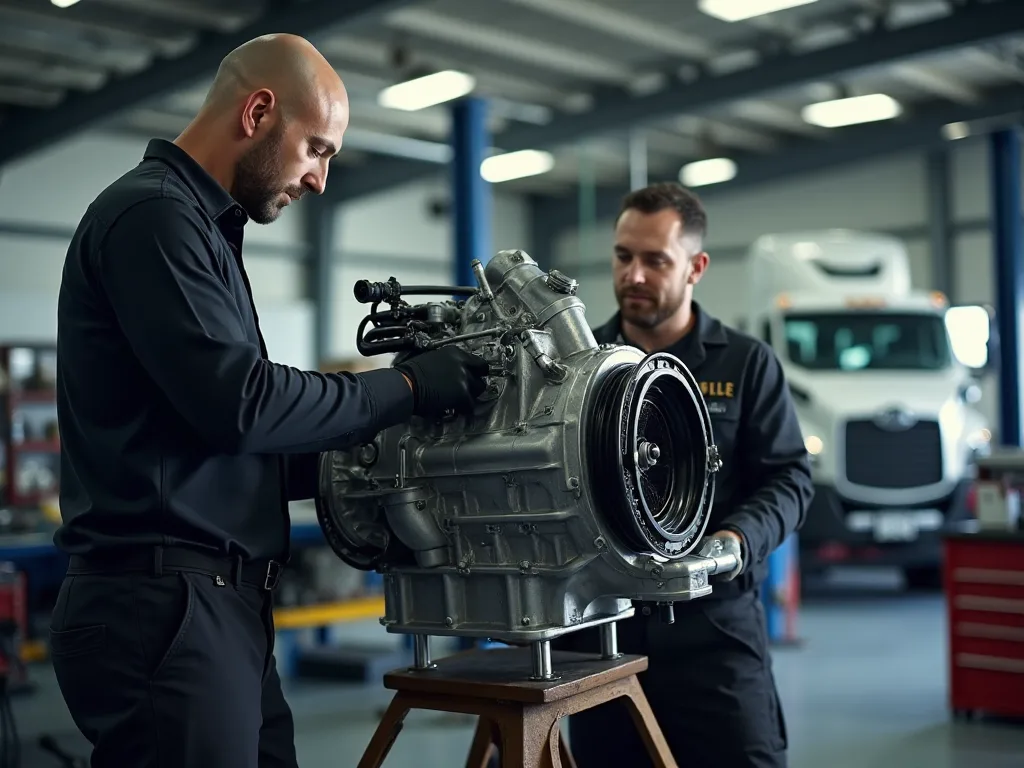
During a transmission rebuild, mechanics disassemble the entire unit, inspect every component for wear or damage, replace worn parts, install new seals and gaskets, and reassemble the transmission to factory specifications or better. This process represents the perfect opportunity to evaluate the existing cooling system's adequacy and implement improvements that will protect the substantial investment being made in the rebuild itself.
Nashville's Climate and Its Impact on Transmission Performance
Nashville's humid subtropical climate creates a challenging environment for automotive cooling systems. The city experiences hot, humid summers with average high temperatures in July reaching 89 degrees Fahrenheit, though temperatures frequently climb into the mid-90s. The combination of high ambient temperatures and elevated humidity levels means that air-cooled systems work harder to dissipate heat, and radiator-based cooling systems must contend with reduced temperature differentials between the coolant and outside air.
Summer driving conditions in Nashville present multiple challenges for transmission cooling. Stop-and-go traffic on Interstate 40, Interstate 65, and the congested downtown corridors means transmissions spend extended periods shifting between gears while generating heat without the benefit of airflow that highway driving provides. The region's rolling terrain, particularly in areas surrounding the city, requires frequent gear changes and increased torque converter activity, both of which generate additional heat.
Winter conditions, while milder than northern states, present their own concerns. Cold transmission fluid becomes thicker and more viscous, which can impede proper flow through cooling lines and reduce the efficiency of heat exchange. When temperatures drop below freezing, as they do on average for about 70 days per year in Nashville, transmission fluid may not reach optimal operating temperature quickly, leading to increased wear during cold starts and initial driving periods.
The seasonal temperature swings that Nashville experiences—with summer highs in the 90s and winter lows occasionally reaching single digits—mean that transmission cooling systems must be versatile enough to handle a temperature range exceeding 80 degrees Fahrenheit. This variability makes the selection and installation of appropriate cooling systems during rebuilds particularly important for vehicles that will be operated year-round in the Nashville area.
Types of Transmission Cooling Systems
Understanding the various types of transmission cooling systems available helps vehicle owners and mechanics make informed decisions during the rebuild process. Each cooling system type offers distinct advantages and limitations that make it more or less suitable for specific applications, vehicle types, and usage patterns.
Integrated Radiator Cooling Systems
The most common transmission cooling configuration found in factory-equipped vehicles utilizes a heat exchanger integrated into the vehicle's main radiator. Transmission fluid is pumped from the transmission through steel or rubber lines to the radiator, where it passes through a separate chamber or coil surrounded by engine coolant. The engine coolant, which is maintained at approximately 195 degrees Fahrenheit by the thermostat, absorbs heat from the transmission fluid before both fluids return to their respective systems.
This integrated approach offers several advantages, including compact packaging, reduced component count, and effective cooling during normal driving conditions. The system works particularly well during cold weather, as the engine coolant actually helps warm the transmission fluid to optimal operating temperature more quickly than would occur with an external air-cooled system.
However, integrated radiator cooling systems have limitations that become apparent during demanding use. The system can only cool transmission fluid to a temperature slightly above the engine coolant temperature, which means that during heavy towing, sustained high-speed driving, or operation in extreme heat, the transmission fluid may not be cooled adequately. Additionally, if the radiator develops an internal leak between the coolant and transmission fluid chambers, catastrophic transmission damage can occur when coolant contaminates the transmission fluid.
External Transmission Oil Coolers
External transmission oil coolers represent a significant upgrade over integrated radiator cooling alone. These auxiliary coolers consist of a heat exchanger, typically featuring a tube-and-fin or plate-and-fin design, mounted in front of the vehicle's radiator or air conditioning condenser where it receives maximum airflow. Transmission fluid is routed from the transmission through the radiator's integrated cooler and then through the external cooler before returning to the transmission.
The primary advantage of external coolers is their ability to reduce transmission fluid temperatures well below what the integrated radiator cooler can achieve. By exposing the transmission fluid to ambient air temperatures rather than being limited by engine coolant temperature, external coolers can reduce operating temperatures by 30 to 50 degrees Fahrenheit or more, depending on the cooler's size and efficiency.
External transmission coolers come in various sizes, typically measured by their cooling capacity in BTUs (British Thermal Units) per hour. Larger coolers with greater surface area provide more cooling capacity but require adequate mounting space and sufficient airflow. For Nashville's climate and typical driving conditions, a quality external cooler rated for at least 20,000 BTUs per hour represents a worthwhile investment during a transmission rebuild, particularly for vehicles used for towing, hauling, or frequent stop-and-go driving.
Plate and Fin Coolers
Plate and fin coolers represent an advanced design that offers superior cooling efficiency in a relatively compact package. These coolers feature multiple thin aluminum plates stacked together with fins between them to maximize surface area for heat dissipation. Transmission fluid flows through channels in the plates while air passes between the fins, creating highly efficient heat transfer.
The construction of plate and fin coolers provides several advantages over traditional tube-and-fin designs. The increased surface area allows for more effective heat dissipation, the aluminum construction provides excellent thermal conductivity, and the design creates less restriction to fluid flow, which helps maintain proper transmission pressure. These coolers are particularly well-suited for high-performance applications, heavy-duty towing, or vehicles that regularly operate in demanding conditions.
During a transmission rebuild in Nashville, upgrading to a plate and fin cooler makes particular sense for trucks and SUVs used for towing boats to nearby lakes like Percy Priest or Old Hickory, vehicles that frequently haul equipment or materials, or performance vehicles that see spirited driving on Tennessee's scenic back roads.
Stacked Plate Coolers
Stacked plate coolers represent the premium option in transmission cooling technology. These coolers feature a design where transmission fluid flows through a series of stacked plates with turbulators—internal structures that create turbulent flow patterns to maximize heat transfer. The plates are brazed together to create a highly durable, leak-resistant assembly that offers exceptional cooling capacity relative to its size.
The turbulent flow created within stacked plate coolers ensures that transmission fluid doesn't simply flow through the cooler in laminar streams where only the fluid touching the plate surfaces exchanges heat effectively. Instead, the turbulators constantly mix the fluid, bringing hot fluid from the center of the flow path into contact with the cooling surfaces. This design can improve cooling efficiency by 30 to 40 percent compared to conventional tube-and-fin coolers of similar size.
For Nashville vehicle owners investing in a comprehensive transmission rebuild, particularly for high-value vehicles or those with specific performance or towing requirements, stacked plate coolers represent the ultimate in cooling system upgrades. While these coolers command premium prices, their superior performance and durability make them a worthwhile investment for protecting an expensive rebuilt transmission.
Fan-Assisted Cooling Systems
For vehicles that frequently operate in conditions where airflow is limited—such as off-road use, rock crawling, or extended idling—fan-assisted transmission coolers provide an additional layer of thermal protection. These systems incorporate an electric fan mounted directly to the transmission cooler, which activates when transmission fluid temperature reaches a predetermined threshold, typically around 180 to 200 degrees Fahrenheit.
The electric fan forces air through the cooler's fins even when the vehicle is stationary or moving slowly, ensuring consistent cooling performance regardless of vehicle speed. A thermostatic switch or electronic controller monitors transmission temperature and cycles the fan on and off as needed to maintain optimal fluid temperature.
While fan-assisted systems add complexity and cost to a transmission cooling setup, they provide invaluable protection for vehicles used in demanding applications. In Nashville's summer traffic, where vehicles may spend extended periods idling or crawling along congested highways, a fan-assisted cooler can prevent the temperature spikes that lead to accelerated transmission wear and potential failure.
Selecting the Right Cooling System for Your Rebuild
Choosing the appropriate transmission cooling system during a rebuild requires careful consideration of multiple factors, including the vehicle's intended use, typical operating conditions, towing or hauling requirements, and budget constraints. A systematic approach to this decision ensures that the cooling system installed will provide adequate thermal protection for the rebuilt transmission throughout its service life.
Assessing Vehicle Usage Patterns
The first step in selecting a cooling system involves honestly evaluating how the vehicle will be used. A commuter vehicle that primarily sees highway driving between suburban Nashville neighborhoods and downtown office locations has vastly different cooling requirements than a pickup truck used to tow a 7,000-pound travel trailer to campgrounds across Tennessee and neighboring states.
For light-duty applications—primarily highway driving with minimal towing and moderate climate exposure—the factory integrated radiator cooler supplemented with a modest external auxiliary cooler typically provides adequate cooling capacity. A cooler rated for 15,000 to 20,000 BTUs per hour represents a cost-effective upgrade that adds a significant safety margin without excessive expense.
Medium-duty applications, including regular towing of boats or utility trailers, frequent stop-and-go driving in Nashville traffic, or vehicles with performance modifications that increase power output, benefit from more substantial cooling upgrades. A larger external cooler rated for 25,000 to 30,000 BTUs per hour, preferably with plate-and-fin or stacked-plate construction, provides the thermal management capacity these applications demand.
Heavy-duty applications—commercial vehicles, serious towing rigs, off-road vehicles, or high-performance applications—require maximum cooling capacity. These vehicles should be equipped with the largest cooler that can be practically mounted, ideally a stacked-plate design rated for 35,000 BTUs per hour or more, potentially with fan assistance for low-speed or stationary operation.
Considering Transmission Type and Capacity
Different transmission designs generate varying amounts of heat and have different cooling requirements. Modern transmissions with six, eight, or even ten forward gears tend to run cooler than older four-speed designs because they can keep the engine in a more efficient RPM range, reducing the load on the torque converter. However, these newer transmissions often have tighter tolerances and more sophisticated electronic controls that are more sensitive to temperature extremes, making adequate cooling even more critical.
The transmission's fluid capacity also influences cooling system selection. Transmissions with larger fluid capacities—typically 12 to 16 quarts for full-size trucks and SUVs—have more thermal mass, which means they heat up more slowly but also take longer to cool down. These transmissions benefit from larger coolers with greater heat dissipation capacity.
During a rebuild, the transmission specialist can provide specific recommendations based on the transmission model being rebuilt. For example, the popular GM 6L80 and 6L90 transmissions found in many trucks and SUVs respond well to upgraded cooling systems, particularly when used for towing. Ford's 6R80 and 10R80 transmissions similarly benefit from enhanced cooling, especially in Nashville's summer heat.
Evaluating Installation Space and Mounting Options
The physical space available for mounting an external transmission cooler varies significantly between vehicles. Full-size trucks and SUVs typically offer ample space in front of the radiator for mounting large coolers, while compact cars and some crossovers present more challenging packaging constraints.
During the rebuild planning phase, the installation shop should evaluate mounting locations to determine the maximum cooler size that can be accommodated. The ideal mounting position places the cooler in front of the radiator and air conditioning condenser where it receives maximum airflow from the vehicle's forward motion and the engine cooling fan. The cooler should be mounted securely to prevent vibration damage and positioned to avoid road debris that could damage the fins or puncture the cooler.
Some vehicles may require creative mounting solutions, such as positioning the cooler in front of one side of the radiator, mounting it low in the front bumper area, or even installing it in the wheel well area with appropriate ducting. Professional transmission shops in Nashville have experience with various vehicle platforms and can recommend optimal mounting strategies for specific makes and models.
Installation Best Practices for Transmission Cooling Systems
Proper installation of transmission cooling systems during a rebuild is just as important as selecting the right components. Even the highest-quality cooler will fail to provide adequate protection if installed incorrectly, with improper line routing, inadequate fittings, or poor mounting that allows vibration damage.
Transmission Cooler Line Selection and Routing
The lines that carry transmission fluid between the transmission, radiator cooler, and external cooler play a critical role in system performance and reliability. Factory transmission cooler lines typically consist of steel tubing with rubber hose sections at connection points to accommodate engine and transmission movement. While these lines are adequate for stock cooling systems, upgraded cooling systems often benefit from enhanced line specifications.
High-quality braided stainless steel transmission cooler lines offer several advantages over factory rubber lines. The braided construction resists abrasion, prevents expansion under pressure, and tolerates higher temperatures without degradation. These lines maintain consistent internal diameter under all operating conditions, ensuring optimal fluid flow to and from the cooler.
Line routing requires careful attention to prevent damage from heat, abrasion, or contact with moving components. Transmission cooler lines should be routed away from exhaust components, secured at regular intervals with appropriate clamps or brackets, and positioned to avoid contact with the frame, suspension components, or steering linkage throughout the full range of suspension travel and steering motion.
The internal diameter of cooler lines affects flow rate and pressure drop. For most applications, 3/8-inch lines provide adequate flow capacity, but high-performance or heavy-duty applications may benefit from 1/2-inch lines to minimize flow restriction. During a rebuild, upgrading to larger-diameter lines when installing an enhanced cooling system ensures that the cooler can operate at maximum efficiency.
Fitting Selection and Connection Methods
The fittings that connect cooler lines to the transmission, radiator, and external cooler represent potential failure points that require careful attention during installation. Transmission fluid operates under significant pressure—typically 100 to 250 PSI depending on operating conditions—which means that fittings must be properly sized, correctly installed, and adequately secured.
Compression fittings, which use a ferrule compressed onto the line to create a seal, offer reliable performance when properly installed. These fittings should be tightened to the manufacturer's specifications—typically one and one-quarter turns past finger-tight—to ensure adequate sealing without over-compression that could restrict flow or damage the line.
AN (Army-Navy) fittings, commonly used in performance and racing applications, provide superior sealing and ease of installation and removal. These fittings use a 37-degree flare and a threaded collar to create a mechanical seal that doesn't rely on compression or thread sealant. While more expensive than compression fittings, AN fittings offer enhanced reliability and are particularly appropriate for high-performance rebuilds or applications where the cooling system may need to be serviced regularly.
All fittings should be checked for proper thread engagement and tightness after installation and again after the first 100 miles of operation. Transmission fluid leaks not only create environmental hazards and messy driveways but can also lead to low fluid levels that cause transmission damage or failure.
Cooler Flow Direction and System Configuration
The sequence in which transmission fluid flows through the various cooling components affects system performance and longevity. The standard configuration routes fluid from the transmission to the radiator's integrated cooler, then to the external auxiliary cooler, and finally back to the transmission. This arrangement allows the radiator cooler to provide initial cooling and, during cold weather, to help warm the transmission fluid to optimal operating temperature before it reaches the external cooler.
Some enthusiasts and installers advocate for bypassing the radiator cooler entirely and routing fluid directly to an external cooler. While this approach eliminates the risk of radiator failure contaminating the transmission fluid, it also removes the cold-weather warming benefit and may void vehicle warranties. For most Nashville applications, maintaining the series configuration with both radiator and external cooling provides the best balance of performance, reliability, and cold-weather operation.
Certain high-performance applications may benefit from a thermostatic bypass valve installed in the cooling system. This valve directs transmission fluid to bypass the external cooler when fluid temperature is below the optimal operating range, allowing the transmission to warm up more quickly. Once the fluid reaches the desired temperature, the valve opens to route fluid through the external cooler. This configuration provides the benefits of enhanced cooling when needed while maintaining efficient warm-up characteristics.
Transmission Fluid Selection for Optimal Cooling Performance
The transmission fluid itself plays a crucial role in the cooling system's effectiveness. Modern automatic transmission fluids are sophisticated formulations that must lubricate, cool, transmit hydraulic pressure, and protect internal components while operating across a wide temperature range. Selecting the appropriate fluid during a rebuild directly impacts cooling system performance and transmission longevity.
Conventional vs. Synthetic Transmission Fluids
Conventional automatic transmission fluids, formulated from refined petroleum base stocks with additive packages, have served the automotive industry for decades. These fluids provide adequate performance for most applications when operated within their design parameters. However, conventional fluids have limitations in extreme temperature conditions, with viscosity that changes significantly between cold and hot operation and a tendency to break down more rapidly at elevated temperatures.
Synthetic automatic transmission fluids offer superior performance characteristics that make them particularly well-suited for Nashville's climate and demanding operating conditions. Synthetic fluids maintain more consistent viscosity across a wider temperature range, resist thermal breakdown at elevated temperatures, provide better low-temperature flow characteristics, and typically offer extended service intervals compared to conventional fluids.
For a rebuilt transmission, particularly one equipped with an upgraded cooling system, synthetic fluid represents a worthwhile investment. The improved thermal stability means the fluid maintains its protective properties even during demanding operation, and the enhanced flow characteristics at low temperatures reduce wear during cold starts—important for Nashville's winter mornings when temperatures hover around freezing.
Fluid Specification Compliance
Modern transmissions require fluids that meet specific manufacturer specifications, which define the fluid's friction characteristics, viscosity, additive package, and performance parameters. Using fluid that doesn't meet the required specification can result in harsh shifting, inadequate lubrication, reduced cooling efficiency, and potential transmission damage.
Common transmission fluid specifications include GM's Dexron VI, Ford's Mercon LV and Mercon ULV, Chrysler's ATF+4, and various manufacturer-specific formulations for European and Asian vehicles. During a rebuild, the transmission shop should verify the correct fluid specification for the specific transmission being rebuilt and use only fluids that meet or exceed that specification.
Some aftermarket synthetic fluids claim to be "universal" or compatible with multiple specifications. While quality universal fluids can provide adequate performance in many applications, using a fluid specifically formulated for the transmission's required specification typically provides optimal performance and shifting characteristics. For a rebuilt transmission representing a significant investment, using the precisely correct fluid specification is a small additional cost that provides important protection.
Fluid Capacity and Level Verification
Proper fluid level is critical for transmission cooling system performance. Overfilling can cause fluid aeration, where the transmission's internal components whip air into the fluid, creating foam that has poor lubricating and cooling properties and can cause erratic shifting. Underfilling is even more problematic, as it can lead to pump cavitation, inadequate lubrication, and overheating due to insufficient fluid volume to absorb and dissipate heat.
When installing an external transmission cooler during a rebuild, the additional volume of the cooler and extended cooler lines increases the system's total fluid capacity. The transmission shop must account for this additional capacity when filling the transmission, typically adding one to two quarts beyond the standard capacity depending on the cooler size and line length.
Proper fluid level verification requires checking the level with the transmission at operating temperature—typically 180 to 200 degrees Fahrenheit—with the engine running and the transmission in park or neutral, depending on the manufacturer's procedure. Many modern transmissions don't have a traditional dipstick, instead using a check plug or requiring a scan tool to verify proper fluid level. The rebuilding shop should follow the manufacturer's specific procedure to ensure accurate fluid level verification.
Monitoring and Maintaining Transmission Temperature
Installing an upgraded cooling system during a transmission rebuild provides enhanced thermal protection, but monitoring transmission temperature allows drivers to verify that the cooling system is performing as intended and to identify potential problems before they cause damage.
Transmission Temperature Gauges and Monitoring Systems
Most vehicles don't provide the driver with transmission temperature information, despite temperature being one of the most critical factors affecting transmission longevity. Installing a transmission temperature gauge during a rebuild allows real-time monitoring of fluid temperature and provides early warning of cooling system problems or operating conditions that exceed the transmission's thermal capacity.
Aftermarket transmission temperature gauges range from simple analog displays to sophisticated digital systems that can log temperature data and trigger warnings when temperature exceeds safe thresholds. The gauge's temperature sensor typically installs in the transmission pan, in a cooler line, or in a port on the transmission case, depending on the specific transmission design and gauge manufacturer's recommendations.
For Nashville drivers who regularly tow or operate their vehicles in demanding conditions, a transmission temperature gauge provides invaluable information. Watching the gauge during a long climb up Monteagle Mountain on Interstate 24 or while towing through stop-and-go traffic on Briley Parkway allows the driver to modify their driving behavior—downshifting to reduce torque converter load, reducing speed, or pulling over to allow the transmission to cool—before temperatures reach damaging levels.
Understanding Normal Operating Temperature Ranges
Knowing what constitutes normal transmission temperature for specific operating conditions helps drivers interpret gauge readings and identify potential problems. Under normal driving conditions—moderate speeds, level terrain, no towing—transmission temperature should stabilize between 175 and 200 degrees Fahrenheit. This range represents the optimal balance between fluid viscosity, lubrication effectiveness, and component longevity.
During more demanding operation—towing, mountain driving, high ambient temperatures, or sustained high-speed operation—transmission temperature may climb to 210 to 220 degrees Fahrenheit. While this elevated temperature range is acceptable for limited periods, sustained operation above 220 degrees accelerates fluid degradation and component wear. If temperature regularly exceeds 220 degrees during normal operation, the cooling system may be inadequate for the application, or there may be a problem with the cooling system itself.
Temperature readings above 240 degrees Fahrenheit indicate a serious problem requiring immediate attention. At these temperatures, transmission fluid breaks down rapidly, seals begin to fail, and internal components can suffer damage. If transmission temperature reaches this level, the driver should safely pull over, place the transmission in park, and allow the engine to idle until temperature drops to a safe level before continuing, then have the cooling system inspected as soon as possible.
Cooling System Maintenance and Inspection
Even the highest-quality transmission cooling system requires periodic maintenance to ensure continued optimal performance. External transmission coolers can accumulate debris, road salt, and insects on their fins, reducing airflow and cooling efficiency. During routine vehicle maintenance, the cooler should be visually inspected for damage, debris accumulation, and signs of leakage.
Cleaning the transmission cooler involves carefully removing debris from the fins using compressed air or a gentle water spray. Care must be taken not to bend or damage the delicate fins, as this reduces cooling efficiency. For vehicles operated in Nashville's winter weather, when road salt is applied to highways and streets, periodic cleaning helps prevent corrosion of the cooler and mounting hardware.
Transmission cooler lines should be inspected regularly for signs of wear, abrasion, or damage. Rubber lines can develop cracks or soft spots over time, particularly when exposed to heat from nearby exhaust components. Any damaged lines should be replaced immediately to prevent leaks that could lead to low fluid level and transmission damage.
The fittings and connections in the cooling system should be checked periodically for tightness and signs of seepage. Small leaks that appear as dampness or slight fluid accumulation around fittings should be addressed promptly by tightening the fitting or replacing the seal. Significant leaks require immediate attention to prevent fluid loss and potential transmission damage.
Common Cooling System Problems and Solutions
Understanding common transmission cooling system problems helps vehicle owners and technicians diagnose issues quickly and implement effective solutions before minor problems escalate into major transmission damage.
Restricted Cooler Flow
Restricted flow through the transmission cooler or cooler lines reduces cooling system effectiveness and can lead to elevated transmission temperatures. Restrictions can result from debris or contamination in the cooler, kinked or collapsed lines, or internal transmission problems that generate particles that accumulate in the cooler.
Symptoms of restricted cooler flow include elevated transmission temperature, delayed engagement when shifting from park to drive or reverse, and in severe cases, transmission slipping or failure to shift properly due to reduced line pressure. Diagnosing flow restriction typically involves measuring the temperature difference between the cooler inlet and outlet—a large temperature difference indicates good flow and heat transfer, while a small difference suggests restricted flow.
Addressing flow restrictions may involve flushing the cooler and lines, replacing the cooler if it's internally clogged, or investigating internal transmission problems if metal particles or clutch material is contaminating the cooling system. After a transmission rebuild, the cooling system should always be thoroughly flushed or the cooler replaced to prevent contamination from the failed transmission from damaging the rebuilt unit.
Radiator Cooler Contamination
One of the most catastrophic transmission problems occurs when the radiator's integrated transmission cooler develops an internal leak, allowing engine coolant to mix with transmission fluid. Coolant contamination destroys transmission fluid's lubricating properties, causes internal seals to swell and fail, and can result in complete transmission failure within a short period of operation.
Signs of coolant contamination include transmission fluid that appears pink or milky, a strawberry milkshake-like appearance in the transmission pan or on the dipstick, erratic shifting, and transmission overheating. If coolant contamination is suspected, the vehicle should not be driven, as continued operation will cause extensive internal damage.
Addressing coolant contamination requires replacing the radiator, thoroughly flushing the entire transmission cooling system, and often rebuilding or replacing the transmission if contamination has been present for any significant period. For vehicles with high mileage or aging radiators, some transmission specialists recommend bypassing the radiator cooler entirely and relying solely on an external cooler to eliminate the risk of coolant contamination, though this approach sacrifices cold-weather warming benefits.
External Cooler Damage
External transmission coolers mounted in front of the radiator are vulnerable to damage from road debris, rocks, and impacts. A damaged cooler may develop leaks, have bent fins that reduce cooling efficiency, or suffer internal damage that restricts flow. Regular visual inspection helps identify cooler damage before it leads to transmission problems.
Minor fin damage that doesn't affect cooler integrity can often be carefully straightened using a fin comb—a specialized tool designed for this purpose. More significant damage, including punctures, cracks, or severe fin damage, requires cooler replacement. When replacing a damaged cooler, consider upgrading to a larger or more efficient unit to improve cooling performance beyond the original installation.
Protecting the transmission cooler from damage involves proper mounting with adequate support, positioning that minimizes exposure to road debris, and in some cases, installing a protective screen or guard in front of the cooler. For off-road vehicles or those frequently operated on gravel roads, cooler protection becomes particularly important.
The Economics of Transmission Cooling System Upgrades
Investing in an upgraded transmission cooling system during a rebuild involves upfront costs that must be weighed against the long-term benefits of enhanced transmission protection and longevity. Understanding the economics helps vehicle owners make informed decisions about cooling system specifications.
Cost Breakdown of Cooling System Components
A basic external transmission cooler suitable for light-duty applications typically costs between 50 and 150 dollars for the cooler itself. Installation labor, including mounting the cooler, routing and connecting lines, and adding the necessary additional fluid, generally adds 150 to 300 dollars to the total cost, depending on the vehicle's complexity and the shop's labor rates.
Mid-range cooling systems featuring larger plate-and-fin coolers with higher BTU ratings typically cost 150 to 300 dollars for components, with similar installation labor costs. Premium stacked-plate coolers designed for heavy-duty or high-performance applications can cost 300 to 600 dollars or more, with installation costs potentially higher due to the precision required for optimal performance.
Additional components such as upgraded cooler lines, AN fittings, temperature gauges, and thermostatic bypass valves add to the total system cost. A comprehensive cooling system upgrade with premium components and monitoring capability can total 800 to 1,500 dollars or more when installed during a transmission rebuild.
Long-Term Value and Protection
While cooling system upgrade costs may seem significant, they represent a small fraction of the total transmission rebuild cost, which typically ranges from 2,500 to 5,000 dollars or more depending on the transmission type and extent of rebuild required. Protecting this substantial investment with an adequate cooling system makes economic sense.
The extended transmission life provided by proper cooling can easily justify the cooling system investment. If an upgraded cooling system extends transmission life by 50,000 miles—a conservative estimate for vehicles operated in demanding conditions—the cost per mile of the cooling system upgrade is minimal compared to the cost of premature transmission failure and replacement.
For vehicles used for towing or commercial purposes, the enhanced reliability provided by proper cooling has additional economic value. Unexpected transmission failures can result in towing costs, rental vehicle expenses, lost work time, and missed business opportunities that far exceed the cost of a comprehensive cooling system upgrade.
Impact on Vehicle Resale Value
A professionally rebuilt transmission with documented cooling system upgrades can enhance a vehicle's resale value, particularly for trucks and SUVs marketed to buyers who tow or haul. Prospective buyers recognize the value of proper transmission maintenance and upgrades, and documentation of a quality rebuild with enhanced cooling can differentiate a vehicle in the used market.
Maintaining records of the transmission rebuild, including specifications of the cooling system installed, fluid type used, and any monitoring equipment added, provides valuable documentation for future owners. This documentation demonstrates that the vehicle has been properly maintained and that significant investment has been made in its mechanical reliability.
Selecting a Qualified Transmission Shop in Nashville
The quality of a transmission rebuild and cooling system installation depends heavily on the expertise and attention to detail of the shop performing the work. Selecting a qualified transmission specialist in the Nashville area requires research and careful evaluation of potential shops.
Credentials and Experience
Look for transmission shops with technicians who hold relevant certifications, such as Automotive Service Excellence (ASE) certification in automatic transmission/transaxle repair. These certifications demonstrate that technicians have passed rigorous testing and maintain current knowledge of transmission technology and repair procedures.
Experience with the specific transmission type being rebuilt is particularly valuable. Transmissions vary significantly in design, and a shop with extensive experience rebuilding the particular transmission in your vehicle is more likely to identify potential problems, implement appropriate upgrades, and deliver a reliable finished product.
Ask potential shops about their experience with transmission cooling system upgrades. A shop that regularly installs and configures cooling systems will have established relationships with quality component suppliers, understand optimal installation practices, and be able to recommend appropriate cooling specifications for your specific application.
Warranty Coverage
Reputable transmission shops stand behind their work with comprehensive warranty coverage. Typical warranties for transmission rebuilds range from 12 months/12,000 miles to 36 months/36,000 miles or more, depending on the shop and the extent of the rebuild. Understand what the warranty covers, including whether it includes parts and labor, whether it's transferable if you sell the vehicle, and what conditions might void the warranty.
Warranty coverage for cooling system components should be clearly defined. Some shops warranty the entire cooling system installation, while others may warranty only the labor, with component warranties provided by the manufacturer. Clarify these details before authorizing work to avoid misunderstandings if problems develop.
Communication and Customer Service
A quality transmission shop communicates clearly about the work required, provides detailed estimates, explains available options and their benefits, and keeps customers informed throughout the rebuild process. The shop should be willing to discuss cooling system options, explain their recommendations, and work within your budget to provide appropriate protection for your rebuilt transmission.
Pay attention to how the shop treats you during initial consultations. Are they willing to answer questions? Do they explain technical concepts in understandable terms? Do they pressure you toward unnecessary services, or do they provide honest assessments of what your vehicle needs? These interactions provide insight into the shop's professionalism and customer service philosophy.
Advanced Cooling System Technologies and Future Developments
Transmission cooling technology continues to evolve, with new materials, designs, and control systems offering enhanced performance and efficiency. Understanding emerging technologies helps vehicle owners make informed decisions about cooling system specifications during rebuilds.
Electronic Temperature Management Systems
Advanced electronic temperature management systems use sensors, electronic controls, and variable-speed electric fans to optimize transmission cooling across all operating conditions. These systems continuously monitor transmission temperature and adjust cooling capacity in real-time, providing maximum cooling when needed while minimizing parasitic drag on the engine during normal operation.
Some sophisticated systems integrate with the vehicle's engine control module to coordinate transmission cooling with engine cooling, optimizing overall powertrain thermal management. These systems can also provide predictive cooling, increasing cooling capacity in anticipation of demanding conditions based on factors such as throttle position, vehicle speed, and transmission gear selection.
Advanced Cooler Materials and Designs
Ongoing development in heat exchanger technology has produced transmission coolers with enhanced efficiency and durability. Advanced aluminum alloys with improved thermal conductivity, optimized fin geometries that maximize heat transfer while minimizing airflow restriction, and enhanced manufacturing processes that improve cooler reliability all contribute to better cooling performance.
Some premium coolers now incorporate internal turbulence generators that create complex flow patterns to maximize heat transfer efficiency. These designs can provide cooling performance equivalent to much larger conventional coolers in a more compact package, making them ideal for vehicles with limited mounting space.
Integrated Transmission and Engine Cooling Systems
Future transmission cooling systems may feature closer integration with engine cooling systems, using sophisticated thermal management strategies to optimize overall powertrain efficiency. These systems could include variable-flow pumps that adjust cooling capacity based on real-time thermal loads, intelligent thermostats that manage coolant flow to multiple heat exchangers, and predictive algorithms that anticipate cooling requirements based on driving conditions and navigation data.
While these advanced systems are currently found primarily in high-end vehicles and may not be practical for retrofit during transmission rebuilds, they represent the direction of transmission cooling technology and may become more widely available in aftermarket applications in coming years.
Real-World Performance: Case Studies from Nashville
Examining real-world examples of transmission cooling system upgrades performed during rebuilds in the Nashville area illustrates the practical benefits and performance improvements these systems provide.
Case Study: Heavy-Duty Towing Application
A Nashville contractor operating a 2018 Ford F-250 Super Duty with the 6.7L Power Stroke diesel and 6R140 transmission experienced transmission failure at 95,000 miles. The truck regularly towed a 12,000-pound equipment trailer, often in Nashville's summer heat and through the rolling terrain of Middle Tennessee. Investigation revealed that the factory cooling system, while adequate for normal use, couldn't maintain safe transmission temperatures during sustained heavy towing.
During the rebuild, the transmission shop installed a large stacked-plate cooler rated for 40,000 BTUs per hour, upgraded to braided stainless steel cooler lines with AN fittings, added a fan-assist system with thermostatic control, and installed a transmission temperature gauge. The shop also upgraded to synthetic transmission fluid meeting Ford's Mercon ULV specification.
After the rebuild and cooling system upgrade, transmission temperatures during heavy towing dropped from the 240-250 degree range that the owner had occasionally observed before the failure to a consistent 190-205 degrees even during demanding operation. The truck has now accumulated over 60,000 miles since the rebuild with no transmission issues, and the owner reports improved shift quality and confidence when towing in challenging conditions.
Case Study: Performance Vehicle Application
A Nashville automotive enthusiast with a modified 2016 Chevrolet Camaro SS featuring engine performance upgrades decided to rebuild the 8L90 eight-speed automatic transmission to handle the increased power output. The transmission rebuild included upgraded clutch packs, a higher-capacity torque converter, and enhanced valve body calibration to accommodate the engine's 550 horsepower output.
Recognizing that the increased power would generate additional heat, the owner opted for a comprehensive cooling system upgrade during the rebuild. The installation included a large plate-and-fin cooler, upgraded cooler lines, a thermostatic bypass valve to maintain optimal operating temperature, and a digital transmission temperature monitoring system that logs data and provides warnings if temperature exceeds safe thresholds.
The upgraded cooling system has proven essential for the modified vehicle. During spirited driving on Tennessee back roads and occasional track days at nearby motorsports facilities, the transmission temperature monitoring system shows that fluid temperature remains in the optimal 180-200 degree range, even during conditions that would have caused overheating with the factory cooling system. The transmission has performed flawlessly through 25,000 miles of enthusiastic driving since the rebuild.
Case Study: Commercial Fleet Application
A Nashville delivery service operating a fleet of cargo vans experienced premature transmission failures across multiple vehicles, with transmissions typically failing between 80,000 and 100,000 miles. The vans operated primarily in stop-and-go urban delivery routes, spending much of their time in Nashville traffic during the hottest parts of summer days.
Analysis revealed that the combination of frequent shifting, limited airflow during low-speed operation, and high ambient temperatures was overwhelming the factory cooling systems. The fleet manager decided to implement cooling system upgrades during transmission rebuilds and as preventive maintenance on vehicles with healthy transmissions.
The upgrades included mid-size external coolers appropriate for the vans' light-duty transmissions, upgraded cooler lines, and transmission temperature monitoring systems that alert drivers if temperature exceeds safe levels. The fleet manager also implemented a policy of allowing vans to idle in park for several minutes after particularly demanding routes to allow transmission temperature to normalize before shutdown.
Since implementing the cooling system upgrades and operational procedures, the fleet has seen transmission life extend to an average of 150,000 miles or more, with several vehicles exceeding 200,000 miles on their original or rebuilt transmissions. The investment in cooling system upgrades has paid for itself many times over through reduced transmission replacement costs and decreased vehicle downtime.
Environmental Considerations and Sustainability
Transmission cooling systems and the fluids they manage have environmental implications that responsible vehicle owners and shops should consider. Proper cooling system design, maintenance, and fluid handling practices minimize environmental impact while maximizing transmission longevity.
Preventing Fluid Leaks and Contamination
Transmission fluid leaks pose environmental hazards, as the fluid can contaminate soil and water sources. Proper installation of cooling system components with quality fittings and regular inspection to identify and address leaks prevents environmental contamination. During transmission rebuilds, replacing all seals, gaskets, and potentially problematic components reduces the likelihood of future leaks.
When transmission fluid must be drained during service or repairs, proper collection and disposal or recycling is essential. Reputable transmission shops have systems in place for collecting used transmission fluid and ensuring it's recycled or disposed of according to environmental regulations. Vehicle owners performing their own transmission service should never dispose of transmission fluid in storm drains, on the ground, or in household trash, instead taking it to appropriate recycling facilities.
Extended Service Intervals and Reduced Waste
Effective transmission cooling systems that maintain optimal fluid temperatures extend transmission fluid service life, reducing the frequency of fluid changes and the associated waste. Synthetic transmission fluids, which offer superior thermal stability and extended service intervals compared to conventional fluids, further reduce environmental impact by decreasing the volume of fluid that must be changed and disposed of over the vehicle's lifetime.
By preventing transmission failures through proper cooling, vehicle owners avoid the environmental impact associated with transmission replacement, including the energy and resources required to manufacture replacement transmissions and the disposal challenges of failed units. Extending transmission life through proper thermal management represents a meaningful contribution to automotive sustainability.
Conclusion: Protecting Your Transmission Investment
A transmission rebuild represents a significant investment in your vehicle's continued reliability and performance. In Nashville's challenging climate, with hot summers, variable weather patterns, and diverse driving conditions ranging from congested urban traffic to rolling rural highways, proper transmission cooling is not a luxury but a necessity for protecting that investment.
The cooling system upgrades available during a transmission rebuild—from basic external coolers to sophisticated temperature management systems—provide measurable benefits in transmission longevity, reliability, and performance. While these upgrades involve upfront costs, they represent a small fraction of the total rebuild investment and can easily pay for themselves through extended transmission life and reduced risk of premature failure.
Selecting appropriate cooling system specifications requires honest assessment of how the vehicle will be used, the operating conditions it will face, and the level of protection desired. Working with a qualified transmission specialist who understands cooling system design and installation ensures that the system installed will provide optimal protection for your specific application.
Whether you're rebuilding the transmission in a daily commuter, a heavy-duty towing rig, a performance vehicle, or a commercial fleet vehicle, investing in proper transmission cooling during the rebuild process provides peace of mind and long-term value. In Nashville's demanding environment, where vehicles must perform reliably through hot summers, cold winters, and everything in between, a well-designed transmission cooling system is essential for ensuring that your rebuilt transmission delivers years of trouble-free service.
For more information on transmission maintenance and automotive cooling systems, visit the Automatic Transmission Rebuilders Association or consult with qualified transmission specialists in the Nashville area. Additional resources on vehicle maintenance and repair can be found through the National Institute for Automotive Service Excellence. For Nashville-specific automotive service information and consumer protection resources, the Tennessee Department of Commerce and Insurance provides valuable guidance on selecting qualified automotive repair facilities.
By understanding the importance of transmission cooling systems, selecting appropriate components, ensuring proper installation, and maintaining the system throughout the vehicle's life, Nashville vehicle owners can maximize their transmission's longevity and reliability while minimizing the risk of costly failures. The investment in proper cooling during a transmission rebuild is one of the most cost-effective ways to protect your vehicle and ensure years of dependable performance.