Table of Contents
When it comes to maintaining peak vehicle performance in demanding conditions, transmission cooling systems play a critical role that many drivers overlook. For Nashville residents and performance enthusiasts, understanding the benefits and drawbacks of transmission cooler fans can make the difference between a reliable vehicle and costly repairs. With Nashville's hot and muggy summers where temperatures typically reach 90°F, proper transmission cooling becomes not just a luxury but a necessity for anyone who regularly tows, hauls heavy loads, or simply wants to extend their vehicle's lifespan.
Transmission cooler fans represent a specialized upgrade designed to address one of the most common causes of transmission failure: overheating. These auxiliary cooling systems work in conjunction with your vehicle's existing cooling infrastructure to maintain optimal transmission fluid temperatures, even under the most demanding conditions. Whether you're navigating Nashville's busy highways during rush hour or towing equipment through Tennessee's rolling hills, understanding how these systems work and whether they're right for your vehicle is essential for making an informed decision.
Understanding Transmission Cooler Fans and How They Work
Before diving into the advantages and disadvantages, it's important to understand exactly what transmission cooler fans are and how they function within your vehicle's cooling system. A transmission cooler fan is essentially an auxiliary cooling device that enhances the heat dissipation capabilities of your transmission system beyond what the factory-installed cooler can provide.
The Mechanics of Transmission Cooling
Your vehicle's automatic transmission generates significant heat during operation. This heat comes from the friction created by clutch packs, planetary gears, and the torque converter as they work together to transfer power from the engine to the wheels. Transmission fluid begins to break down above 175°F, and at 200°F the effect on your fluid and transmission becomes more significant, making temperature management absolutely critical.
Most vehicles come equipped with a transmission cooler built into the radiator. Hot transmission fluid circulates through this cooler, where heat is transferred to the engine coolant and eventually dissipated through the radiator. While this system works adequately for normal driving conditions, it can be overwhelmed during heavy use, high ambient temperatures, or when towing substantial loads.
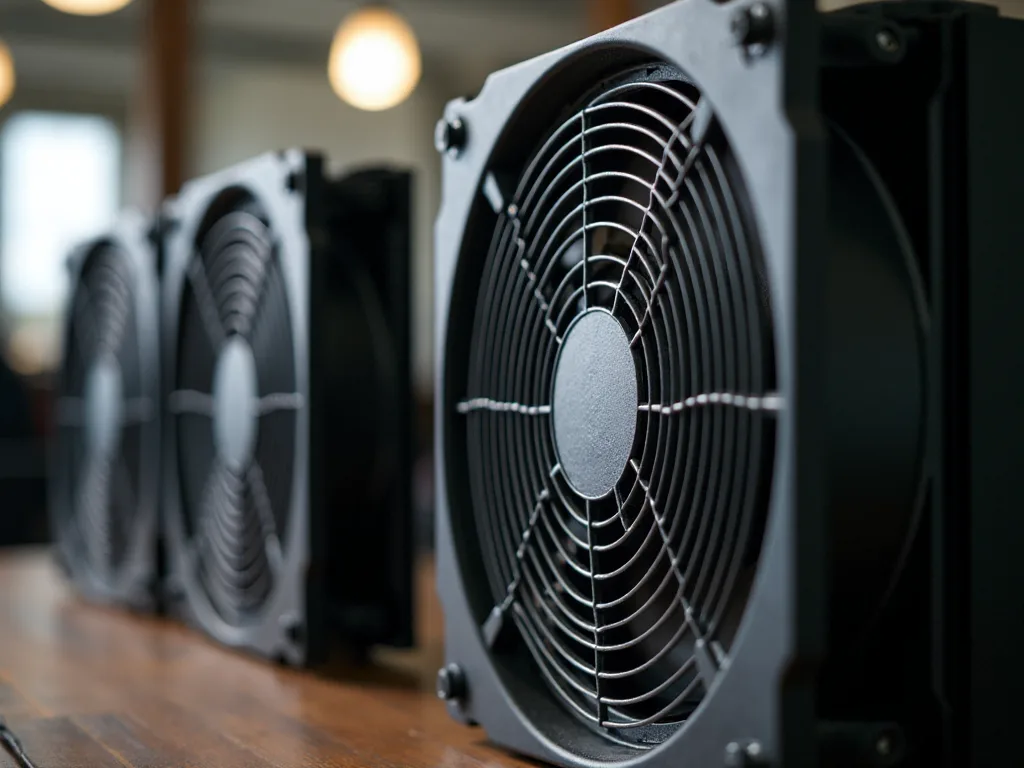
This is where auxiliary transmission cooler fans come into play. These fans increase air circulation around the cooler, pushing more air through the cooler's surface to ensure that heat generated by the transmission is quickly carried away, preventing buildup that could lead to overheating. The enhanced airflow creates more efficient heat exchange, particularly beneficial during low-speed driving or stop-and-go traffic when natural airflow is minimal.
Types of Transmission Cooler Systems
Understanding the different types of transmission coolers available helps contextualize where fan-equipped systems fit into the broader landscape of cooling solutions. The three most common kinds of coolers are tube and fin, plate and fin, and stacked plate, each offering a different combination of effectiveness and durability.
Tube and Fin Coolers: These represent the most common and economical option. Hot transmission fluid flows through aluminum tubes arranged in an S-pattern, with fins attached to increase surface area for heat dissipation. While effective for moderate applications, they may not provide sufficient cooling for heavy-duty use without additional airflow assistance.
Plate and Fin Coolers: Plate coolers work much better than tube and fin types because they slow the fluid down so it can cool more effectively. These coolers feature stacked plates with fluid channels between them, offering superior cooling efficiency and durability compared to tube and fin designs.
Stacked Plate Coolers: Representing the premium option, stacked plate coolers provide the highest level of cooling performance. They're particularly well-suited for high-performance applications, heavy towing, or extreme operating conditions.
Some coolers also come with built-in fans that provide additional cooling ability, transforming a passive cooling system into an active one that can maintain optimal temperatures regardless of vehicle speed or ambient conditions.
The Comprehensive Advantages of Transmission Cooler Fans
Installing a transmission cooler with an integrated fan offers numerous benefits that extend far beyond simple temperature reduction. These advantages compound over time, potentially saving thousands of dollars in repair costs while improving your vehicle's overall performance and reliability.
Superior Cooling Performance Under All Conditions
The primary and most obvious benefit of transmission cooler fans is their enhanced cooling capability. These fans result in superior cooling performance, ensuring your vehicle runs smoothly while maintaining optimal temperatures and alleviating the burden on your vehicle's cooling system. This improvement becomes particularly noticeable during demanding driving conditions.
Unlike passive coolers that rely solely on ambient airflow, fan-equipped systems actively force air through the cooler's fins and tubes. This active cooling proves invaluable during situations where natural airflow is insufficient, such as idling in traffic, crawling over rough terrain, or navigating congested urban areas. The electric fan ensures consistent cooling performance regardless of vehicle speed, providing peace of mind during Nashville's notorious rush hour traffic or when stuck in construction zones along I-40 or I-65.
Fans for transmission coolers offer reliability by maintaining consistent cooling performance regardless of external conditions, whether driving in scorching heat or freezing cold. This consistency proves especially valuable in Nashville's variable climate, where summer temperatures can soar while spring and fall bring unpredictable weather patterns.
Extended Transmission Lifespan and Reduced Wear
Perhaps the most compelling financial argument for installing a transmission cooler fan lies in its ability to dramatically extend transmission life. Overheating can negatively affect transmission system performance by causing the oil to break down, which leads to increased friction and wear. By maintaining optimal fluid temperatures, cooler fans help prevent this degradation.
Transmission fluid serves multiple critical functions: it lubricates moving parts, transfers hydraulic pressure for gear changes, and dissipates heat. When fluid temperatures exceed safe operating ranges, the fluid's viscosity changes, reducing its effectiveness as both a lubricant and hydraulic medium. This degradation accelerates wear on clutch packs, bands, seals, and bearings—all expensive components to replace.
Transmission cooling systems greatly extend transmission and oil life, reducing wear and tear. The investment in a quality cooling system with a fan can easily pay for itself by preventing or delaying the need for a transmission rebuild, which typically costs between $2,500 and $5,000 for most vehicles.
Real-world examples from automotive forums demonstrate these benefits. Users report that switching to upgraded coolers with fans "made a world of difference", with transmission temperatures remaining in safe ranges even during extended heavy use. These temperature reductions translate directly into reduced component stress and longer service life.
Enhanced Vehicle Performance and Efficiency
Beyond longevity benefits, transmission cooler fans can noticeably improve your vehicle's performance characteristics. Installing a trans cooler with a fan results in smoother shifting and better overall performance, allowing the transmission to operate more efficiently, which translates to improved fuel economy.
When transmission fluid operates at optimal temperatures, it maintains the correct viscosity for efficient hydraulic operation. This means shift points occur more precisely, gear changes feel smoother, and the transmission responds more predictably to throttle inputs. Drivers often report that their vehicles feel more responsive and refined after installing auxiliary cooling systems.
The fuel economy improvements, while modest, result from reduced parasitic losses within the transmission. Cooler fluid with proper viscosity creates less internal resistance, allowing the transmission to transfer power more efficiently. While you shouldn't expect dramatic fuel savings, the cumulative effect over thousands of miles can be measurable, particularly for vehicles that frequently operate under load.
Improved fuel efficiency due to consistent temperature control represents an often-overlooked benefit that contributes to the overall value proposition of transmission cooler fans.
Critical Advantage for Nashville's Climate
Nashville's climate presents unique challenges for vehicle cooling systems that make transmission cooler fans particularly valuable for local drivers. Nashville's summers are hot and muggy, creating conditions where transmission temperatures can quickly escalate beyond safe operating ranges.
The combination of high ambient temperatures and humidity places additional stress on all vehicle cooling systems. When outside temperatures reach the upper 80s and 90s during summer months, the temperature differential between hot transmission fluid and ambient air decreases, reducing the efficiency of passive cooling systems. This is precisely when active cooling from an electric fan becomes most valuable.
Nashville drivers who regularly navigate the city's hilly terrain face additional challenges. Climbing the grades around Percy Priest Lake, navigating the hills in Green Hills or Belle Meade, or towing boats to nearby lakes all increase transmission workload and heat generation. A transmission cooler fan helps manage these temperature spikes, ensuring reliable operation even during the most demanding summer driving conditions.
Towing and Heavy Load Capability
For Nashville residents who use their vehicles for towing—whether hauling boats to Percy Priest Lake, Old Hickory Lake, or J. Percy Priest Dam, or transporting equipment for work or recreation—transmission cooler fans provide essential protection. When pushing vehicles to their limits, whether towing heavy loads or driving in stop-and-go traffic, the transmission can heat up quickly, and the cooler keeps the fluid at optimal temperatures, preventing overheating and subsequent damage.
Towing dramatically increases transmission workload. The torque converter works harder to multiply engine torque, clutch packs engage and disengage more frequently, and the entire system operates under sustained high load. All of this generates substantial heat that can overwhelm factory cooling systems.
Transmission cooling systems lower oil temperature, ensuring safety during heavy towing. This safety margin proves invaluable when hauling trailers through Tennessee's varied terrain, where grades and curves demand frequent transmission activity.
Many truck and SUV owners report that auxiliary coolers with fans allow them to tow at or near their vehicle's maximum rated capacity without experiencing transmission overheating warnings or performance degradation. This capability expands the practical utility of their vehicles while providing confidence that they're not causing long-term damage.
Reduced Overall Maintenance Costs
While transmission cooler fans require an initial investment, they can significantly reduce long-term maintenance expenses. Quality cooling systems reduce overall maintenance costs by preventing the cascading failures that often result from transmission overheating.
When transmission fluid overheats repeatedly, it breaks down and loses its protective properties. This degraded fluid accelerates wear on internal components, leading to problems like slipping gears, delayed engagement, harsh shifts, and eventually complete transmission failure. Each of these issues requires progressively more expensive repairs.
By maintaining proper fluid temperatures, cooler fans help preserve fluid quality for longer intervals. This means you can safely extend fluid change intervals (within manufacturer recommendations) and reduce the frequency of transmission services. The fluid itself lasts longer, seals remain pliable and effective, and internal components experience less thermal stress.
Preventing overheating is crucial for car health because it extends the lifespan of engines, prevents costly repairs, and maintains optimal performance. This preventive approach to maintenance proves far more economical than reactive repairs after damage has occurred.
Flexibility in Installation and Mounting Options
Modern transmission cooler fans offer considerable flexibility in terms of installation location and configuration. A remote electric fan gives you many options on where to mount the fan on your vehicle with no need to block the radiator anymore. This flexibility allows for creative solutions when space is limited or when you want to optimize airflow patterns.
Unlike passive coolers that must be mounted in high-airflow areas to function effectively, fan-equipped coolers can be installed in various locations throughout the vehicle. Common mounting points include in front of the radiator, behind the grille, under the vehicle frame, or in wheel wells. The electric fan ensures adequate airflow regardless of the mounting location, though front-mounted positions still offer advantages in terms of accessing ambient air.
This installation flexibility proves particularly valuable for modified vehicles, those with aftermarket accessories, or situations where front-mounting space is limited due to intercoolers, oil coolers, or other components. You can design a cooling system that fits your specific vehicle configuration without compromising effectiveness.
Performance Benefits for Modified and High-Performance Vehicles
Nashville's performance and enthusiast community particularly benefits from transmission cooler fans. Transmission coolers with electric fans are perfect for heavy duty trucks and supercharged or turbocharged applications to ensure transmission temperatures remain low and keep vehicles performing at their best.
Modified vehicles that produce more power than stock place additional stress on transmissions. Whether you've installed a supercharger, turbocharger, performance tune, or other power-adding modifications, your transmission must handle increased torque and power. This additional workload generates more heat, making auxiliary cooling essential for reliability.
Performance driving, whether on track days at Nashville Superspeedway or spirited drives through Tennessee's backroads, also benefits from enhanced cooling. Repeated hard acceleration, high-speed driving, and frequent gear changes all generate substantial transmission heat. A cooler with a fan helps maintain consistent performance throughout extended driving sessions, preventing the power loss and protection mode engagement that can occur when transmissions overheat.
The Disadvantages and Considerations of Transmission Cooler Fans
While transmission cooler fans offer substantial benefits, they're not without drawbacks and considerations. Understanding these limitations helps set realistic expectations and allows for informed decision-making about whether this upgrade makes sense for your specific situation.
Initial Investment and Installation Costs
The most immediate disadvantage of transmission cooler fans is the upfront cost. When considering fans for your transmission cooler, you should evaluate the initial investment, as the cost of purchasing and installing fans can vary based on the type and size of the fan, as well as the complexity of the installation.
Quality transmission cooler kits with integrated fans typically range from $150 to $500 or more, depending on the brand, size, and cooling capacity. Premium units from manufacturers like Mishimoto, Derale, or B&M command higher prices but offer superior construction, better warranties, and higher cooling efficiency. Budget options exist but may not provide the same level of performance or longevity.
Installation costs add to the total investment. While mechanically inclined individuals can install these systems themselves with basic tools, many owners prefer professional installation to ensure proper routing of transmission lines, secure mounting, and correct electrical connections. Professional installation typically costs between $200 and $500, depending on the complexity of the installation and local labor rates in the Nashville area.
The total investment for a complete transmission cooler fan system, including parts and professional installation, often ranges from $350 to $1,000. While this upfront cost might seem significant, it's important to weigh it against the potential benefits, as investing in a high-quality fan can prevent costly repairs and extend the life of your transmission, making it a worthwhile consideration.
Increased Electrical Load and Power Consumption
Electric transmission cooler fans draw power from your vehicle's electrical system, adding to the overall electrical load. Electric cooling fans usually operate on 12 volts, and while individual fans don't consume enormous amounts of power, the cumulative effect can be measurable, particularly on vehicles with marginal charging systems or numerous electrical accessories.
Most transmission cooler fans draw between 5 and 15 amps when operating, depending on fan size and design. This additional load means your alternator must work slightly harder to maintain battery charge, which translates to a small increase in engine load and, consequently, a minor reduction in fuel efficiency. While the impact is typically negligible—often less than 0.1 to 0.3 mpg—it's worth considering for those who prioritize maximum fuel economy.
For vehicles with older or undersized alternators, adding a transmission cooler fan might necessitate an alternator upgrade to ensure adequate charging capacity, particularly if you've already installed other electrical accessories like auxiliary lights, audio systems, or winches. This represents an additional cost and complexity consideration.
The electrical draw also means that the fan's effectiveness depends on your vehicle's electrical system functioning properly. A failing alternator, weak battery, or corroded connections could compromise fan operation, potentially leaving you without the cooling capacity you're counting on during critical situations.
Potential Noise Concerns
Electric fans generate noise during operation, and transmission cooler fans are no exception. The noise level varies considerably depending on fan quality, size, blade design, and mounting location. While many modern fans are designed to operate relatively quietly, some units can produce noticeable noise that may be objectionable to drivers who value a quiet cabin environment.
Fan noise typically becomes most noticeable during low-speed driving or when idling, precisely when the fan is most likely to be running. At highway speeds, wind and road noise usually mask fan operation, making it less of a concern. However, in parking lots, drive-throughs, or residential areas, the whirring sound of an electric fan can be quite apparent.
The mounting location significantly affects perceived noise levels. Fans mounted in the engine bay or near the firewall tend to transmit more noise into the cabin than those mounted further forward or underneath the vehicle. Quality mounting hardware with vibration-dampening features can help minimize noise transmission.
For some enthusiasts, fan noise represents a minor annoyance they're willing to tolerate for the cooling benefits. For others, particularly those who prioritize refinement and quiet operation, it may be a significant drawback. Testing different fan models or reading reviews specifically addressing noise levels can help identify quieter options.
Maintenance Requirements and Potential Failure Points
Adding a transmission cooler fan introduces additional components that require periodic maintenance and represent potential failure points. While quality systems are generally reliable, they're not maintenance-free, and failures can occur.
Regular maintenance tasks for transmission cooler fan systems include inspecting electrical connections for corrosion, checking mounting hardware for tightness, examining transmission lines for leaks or damage, cleaning debris from fan blades and cooler fins, and verifying proper fan operation. These inspections should be performed at least annually or more frequently for vehicles operating in harsh conditions.
The fan motor itself represents a wear item that will eventually fail. Electric fan motors typically last many years under normal conditions, but exposure to road salt, moisture, debris, and temperature extremes can accelerate wear. When a fan motor fails, the cooler reverts to passive operation, significantly reducing its effectiveness until the fan is replaced.
Additional transmission line connections introduced by the auxiliary cooler represent potential leak points. While quality installation with proper fittings and clamps minimizes this risk, any additional connection in a pressurized fluid system increases the possibility of leaks. Transmission fluid leaks not only create environmental concerns and messy driveways but can also lead to low fluid levels that cause transmission damage.
Wiring and electrical connections can also develop problems over time. Corroded connections, chafed wires, or failed relays can prevent the fan from operating when needed. Regular inspection and maintenance help catch these issues before they become serious problems, but they represent ongoing attention requirements that some owners may find burdensome.
Compatibility and Fitment Challenges
Before installing fans, you should assess their compatibility with your vehicle's existing systems, as not all fans are suitable for every transmission cooler, and selecting the wrong type can lead to inefficiencies or even damage. This compatibility consideration extends beyond just physical fitment to include electrical system capacity, transmission line sizes, and cooling system design.
Some vehicles have limited space in front of the radiator or under the vehicle for mounting auxiliary coolers. Trucks and SUVs typically offer more mounting options than compact cars or sports cars with tightly packaged engine bays. Before purchasing a transmission cooler fan system, carefully measure available space and compare it to the cooler's dimensions.
Transmission line sizes and fittings must also match between your vehicle and the cooler. Most coolers come with adapters to accommodate various line sizes, but verifying compatibility before purchase prevents frustration during installation. Some vehicles use quick-disconnect fittings, while others use threaded or compression fittings, requiring different adapter types.
The electrical system must also be compatible. While most vehicles can accommodate the electrical load of a transmission cooler fan, some may require additional wiring, relays, or switches. Determining how the fan will be controlled—whether through a manual switch, thermostat, or integration with existing vehicle systems—requires planning and potentially additional components.
Ensure that the fan you choose is designed to work with your specific transmission cooler model to achieve optimal performance and avoid compatibility issues that could compromise effectiveness or reliability.
Diminished Benefits in Mild Climates or Light-Duty Use
In regions with mild climates, the natural airflow might be sufficient to keep your transmission cool, and if you primarily drive in areas where temperatures remain moderate, the addition of a fan may not be necessary, as the cost and effort of installing a fan might outweigh the benefits.
For Nashville drivers, this consideration is less relevant given the city's hot summers, but it's worth noting that not every vehicle or driving situation benefits equally from transmission cooler fans. Vehicles used primarily for short commutes in moderate traffic, without towing or heavy loads, may never generate enough transmission heat to justify the investment in an auxiliary cooling system.
Similarly, newer vehicles with modern transmissions and sophisticated thermal management systems may already have adequate cooling capacity for typical driving conditions. Many contemporary trucks and SUVs come equipped with factory auxiliary transmission coolers, particularly in towing packages, reducing or eliminating the need for aftermarket solutions.
Before investing in a transmission cooler fan, honestly assess your driving patterns, vehicle usage, and existing cooling capacity. If you rarely tow, don't frequently drive in extreme heat, and haven't experienced transmission temperature issues, the benefits may not justify the cost and complexity of installation.
Potential Impact on Other Cooling Systems
When mounting a transmission cooler in front of the radiator or A/C condenser—the most common installation location—there's potential for the heated air passing through the transmission cooler to affect the efficiency of these other cooling systems. The transmission cooler essentially pre-heats the air before it reaches the radiator and condenser, potentially reducing their cooling effectiveness.
However, real-world experience suggests this concern is often overstated. Users report installing coolers less than an inch away from the condenser with no impact on A/C performance, and the consensus among experienced installers is that proper installation minimizes any negative effects on other cooling systems.
The key to avoiding problems lies in proper placement and ensuring adequate airflow through all cooling components. You want the transmission cooler to be as close to the condenser as possible so cooling fans will help draw air through it, as putting the cooler too far in front of the condenser causes air to flow around the cooler rather than through it, reducing effectiveness.
For vehicles operating in extreme conditions or those with marginal cooling capacity, spacing the transmission cooler slightly away from the radiator or using a smaller cooler may be necessary to prevent overheating issues with the engine cooling system. This represents a balancing act that may require experimentation or professional guidance to optimize.
Complexity of Proper Installation
While transmission cooler fan installation is within the capabilities of experienced DIY mechanics, it's more complex than many automotive upgrades. The installation involves working with pressurized fluid lines, electrical systems, and mounting hardware, all of which must be executed correctly to ensure safe and effective operation.
Improper installation can lead to various problems, including transmission fluid leaks, inadequate cooling due to incorrect plumbing sequence, electrical issues from poor wiring practices, or physical damage to the cooler from inadequate mounting. Each of these problems can compromise the system's effectiveness or create safety hazards.
The correct plumbing sequence is particularly important. The ATF still has to circulate through the stock cooler inside the radiator, so you'll connect the adapters on the return side of the radiator, then run a line from the radiator outlet to the inlet side of the transmission cooler, and connect the outlet side to the return line. Getting this sequence wrong can reduce cooling effectiveness or create flow restrictions.
After installation, the transmission must be properly filled and any air purged from the system. This process requires multiple fluid checks and top-ups as the system circulates and settles. Failing to properly fill the transmission after cooler installation can result in low fluid levels that cause immediate and severe transmission damage.
Optimal Applications for Transmission Cooler Fans in Nashville
Understanding when transmission cooler fans provide the most value helps Nashville drivers make informed decisions about whether this upgrade makes sense for their specific situation. Certain use cases and vehicle types benefit dramatically from auxiliary cooling, while others see minimal improvement.
Towing and Hauling Applications
Vehicles regularly used for towing represent the single most compelling application for transmission cooler fans. Whether you're hauling a boat to one of Nashville's nearby lakes, towing a camper for weekend getaways to Tennessee state parks, or using your truck for work-related hauling, the additional transmission load generates substantial heat that can overwhelm factory cooling systems.
Towing in Nashville's hilly terrain compounds the challenge. Climbing grades with a heavy trailer forces the transmission to work harder, generating more heat while simultaneously reducing airflow through the radiator due to lower vehicle speeds. This combination creates ideal conditions for transmission overheating, making auxiliary cooling with a fan essential for safe and reliable operation.
Even if your vehicle is rated to tow a certain weight, that rating typically assumes ideal conditions. Hot weather, hilly terrain, and extended towing sessions all reduce the practical towing capacity. A transmission cooler fan helps restore that capacity by managing heat more effectively, allowing you to tow confidently at or near your vehicle's rated limits.
Commercial and Fleet Vehicles
Commercial vehicles operating in Nashville face demanding duty cycles that make transmission cooling critical. Delivery vehicles navigating stop-and-go traffic, service trucks carrying heavy equipment and tools, and fleet vehicles operating throughout the day all benefit from enhanced cooling capacity.
The financial case for transmission cooler fans becomes even more compelling for commercial applications. Downtime due to transmission failure costs businesses money in lost productivity, towing expenses, rental vehicle costs, and repair bills. Preventing these failures through proactive cooling system upgrades represents sound business investment.
Fleet managers should consider transmission cooler fans as standard equipment for vehicles operating in demanding conditions, particularly those used for towing, hauling, or extensive urban driving. The relatively modest upfront investment can prevent expensive failures and extend vehicle service life, improving the total cost of ownership.
Performance and Modified Vehicles
Nashville's performance vehicle community should strongly consider transmission cooler fans, particularly for modified vehicles producing more power than stock. Increased engine output translates directly to increased transmission load and heat generation, making auxiliary cooling essential for reliability.
Vehicles equipped with forced induction (superchargers or turbochargers), performance tunes, or other power-adding modifications place substantially more stress on transmissions. The factory cooling system was designed for stock power levels and may be inadequate for modified applications. Adding a transmission cooler with a fan helps ensure the transmission can handle the increased power without overheating.
Track day enthusiasts and those who enjoy spirited driving also benefit from enhanced cooling. Repeated hard acceleration, high-speed driving, and aggressive gear changes all generate significant transmission heat. A cooler with a fan maintains consistent temperatures throughout extended driving sessions, preventing the performance degradation and protective mode engagement that can occur when transmissions overheat.
Older Vehicles and High-Mileage Applications
Older vehicles with aging transmissions can benefit significantly from improved cooling. As transmissions accumulate miles, internal clearances increase due to wear, seals become less effective, and overall efficiency decreases. These changes often result in higher operating temperatures compared to when the vehicle was new.
Installing a transmission cooler fan on a high-mileage vehicle can help extend its remaining service life by reducing thermal stress on already-worn components. While it won't reverse existing wear, it can slow further degradation and potentially delay the need for a rebuild.
For Nashville drivers hoping to keep older vehicles running reliably, particularly trucks and SUVs with substantial towing history, a transmission cooler fan represents a relatively affordable way to protect their investment and maximize remaining service life.
Vehicles Operating in Severe Duty Cycles
Certain driving patterns create severe duty cycles that benefit from enhanced transmission cooling, even without towing. These include extensive stop-and-go driving in urban traffic, frequent short trips that prevent the transmission from reaching optimal operating temperature, off-road driving with frequent low-speed maneuvering, and vehicles that spend significant time idling.
Nashville's traffic patterns, particularly during rush hour on I-40, I-65, I-24, and I-440, create challenging conditions for transmission cooling. Extended periods of stop-and-go driving generate heat while providing minimal airflow through the radiator. A transmission cooler fan helps manage temperatures during these conditions, preventing the gradual heat buildup that can lead to overheating.
Off-road enthusiasts exploring Tennessee's trails and backroads also benefit from transmission cooler fans. Low-speed crawling over obstacles generates substantial transmission heat with minimal natural airflow. The electric fan ensures adequate cooling regardless of vehicle speed, providing confidence during extended off-road sessions.
Selecting the Right Transmission Cooler Fan System
Choosing the appropriate transmission cooler fan system requires careful consideration of multiple factors, including your vehicle type, intended use, budget, and installation preferences. Making an informed selection ensures you get the cooling capacity you need without overspending or installing an inadequate system.
Sizing Considerations and GVWR Ratings
Each transmission cooler is rated for different GVWRs, which ensures it will perform correctly for the intended application. Gross Vehicle Weight Rating represents the maximum safe operating weight of your vehicle, including passengers, cargo, and trailer tongue weight. Matching the cooler's GVWR rating to your vehicle's specifications ensures adequate cooling capacity.
Undersizing a transmission cooler is a common mistake that compromises effectiveness. While a small cooler may be less expensive and easier to install, it won't provide sufficient cooling capacity for demanding applications. As a general rule, it's better to slightly oversize a cooler than to undersize it, as excess cooling capacity provides a safety margin during extreme conditions.
Consider not just your vehicle's current GVWR but also how you use it. If you regularly tow near your vehicle's maximum capacity, operate in hot climates, or have modified your vehicle for increased power, select a cooler rated for a higher GVWR than your vehicle's specification. This provides additional cooling capacity to handle the increased thermal load.
Cooler Design Types and Their Applications
As discussed earlier, transmission coolers come in three primary designs: tube and fin, plate and fin, and stacked plate. Each offers different performance characteristics and price points, making them suitable for different applications.
Tube and Fin Coolers represent the most economical option and work well for light to moderate duty applications. They're adequate for vehicles that occasionally tow light trailers, operate in moderate climates, or need supplemental cooling beyond the factory system. However, they may not provide sufficient capacity for heavy towing or extreme conditions.
Plate and Fin Coolers offer superior cooling efficiency compared to tube and fin designs and represent the best choice for most Nashville drivers who regularly tow or operate in demanding conditions. They provide excellent cooling capacity while remaining reasonably priced, striking a good balance between performance and cost.
Stacked Plate Coolers deliver maximum cooling performance and durability, making them ideal for heavy-duty towing, commercial applications, or high-performance vehicles. While more expensive, they provide the highest level of protection for transmissions operating under severe conditions.
Fan Size and CFM Ratings
The fan component of your transmission cooler system significantly affects its cooling performance. Fans are rated by their diameter (typically 7 to 12 inches for transmission cooler applications) and their CFM (cubic feet per minute) airflow rating. Higher CFM ratings indicate greater airflow capacity and, generally, better cooling performance.
Larger fans moving more air provide better cooling but also draw more electrical power and may produce more noise. Balance these factors based on your priorities and vehicle capabilities. For most applications, an 8 to 10-inch fan provides adequate airflow without excessive power consumption or noise.
Some transmission cooler fans feature variable speed operation or thermostat control, allowing them to adjust fan speed based on temperature. These systems optimize cooling efficiency while minimizing power consumption and noise, running at lower speeds when cooling demand is modest and ramping up when temperatures rise.
Quality and Brand Considerations
Transmission cooler quality varies significantly between manufacturers and price points. Reputable brands like Mishimoto, Derale, B&M, Hayden, and Flex-a-lite have established reputations for producing reliable, effective cooling products backed by solid warranties.
While budget options exist, transmission cooling is not an area where you want to compromise on quality. A failed cooler or fan can leave you stranded with an overheated transmission, potentially causing damage that far exceeds the cost savings from choosing a cheaper product. Invest in a quality system from a reputable manufacturer to ensure reliable performance and longevity.
Pay attention to warranty coverage when selecting a transmission cooler fan system. Quality manufacturers typically offer lifetime or multi-year warranties on their products, demonstrating confidence in their construction and performance. These warranties provide peace of mind and protection against defects or premature failure.
Additional Features to Consider
Modern transmission cooler fan systems often include additional features that enhance functionality and convenience. Thermostatic switches automatically activate the fan when transmission temperatures reach a preset threshold, eliminating the need for manual operation and ensuring cooling is provided exactly when needed.
Some systems include temperature gauges or sensors that allow you to monitor transmission temperatures in real-time. This information helps you understand how your transmission responds to different driving conditions and provides early warning of potential cooling system problems.
Complete kits that include all necessary hardware, fittings, hoses, and mounting brackets simplify installation and ensure compatibility between components. While these kits may cost slightly more than purchasing components separately, they save time and frustration during installation.
Installation Best Practices and Professional Considerations
Proper installation is critical to ensuring your transmission cooler fan system performs as intended and provides reliable service. Whether you're tackling the installation yourself or hiring a professional, understanding best practices helps ensure a successful outcome.
Mounting Location and Airflow Optimization
Most manufacturers recommend that you place the transmission cooler in front of the A/C condenser, on the front side of the radiator, as this will allow maximum airflow and the best cooling efficiency. This location takes advantage of natural airflow at speed while allowing the vehicle's cooling fans to draw air through the transmission cooler when stationary or at low speeds.
When mounting the cooler, ensure adequate clearance from moving components, hot exhaust parts, and areas where road debris might cause damage. Secure mounting is essential to prevent vibration-induced failures or damage from road impacts. Use quality mounting hardware and consider adding vibration-dampening materials to reduce noise transmission and extend component life.
The cooler should be mounted level or with a slight tilt to prevent air pockets from forming in the fluid passages. Air trapped in the cooler can reduce cooling efficiency and potentially cause flow restrictions.
Plumbing and Line Routing
Proper transmission line routing is critical for both safety and performance. Lines should be routed away from hot exhaust components, sharp edges, and moving parts that could cause chafing or damage. Use protective sleeving or grommets where lines pass through metal panels or near potential contact points.
Secure lines at regular intervals using appropriate clamps or brackets to prevent vibration and movement. Loose lines can chafe against other components, eventually wearing through and causing leaks. Allow slight slack in the lines to accommodate engine movement without creating stress on fittings.
Use quality fittings and ensure all connections are properly tightened to manufacturer specifications. Over-tightening can damage fittings or strip threads, while under-tightening can result in leaks. Apply thread sealant appropriate for transmission fluid to threaded connections to ensure leak-free operation.
Electrical Installation and Fan Control
Electrical installation requires careful attention to ensure safe and reliable fan operation. Use appropriately sized wire for the fan's amperage draw, typically 14 or 16 gauge for most transmission cooler fans. Route wiring away from hot components and secure it to prevent chafing or damage.
Install an inline fuse or circuit breaker sized appropriately for the fan's current draw to protect the electrical system from shorts or failures. Connect the fan to a switched power source so it only operates when the ignition is on, preventing battery drain when the vehicle is parked.
For thermostatic control, install the temperature sensor in the transmission line between the transmission and cooler, following manufacturer instructions for proper placement and installation. This ensures the fan activates based on actual transmission fluid temperature rather than running continuously.
Fluid Filling and System Purging
After installation, the transmission must be properly filled to account for the additional fluid capacity of the auxiliary cooler. Most transmission coolers add between one and three quarts to system capacity, depending on cooler size and line length.
Start the engine and allow it to idle while checking fluid level. Add fluid as necessary to bring the level to the proper range. Cycle through all gear positions several times to circulate fluid throughout the system and purge air from the lines and cooler.
Recheck fluid level after the system has circulated and add more fluid if necessary. It may take several heat cycles for the system to fully purge air and stabilize, so check fluid level again after the first few drives and top up as needed.
When to Hire a Professional
While experienced DIY mechanics can successfully install transmission cooler fan systems, certain situations warrant professional installation. If you're uncomfortable working with transmission fluid lines, lack the tools or space for the installation, or are uncertain about electrical system modifications, hiring a professional ensures the job is done correctly.
Professional installation typically includes a warranty on the work performed, providing recourse if problems arise. Reputable shops in the Nashville area have experience with transmission cooler installations and can complete the work efficiently while ensuring proper operation.
When selecting a shop for installation, look for those specializing in transmission work or performance upgrades. Ask about their experience with transmission cooler installations and request references or examples of previous work. A quality shop will be happy to discuss their process and answer questions about the installation.
Maintenance and Long-Term Care
Once installed, transmission cooler fan systems require periodic maintenance to ensure continued reliable operation. Establishing a maintenance routine helps identify potential problems early and extends system lifespan.
Regular Inspection Schedule
Inspect your transmission cooler fan system at least twice yearly, ideally before and after summer when cooling demands are highest. Visual inspection should include checking for transmission fluid leaks at all connections, examining lines for damage or chafing, inspecting mounting hardware for tightness, verifying fan operation, and checking electrical connections for corrosion.
Look for signs of impact damage to the cooler from road debris, particularly if it's mounted in an exposed location. Even minor damage can reduce cooling efficiency or lead to leaks. Address any issues promptly to prevent them from developing into more serious problems.
Cleaning and Debris Removal
Transmission coolers mounted in front of the radiator accumulate bugs, leaves, dirt, and other debris that can restrict airflow and reduce cooling efficiency. Periodically clean the cooler fins using compressed air, a soft brush, or gentle water spray. Avoid high-pressure washing that could damage delicate fins or force water into electrical components.
Clean the fan blades as well, removing any accumulated dirt or debris. Buildup on fan blades can create imbalance, leading to vibration, noise, and premature bearing wear. A clean fan operates more efficiently and quietly while lasting longer.
Transmission Fluid Maintenance
While a transmission cooler fan helps preserve fluid quality by maintaining optimal temperatures, regular fluid changes remain essential for transmission health. Follow your vehicle manufacturer's recommended service intervals, or consider slightly more frequent changes if you regularly operate under severe conditions.
When changing transmission fluid, inspect the old fluid for signs of problems like burnt smell, dark color, or metallic particles. These indicators suggest internal transmission wear that requires attention beyond just cooling system improvements.
Monitoring System Performance
If your system includes a temperature gauge, monitor transmission temperatures during various driving conditions to establish baseline readings. This information helps you recognize when temperatures are running higher than normal, potentially indicating a cooling system problem or developing transmission issue.
Pay attention to fan operation, ensuring it activates when temperatures rise and shuts off when temperatures drop. If the fan runs continuously or never activates, investigate potential problems with the thermostat switch, wiring, or fan motor.
Cost-Benefit Analysis for Nashville Drivers
Determining whether a transmission cooler fan makes financial sense requires weighing the upfront investment against potential savings from prevented repairs and extended transmission life. For many Nashville drivers, particularly those who tow or operate under demanding conditions, the math strongly favors installation.
Investment Breakdown
A complete transmission cooler fan system, including quality components and professional installation, typically costs between $350 and $1,000. This represents a significant but manageable investment for most vehicle owners, particularly when compared to transmission repair or replacement costs.
Transmission rebuilds typically cost between $2,500 and $5,000 depending on vehicle type and transmission complexity. Complete transmission replacements can exceed $6,000 for some vehicles. If a transmission cooler fan prevents or delays one transmission failure, it pays for itself many times over.
Long-Term Value Proposition
Beyond preventing catastrophic failures, transmission cooler fans provide ongoing value through reduced wear, extended fluid life, and improved performance. These benefits accumulate over years of ownership, contributing to lower total cost of ownership and higher resale value.
Vehicles with documented transmission cooling upgrades may command higher resale prices, particularly in markets like Nashville where towing capability and reliability are valued. Buyers recognize that proper cooling system maintenance indicates a well-cared-for vehicle less likely to have hidden problems.
Calculating Your Personal ROI
To determine whether a transmission cooler fan makes sense for your situation, consider your vehicle's value, how long you plan to keep it, your typical driving conditions, and whether you regularly tow or haul heavy loads. Vehicles worth more than $15,000 that you plan to keep for several years represent good candidates for this upgrade, particularly if used for towing or operated in demanding conditions.
For older vehicles with lower values or those you plan to replace soon, the cost-benefit calculation may not favor installation unless you're experiencing transmission temperature issues that threaten immediate failure. In these cases, the cooler might provide just enough protection to keep the vehicle running until you're ready to replace it.
Alternative and Complementary Cooling Solutions
While transmission cooler fans represent an effective cooling solution, they're not the only option available. Understanding alternative and complementary approaches helps you design a comprehensive cooling strategy tailored to your specific needs.
Passive Auxiliary Coolers
Passive transmission coolers without fans represent a more economical option that still provides cooling benefits beyond the factory system. These coolers rely entirely on natural airflow and work well for moderate duty applications or as supplements to factory cooling systems.
The main advantage of passive coolers is their simplicity—no electrical connections, no moving parts to fail, and lower initial cost. However, their effectiveness depends heavily on vehicle speed and mounting location. Coolers do not work without air flowing through them, making passive designs less effective during low-speed driving or idling.
Upgraded Factory Coolers
Some vehicles offer upgraded factory transmission coolers as part of towing packages or heavy-duty options. If your vehicle has a larger factory cooler available, upgrading to that component can provide improved cooling while maintaining factory integration and warranty coverage.
This approach works particularly well for vehicles where aftermarket cooler installation is challenging due to space constraints or complex routing requirements. Factory upgraded coolers are designed specifically for your vehicle, ensuring proper fitment and integration with existing systems.
Transmission Pan Upgrades
Aftermarket transmission pans with increased fluid capacity and cooling fins provide another approach to temperature management. These pans increase total fluid volume, which helps buffer temperature spikes, and their finned construction increases surface area for heat dissipation.
Transmission pan upgrades work well in combination with auxiliary coolers, creating a comprehensive cooling system that addresses temperature management from multiple angles. The increased fluid capacity also extends service intervals and provides additional protection during extreme conditions.
Synthetic Transmission Fluid
Upgrading to synthetic transmission fluid provides improved thermal stability and better lubrication properties compared to conventional fluids. Synthetic fluids resist breakdown at higher temperatures and maintain proper viscosity across a wider temperature range.
While synthetic fluid alone won't solve severe overheating problems, it provides an additional margin of protection and works synergistically with improved cooling systems. The combination of synthetic fluid and enhanced cooling creates a robust thermal management system that protects your transmission under the most demanding conditions.
Real-World Performance and User Experiences
Understanding how transmission cooler fans perform in real-world applications provides valuable insight beyond manufacturer specifications and marketing claims. User experiences from Nashville drivers and similar climates offer practical perspective on what to expect after installation.
Temperature Reduction Results
Users consistently report significant temperature reductions after installing transmission cooler fans. Bypassing the radiator and using auxiliary coolers with fans dropped transmission temps about 10 degrees, with similar reductions when using the fan at slower speeds. These temperature reductions translate directly into reduced component stress and extended transmission life.
The magnitude of temperature reduction varies based on driving conditions, cooler size, and installation quality. Drivers report the most dramatic improvements during towing, stop-and-go traffic, and hot weather operation—precisely the conditions where cooling is most critical.
Towing Performance Improvements
Towing represents one of the most demanding applications for transmissions, and users report substantial benefits from transmission cooler fans in these scenarios. Drivers note they can tow heavier loads or maintain higher speeds on grades without experiencing transmission temperature warnings or performance degradation.
The confidence that comes from knowing your transmission is properly cooled allows drivers to use their vehicles' full towing capacity without worry. This peace of mind proves particularly valuable during long trips or when hauling valuable cargo where reliability is paramount.
Longevity and Reliability Outcomes
While definitive longevity data requires years of operation, anecdotal evidence strongly suggests that properly cooled transmissions last significantly longer than those operating at elevated temperatures. Users report transmissions with auxiliary cooling systems regularly exceeding 200,000 miles without major issues, even under demanding use.
The reduced frequency of transmission-related problems—slipping, harsh shifts, delayed engagement—represents another benefit users commonly report. These improvements suggest that maintaining optimal temperatures prevents the gradual degradation that leads to transmission problems over time.
Making Your Decision: Is a Transmission Cooler Fan Right for You?
After examining the comprehensive advantages and disadvantages of transmission cooler fans, Nashville drivers must evaluate their specific circumstances to determine whether this upgrade makes sense. Several key questions can guide your decision-making process.
Do you regularly tow or haul heavy loads? If yes, a transmission cooler fan represents an essential upgrade that protects your investment and ensures reliable operation. The benefits clearly outweigh the costs for regular towing applications.
Do you frequently drive in stop-and-go traffic or hot weather? Nashville's summer heat and traffic congestion create challenging conditions for transmission cooling. If you regularly face these conditions, a cooler fan provides valuable protection against overheating.
Is your vehicle modified for increased performance? Power-adding modifications increase transmission stress and heat generation, making enhanced cooling essential for reliability. Performance enthusiasts should strongly consider transmission cooler fans as part of their modification strategy.
Have you experienced transmission temperature issues? If your vehicle has displayed transmission temperature warnings, exhibited heat-related performance problems, or suffered transmission damage from overheating, a cooler fan addresses the root cause and prevents recurrence.
How long do you plan to keep your vehicle? The longer your ownership timeline, the more value you'll derive from a transmission cooler fan. Vehicles you plan to keep for many years benefit most from this upgrade.
What is your budget for preventive maintenance? While transmission cooler fans require upfront investment, they represent cost-effective insurance against expensive transmission repairs. If your budget allows for preventive upgrades, this represents a wise investment.
Conclusion: Weighing the Pros and Cons for Nashville Performance Applications
Transmission cooler fans offer substantial benefits for Nashville drivers, particularly those who regularly tow, operate in demanding conditions, or simply want to maximize their vehicle's reliability and longevity. The enhanced cooling performance, extended transmission life, improved vehicle performance, and climate-specific advantages make a compelling case for installation in many applications.
However, these benefits come with considerations including initial investment costs, increased electrical load, potential noise, maintenance requirements, and installation complexity. For some drivers—particularly those with light-duty vehicles used primarily for commuting in moderate conditions—these drawbacks may outweigh the benefits.
The key to making the right decision lies in honestly assessing your vehicle usage, driving conditions, and priorities. For Nashville drivers who tow regularly, navigate heavy traffic, or operate modified vehicles, transmission cooler fans represent an excellent investment that protects one of your vehicle's most expensive and critical components. The relatively modest upfront cost pales in comparison to the thousands of dollars required for transmission repair or replacement.
For those with less demanding applications, a passive auxiliary cooler or simply maintaining the factory cooling system may provide adequate protection. Understanding your specific needs and matching them to the appropriate cooling solution ensures you get the protection you need without unnecessary expense or complexity.
Ultimately, transmission cooler fans represent proven technology that delivers measurable benefits for vehicles operating under demanding conditions. Nashville's hot summers, hilly terrain, and traffic congestion create an environment where enhanced transmission cooling provides real value. By carefully weighing the pros and cons outlined in this comprehensive guide, you can make an informed decision that optimizes your vehicle's performance, reliability, and longevity while fitting your budget and driving needs.
For more information on automotive cooling systems and transmission maintenance, visit resources like HowStuffWorks' Auto Cooling System Guide or consult with local Nashville transmission specialists who can provide personalized recommendations based on your specific vehicle and usage patterns. Taking a proactive approach to transmission cooling today can save you thousands of dollars and countless headaches tomorrow, making it one of the smartest investments you can make in your vehicle's long-term health and performance.