Table of Contents
Understanding Turbo Heat Shields and Their Critical Role in Modern Engines
Turbo heat shields have become indispensable components in modern turbocharged engines, serving a dual purpose that many enthusiasts and mechanics may not fully appreciate. The primary purpose of a turbo heat shield is to keep heat inside the turbo, which contributes to making more power, while simultaneously protecting surrounding engine components from excessive thermal exposure. One of the biggest challenges turbocharged engines face is managing the extreme heat generated during operation, and without proper thermal management, excessive heat can lead to reduced performance, heat soak, component degradation, and even premature turbo failure.
The science behind turbocharger operation involves harnessing exhaust gas energy to compress intake air, allowing more oxygen into the combustion chamber and ultimately producing more power. However, this process generates tremendous heat that must be carefully managed to optimize performance and protect vital engine systems. Understanding how turbo heat shields work and why they matter can help vehicle owners make informed decisions about upgrades and maintenance that directly impact their engine's longevity and performance capabilities.
What Exactly Are Turbo Heat Shields?
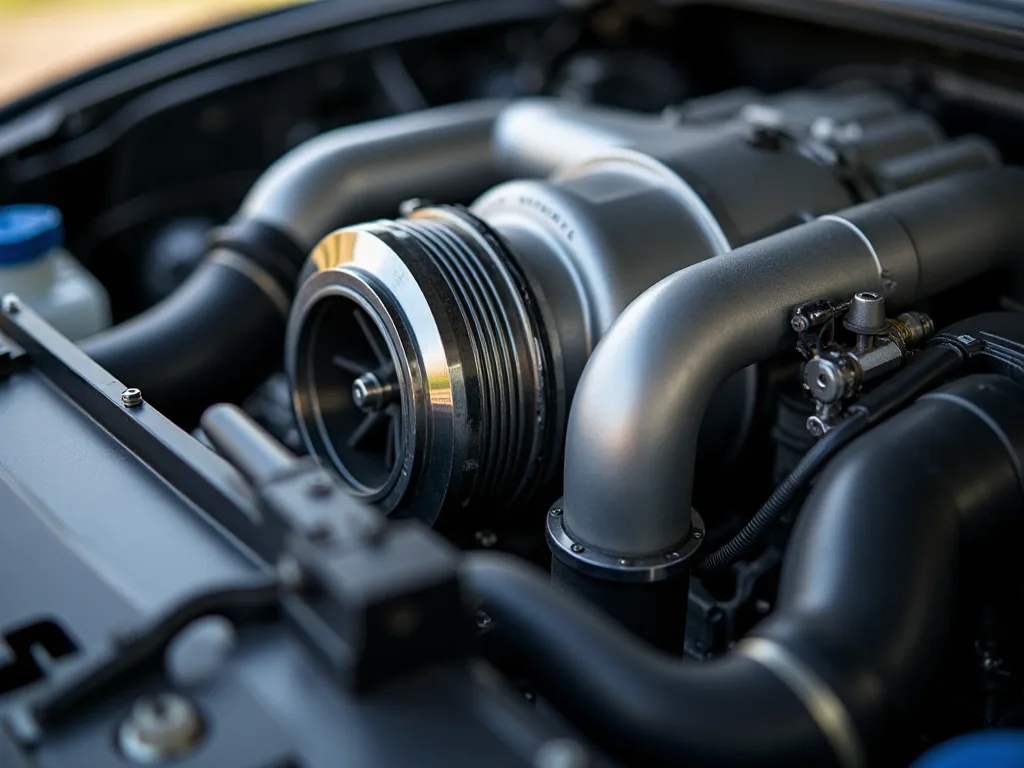
A turbocharger heat shield is a specially designed thermal barrier that wraps around or covers the turbocharger and its surrounding components, with its primary function being to contain and redirect radiant heat away from sensitive engine parts, wiring, hoses, and other heat-sensitive components. These protective barriers come in various forms and materials, each designed to address specific thermal management challenges in the engine bay.
Heat shields work on fundamental thermodynamic principles by creating an insulating barrier that manages heat flow in two critical directions. First, they help retain heat within the turbocharger housing itself, keeping exhaust gases at higher temperatures and velocities. Second, they prevent radiant heat from escaping outward and damaging nearby components such as plastic hoses, rubber lines, electrical wiring, painted surfaces, and even critical engine components like the intercooler.
Turbochargers create a lot of heat in the engine compartment, and turbo heat blankets help control that heat and keep it where it belongs—inside the feed system creating maximum efficiency and performance. The strategic placement and design of these shields make them essential for both performance optimization and component protection in any turbocharged application.
The Science Behind Heat Retention and Turbocharger Efficiency
To fully appreciate the role of turbo heat shields, it's important to understand the relationship between exhaust gas temperature, velocity, and turbocharger performance. Exhaust gas temperature (EGT) has a direct correlation to engine performance and health, and as the exhaust temperature rises, the gas moves at a higher velocity. This increased velocity translates directly into improved turbocharger response and efficiency.
When the turbocharger retains heat within its turbine housing, the gases maintain higher energy, leading to improved turbo efficiency and faster spool times, which translates into quicker throttle response and more consistent boost pressure. This fundamental principle explains why keeping heat contained within the turbocharger system is so beneficial for performance.
The physics at play involve the ideal gas law and the relationship between temperature and gas expansion. Hotter gases are less dense and move faster, which means they carry more kinetic energy to spin the turbine wheel. Keeping heat near the pipes is important so the exhaust gas temperature can remain as high as possible, and high temps mean the exhaust gas velocity is as fast as possible improving turbo performance, reducing turbo lag, and increasing turbo boost.
This thermal management strategy creates a cascading effect of performance benefits. When exhaust gases maintain their temperature and velocity through the turbine, the turbocharger spools more quickly, reaches target boost pressure faster, and maintains more consistent performance across varying engine loads and speeds. The result is a more responsive, powerful, and efficient turbocharged engine.
How Heat Shields Dramatically Improve Turbocharger Response
The performance improvements delivered by properly installed turbo heat shields extend far beyond simple component protection. These thermal barriers create measurable gains in multiple aspects of turbocharger operation, making them one of the most cost-effective performance upgrades available for turbocharged vehicles.
Faster Spool Time and Reduced Turbo Lag
One of the most noticeable benefits of turbo heat shields is the reduction in turbo lag and improvement in spool time. Adding a turbo heat shield helps keep significantly more heat inside the turbo housing to increase EGT and exhaust gas velocity, which decreases the time it takes the turbo to spool up and start making boost. This translates to more immediate throttle response and a more engaging driving experience.
This equates to faster spool up of the turbocharger, as well as greater attainable levels of boost, and what a driver will experience with a turbo blanket is greater turbocharger responsiveness, with the faster spool up meaning less turbo lag and a more linear power curve. For performance enthusiasts, this improvement in response characteristics can make the difference between a sluggish turbocharged engine and one that delivers power on demand.
Enhanced Thermal Efficiency and Power Output
Beyond improved response, heat shields contribute to measurable gains in power output and thermal efficiency. By retaining heat inside the turbo, heat shields help lower under-hood temperatures by up to 60%, reduce turbo lag and chatter, and may even increase boost in certain applications. This combination of benefits creates a more efficient and powerful turbocharged system.
In keeping the exhaust gases within the turbocharger hot, turbocharger efficiency is improved, and in keeping the heat of the exhaust gases contained within the hot side of the turbocharger and away from the cool side of the turbocharger and the intake path, more oxygen per unit volume reaches the engine, and thus, more power. This dual benefit of maintaining hot exhaust gases while protecting the cold side creates optimal conditions for maximum power production.
The thermal efficiency improvements extend to the entire forced induction system. By preventing heat from radiating into the engine bay and affecting the intercooler, heat shields help maintain lower intake air temperatures. Cooler, denser intake air contains more oxygen molecules per unit volume, which allows for more complete combustion and greater power output. This synergistic effect makes turbo heat shields a critical component in any high-performance turbocharged application.
Protection of Critical Engine Components
While performance gains often receive the most attention, the protective benefits of turbo heat shields are equally important for long-term engine reliability. The turbo blanket isolates the heat produced by your turbocharger, and prevents that heat from damaging, or even igniting, components surrounding the turbocharger within your engine compartment, such as plastic and rubber hoses and electrical wiring, as well as painted surfaces.
The turbocharger is one of the hottest components in your engine bay and can have some really negative effects on its surroundings, and as it gets red-hot, it also heats your intercooler and the charge air going through it into your engine, resulting in a loss of power. This heat transfer to the intercooler is particularly problematic because it directly undermines the intercooler's primary function of cooling compressed intake air.
Proper turbo heat shields protect system components from damage and can improve the turbo performance of the cooling system, air conditioning, brakes, and beyond. The comprehensive protection offered by heat shields extends to virtually every system in the engine bay, from fuel lines that could experience vapor lock to brake fluid reservoirs that could boil under excessive heat exposure.
Perhaps most critically, heat shields help prevent localized heating that can cause serious engine damage. A common cause of head gasket failure in turbocharged vehicles is localized heating of a portion of the engine, and the heat differential between the portion of the engine near the turbocharger and the rest of the engine can cause warping of the head, and thus, head gasket failure, which has been a known cause of head gasket failure in both OEM and aftermarket turbocharged vehicles. This protection alone can save thousands of dollars in repair costs and prevent catastrophic engine failure.
Types of Turbo Heat Shields and Their Applications
Turbo heat shields come in several distinct configurations, each designed for specific applications and installation requirements. Understanding the differences between these types helps vehicle owners select the most appropriate solution for their particular setup and performance goals.
Rigid Metal Heat Shields
Rigid shields are bolt-on shields made from materials like stainless steel or titanium, designed to fit specific turbo models, and they offer long-lasting durability and are common in OEM and racing applications. These shields typically feature precision-engineered mounting points and are designed to maintain a specific air gap between the shield and the turbocharger housing.
Stainless steel shields offer excellent durability and heat resistance at a reasonable cost, making them popular for street applications. Some high-end turbo heat shields are made from a single piece of 304 Stainless Steel, providing seamless construction that eliminates potential weak points. Titanium shields, while more expensive, offer superior heat resistance with significantly reduced weight, making them ideal for racing applications where every ounce matters.
The primary advantage of rigid metal shields is their durability and precise fitment. They maintain their shape and effectiveness through countless heat cycles and can be easily removed for maintenance or turbocharger service. However, they may not fit properly with aftermarket turbochargers or custom exhaust configurations, limiting their versatility in heavily modified applications.
Flexible Turbo Blankets and Wraps
Flexible, high-temperature fabric wraps fully encase the turbocharger and provide excellent heat containment, making them popular in aftermarket applications. These blankets typically feature multiple layers of high-temperature insulation materials secured with stainless steel wire or heat-resistant fasteners.
Turbo blankets offer several advantages over rigid shields. They conform to virtually any turbocharger shape and size, making them ideal for custom or aftermarket turbo installations. The multi-layer construction provides superior insulation compared to single-layer metal shields, and they can be easily removed and reinstalled for maintenance purposes.
High-quality turbo blankets withstand up to 1800°F continuous and 2200°F intermittent heat, providing exceptional thermal protection even in the most demanding applications. The best turbo blankets feature reinforced stitching, multiple layers of ceramic fiber insulation, and outer shells designed to reflect radiant heat back toward the turbocharger housing.
However, quality varies significantly among turbo blankets. A high-quality turbo shield will last through the many heat cycles it sees, while a cheap heat shield or turbo heat blanket will become brittle and lose effectiveness over time. Investing in a premium turbo blanket from a reputable manufacturer ensures long-term performance and protection.
Universal and Custom Heat Shield Kits
For unique or heavily modified turbo installations, universal heat shield kits offer maximum flexibility. A Universal Turbo Heat Shield Kit may be the best turbo shield option for irregular turbo setups with a lot of customization, and it includes everything needed for properly insulating a turbo system, including a DIY turbo heat blanket that can be made to fit most turbochargers.
These kits typically include various sizes of heat shield material, mounting hardware, high-temperature adhesives, and detailed installation instructions. They allow fabricators and enthusiasts to create custom solutions that perfectly fit their specific application, regardless of turbocharger size, orientation, or surrounding component layout.
Universal turbo heat shield kits feature extreme-temperature insulation materials, which provide greater heat protection, performance and durability. The flexibility to cut, shape, and install these materials exactly where needed makes universal kits invaluable for one-off builds, custom fabrication projects, or applications where pre-made shields simply don't exist.
Material Science: What Makes an Effective Heat Shield
The effectiveness of a turbo heat shield depends heavily on the materials used in its construction. Different materials offer varying levels of heat resistance, durability, weight, and cost, making material selection a critical consideration for any turbo heat shield application.
Ceramic and Ceramic Fiber Materials
Ceramic materials represent the gold standard in high-temperature insulation for turbocharger applications. These materials can withstand extreme temperatures while providing excellent thermal insulation properties. Ceramic fiber blankets, in particular, offer outstanding heat resistance combined with flexibility that allows them to conform to complex turbocharger shapes.
The cellular structure of ceramic fibers creates countless tiny air pockets that dramatically reduce heat transfer through conduction and convection. This microstructure makes ceramic materials incredibly effective insulators despite their relatively thin profile. Advanced ceramic composites can maintain their structural integrity and insulating properties even after thousands of heat cycles, making them ideal for long-term applications.
However, ceramic materials require careful handling during installation. The fibers can be brittle and may shed particles if not properly encapsulated in an outer shell. High-quality turbo blankets address this concern by encasing ceramic insulation layers within durable outer shells made from materials like silica fabric or basalt fiber, providing both protection and additional heat reflection.
Metallic Heat Shield Materials
Stainless steel remains the most common material for rigid turbo heat shields due to its excellent balance of heat resistance, durability, and cost. Type 304 and 316 stainless steel alloys offer good corrosion resistance and can withstand the thermal cycling experienced in turbocharger applications without warping or degrading.
Aluminum heat shields, while lighter than stainless steel, require special alloys and treatments to withstand turbocharger temperatures. Anodized aluminum shields can provide adequate protection in lower-temperature applications or when used as secondary barriers to protect components further from the turbocharger. However, aluminum's lower melting point makes it less suitable for direct turbocharger contact compared to stainless steel or titanium.
Titanium represents the premium option for rigid heat shields, offering exceptional strength-to-weight ratio and outstanding heat resistance. Titanium shields can withstand extreme temperatures without warping while weighing significantly less than equivalent stainless steel shields. The primary drawback is cost, with titanium shields typically commanding prices several times higher than stainless steel alternatives.
Composite and Multi-Layer Constructions
The most effective turbo heat shields often employ multi-layer constructions that combine different materials to maximize thermal protection. These composite designs typically feature an inner layer of high-temperature ceramic fiber insulation, a middle layer of reflective material to redirect radiant heat, and an outer shell of durable fabric or metal to protect the insulation and provide structural integrity.
Heatshield Armor can block up to 70% of radiant heat and is easy to form around pipes, manifolds, or downpipes, while Lava Wrap adds flexible, durable thermal protection with aggressive styling and is stronger than traditional wraps, with both designed for long-term use in high-performance builds. These advanced materials demonstrate how modern composite constructions can deliver superior performance compared to single-material solutions.
Reflective layers, often made from aluminum or other metallic materials, work by bouncing radiant heat back toward its source rather than allowing it to pass through the shield. This reflection principle, combined with the insulating properties of ceramic layers, creates a highly effective thermal barrier that manages heat through multiple mechanisms simultaneously.
Design Considerations for Maximum Effectiveness
Beyond material selection, the design and configuration of turbo heat shields significantly impact their effectiveness. Proper design considers airflow, heat dissipation pathways, mounting methods, and integration with other engine bay components to create a comprehensive thermal management solution.
Air Gap and Ventilation Design
Effective heat shield design typically incorporates an air gap between the shield and the turbocharger housing. This gap serves multiple purposes: it provides space for air circulation that helps dissipate heat through convection, prevents direct heat conduction from the turbocharger to the shield, and allows for thermal expansion of both the turbocharger and the shield without interference.
The optimal air gap varies depending on the application, but typically ranges from 0.5 to 1.5 inches. Too small a gap restricts airflow and may allow excessive heat transfer through radiation, while too large a gap reduces the shield's effectiveness and may allow heat to escape around the edges. Well-designed rigid shields incorporate standoffs or mounting brackets that maintain consistent spacing around the entire turbocharger housing.
Ventilation openings in rigid shields allow hot air to escape while still providing a barrier against radiant heat transfer to surrounding components. These openings must be strategically placed to promote natural convection currents that draw cool air in from below and exhaust hot air upward, creating a continuous cooling flow around the turbocharger.
Coverage Area and Component Protection
Determining the appropriate coverage area for a turbo heat shield requires careful analysis of the engine bay layout and identification of heat-sensitive components. The shield should provide complete coverage of the turbine housing, which generates the most heat, while also considering the compressor housing and any exposed exhaust manifold or downpipe sections.
In many applications, the intercooler represents the most critical component requiring protection from turbocharger heat. Heat shields should be positioned to create a thermal barrier between the turbocharger and intercooler, preventing radiant heat from warming the intercooler core and reducing its effectiveness. This protection becomes especially important in top-mounted intercooler configurations where the intercooler sits directly above or adjacent to the turbocharger.
Other components requiring consideration include fuel lines, brake fluid reservoirs, engine control modules, wiring harnesses, vacuum lines, and any plastic or rubber components in the vicinity of the turbocharger. A comprehensive heat management strategy may require multiple shields or barriers positioned to protect these various components while still allowing adequate airflow for cooling.
Mounting and Structural Integrity
Proper mounting ensures that heat shields remain securely in place despite engine vibration, thermal expansion, and the harsh environment of the engine bay. Rigid shields typically mount using brackets that attach to existing engine or chassis mounting points, with careful attention to avoiding interference with moving parts or maintenance access points.
The mounting hardware itself must withstand high temperatures without loosening or degrading. Stainless steel bolts, lock washers, and high-temperature thread-locking compounds help ensure that shields remain secure over time. Mounting points should distribute loads evenly across the shield to prevent stress concentrations that could lead to cracking or failure.
Turbo blankets require different mounting considerations, typically using stainless steel wire or high-temperature straps to secure the blanket around the turbocharger housing. The fastening system must hold the blanket firmly in place while allowing for thermal expansion and contraction. Quality turbo blankets include reinforced mounting points and may feature adjustable fastening systems that accommodate various turbocharger sizes and shapes.
Installation Best Practices and Techniques
Proper installation of turbo heat shields is crucial for achieving maximum performance benefits and ensuring long-term reliability. Even the highest-quality heat shield will underperform if installed incorrectly, making attention to installation details essential for success.
Pre-Installation Preparation
Before beginning installation, thoroughly clean the turbocharger and surrounding area to remove any oil, grease, or debris. This cleaning ensures proper adhesion if using adhesive-backed materials and allows for accurate assessment of clearances and potential interference points. Inspect the turbocharger for any signs of damage, oil leaks, or excessive wear that should be addressed before installing the heat shield.
Gather all necessary tools and hardware before starting the installation. This preparation typically includes appropriate wrenches or sockets for mounting hardware, wire cutters or scissors for trimming blanket materials, high-temperature gloves for handling materials, and any specialized tools required for accessing turbocharger mounting points in tight engine bays.
Review the manufacturer's installation instructions thoroughly, even if you have experience installing heat shields. Different products may have specific requirements or recommendations that affect installation procedures. Pay particular attention to any warnings about clearances, heat exposure limits, or compatibility issues with specific turbocharger models or engine configurations.
Installing Rigid Heat Shields
Rigid heat shield installation typically begins with test-fitting the shield to verify proper clearances and identify any interference issues. Check that the shield does not contact the turbocharger housing, exhaust components, or any moving parts. Verify that all mounting points align properly and that hardware can be installed without forcing or bending the shield.
Install mounting brackets first, ensuring they are securely attached to their mounting points with appropriate torque specifications. Use thread-locking compound on bolts that will be difficult to access after final installation. Position the heat shield on the brackets and secure it with the provided hardware, working from one end to the other to ensure even alignment and spacing.
After initial installation, double-check all clearances with the engine running and at operating temperature. Thermal expansion can reduce clearances, so what appears adequate when cold may become problematic at operating temperature. Listen for any rattling or contact noises that might indicate interference, and adjust mounting as necessary to eliminate any issues.
Installing Turbo Blankets
Turbo blanket installation requires careful attention to ensure complete coverage and secure fastening. Begin by positioning the blanket over the turbocharger housing, ensuring that all critical areas are covered and that openings for the compressor inlet, oil feed lines, and other necessary access points align properly.
Secure the blanket using the provided fastening system, typically stainless steel wire or straps. Start at one end and work systematically around the turbocharger, pulling the blanket snug but not so tight that it compresses the insulation layers excessively. Compressed insulation loses effectiveness, so maintain the blanket's designed thickness while ensuring it stays securely in place.
Trim any excess wire or strap material to prevent it from contacting moving parts or creating potential snag points. Tuck wire ends away from areas where they might vibrate against other components and create noise or wear. Some installers use high-temperature silicone to secure wire ends and prevent them from working loose over time.
After installation, inspect the blanket for any gaps or areas where heat might escape. Pay particular attention to seams and fastening points, as these areas are most prone to developing gaps. Some applications benefit from using high-temperature RTV silicone to seal seams and ensure complete coverage, though this should only be done if recommended by the manufacturer.
Post-Installation Break-In and Inspection
New turbo heat shields often require a break-in period during which materials settle and any manufacturing residues burn off. During the first few heat cycles, you may notice smoke or odors as binders, oils, or other materials used in manufacturing are expelled. This is typically normal, but monitor the situation to ensure it's not excessive or indicative of a problem.
After the first few drives, inspect the heat shield installation while the engine is cool. Check all mounting hardware for tightness, as thermal cycling can cause fasteners to loosen. Verify that the shield or blanket hasn't shifted position and that all clearances remain adequate. Look for any signs of heat damage to surrounding components that might indicate the shield isn't providing adequate protection.
Some discoloration of heat shield materials is normal and expected, particularly with metallic shields that may develop a blue or golden tint from heat exposure. However, excessive discoloration, warping, or degradation of materials may indicate that temperatures are exceeding the shield's design limits or that additional thermal management measures are needed.
Maintenance and Longevity Considerations
Like any performance component, turbo heat shields require periodic maintenance to ensure continued effectiveness and longevity. Regular inspection and proper care can extend the life of heat shields and prevent performance degradation over time.
Regular Inspection Procedures
Establish a regular inspection schedule for turbo heat shields, ideally checking them during routine maintenance intervals such as oil changes. Visual inspection should look for signs of damage, degradation, or displacement. Check rigid shields for cracks, warping, or loose mounting hardware. Inspect turbo blankets for fraying, thinning, or areas where the outer shell has degraded and exposed internal insulation materials.
Pay particular attention to fastening points and seams, as these areas experience the most stress and are most likely to develop problems first. Look for any signs that the shield has contacted moving parts or that clearances have changed due to engine movement or component wear. Check surrounding components for any signs of heat damage that might indicate the shield is no longer providing adequate protection.
During inspection, also check for oil contamination, which can degrade some heat shield materials and reduce their effectiveness. Oil leaks from turbocharger seals or nearby engine components should be addressed promptly to prevent damage to heat shields and other engine bay components.
Cleaning and Maintenance
Rigid metal heat shields can typically be cleaned with degreaser and water when removed from the vehicle. Avoid using harsh chemicals that might damage protective coatings or finishes. For shields that cannot be easily removed, wipe them down with a damp cloth to remove surface dirt and debris, being careful not to disturb mounting hardware or create clearance issues.
Turbo blankets generally should not be cleaned with liquids, as moisture can become trapped in the insulation layers and cause problems. Instead, use compressed air to blow away loose dirt and debris. If a blanket becomes oil-soaked or heavily contaminated, replacement is typically the best option, as cleaning may compromise the insulation properties and structural integrity of the materials.
Periodically check and tighten mounting hardware, as thermal cycling and vibration can cause fasteners to loosen over time. Use appropriate torque specifications and thread-locking compounds to ensure hardware remains secure. Replace any damaged or corroded fasteners promptly to maintain proper shield positioning and security.
When to Replace Heat Shields
Even high-quality heat shields have finite lifespans and will eventually require replacement. Signs that replacement is needed include visible degradation of materials, such as cracking, excessive thinning, or brittleness in blanket materials. Rigid shields showing significant warping, cracks, or corrosion should be replaced to ensure continued protection and effectiveness.
Performance changes can also indicate heat shield degradation. If you notice increased turbo lag, reduced boost pressure, or signs of heat soak that weren't present previously, degraded heat shields may be contributing to the problem. Similarly, if components that were previously protected begin showing signs of heat damage, the heat shield may no longer be providing adequate protection.
As a general guideline, turbo blankets typically last 2-5 years depending on usage intensity and operating conditions. Racing applications with frequent high-temperature exposure may require more frequent replacement, while street-driven vehicles with moderate use may see longer service life. Rigid shields generally last longer, often 5-10 years or more, though this depends heavily on material quality and operating conditions.
Complementary Thermal Management Strategies
While turbo heat shields provide significant benefits on their own, they work best as part of a comprehensive thermal management strategy. Combining heat shields with other thermal management techniques creates synergistic effects that maximize performance and protection.
Exhaust System Insulation
Insulating exhaust components upstream and downstream of the turbocharger extends the benefits of turbo heat shields throughout the exhaust system. Adding exhaust wrap or exhaust insulation to the feed and downpipe helps to shield the turbo from exhaust temperatures and to keep the EGT up, which helps sustain increased exhaust gas velocity longer for better performance and turbo consistency.
Exhaust wrap applied to manifolds and downpipes keeps heat contained within the exhaust stream, maintaining higher exhaust gas temperatures and velocities throughout the system. This containment reduces heat radiation into the engine bay and helps maintain consistent turbocharger performance across varying operating conditions. However, exhaust wrap requires proper installation and may retain moisture against exhaust components, potentially accelerating corrosion in some applications.
Ceramic coating of exhaust components provides an alternative to wrap that offers similar heat retention benefits without the moisture retention concerns. Ceramic coatings create a thermal barrier on the surface of exhaust components, keeping heat inside the exhaust stream while reducing surface temperatures. These coatings are particularly effective on exhaust manifolds and turbocharger housings, where they can significantly reduce radiant heat transfer to surrounding components.
Intercooler Protection and Optimization
Protecting the intercooler from turbocharger heat is critical for maintaining optimal performance. Beyond turbo heat shields, consider additional measures such as heat-reflective barriers between the turbocharger and intercooler, improved intercooler airflow through ducting or fan upgrades, and upgraded intercooler cores with greater heat dissipation capacity.
For top-mounted intercooler configurations, hood vents or scoops can dramatically improve intercooler effectiveness by allowing hot air to escape and drawing cooler ambient air across the intercooler core. These modifications work synergistically with turbo heat shields by addressing both the source of heat (the turbocharger) and the heat's impact on the intercooler.
Water-methanol injection systems provide another complementary approach by directly cooling intake air charge temperatures. While not directly related to turbo heat shields, these systems address the same fundamental goal of maintaining optimal intake air temperatures for maximum performance. The combination of effective heat shielding and charge air cooling creates ideal conditions for consistent, powerful turbocharged performance.
Engine Bay Ventilation and Airflow Management
Improving overall engine bay ventilation enhances the effectiveness of turbo heat shields by providing pathways for hot air to escape. Hood vents, fender vents, and undertray panels can all contribute to improved airflow that helps dissipate heat more effectively. Strategic placement of these ventilation points creates natural convection currents that draw cool air in from the front of the vehicle and exhaust hot air upward and rearward.
Heat-reflective barriers on the underside of the hood can prevent heat from accumulating in the upper engine bay and potentially causing paint damage or reducing structural integrity. These barriers, often made from aluminum-faced foam or multi-layer reflective materials, bounce radiant heat back downward where it can be more easily exhausted through lower ventilation points.
For extreme applications, electric fans can be strategically positioned to force air circulation in the engine bay, though this approach adds complexity and power consumption. Most street applications achieve adequate results through passive ventilation combined with effective heat shielding, reserving active cooling measures for racing or extreme-duty applications.
Performance Testing and Validation
Measuring the effectiveness of turbo heat shields provides valuable data for validating their benefits and optimizing thermal management strategies. Various testing methods can quantify improvements in turbocharger response, temperature reduction, and overall performance gains.
Temperature Measurement Techniques
Thermal imaging cameras provide the most comprehensive view of heat distribution in the engine bay, allowing before-and-after comparisons that clearly show the impact of heat shields. These cameras reveal hot spots, heat transfer patterns, and the effectiveness of thermal barriers in real-world operating conditions. Professional-grade thermal cameras offer the highest accuracy, but even consumer-grade thermal imaging attachments for smartphones can provide useful data for enthusiasts.
Thermocouples placed at strategic locations provide precise temperature measurements at specific points of interest. Common measurement locations include intercooler inlet and outlet temperatures, intake manifold temperatures, turbocharger housing temperatures, and temperatures of nearby components like wiring harnesses or fluid reservoirs. Data logging these temperatures during test drives allows for detailed analysis of thermal behavior under various operating conditions.
Infrared temperature guns offer a quick and easy method for spot-checking temperatures, though they provide less comprehensive data than thermal cameras or thermocouple arrays. These tools are particularly useful for routine monitoring and identifying potential problems during regular inspections.
Performance Metrics and Data Analysis
Beyond temperature measurements, several performance metrics can quantify the benefits of turbo heat shields. Boost pressure response time, measured from throttle application to target boost pressure, provides direct insight into improvements in turbo spool characteristics. Data logging boost pressure, throttle position, and engine RPM allows for precise comparison of spool times before and after heat shield installation.
Intake air temperature (IAT) measurements reveal how effectively heat shields protect the intercooler and intake system from turbocharger heat. Lower IAT readings indicate better thermal management, which translates directly to improved performance through increased air density and reduced knock tendency. Comparing IAT readings under consistent operating conditions provides clear evidence of heat shield effectiveness.
Dyno testing offers the most comprehensive performance validation, measuring actual power and torque output before and after heat shield installation. While individual results vary based on specific vehicle configuration and operating conditions, properly installed heat shields typically show measurable improvements in power output, particularly in the mid-range where turbo response matters most. Dyno testing also reveals improvements in power consistency across multiple runs, as effective heat management prevents heat soak that can cause power to drop off during extended high-load operation.
Common Misconceptions and Controversies
Despite their proven benefits, turbo heat shields remain subject to various misconceptions and debates within the automotive community. Understanding these controversies and the facts behind them helps vehicle owners make informed decisions about thermal management strategies.
The Heat Retention vs. Heat Dissipation Debate
One ongoing debate centers on whether turbochargers should be insulated to retain heat or allowed to dissipate heat as quickly as possible. Some argue that trapping heat inside the turbocharger increases bearing temperatures and accelerates wear. However, this perspective often misunderstands the dual nature of turbo heat shield benefits.
The key is understanding that heat shields serve two distinct purposes: retaining heat within the exhaust gas stream to maintain velocity and efficiency, while simultaneously preventing radiant heat from affecting surrounding components. Modern turbochargers are designed to operate at extremely high temperatures, and their bearing systems include dedicated oil and sometimes water cooling to manage bearing temperatures regardless of housing temperatures.
Research and real-world testing consistently demonstrate that properly designed heat shields improve turbocharger performance without causing reliability issues. The benefits of maintaining exhaust gas temperature and velocity outweigh any minimal increase in bearing housing temperature, particularly when proper lubrication and cooling systems are maintained.
OEM Heat Shields vs. Aftermarket Solutions
Another common question involves whether OEM heat shields are sufficient or if aftermarket solutions provide meaningful improvements. In stock form, the turbo is covered by an OEM heat shield, however this heat shield will not fit with most aftermarket downpipes or turbos. This compatibility issue often necessitates aftermarket solutions for modified vehicles.
OEM heat shields are typically designed to meet minimum requirements for component protection and emissions compliance while minimizing cost and weight. They often provide adequate protection for stock applications but may not optimize performance or provide sufficient protection for increased power levels or modified configurations. Aftermarket heat shields, particularly premium options, often use superior materials and more comprehensive coverage to deliver enhanced protection and performance benefits.
For vehicles running stock turbochargers and power levels, OEM heat shields generally provide adequate protection. However, modified vehicles with upgraded turbochargers, increased boost pressure, or higher power output typically benefit significantly from upgraded aftermarket heat shield solutions that provide more comprehensive thermal management.
Cost-Benefit Analysis
Some enthusiasts question whether the cost of quality turbo heat shields justifies their benefits, particularly for street-driven vehicles. This perspective often fails to account for the full range of benefits these components provide. Beyond measurable performance improvements, heat shields protect expensive components from heat damage, potentially preventing costly repairs to wiring harnesses, hoses, intercoolers, and even engine components.
The cost of replacing a damaged intercooler, repairing melted wiring, or addressing head gasket failure caused by localized heating far exceeds the investment in quality heat shields. When viewed as preventive maintenance and performance optimization rather than purely as a power-adding modification, turbo heat shields represent excellent value for turbocharged vehicle owners.
Additionally, the performance benefits of heat shields compound over time. Improved turbo response, more consistent power delivery, and better thermal management contribute to a more enjoyable driving experience and potentially better fuel economy through more efficient combustion. These ongoing benefits accumulate value far beyond the initial purchase price.
Application-Specific Considerations
Different vehicle types and usage scenarios present unique challenges and opportunities for turbo heat shield applications. Understanding these application-specific factors helps optimize heat shield selection and installation for particular use cases.
Street Performance Applications
Street-driven performance vehicles benefit from turbo heat shields that balance performance enhancement with long-term durability and ease of maintenance. These applications typically prioritize component protection alongside performance gains, as street vehicles must operate reliably across a wide range of conditions and may see extended periods of heat-soaked operation in traffic.
For street applications, turbo blankets often provide the best balance of performance, protection, and value. They offer excellent heat containment and component protection while remaining relatively affordable and easy to install. Quality blankets from reputable manufacturers provide years of reliable service in street applications, making them an excellent choice for daily-driven turbocharged vehicles.
Street vehicles also benefit from comprehensive thermal management strategies that include intercooler protection, engine bay ventilation, and protection of heat-sensitive components. The goal is creating a thermal management system that maintains consistent performance during both spirited driving and mundane commuting, while protecting expensive components from heat-related damage over thousands of miles of operation.
Racing and Competition Use
Racing applications demand maximum performance and often justify premium heat shield solutions that might be overkill for street use. Titanium rigid shields, advanced ceramic blankets, and comprehensive exhaust insulation all contribute to extracting every possible advantage in competitive environments where fractions of a second matter.
Race vehicles typically operate at sustained high loads and temperatures that exceed street driving conditions, making robust thermal management critical for both performance and reliability. Heat shields in racing applications must withstand extreme temperatures while minimizing weight, as every pound affects performance. The investment in premium materials and comprehensive thermal management pays dividends through improved consistency, reduced heat soak between runs, and protection of expensive racing components.
Racing applications also benefit from active monitoring of temperatures through data acquisition systems. Real-time temperature data allows drivers and tuners to optimize thermal management strategies and identify potential problems before they cause failures. This data-driven approach to thermal management, combined with high-quality heat shields, creates the most effective thermal management possible for competition use.
Commercial and Industrial Applications
Commercial vehicles and industrial equipment with turbocharged engines face unique thermal management challenges. These applications often involve sustained high-load operation, exposure to harsh environmental conditions, and requirements for maximum reliability and minimal maintenance. Heat shields for commercial applications must prioritize durability and longevity while providing consistent protection across extended service intervals.
Rigid stainless steel shields often work well in commercial applications due to their durability and resistance to damage from debris, weather, and rough handling. These shields can withstand the demanding conditions of commercial use while requiring minimal maintenance beyond periodic inspection. The initial investment in quality commercial-grade heat shields pays for itself through reduced component replacement costs and improved equipment reliability.
Commercial applications also benefit from comprehensive thermal management that considers the entire operating environment. Equipment operating in hot climates or confined spaces may require additional ventilation or cooling measures beyond heat shields alone. Working with experienced thermal management specialists can help identify the most effective solutions for specific commercial applications and operating conditions.
Future Developments in Turbo Heat Shield Technology
As turbocharger technology continues to evolve and performance demands increase, heat shield technology advances to meet new challenges. Understanding emerging trends and technologies provides insight into the future of turbocharger thermal management.
Advanced Materials and Nanotechnology
Research into advanced materials promises heat shields with even better performance characteristics. Aerogel-based insulation materials offer exceptional thermal resistance with minimal thickness and weight, potentially allowing more effective heat management in increasingly crowded engine bays. Carbon fiber composites with ceramic matrices combine light weight with extreme temperature resistance, though current costs limit their application to high-end racing and aerospace applications.
Nanotechnology-enhanced coatings and materials show promise for creating thermal barriers with unprecedented effectiveness. These materials manipulate heat transfer at the molecular level, potentially achieving thermal insulation properties that exceed current materials by significant margins. As manufacturing costs decrease, these advanced materials may become accessible for mainstream automotive applications.
Phase-change materials represent another emerging technology that could revolutionize thermal management. These materials absorb large amounts of heat during phase transitions, potentially providing temporary heat buffering during high-load operation. While still largely experimental in automotive applications, phase-change materials could eventually supplement traditional insulation in heat shield designs.
Integrated Thermal Management Systems
Future vehicles may feature integrated thermal management systems that coordinate heat shields with active cooling, variable geometry components, and electronic controls to optimize thermal behavior across all operating conditions. These systems could adjust cooling airflow, activate supplemental cooling when needed, and monitor temperatures throughout the engine bay to prevent heat-related problems before they occur.
Electric turbochargers and hybrid turbocharging systems present new thermal management challenges and opportunities. These systems may generate different heat patterns than traditional exhaust-driven turbochargers, requiring new approaches to heat shielding and thermal management. As these technologies become more common, heat shield designs will evolve to address their specific requirements.
Predictive thermal management using artificial intelligence and machine learning could optimize heat shield effectiveness by anticipating thermal loads based on driving patterns and conditions. These systems might adjust active cooling measures, warn drivers of potential heat-related issues, or modify engine operation to prevent excessive heat buildup. While still largely theoretical, such systems represent the potential future of comprehensive vehicle thermal management.
Sustainability and Environmental Considerations
Growing environmental awareness drives development of more sustainable heat shield materials and manufacturing processes. Recyclable materials, reduced manufacturing waste, and longer service life all contribute to reducing the environmental impact of heat shields. Some manufacturers now offer heat shields made partially or entirely from recycled materials without compromising performance or durability.
Bio-based insulation materials derived from renewable resources represent another area of development. While current bio-based materials generally cannot match the extreme temperature resistance of ceramic or metallic materials, ongoing research aims to develop plant-derived fibers and composites suitable for automotive thermal management applications.
The push toward electrification doesn't eliminate the need for thermal management expertise. Electric vehicles face their own thermal challenges with battery cooling, power electronics heat management, and motor temperature control. The expertise and technologies developed for turbocharger heat management will likely find new applications in managing heat in electric and hybrid powertrains.
Selecting the Right Heat Shield for Your Application
With numerous heat shield options available, selecting the right solution for your specific application requires careful consideration of multiple factors. Making an informed choice ensures optimal performance, protection, and value from your heat shield investment.
Assessing Your Needs and Goals
Begin by clearly defining your goals for heat shield installation. Are you primarily seeking performance improvements, component protection, or both? Understanding your priorities helps narrow the field of suitable options. Performance-focused applications may prioritize heat retention and turbo response improvements, while protection-focused applications emphasize shielding sensitive components from heat damage.
Consider your vehicle's current configuration and any planned modifications. Stock turbochargers with modest power increases may work well with quality turbo blankets, while heavily modified setups with upgraded turbochargers and high boost levels might benefit from comprehensive thermal management including rigid shields, exhaust insulation, and intercooler protection.
Budget considerations play a role but shouldn't be the sole determining factor. While premium heat shields cost more initially, they typically provide better performance, longer service life, and more comprehensive protection. The cost difference between budget and premium options often represents a small fraction of the total investment in a turbocharged vehicle, making quality heat shields a worthwhile investment.
Compatibility and Fitment Considerations
Verify that any heat shield you're considering is compatible with your specific turbocharger model and vehicle configuration. Many manufacturers offer application-specific heat shields designed to fit particular turbocharger models perfectly, eliminating fitment concerns and ensuring optimal coverage. These application-specific options typically provide the best results when available for your vehicle.
For custom or heavily modified applications, universal heat shields or custom fabrication may be necessary. These solutions require more installation effort but can provide excellent results when properly executed. Consider your fabrication skills and available tools when evaluating universal options, as some require more extensive modification and fitting than others.
Check clearances carefully, particularly in tight engine bays where space is at a premium. Measure available space around the turbocharger and identify any potential interference points before purchasing a heat shield. Some vehicles have very limited clearance that may restrict heat shield options or require creative installation approaches.
Quality Indicators and Brand Reputation
Quality varies significantly among heat shield manufacturers, making brand reputation and product reviews important selection criteria. Established manufacturers with proven track records in motorsports or performance applications typically produce superior products compared to unknown brands offering suspiciously low prices.
Look for heat shields with clear temperature ratings, material specifications, and warranty coverage. Quality manufacturers stand behind their products with warranties and provide detailed technical information about materials, construction, and expected performance. Vague specifications or absence of warranty coverage often indicate lower-quality products that may not deliver expected results or longevity.
Customer reviews and testimonials provide valuable real-world insights into heat shield performance and durability. Look for reviews from users with similar vehicles and applications to yours, as their experiences will be most relevant to your situation. Pay attention to comments about fitment, installation difficulty, durability, and measurable performance improvements.
Consider purchasing from retailers or manufacturers that offer technical support and installation assistance. Quality suppliers understand that proper installation is critical for heat shield effectiveness and provide resources to help customers achieve optimal results. This support can be invaluable, particularly for first-time installers or complex applications.
Real-World Results and Case Studies
Examining real-world applications and results provides concrete evidence of turbo heat shield benefits across various vehicle types and use cases. These examples demonstrate the practical impact of effective thermal management on performance, reliability, and component longevity.
Performance Vehicle Applications
Performance vehicle owners consistently report measurable improvements after installing quality turbo heat shields. Reduced turbo lag, improved throttle response, and more consistent boost pressure represent the most commonly cited benefits. Many users also note that their vehicles feel more responsive and powerful, particularly in the mid-range where turbo response matters most for street driving.
Temperature measurements before and after heat shield installation typically show significant reductions in engine bay temperatures and intercooler surface temperatures. These temperature reductions translate directly to improved performance through denser intake air and reduced heat soak during extended driving. Some users report intake air temperature reductions of 20-50 degrees Fahrenheit or more, representing substantial improvements in air density and knock resistance.
Dyno testing results vary based on specific vehicle configuration and baseline conditions, but properly installed heat shields typically show measurable power gains, particularly in back-to-back testing where heat soak would otherwise cause power to drop off. The consistency improvements are often as significant as peak power gains, with heat-shielded vehicles maintaining power output across multiple dyno pulls where unshielded vehicles show declining performance.
Component Protection Success Stories
Beyond performance improvements, numerous examples demonstrate heat shields' protective benefits. Vehicle owners report that heat shields prevented damage to expensive components like intercoolers, wiring harnesses, and engine control modules that would have otherwise required costly replacement. In some cases, heat shields prevented catastrophic failures like melted fuel lines or ignited oil residue that could have resulted in engine fires.
Vehicles operating in extreme conditions particularly benefit from heat shield protection. Track-driven cars experiencing sustained high-load operation, vehicles in hot climates, and commercial equipment operating in demanding environments all show significant reliability improvements with proper heat shielding. The prevention of heat-related failures in these applications often justifies heat shield investment many times over through avoided downtime and repair costs.
Long-term durability improvements represent another significant benefit. Vehicles with proper heat shielding often show less degradation of rubber hoses, plastic components, and wiring insulation in the engine bay. This extended component life reduces maintenance costs and improves overall vehicle reliability over years of operation.
Conclusion: The Essential Role of Heat Shields in Modern Turbocharging
Turbo heat shields represent far more than simple protective covers—they are sophisticated thermal management components that play a critical role in optimizing turbocharged engine performance, protecting expensive components, and ensuring long-term reliability. A turbocharger heat shield is a small investment with significant returns in performance, safety, and engine longevity, and whether looking to boost horsepower, protect critical components, or manage heat in a demanding environment, installing a high-quality heat shield is a smart choice.
The science behind heat shield effectiveness is well-established, with clear mechanisms explaining how heat retention improves turbocharger efficiency while heat deflection protects surrounding components. Turbocharger heat management plays a crucial role in maximizing engine performance and ensuring the longevity of various components, and effective heat control can significantly enhance overall efficiency. This dual benefit makes heat shields one of the most cost-effective modifications available for turbocharged vehicles.
Proper selection, installation, and maintenance of turbo heat shields ensure maximum benefits and long-term effectiveness. Whether choosing rigid metal shields for their durability, flexible blankets for their versatility, or custom solutions for unique applications, quality materials and proper installation techniques are essential for achieving optimal results. The investment in quality heat shields pays dividends through improved performance, protected components, and enhanced reliability over years of operation.
As turbocharger technology continues to evolve and performance demands increase, heat shield technology will advance alongside it. New materials, integrated thermal management systems, and innovative designs will continue improving the effectiveness and efficiency of turbocharger thermal management. However, the fundamental principles remain constant: managing heat effectively enhances performance, protects components, and ensures reliable operation of turbocharged engines.
For anyone operating a turbocharged vehicle, whether for street performance, racing competition, or commercial use, turbo heat shields represent an essential component of a comprehensive thermal management strategy. The combination of performance improvements, component protection, and reliability enhancements makes heat shields a worthwhile investment that delivers value far exceeding their modest cost. By understanding how heat shields work, selecting appropriate solutions for specific applications, and maintaining them properly, vehicle owners can maximize the performance and longevity of their turbocharged engines while protecting their investment in expensive components and modifications.
To learn more about turbocharger technology and performance optimization, visit Garrett Motion for comprehensive technical resources. For additional information on thermal management in automotive applications, the Society of Automotive Engineers offers extensive research and technical papers. Performance enthusiasts can find practical installation guides and product reviews at Super Street, while those interested in the latest developments in forced induction technology can explore resources at Engine Labs. For professional-grade thermal management products and technical support, Heat Shield Products provides comprehensive solutions for various applications.